
Excess Salt in the Body
How Does It Affect Our Health?
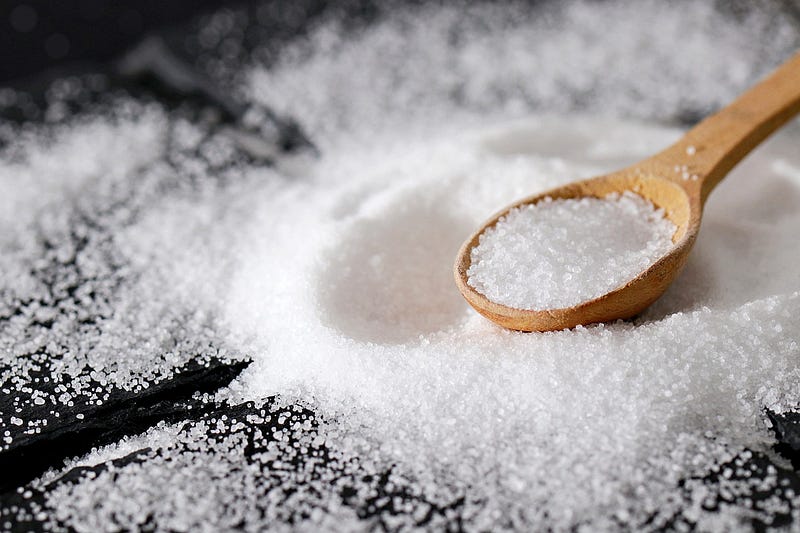
Sodium chloride, also known as salt, is a necessary component of the human body. Sodium is required to keep fluids in the blood and tissues at the proper volume.
Essentially, the human body requires sodium for various functions, so the sodium level in the blood must remain constant. As a result, the more salt we consume, the more the body eliminates the excess, implying that we stop more water. According to an Iasi nutritionist, salt and water balance has traditionally been attributed to the kidneys. According to the study's findings published in the Journal of Clinical Investigation, the liver and skeletal muscles also regulate salt and water metabolism.
As a result, muscle mass is consumed to avoid dehydration in the case of excessive salt consumption. The body’s alternative is to consume more fuel and food. This could explain why the subjects reported feeling more hungry when their salt intake was increased. Usually, a high-salt diet can predispose to overeating. According to other studies, overeating salt can cause high blood pressure, osteoporosis, and premature skin aging.
Excessive salt consumption hurts the body.
Eating habits have evolved. The modern man prefers ready-made, high-calorie foods. Salt, sugar, and fat have all become serious health risks.
In recent years, salt has gained a reputation as a RISK FACTOR rather than an essential NUTRIENT, CONDIMENT, PRESERVATIVE, etc. Every day, 10g of salt is consumed globally, double the WHO’s recommended maximum.
The sodium in salt also causes the arterioles (small arteries) to contract, raising blood pressure and straining the heart muscle. Finally, a diet that adheres to optimal salt intake aids in the prevention of cardiovascular disease.
The kidneys are capable of regulating sodium levels. When sodium levels in the body become too low, a hormone is released that increases the amount of sodium stored in the body while decreasing the amount excreted through urine. However, such ‘events’ occur infrequently in our bodies, owing to the massive amount of salt we consume. It is estimated that most people in developed countries consume twice as much salt as the human body requires.
To reduce premature mortality, the WHO has issued an international call for a 30% reduction in salt consumption by 2025. According to a study published in the Journal of Clinical Investigation, salt, like sugar, stimulates the appetite. On the other hand, excess salt contributes to decreased muscle mass, bone density, and an increased risk of type 2 diabetes, according to experts.
If you didn’t already know: -Salt has a dual mechanism for stimulating taste buds: at average concentrations, it activates tastes that increase appetite, while at high concentrations, it acquires an unpleasant taste. -More than 70% of the salt we consume each day comes from processed foods, and what we add from the salt shaker at the table is less than 1%. Only 6% of people with a high salt diet have a 68 percent increased risk of developing gastric cancer.
- There are people with high salt sensitivity for whom the low-salt diet lowers blood pressure, while people without sensitivity have no effect. -Salt inhibits the growth of certain species of ‘good’ bacteria in the gut and may play a role in inflammatory diseases such as multiple sclerosis.
- -Taking probiotics can lower blood pressure in people who consume a lot of salt.
Why does salt taste so good? Sodium chloride improves the flavor of foods. The National Academy of Sciences states:
Salt enhances the perception of product density, accentuates sweetness, masks metallic flavors or the taste of chemicals, and intensifies and enhances flavors.
Sweet, salty, bitter, and sour were the four basic tastes recognized until 2002. Umami taste was officially recognized after that date. Sweetness and umami taste are two of the five flavors that increase the appetite for high-calorie foods such as high-sugar fruits or meat. Bitter and sour tastes keep us from consuming potentially toxic animal and plant products.
Salt is unique in that, depending on the amount consumed, it can elicit both an appetite and an aversive response.
According to a study published in Nature, increased salt consumption stimulates our bitter and sour taste receptors, acting as a protective mechanism. Previous research has revealed the role of ENaC sodium channels in the process by which sodium chloride creates the sensation of sweetness or umami.
This time, the mechanisms by which increased salt levels in the diet contribute to stimulating less pleasant taste receptors, which play a critical role in maintaining the body’s hydro-electrolyte balance, have been investigated. It has been discovered how sensory cells in the taste buds, responsible for bitter and sweet flavors, work. Blocking the genes involved in this stimulation process alters eating behavior, preventing aversion to salt-rich foods while leaving the mechanisms that increase salt appetite intact.
What is the significance of salt? Salt, also known as sodium chloride, is composed of 40% sodium and 60% chlorine, two minerals that play essential roles in the body by regulating water-electrolyte and acid-base balance. Sodium is an essential nutrient that plays a role in muscle contraction, nerve transmission, blood pressure regulation, and blood volume. In terms of blood concentration, chlorine is second only to sodium, abundant in digestive juices.
How much salt should we consume? The sodium content of 6g (one teaspoon) of salt is 2,300 mg. The majority of people underestimate the amount of salt they consume. According to an AHA survey, one-third of adults have no idea how much salt they consume, and 54% believe their intake is less than 2,000 mg per day.
At the moment, Europeans and Americans do not agree on this.
European experts agree that sodium intake should not exceed 5 g per day, as higher levels are linked to an increased risk of cardiovascular disease and death. Efforts to reduce sodium consumption in populations that consume more than 5 g per day are encouraged. This amount, however, is three times higher than the American Heart Association guidelines, which recommend a reduction to 1.5g/day or less.
Suboptimal dietary salt intake has been linked to a variety of health risks, including: -Increased LDL-cholesterol and triglyceride levels increase the risk of type 2 diabetes and insulin resistance -Heart failure patients have a higher mortality rate. -However, the situation in the United States is different. Salt consumption needs to be strictly monitored. Children aged 8 to 18 in the United States consume an average of 3,387 mg of salt per day, roughly the same amount consumed by adults.
-Blood pressure was significantly higher in obese children than in healthy children.
Where does salt in food come from? Everyone knows that less is more when it comes to salt, but the salt we add to our food only accounts for 6% of the total in a day. Over 70% comes from sources we aren’t aware of, with highly processed food leading the way.
According to the NHS, processed food is more than just microwaveable meals or fast food. Food that has been processed includes food that has been frozen, preserved, baked, or dried. Not all processed food is terrible for you, but it usually has a lot of salt, fat, and sugar.
Diseases associated with excess salt
Diabetes, heart attacks, and strokes can all result from this.
Kidney disease: Research has shown that the kidneys retain sodium and water in the body, causing kidney function to deteriorate. Furthermore, calcium-rich foods promote the formation of urinary calcium, a component of kidney stones. High blood pressure can also contribute to the formation of kidney stones.
Edema, also known as water retention, occurs when your body accumulates excess fluids due to eating salty foods. You may experience swelling in your hands, feet, or wrists and stiffness.
Stroke: Each year, excess salt causes over 75,000 strokes. One-third of those who suffer from such a stroke die due to it.
Sodium damages the stomach lining, making it more vulnerable to the action of the H. pylori bacteria. This causes more than half of all ulcers, a disease that can, sadly, progress to cancer.
Left ventricular hypertrophy: This is characterized by an increase in the volume of the walls of the left ventricle of the heart and is most commonly caused by overuse of the heart muscle and high blood pressure.
Salty foods cause calcium to be excreted through the urine, contributing to osteoporosis. Bones become brittle and more prone to fracture in the absence of calcium.
Advice and suggestions Here’s how you can keep your heart and arteries healthy by cutting back on salt:
- Avoid eating cured meats, processed foods, pickles, smoked fish, and canned goods.
- Substitute potassium chloride salt for sodium-based salt.
- Select between steaming, steaming, and boiling. Your food will retain all of its natural vitamins and flavors, and you will not need to add salt on top.
- Use spices such as garlic, onion, dill, and lemon. They add a unique flavor to cooked foods and reduce the salt required.
- Eat a variety of fruits and vegetables, as well as whole grains. They are high in fiber and help to keep excess fat and sugar at bay.
-Consume low-sodium water.
Follow, comment and clap for more! Thank you for reading. I’ll follow you back to contribute to the growth of the community. I appreciate your views and suggestions, and I hope you do as well. Subscribe to my posts
More health articles :


