
Weight Loss Best Strategies ❤
Tips, Ideas, Diets ❤❤❤
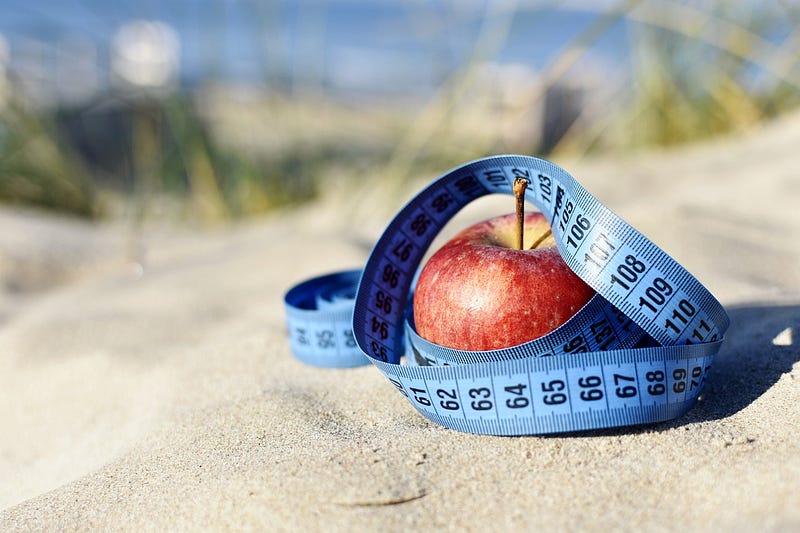
According to experts, many of us are more committed to their goals than ever before as we approach 2021. Is it any surprise that this is often the case? 2020 was a difficult year for weight loss, with gyms closing and therefore the quarantine becoming an unavoidable reality because of engaging from home and having access to an endless array of snacks.
Many people are now downloading apps to assist with calorie or macro tracking, investing in cutting-edge home gym equipment to remain fit without leaving the house, experimenting with new and more sustainable diets, and consulting with dietitians and nutritionists to personalize their plans. And, consistent with experts, now could be the time to assess your progress — to consider what worked and what didn’t as you propose your weight-loss goals for 2022.
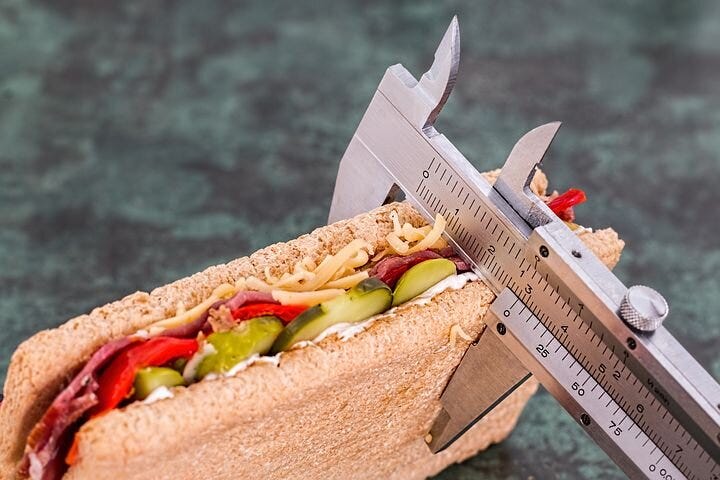
Tip 1: Control your hunger Whatever diet you decide on — and there are many alternative diets that may facilitate your reduce — don’t hand over because you’re hungry.
Hunger may be a normal reaction to calorie restriction. When you eat less, your fat cells produce more hunger hormones, which increases your appetite. Higher-protein, high-fiber meal plans are ideal for controlling hunger and appetite.
For breakfast, swap out processed carbs like staff of life, bagels, muffins, or donuts for high-protein/high-fiber foods like eggs or Greek yogurt mixed with chia seeds and berries. You’ll notice that you’re fuller for extended.
Tip 2: Don’t eat a carbohydrate unless it’s in the middle of fiber Fiber aids in blood glucose control, cholesterol reduction, and therefore the prevention of chronic diseases like diabetes, colorectal cancer, and cardiomyopathy. Once you have diabetes, a low-carbohydrate diet (such as bread, pasta, rice, desserts, sugary beverages, and juice) is additionally important because you may require less insulin. This will aid within the prevention of hunger, fat storage, and weight gain. Legumes (dried beans, lentils), vegetables (Brussels sprouts, broccoli, spinach squash, sweet potatoes), and fruits are high in fiber (apples, berries, oranges, pears).
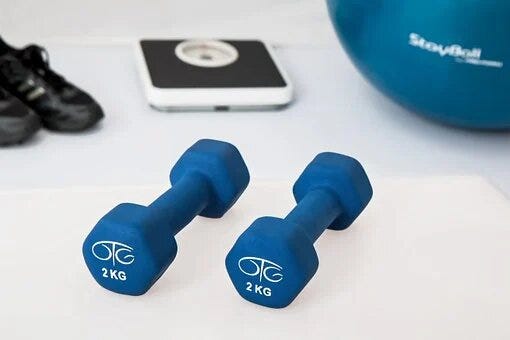
Tip 3: consider healthy behaviors instead of the quantity on the size When you only study your weight, it is easy to become discouraged. Replace a broad goal like “lose two pounds per week” with more specific mini-goals like “eat one cup of vegetables at dinner,” “walk 20 minutes on a daily basis,” or “keep a daily food log.” If you’re dissatisfied along with your weight loss progress at the top of the week, consider how well you stuck to every goal.
Keep a journal to stay in track of your lifestyle changes, food, exercise, and weight. Tick off which new habits are working well and which require more effort at the tip of every week.
Tip 4: Make it easier to slim If you join a gym that’s a 30-minute displace, you’re much less likely to stay to a daily routine than if you discover one that’s right round the corner. If you bring healthier snacks to figure, you will be less likely to succeed in for candy or a bag of chips from the office coin machine. Here are some samples of the way to make weight loss easier:
Keeping a bowl of fruit visible on the counter Having a pair of walking shoes available at work Laying out your workout clothes for the following day, the night before Keeping luxuries on a high shelf where they’re out of sight (and therefore out of mind)
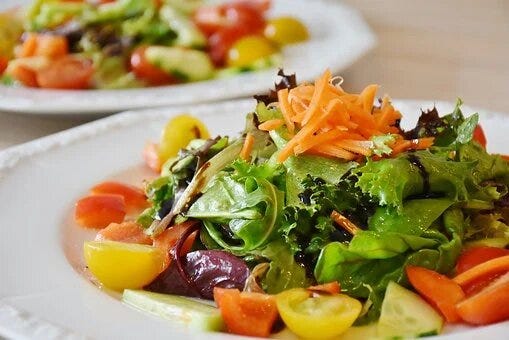
Tip 5: Protein should be consumed at every meal. Experts agree that eating enough protein is a very important nutrient for weight loss, not only because it keeps you satiated, but also because your body burns more calories metabolizing this macronutrient than carbs or fat. It is very easy to lose muscle in addition to fat when losing weight. Eating enough protein can help to forestall this, which is vital because muscle burns more calories than fat tissue.
Tip 6: observe use of your calories. Not all calories are created equal. If your diet consists primarily of sugar, saturated/trans fats, and salt — all of which might be highly addictive.
Eat foods high in lean protein, healthy fats, and fiber to feel satisfied throughout the day and to avoid cravings. This may assist you in maintaining a lower calorie level, which can lead to weight loss.
Tip 7: Plan your meals for tomorrow today. Planning ahead eliminates the grab-what-you-see panic that happens once you wait until you’re hungry at 6 p.m. to plan dinner. Making dinner on the fly is probably going to end in less nutritious, higher-calorie options.
Plan what you’ll eat for dinner tomorrow once you sit right down to dinner tonight. When you are not hungry, it’s much easier to try to do.
This also allows you to require something out of the freezer, chop vegetables tonight to place within the crackpot tomorrow morning, and learn who is home for dinner.
Diets
Every year, new fad diets emerge, promising that drastically altering your diet will facilitate your change state. However, this kind of quick-fix weight loss doesn’t last.
If you wish to enhance your diet, your best bet is to develop healthy habits that you just will enjoy maintaining within the future. Following diets like the Mediterranean diet or a flexitarian diet can improve your health and facilitate your slim down.
Here are four styles of diets that truly improve your health and are not too difficult to stay to:
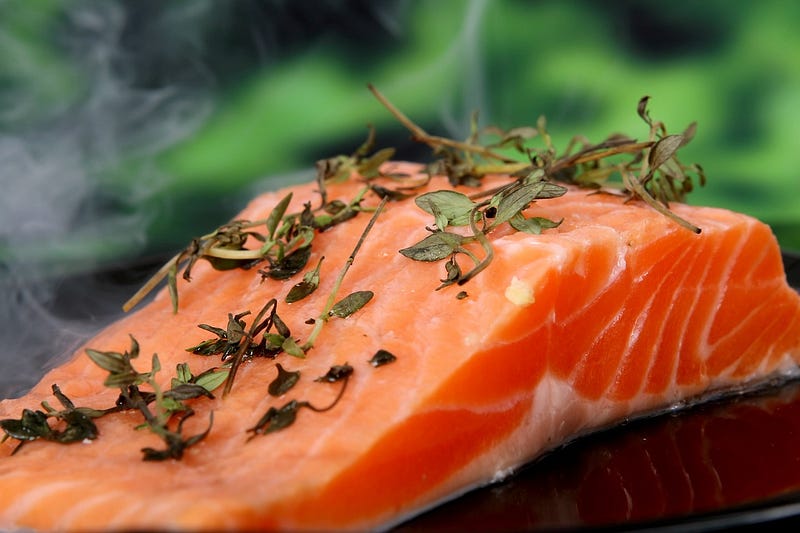
1. The Mediterranean Diet The Mediterranean diet is called after the region’s traditional cooking and customarily consists of: Fruits and vegetables that are fresh Brown rice and whole wheat are samples of whole grains. Seeds and nuts Dairy should be consumed carefully. Beans and lentils are samples of legumes. Instead of butter, use heart-healthy fats like oil. The diet also discourages the consumption of processed foods, red meat, and excessive sugar, all of which may contribute to chronic diseases like heart condition and diabetes. Should encourage weight loss because the foods within the diet are higher in fiber and healthy fats, which cause you to feel fuller and help stabilize your blood glucose, in line with Seid. this might reduce your proclivity to overeat or crave sugary snacks.
Following an eating plan just like the Mediterranean diet may additionally reduce the danger of heart condition, stroke, and sort 2 diabetes, in step with research.
2. The DASH diet The DASH diet, or Dietary Approaches to prevent Hypertension, was developed to treat high pressure level, but it’s going to also facilitate your lose or maintain weight.
According to Julie Stefanski, a registered dietician and Academy of Nutrition and Dietetics spokesperson, the DASH diet helps lower pressure level by encouraging a diet rich in key minerals — It promotes potassium-rich, calcium-rich, magnesium-rich, low-sodium foods.
The DASH diet, just like the Mediterranean diet, emphasizes high-fiber foods like vegetables, fruits, and whole grains. However, there are two major distinctions: Unlike the Mediterranean diet, the DASH diet emphasizes low-fat or fat-free dairy products over full-fat dairy products. Low-fat dairy, in line with some experts, is best for heart health, especially if you have already got cardiopathy. Also, DASH restricts your salt intake, which may help control your pressure — the goal is to stay your sodium intake below 2,300 mg . If your current diet includes plenty of white meat and butter, the DASH diet may facilitate your slim down. Lean protein and low-fat dairy are lower in caloric density, which can contribute to a calorie deficit and subsequent weight loss.
The DASH diet, in contrast to the Mediterranean diet, prioritizes low-fat or fat-free dairy products over full-fat dairy products. in keeping with some experts, low-fat dairy is healthier for heart health, especially if you have already got cardiovascular disease. DASH also limits salt intake, which might help control vital sign — the goal is to stay your sodium intake below 2,300 mg per day, or about one teaspoon of salt. If you eat lots of white meat and butter, the DASH diet may facilitate your reduce. Lean protein and low-fat dairy have a lower caloric density, which can facilitate your melt off by creating a calorie deficit.
3. Diet based on whole foods A whole food diet includes all major food groups, but you’ll need to read product labels. The diet emphasizes foods that haven’t been refined or processed, so make sure your foods:
Preservative chemicals such as benzoates and sorbates are not present. Don’t contain any additives, such as artificial color dyes. There should be no words on the label that indicate processing, such as “refined,” “bleached,” or “hydrogenated.” According to Stefanski, shifting your diet toward whole foods may aid in weight loss because processed foods contain extra calories. Processed foods have higher calorie counts because they frequently contain added sugar and fat.
Consuming a processed food diet may also cause you to consume more calories. A very small 2019 study discovered that people ate more and gained weight when they ate an ultra-processed diet and ate less and lost weight when they were given meals with the same number of calories but made from unprocessed foods.
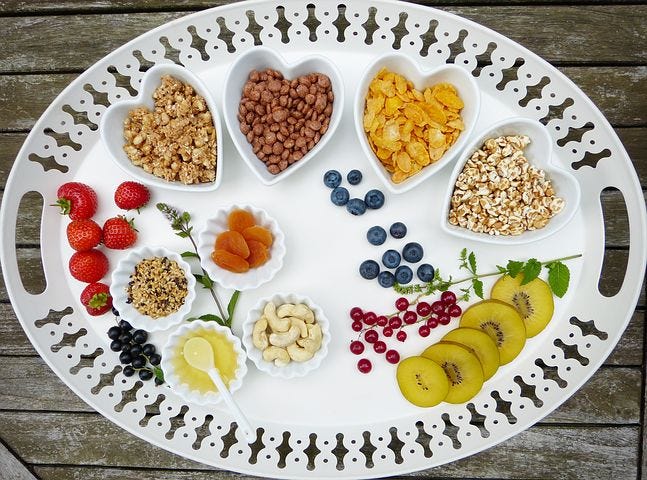
4. Diet supported plants A plant-based diet aims to eliminate or reduce the consumption of animal products like meat, dairy, and eggs. There are many alternative styles of plant-based diets to decide on from, including:
Pescatarian, a vegetarian diet that excludes all meat except seafood. Flexitarian diet, which incorporates eggs and dairy but allows for infrequent meat consumption. Vegans abstain from all animal products, including eggs and dairy. Plant-based diets may facilitate your slim down for a spread of reasons, including:
They limit or avoid pork and processed meats, both of which are linked to long-term weight gain. This means that folks can eat fewer calories while still feeling full. In fact, alittle 2021 study comparing a low-fat, plant-based diet to a low-carb diet with meat discovered that individuals ate 550 to 700 fewer calories per day on the low-fat, plant-based diet compared to the low-carb diet with meat.
However, there are many highly processed plant-based foods on the market — as an example, non-dairy frozen dessert is vegan, but it’s often loaded with sugar.
Follow, comment and clap for more! Thank you for reading. I’ll follow you back to contribute to the growth of the community. I appreciate your views and suggestions, and I hope you do as well.
Join Medium


