
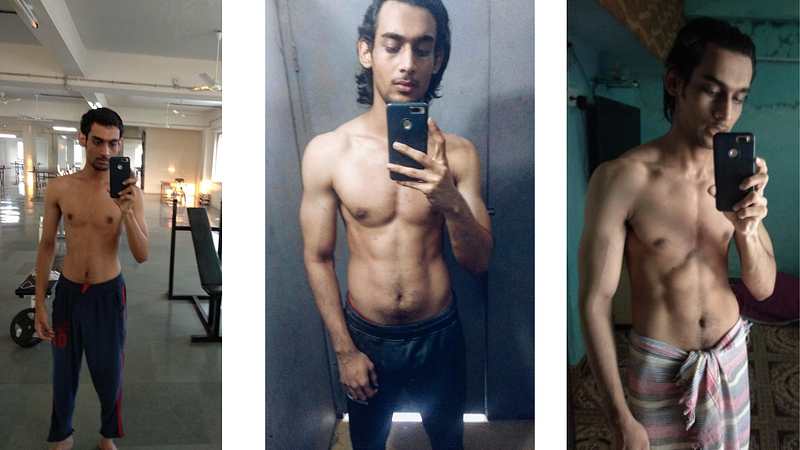
Everything I Learned About Nutrition That Helped Transform My body
Nutrition and diet basics, what to eat and avoid, supplements, and more
If you prefer watching a YouTube video:
Calorie:
Everything that our body does requires energy. Your body needs the energy to think, breath, digest food, produce hormones, filter blood to produce urine, pump blood to every single cell, and many more things. This energy is supplied to the body via the food we eat. Different food provides a different amount of energy. To measure this energy in the food we use the unit ‘Calorie’. Just like we use meters/miles for distance and grams/ounces for weight, we use calories for energy from food.
Caloric surplus and caloric deficit:
The amount of energy that your body needs in a day is called TDEE( Total Daily Energy Expenditure). You can use any online calorie calculator ( Just Google this) to calculate an approximation of your TDEE. Once you have this TDEE approximation you can start counting your calories.
If you eat more calories than your TDEE, these extra calories will be stored as fat. This is called being in a caloric surplus. If you eat lesser calories than your TDEE, you will be in a caloric deficit, this will burn fat.
Your body works in a very intelligent way. Eating more calories is like earning more money than you spend. What do you do with that extra money? You save it. Similarly, your body saves extra energy for future use in the form of fat inside the body. This is what happens in a caloric surplus.
Now if you earn less than what you need to spend, then you’ll need to take out money from your savings and use it. This is exactly what happens in a caloric deficit, your body burns its fat for energy.
You can manipulate your body’s TDEE by exercising. Exercising burns more calories, hence increasing your TDEE.
Macronutrients(Macros):
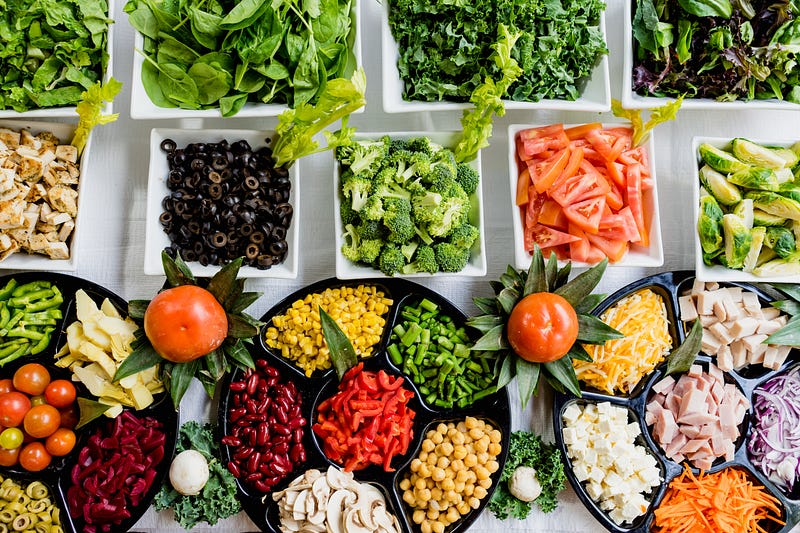
The nutrients that the body needs in larger amounts are called Macronutrients(Macros). These can be categorized into carbohydrates(carbs), fats, and proteins.
Carbohydrates(Carbs):
Carbs are fuel for the body. These are complex sugars that are the body’s first option to burn as these get converted to glucose in the bloodstream after digestion. All the extra glucose is first stored in the liver as glycogen and the rest is converted to fat.
Glycemic Index:
Not all carbs are created equal. Some carbs are digested more quickly than others causing your body to store it as fat. Whereas some carbs need time to digest and slowly release energy in the body. The Glycemic index helps us to understand how fast a carb is digested. A high glycemic index means the carb is digested quickly and hence should be avoided. We want to eat carbs which will release energy slowly i.e. carbs with a low glycemic index because these will avoid hunger for a longer time and also reduce the creation of fat.
Natural foods with fiber have a low glycemic index such as most fruits and vegetables, whole grains, legumes, and dairy. Foods with a high glycemic index should be avoided such as refined sugar(the worst), refined flour, starchy vegetables(such as potatoes), white rice, and many more.
Fats:
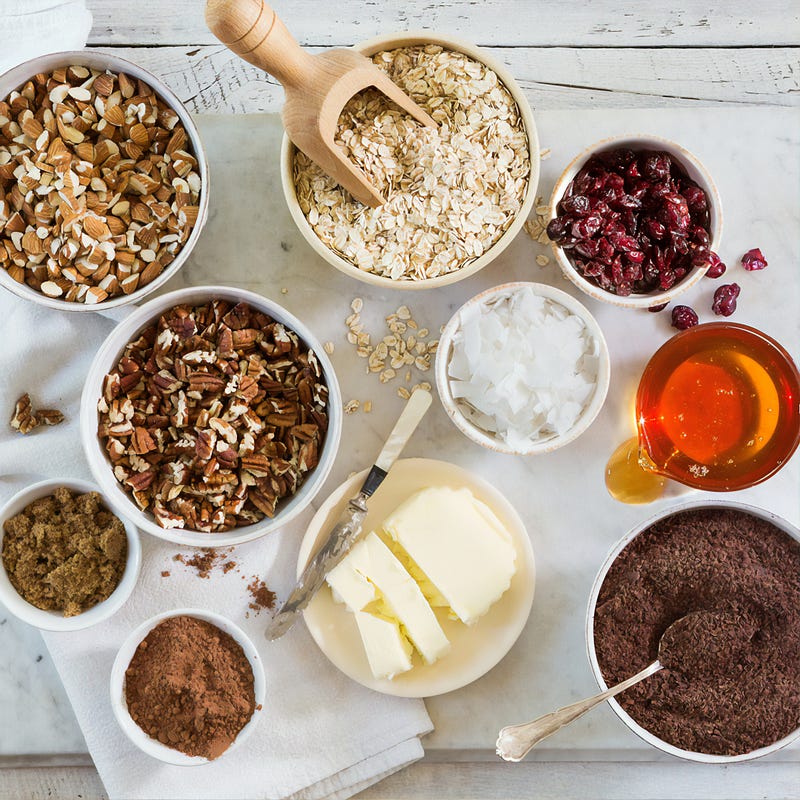
Fats are also used by the body to produce energy as well as other functions such as producing hormones, keeping your body warm, etc. Eating fat is good for you but too much of anything is bad.
Fats can be categorized into the following categories:
Saturated Fat:
This type of fat is not good for you in large amounts. It is found in dairy products, red meat, Ghee, eggs, coconut oil, etc. This should not be avoided completely but too much of it is bad for the body so reduce it as much as possible but don’t eliminate it.
Unsaturated Fat:
These are healthy fats. They are good for your body. Most fat that you add to your diet should be unsaturated fat. These fats are generally liquid at room temperature. Most cooking oils are good for you in limited quantities.
Transfat:
This is found in negligible amounts in natural food. It is found in a greater amount in industrially processed food. It is very bad for your body and should be eliminated from your diet.
Omega-3 and Omega-6:
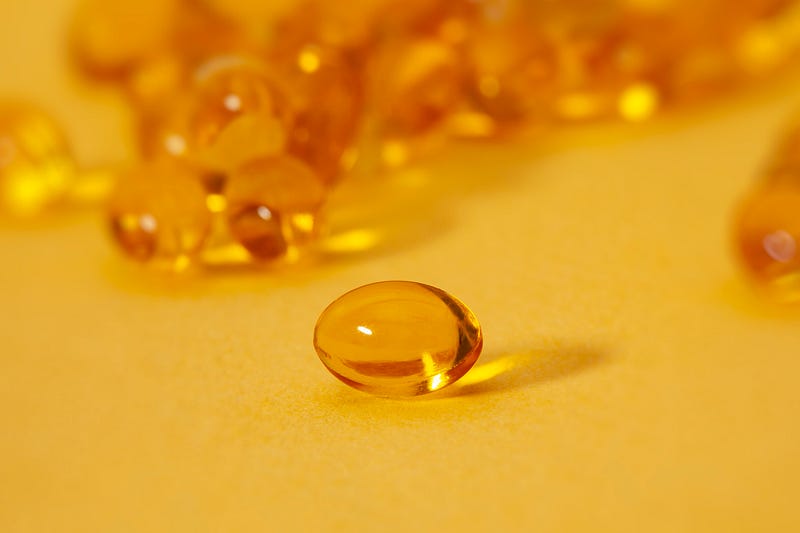
These fats are essential which means they can’t be produced by the body and needs to be provided through food. These are naturally found in fish such as salmon. You need to eat fish at least twice a week to get the required amount of Omegas. Taking a supplement is far easier. Here are some recommended ones:
MuscleBlaze Omega 3 Fish Oil 1000 mg (180mg EPA and 120mg DHA) — 90 Softgels
Protein:
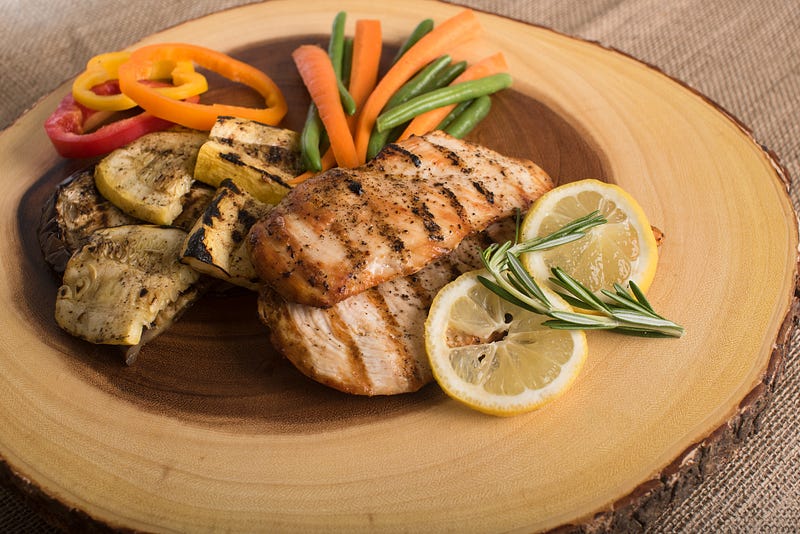
Protein is used by the body to repair itself. Protein is what muscles are made of mostly. That’s why to build muscles you need to eat a good amount of protein. The recommended protein intake for muscle building is around 2 grams per kilogram of bodyweight. Protein takes more time to digest and hence can keep you satiated for longer. This can help with weight loss. Eating protein also helps with a fitter body and good bone health. If you are a vegetarian, I recommend getting a protein supplement as lean sources of vegetarian protein are not present. Try to get most of your protein from food. However if you find it difficult to achieve daily protein goals, consider getting a supplement. Whey proteins are completely safe and don’t cause any harm. Here are the ones I recommend:
Optimum Nutrition (ON) Gold Standard 100% Whey Protein Powder — 2 lbs, 907 g (Double Rich Chocolate)
Ultimate Nutrition Prostar 100% Whey Protein — 5.28 lbs (Chocolate Creme)
MuscleBlaze Whey Gold 100% Whey Protein Isolate with Digezyme (Rich Milk Chocolate, 1 kg / 2.2 lb)
Micronutrients(Micros):
They are nutrients your body requires in smaller amounts. They include vitamins and minerals. They are required for important body processes. Eating a varied diet with lots of fruits and vegetables will provide you with the required micros. Foods such as dairy and fish also provide essential micros. Although it is possible to achieve a good amount of micros from food, getting each one of them is difficult. Hence, multivitamin supplements are very helpful. Some of the recommended ones are:
MuscleBlaze MB- Vite Multivitamin with Immunity Boosters-100% RDA Vitamin C, D, Zinc, 60 tablets
Healthvit Mulvit A To Z Multivitamins and Minerals- 60 Tablets
HealthKart Multivitamin with Ginseng Extract, Taurine and Multiminerals (Multivitamin, 90 capsules)

What I eat:
Eggs:
Why: Excellent quality and cheapest source of protein. Full of vitamins. Good for cholesterol, choline, brain, and eyes.
How: Boiled with salt and pepper/chili powder. Fried if you are okay with extra calories. (I recommend rice bran oil)
How much: At the most three every day to stay on a safe side. (There is not enough research to check if it is safe to eat more)
Chicken:
Why: Good quality protein, cheaper compared to protein powders and most other sources. Good for vitamin B12. Easier to eat and cook. Very versatile for adding to recipes.
How: Simply boil. Roast. Easy to find healthy recipes.
How much: I eat about 250 grams every day.
Sprouts and legumes:
Why: Good source of fiber, vitamins, and mineral. Provides additional protein to the diet. Easy to cook and very versatile.
How: I simply soak them overnight and boil them with salt. It can be used in many recipes.
How much: I eat about 100 grams every day.
Cow Milk( lesser fat than buffalo milk):
Why: Good source of protein. Easily available. Good for calcium. Easy to drink up.
How: I drink it raw. Sometimes I add it to oats/dalia. I make my yogurt by myself which is extremely good for gut health because of the probiotics present in it.
How much: 250–500 ml cow milk, Yogurt made from 250ml cow milk.
Soybean( whole and chunks):
Why: Good source of protein. Very cheap. Easy to cook.
How: Boil them. Make sabzi. Add to wheat before making flour.
How much: Not more than 200 grams a week. ( There is not enough research to conclude how much is safe to eat)
Oats:
Why: Gluten-free. Great source of fiber, vitamins, minerals, and antioxidants. The small amount of protein is good for achieving your daily protein goal.
How: Overnight oats with fruits and nuts. Cook 2 mins with milk for breakfast. Lots of healthy recipes.
How much: Treat Oats as carbs an adjust accordingly in your diet.
Recommended products:
True Elements Gluten Free Rolled Oats 1.2 kg — High in Fibre
Rice and Roti:
I ate very little rice and roti. Only enough to make sure I get daily required calories to stay in surplus. I got carbs and fat from legumes, dairy and sometimes frying eggs.
Fruits and vegetables:
Eat as much as you want as most of them are low in calories. Eating seasonal fruits and vegetables is cheaper and healthier. As with everything, don’t go overboard. Smoothies are a great way to add more fruits and vegetables to the diet.
Water:
Drink up so that you don’t feel thirsty ever. Thirst is an indication of dehydration. It’s a good idea to drink water when you wake up, 30 mins before workouts, a little bit during workouts, and a lot after workout. Avoid drinking a lot with meals. Keep drinking throughout the day at regular intervals. Keep a bottle with you all the time when you go outdoors. Keep a bottle on your office desk.
I highly recommend you to buy a food scale which will be immeasurably useful for counting calories and other macros:
Supplements:
The only supplements everyone should use is creatine. It is very inexpensive and has been scientifically proven to benefit bodybuilders.
The products that I recommend have been at some point used by me, I don’t recommend products that I won’t use. If you would like to support me for my work and you need these products, please buy these products through these links so that I make a small commission from it and continue to write and make content similar to this.
Creatine:
It is the only supplement I have used continuously. It is naturally present in our muscles and helps to produce energy so that you can work harder in the gym. It is one of the few supplements that have been scientifically proven to be beneficial for muscle building. It is quite inexpensive and I highly recommend it.
The product I use:
Optimum Nutrition (ON) Micronized Creatine Monohydrate Powder — 300 Grams (Unflavored)
Another recommended one:
Muscleblaze Creatine Monohydrate (100 gms)
Whey Protein:
I rarely use whey protein whenever I couldn’t get enough protein from food or don’t have enough time. Whey provides you a lot of conveniences. It’s easy to consume, doesn’t require any cooking, and provides fast-digesting protein with very few carbs. I would recommend vegetarians to compulsorily use whey protein supplements as lean sources of vegetarian protein are rare.
Here are the ones that I have used:
Optimum Nutrition (ON) Gold Standard 100% Whey Protein Powder — 2 lbs, 907 g (Double Rich Chocolate)
Ultimate Nutrition Prostar 100% Whey Protein — 5.28 lbs (Chocolate Creme)
MuscleBlaze Whey Gold 100% Whey Protein Isolate with Digezyme (Rich Milk Chocolate, 1 kg / 2.2 lb)
If you can’t afford good brands, don’t bother buying cheaper products. You are better off, eating chicken, eggs, and milk with that money.
Multivitamin:
If you can afford them, please use multivitamins, as getting every vitamin and mineral from food. It will help with your overall health and in turn, help you build healthier muscles.
Here are the ones I recommend:
MuscleBlaze MB- Vite Multivitamin with Immunity Boosters-100% RDA Vitamin C, D, Zinc, 60 tablets
Healthvit Mulvit A To Z Multivitamins and Minerals- 60 Tablets
HealthKart Multivitamin with Ginseng Extract, Taurine and Multiminerals (Multivitamin, 90 capsules)
Fish Oils:
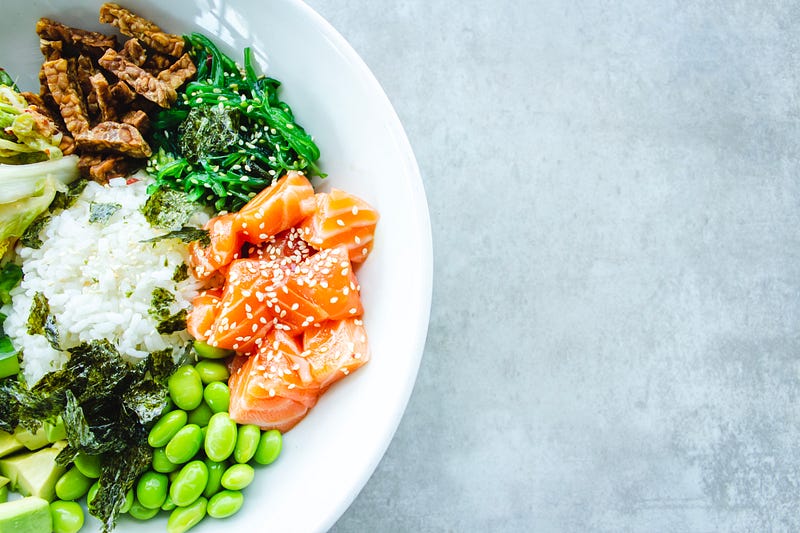
Good for heart health and provides essential nutrients that are mostly found in fish. Alternatively, you need to eat fatty fish at least twice a week. It’s much easier to take this supplement instead.
Here are the ones I recommend:
MuscleBlaze Omega 3 Fish Oil 1000 mg (180mg EPA and 120mg DHA) — 90 Softgels
What I don’t eat:
Sugar(Try to reduce as much as possible), Refined flour(biscuits, cakes, most desserts), Glucose powders, fried foods, packaged foods(Ketchup, ice creams, cold drinks, etc), Fruits juices ( packaged, drink fresh-made smoothies, lemonade, coconut water, etc instead).
Try to eat fresh and natural produce, with as minimal cooking as possible. This will provide you with more antioxidants. Think salads, fruits, nuts, etc.
Resources to learn more about nutrition:
Healthline
Webmd
NutritionFacts.org
I have written this article based on what I learned. I hope it inspires and helps you follow a better diet.
Read how I transformed my body from skinny to muscular:
Read this if you are a beginner to fitness:
Connect with me:


