
Everyone Is Imperfect! Should AI Replace Humans?
Human relationships in the era of AI machines
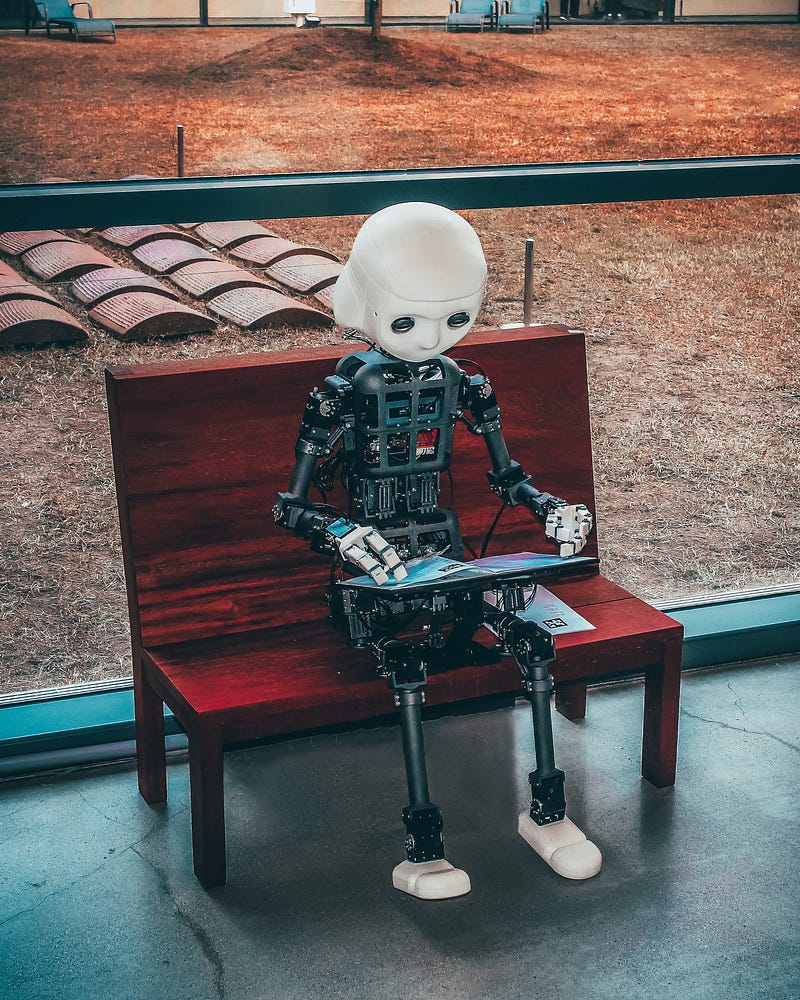
It is now unambiguously demonstrated that artificial intelligence can carry out many tasks humans have always handled by themselves, including writing, transcribing, and recognizing complicated objects.
Far away from the industrial mechanical robots to which we have been accustomed for many years, nowadays, we deal with quite complex platforms that we can access from the comfort of our homes by making a single click or sending a simple command.
We once believed that many technical jobs were in jeopardy, but it is now clear that robots may replicate most human functions, including intellectual tasks.
I say “replicated” because, as of today, the majority of AI capabilities depend on the information or knowledge of living humans. AI machines may function more quickly and “objectively” than humans, but up to that point, they repeat the answers that most people would have given.
However, they are becoming astonishingly precise and effective in unexpected areas, such as writing or image generation, leading to a rise in demand for their service.
According to Statista’s prediction, the market for artificial intelligence (AI) is expected to experience rapid growth over the next ten years. Its worth of around $100 billion US will have increased twentyfold by 2030.
In some ways, we should be happy. Artificial intelligence is assisting people and organizations everywhere in accomplishing tasks that they would be unable to complete on their own due to time constraints or inefficiency. But we should also worry about how overusing AI would impact human relationships.
AI or human intelligence, which one do you prefer?

At this point, I believe that most people have phoned a company or an organization to fix a problem, expecting empathy and comprehension. Instead, an automated voice bluntly asked them questions and provided answers.
However, it is not all bad! Even worse, your call may be replied to by an employee whose tone and responses are identical to those of the automated voice due to an excess of objectivity and formality.
Imagine that all your relationships were based upon those types of conversations, what would you feel? Would you be happy and fulfilled as a human?
What if humans interacted with one another as they do with AI
If we start treating each other the same way we regard AI, here are some problems we will almost certainly face:
1. Massive emotional collapse
Everyone would agree that humans establish emotional relationships through meaningful dialogues and shared feelings and sentiments. We have also realized that AI tools might be helpful in responding to generic inquiries about psychological concerns based on recurring human emotions and feelings.
However, I doubt that their reaction would be as targeted to a person’s specific emotional requirements as a human response could be. While they would be reasonably efficient in answering questions, they would be unable to judge or comprehend what a person truly needs.
We may ignore the need for human connection once we rely on AI for emotional support, resulting in a lack of meaning and individuality. We have already witnessed how social media impacts human relationships. I believe the AI’s influence could be worse because no one is on the other side of the screen to analyze our demands and adjust their response to our needs. If there is one, it will not be someone who knows us.
2. Intellectual shrinkage
Humans design robots. But the usefulness of robots is determined by the objective for which they were created, and they operate based on the knowledge at their disposal.
Consider a society where everyone relies on robots to perform even intellectual tasks. What do you believe will happen? In my honest opinion, I envisage a scenario where we would continuously reproduce the same limitations humans had in the past.
Even if we might seem to be technologically developed, our collective mental patterns would not change significantly, since we cannot efficiently grow or produce new ideas unless we engage in extensive conversations with one another and examine certain minority opinions, which AI has typically overlooked up until that time.
Furthermore, creative activities, such as writing, are the most effective tools for organizing and self-evaluating our ideas. If we do not perform those tasks, we’ll progressively lose our ability to strengthen our mental muscles.
3. Lack of collaboration
When we establish an emotional connection with someone, we are more likely to offer them help and assistance since we feel their anguish or misery and anticipate their reciprocity.
However, when we do not know someone, we do not seem to care about what is going on in their lives. Imagine we begin overusing AI; what do you think would happen?
Since we would only communicate our sentiments and feelings to our AI assistants, no one would be interested in anyone else’s issues or pain, resulting in more selfishness and inequality.
4. Frustration
Humans are not excellent at communicating as they believe:
- Our body language is sometimes misleading
- Our words don’t always express our ideas
- We don’t usually know our own intention
But we are frequently unsatisfied when we do not obtain what we want and are quick to assume that others should understand us regardless of our poor communication skills. That’s why misunderstanding and unconscious disregard for the opinions of others are often the origins of frustration.
Our fellow humans can deal with those tensions and respond to those shortcomings in such a way that we may not communicate properly but get what we want. However, would AI machines be able to deal with those communication issues? Wouldn’t they cause even more frustration?
AI tools can answer inquiries of almost all kinds, but do they strive to get our ideas, second guess what we ask, or adjust their answers to people’s needs? This is something that could happen in the future. For the time being, however, AI assistance is relatively generic, and its degree of flexibility is purely based on the knowledge available to them and the associations that they can make out of those sets of knowledge.
People’s needs are highly individual, unique, and limitless. However, the words and word combinations are similar and limited. That’s why if AI computers could not think beyond words, they would be unable to respond appropriately to personal questions.
5. Unresolved conflicts and intolerance
We cannot connect and collaborate if we lack knowledge and empathy, and we cannot think outside the box if we lack information and empathy; all that is left is irritation, intolerance, and never-ending disputes. You may argue that we are currently dealing with conflicts and will never be a world free of them. Yes, I suppose we would constantly have disagreements. However, disagreements are not the issue. The problem is our inability to resolve them, or even reach a reasonable comprehension of each other’s points of view.
If the next generations use AI like most of us use social media and AI capacity and limitations do not change significantly to the point where they will have an understanding similar to that of empathetic humans, we will likely regard each other as robots, expecting others to do what we want without regard for their ideas, or not even attempting to persuade or debate with them.
People dislike being treated as if they were machines. If we approach others as AI robots, we will encounter conflicts that we will be unable to comprehend or solve because they will be subjective (feelings, emotions, empathy, compassion, love, and so on) rather than objective concerns.
What if?
What if the situation is entirely different? Humans may evolve into more powerful being, capable of such severe objectivity that a lack of empathy, connection, love, and comprehension does not upset them. Perhaps what we take for knowledge now will be obsolete in the future. And people would discover other ways to produce, evolve, and generate new ideas. Maybe the next generations will be unaware of the other options and will simply accept their situations, adapt, and evolve as we always do.
However, the same reasoning can be applied to artificial intelligence. What if AI robots grow smarter than humans and can help us solve our most personal problems? Perhaps their assistance will replace human interactions. What if they are the ones that will assist us in getting along with people, becoming compassionate, or solving the most common relational issues that we encounter nowadays? But do you think it is all possible? Is there anything more fundamental in human nature that AI will never be able to replace? Please let me know what you think.
Subscribe | Instagram | Quora| Twitter | TikTok | Tumblr | LinkedIn | YouTube