ention while afraid of negative feedback on social media, but everything seemed insignificant compared to the core reasons why I needed to write.</p><p id="0fc8">Of course, what people expect from writers is often more time-sensitive than visual artists. Instant buzz and skyrocketing stats make writers euphoric. Yet the buzz only lives for a couple of days. If a writer wishes to grow beyond being a blogger, a longer-term mindset is a must.</p><p id="2124">What’s the point of continuing to generate AI-like articles only to earn pocket cash? We’ll be gone within the next 100 years, but as creators, our work will be still alive unless the platforms shut down or our family cleans up our mess.</p><p id="f146">If we want to be trailblazers, we can’t let people’s instant evaluations bother us. This mindset moved me profoundly and made me less anxious about people’s reactions.</p><p id="f655">Murakami also warns that if creators focus too much on what’s popular now it closes our eyes to the possibilities of the future:</p><p id="a43f" type="7">If there is no negation or criticism, your work fits too perfectly into the present zeitgeist. In that case, we cannot create the future. Artwork only comes alive when it moves people’s emotions. For me, having both positive and negative opinions serves as a point of communication.</p><figure id="5adc"><img src="https://cdn-images-1.readmedium.com/v2/resize:fit:800/1*[email protected]"><figcaption><a href="https://zingarokk.com/">Nakano Zingaro</a>. Photos by Author</figcaption></figure><p id="54ff">Murakami often refers to Andy Warhol as a successful model of self-branding for artists.</p><p id="3fbf">You may want to claim that Andy Warhol focused too much on consumerism and profit due to his materialistic themes and prolific work.</p><p id="19b2">However, it is undeniable that Andy Warhol remains more influential than his rivals from the same era such as Jasper Johns and Robert Rauschenberg.</p><p id="9056">Murakami argues that inflating the rarity of artwork shouldn’t be justice. Instead, creating an ecosystem of dissecting and analyzing the artwork of the artist ensures that people continue to discuss it even after the artist passes away². This argument encourages creators to keep producing new work, not holding onto past success.</p><p id="c4f9">He actively educates new talent and holds events to promote younger artists, often ignoring profitability. This year, he is hosting a selfless festival named GEISAI on April 30 at Tokyo Big Sight. Surprisingly, no entrance fee will be charged.</p><p id="6997">Why not experience the up-and-coming art trends in Japan? You may find your new favorite artist.</p><div id="61f4" class="link-block">
<a href="https://www.geisai.net/g22_en/">
<div>
<div>
<h2>GEISAI#22 & Classic</h2>
<div><h3>We are holding GEISAI #22 on April 30, 2023. As with the previous event, we will be accepting participants under the…</h3></div>
<div><p>www.geisai.net</p></div>
</div>
Options
<div>
<div style="background-image: url(https://miro.readmedium.com/v2/resize:fit:320/0*EibPFROHbGFm2q9U)"></div>
</div>
</div>
</a>
</div><p id="ed30">Murakami is also planning to hold an exhibition to celebrate the 90th anniversary of the <a href="https://kyotocity-kyocera.museum/en/">Kyoto City Museum of Art</a> from February 3 to June 30, 2024³.</p><p id="34b1">Even if your schedule doesn't allow you to attend these events, you can visit his galleries <a href="https://zingarokk.com/tonarinozingaro/">Tonari no Zingaro</a> at Nakano Broadway and <a href="http://en.gallery-kaikaikiki.com/">Kaikai Kiki Gallery</a> in Azabu, Tokyo.</p><figure id="180b"><img src="https://cdn-images-1.readmedium.com/v2/resize:fit:800/1*[email protected]"><figcaption><a href="https://zingarokk.com/">Nakano Zingaro</a>. Photos by Author</figcaption></figure><p id="cc9c">Want to read Takashi Murakami’s books? Unfortunately, these two books haven’t been translated into English yet.</p><p id="3a7c">Perhaps it’s a great time to start learning Japanese with my articles for <a href="https://www.japantimes.co.jp/author/int-yuko-tamura/">The Japan Times</a>. I’ll definitely keep writing in two languages to leave my thoughts in this world. After all, just as many artists chant, <i>ars longa, vita brevis</i>.</p><figure id="5a92"><img src="https://cdn-images-1.readmedium.com/v2/resize:fit:800/1*[email protected]"><figcaption>Photos by Author</figcaption></figure><p id="c36c">Sources:
¹<a href="https://www.sothebys.com/en/articles/takashi-murakami-x-louis-vuitton-the-fashion-collaboration-that-defined-a-generation">Sothebys</a>, ²<a href="https://zingarokk.com/news/11980/">Zingaro</a>, ³ <a href="https://www.tokyoartbeat.com/articles/-/kyotocitykyoceramuseum-news-202302">Tokyo Art Beat</a></p><p id="3722"><i>If you enjoyed this article, <a href="https://medium.com/@yutranslates">follow Yuko</a> to read more stories like this. She’s currently writing her debut novel set in Japan.</i></p><div id="e8c4" class="link-block">
<a href="https://readmedium.com/the-high-cost-of-silence-why-japan-shuts-up-victims-of-sexual-abuse-c65efee9afed">
<div>
<div>
<h2>The High Cost of Silence: Why Japan Shuts Up Victims of Sexual Abuse</h2>
<div><h3>BBC’s bombshell documentary on Johnny Kitagawa shows how toxic culture forces victims into silence</h3></div>
<div><p>medium.com</p></div>
</div>
<div>
<div style="background-image: url(https://miro.readmedium.com/v2/resize:fit:320/0*AYfQGRIqkpgZLGEl)"></div>
</div>
</div>
</a>
</div><p id="71d1"><i>You can also subscribe to Medium from the <a href="https://medium.com/@yutranslates/membership">referral link, </a>which directly supports the author without any additional charge. Mediumの購読は<a href="https://medium.com/@yutranslates/membership">こちら</a>からどうぞ。</i></p></article></body>
Every Creator Should Think Like Takashi Murakami
His art philosophy emphasizes creating for the future instead of obsessing over today
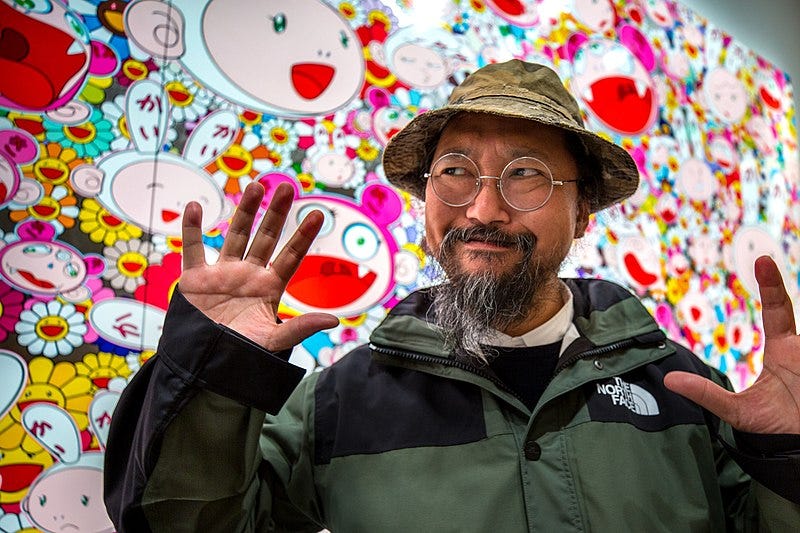
Japanese literature lovers are abuzz over the release of Haruki Murakami’s new novel that hit bookstores last week. However, this is also a great time to focus on another iconic Murakami—Takashi Murakami—since the leading figure of neo-pop art will be holding a huge event this month.
Haven’t heard of his name? Even if you don’t follow the art scene, you must have seen his symbolic smiley flower paintings and his work with Louis Vuitton. Murakami’s first collaboration with Marc Jacobs two decades ago is said to have reinvented the signature Louis Vuitton monogram¹.
As a highly influential contemporary artist, Murakami never shies away from expanding his style. He has collaborated with many artists and fashion brands including Nike and Hublot, the music video for Billie Eilish, and even young Japanese YouTubers.
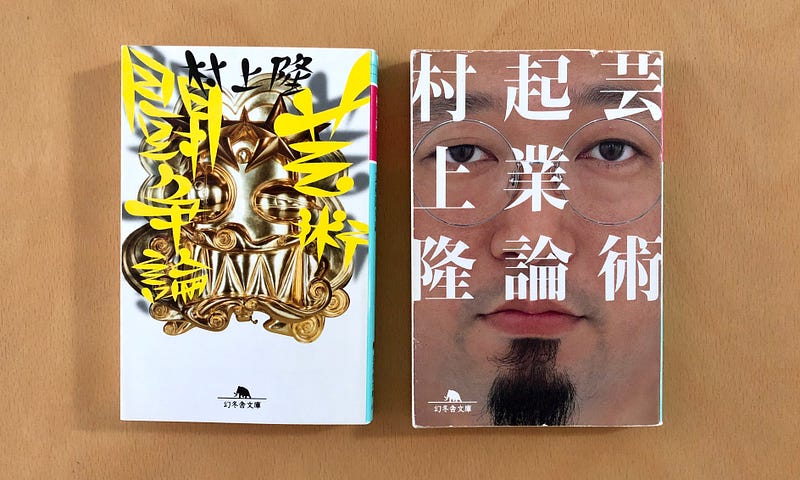
Murakami’s occasional exhibitions in Tokyo have brightened the cityscape but my first Murakami crash was his book, 芸術起業論 (The Theory of Art Entrepreneurship).
While I appreciate the novelist, Haruki Murakami’s unique writing, I can’t emphasize enough that the books by the artist, Takashi Murakami, need more attention from all over the world.
His timeless wisdom moved me so deeply that I ordered his second book 芸術闘争論 (The Art Struggle Theory) even before finishing his first book. I couldn’t stop earmarking the pages and highlighting so many passages such as this one:
Artists challenge the world even after their deaths. Whether one can gain attention and respect beyond death determines if one can become a maestro in art. Therefore, artists need to work for a future when they no longer exist.
This message was truly liberating for me. I was having a hard time with my articles receiving little attention while afraid of negative feedback on social media, but everything seemed insignificant compared to the core reasons why I needed to write.
Of course, what people expect from writers is often more time-sensitive than visual artists. Instant buzz and skyrocketing stats make writers euphoric. Yet the buzz only lives for a couple of days. If a writer wishes to grow beyond being a blogger, a longer-term mindset is a must.
What’s the point of continuing to generate AI-like articles only to earn pocket cash? We’ll be gone within the next 100 years, but as creators, our work will be still alive unless the platforms shut down or our family cleans up our mess.
If we want to be trailblazers, we can’t let people’s instant evaluations bother us. This mindset moved me profoundly and made me less anxious about people’s reactions.
Murakami also warns that if creators focus too much on what’s popular now it closes our eyes to the possibilities of the future:
If there is no negation or criticism, your work fits too perfectly into the present zeitgeist. In that case, we cannot create the future. Artwork only comes alive when it moves people’s emotions. For me, having both positive and negative opinions serves as a point of communication.
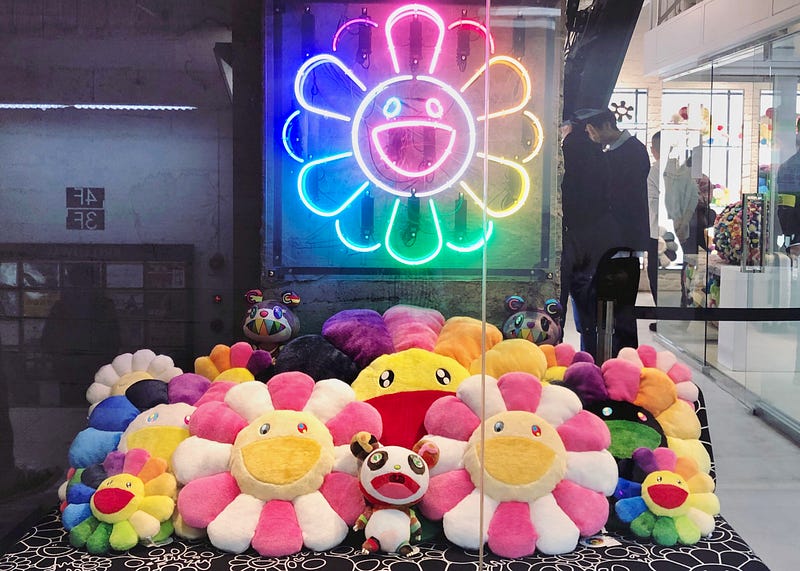
Murakami often refers to Andy Warhol as a successful model of self-branding for artists.
You may want to claim that Andy Warhol focused too much on consumerism and profit due to his materialistic themes and prolific work.
However, it is undeniable that Andy Warhol remains more influential than his rivals from the same era such as Jasper Johns and Robert Rauschenberg.
Murakami argues that inflating the rarity of artwork shouldn’t be justice. Instead, creating an ecosystem of dissecting and analyzing the artwork of the artist ensures that people continue to discuss it even after the artist passes away². This argument encourages creators to keep producing new work, not holding onto past success.
He actively educates new talent and holds events to promote younger artists, often ignoring profitability. This year, he is hosting a selfless festival named GEISAI on April 30 at Tokyo Big Sight. Surprisingly, no entrance fee will be charged.
Why not experience the up-and-coming art trends in Japan? You may find your new favorite artist.
Murakami is also planning to hold an exhibition to celebrate the 90th anniversary of the Kyoto City Museum of Art from February 3 to June 30, 2024³.
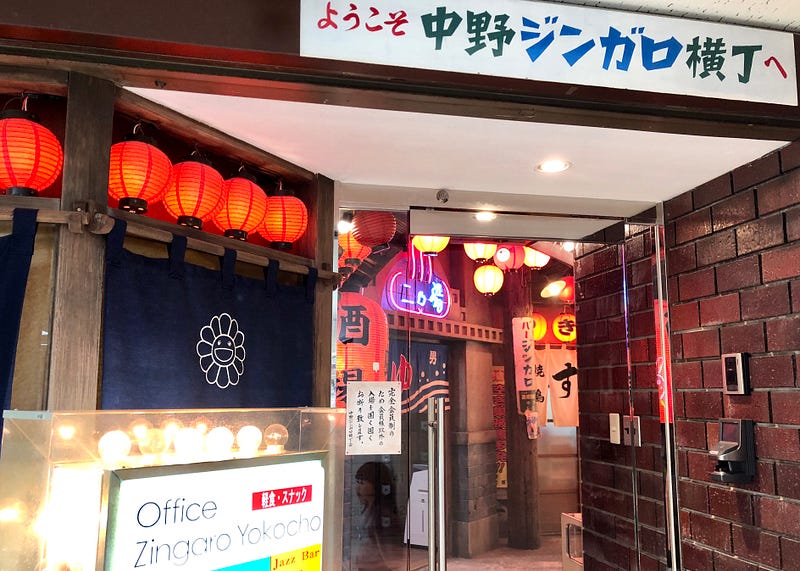
Even if your schedule doesn't allow you to attend these events, you can visit his galleries Tonari no Zingaro at Nakano Broadway and Kaikai Kiki Gallery in Azabu, Tokyo.
Want to read Takashi Murakami’s books? Unfortunately, these two books haven’t been translated into English yet.
Perhaps it’s a great time to start learning Japanese with my articles for The Japan Times. I’ll definitely keep writing in two languages to leave my thoughts in this world. After all, just as many artists chant, ars longa, vita brevis.