
Eustress, Complexity, Social Systems Design & Blockchain Tokenization
Eustress is “beneficial stress”. It is mainly used in the psychological/physical/biochemical disciplines to describe scenarios where introducing some stress results in beneficial outcomes, up to a point where it becomes detrimental.
In biochemistry, hormesis refers to: “a beneficial effect (improved health, stress tolerance, growth or longevity) that results from exposure to low doses of an agent that is otherwise toxic or lethal when given at higher doses.”
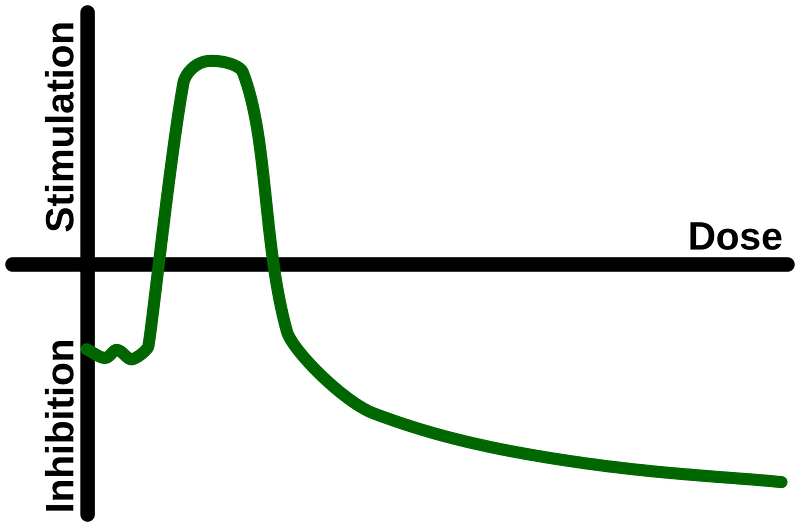
A classic example of this is the claim to drink some alcohol every day as it has various benefits (#sunsetwhiskey baby!).

It also occurs in toxicology with mithridatism, which is the willful exposure to toxins in order to develop an immunity to it.
Yerkes-Dodson found similar patterns when researching states of arousal and resultant performance of tasks.
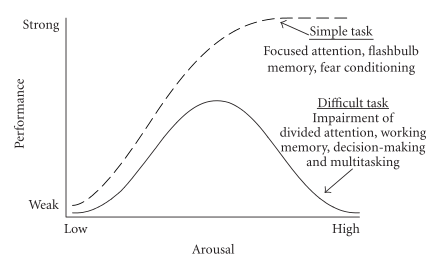
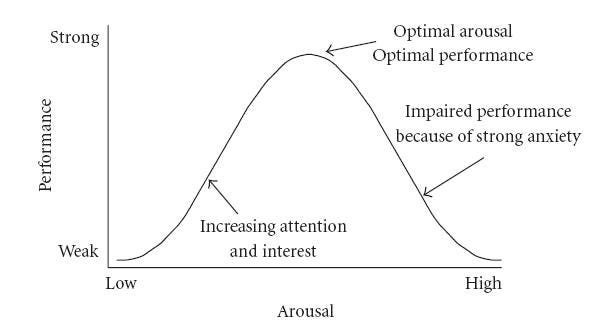
Now, the interesting thing here is, is that 2 months back, I wrote about whether your “dapp needs a token”.
In it, I posit that the value of tokenization around an interest group or protocol results in increased coordination because the act of adding a cost to coordinate, increases coordination (like equity).
I quote:
—
Thus, there’s increasingly marginal return at which point, introducing *more* fees (and complexity) would reduce coordination. Additionally, having extremely low fees might not produce enough incentive to bother going through the paces of the additional complexity. It is thus likely to look like some bell curve.
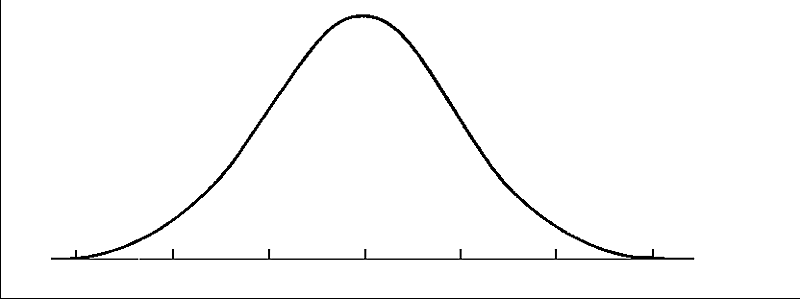
The cost to coordinate increases coordination, until a point where it starts to reduce coordination (this is a weird sentence, isn’t it?).
—
I didn’t know about eustress and the work of Yerkes-Dodson, but intuitively it seems there’s definitely a correlation. I tried Googling to see if this has been used social systems thinking or systems design thinking, but haven’t really yet found something. I feel there *should* be. I’ve often found that there is likely research on this, it’s just goes under different names in different disciplines. Or worse, there hasn’t been cross-pollination yet (like the example of a medical researcher discovering integration).
The closest comparison would be to Nassim Taleb’s anti-fragility and generically one could say:
A system generally responds favourably to specific stressors up to a certain point (depending on its design), after which the stressors negatively affects it.
Now, when you think about eustress in social systems, and systems of coordination, the patterns are similarly there.
A simple example is the entry price to an event. By having a ticket price, there’s a cost to get in. But because that ticket price is a barrier to entry, it increases social liquidity *inside* the event, because everyone “paid the price” to be in the same context. ie, I’m pretty sure I can strike a conversation with someone next to me about the DJ that’s playing vs asking someone in the street about that DJ.
Money itself is also a classic example of eustress that fosters coordination. Nick Szabo wrote about the origins of money, and why early collectibles fostered coordination. In a similar curve, the increasing cost to produce a collectible results in more coordination, until it’s not worth it anymore. It’s likely that depending on the desire for the scale of coordination that the optimal cost to coordinate increases: the curve changes.
It’s like the requirement of a stronger foundation when building a higher skryscraper. I’ve written previously on scaling social systems as a result of blockchain. Nick Szabo, in a lot more detail recently wrote a similar article. He describes it well ->
One important strategy for doing so was demonstrated by Satoshi — sacrifice computational efficiency and scalability — consume more cheap computational resources — in order to reduce and better leverage the great expense in human resources needed to maintain the relationships between strangers involved modern institutions such as markets, large firms, and governments.
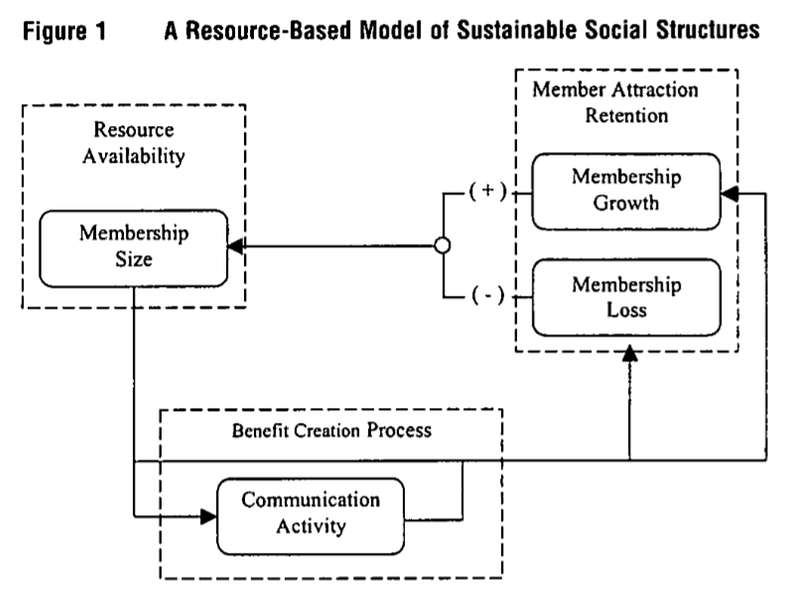
Depending on the type of coordination we want and depending on the design of the coordination tool, it’s likely we can invent an algorithm that optimally fosters that coordination through introducing stressors at the optimal times.
This has been what a lot of my thinking on meme markets & continuous token models have recently been about. What is the optimal eustress and design we need to build to rapidly roll out opt-in coordination around global shared goals? We can suddenly scaffold millions of collectibles with a proven difficulty to produce (“known” requirement of stressors) around common goals. Strangers could coordinate on scales we haven’t seen before.
More thinking:
It’s clear I’m stumbling through all this. If this triggers anything relevant that you think I should research/know, please send it to me!
Thanks:
I was busy with thinking about a new continuous token model design in the direction that Maciej Olpinksi is developing with Userfeeds (design: mint tokens according to an algorithm and then use that new token as a bond to information in order to signal/curate that information with a specific hashtag).
I stumbled upon his mention of hormesis in his recent article and realised the curve looked quite familiar, causing me to stumble down a very interesting rabbit hole. Cheers!


