“Ethos” Is The Best Turkish Series Netflix Has Ever Commissioned
When I do have a ton of deadlines, I have a tendency to escape from all of this heavy burden of work. I need to grade a hundred projects, prepare a couple of brand new teaching sessions, respond to tens of emails, meet a couple of my students, shoot videos for my YouTube channels, and feed my Medium profile with fresh articles. There is always this feeling that I cannot quite keep up with all the things that come up. I have a ton of deadlines, responsibilities, tasks, and never-ending to-do lists. I feel exhausted even though I have not yet even started my workday. It is a constant sense of anxiety and overload. So, what do I do?
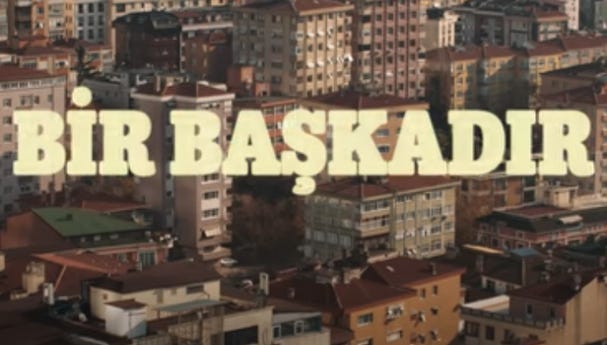
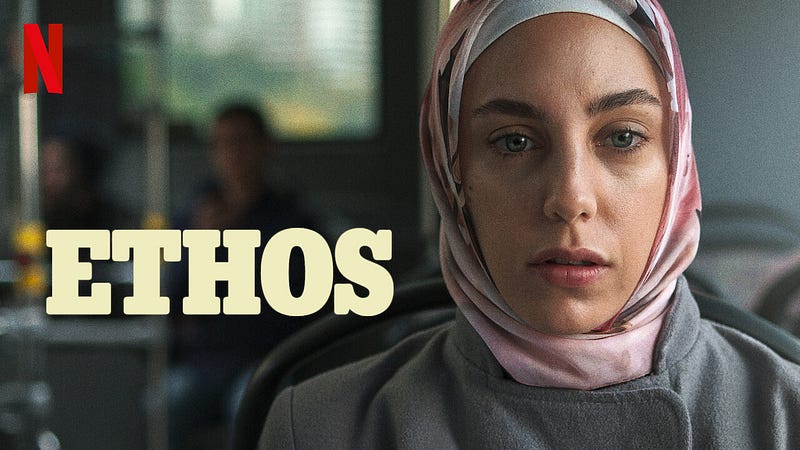
Well, I do have a personal history of procrastination. Of course, I did what is most sensible to do: Escape all my work and indulge myself in the world of binge-watching! When I heard all my friends and my wife Sertac raving about “Ethos” (Bir Başkadır), I found myself binge-watching this series last night. It is a very different beast indeed — radically different from all the other Turkish dramas I have watched until now. And I am an avid watcher of Turkish dramas, and I have never come across anything quite like this one. You can see the trailer here. It does not give much away.
It just takes a few hours to watch it: 45 minutes, 8 episodes. Much shorter than a typical Turkish drama episode (a typical Turkish drama episode is about 150 minutes!).
Ethos is one of the most insightful and nuanced representations of the diverse segments of contemporary Turkish society I have watched. When you go deep into the psyche of each individual — with the trappings and the biases — you reach universal themes of alienation and trauma, arrogance and othering, as well as healing and mutual understanding.
In particular, my wife and I marveled at the natural subtleties and cleverness of daily conversations between characters who come from different worlds. Most of the conversations end up going nowhere because no one is really ready or willing to understand and empathize with the other. In addition, there are too many human cliches, trappings, and biases that plague each of these conversations.
Meryem, acted by Öykü Karayel, is a daily cleaner who sees Peri, a therapist who comes from a different socio-economic background. The film starts with this encounter and casts a wide net into a multitude of characters tied to one another in unexpected ways in the mosaic of Istanbul. Each character is unhappy in their own way, deeply buried in anxieties, contradictions, biases, dilemmas, and shortsightedness. The characters are also trapped in the ugly concrete jungle of the metropolis.
You need to look beyond the surface to explore what lies beneath an individual’s socioeconomic background, style of speech, profession, title, education, clothing, and other labels. Everyone seems to be plagued with prejudice and fear. Everyone is struggling with their own troubles, shadows, and demons. That is what connects them and makes them human.
It is pointless to try to prove why you are right and the other person is wrong. At the moment that you judge the other person, you stop learning. At the moment that you deeply understand and empathize with the other person, you get a grasp of the complexity, contradictions, and beauty of the human condition.
Instead of pouring boiling water on the coffee at the risk of burning it, you need to be patient with it. The same with human emotions and judgment. It will get better if you cool down a bit. Wait a little more before you harshly judge the other. Try to see the human side and what unites or connects you.
I loved the colors, fonts, pictures, tones, and style of this artful drama. It feels eloquent and simple, graceful and brutalist, local and transcendent, nostalgic and contemporary at the same time. It is a feast for the eyes and the soul.
The soundtrack of this series deserves special recognition. Ferdi Özbeğen is a Turkish fantasy music artist I loved listening to since I was a boy. Listening to “Gündüzüm Seninle” in this series (below) has been an emotionally arresting experience for me. I cannot quite describe it, but it somehow beautifully captures my youth and my roots. Perhaps it perfectly embodies and blends the very Turkish emotions of keyif (joy)and hüzün (grief).
My final words: Netflix has commissioned several high profile Turkish dramas until now. Ethos is the best one among them by far. Give this Turkish series a chance, and you will not be disappointed.


