HEALTH AND FITNESS
Essential Exercises That you can do During Lockdown
Do you have cabin fever? Here are three simple, but important life exercises to release much-needed endorphins
A few years ago I started writing a book called Essential Seven. It’s a book about the seven critical movements I learned during my 14 years as an elite swimmer. Movements we can all introduce into our everyday life, which I described in my article Important Exercise Lessons for lockdown Crisis.
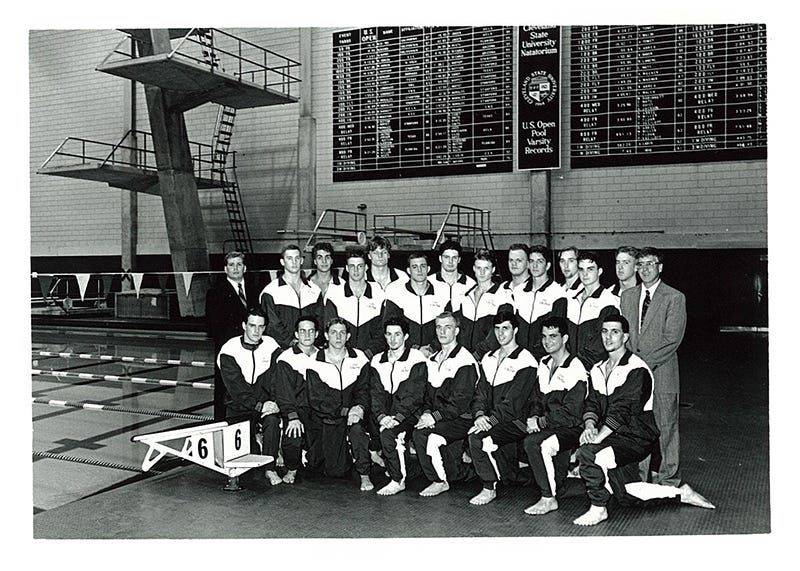
During my research, I roped in my good friend Stephen to be my resident expert. Stephen kindly agreed to demonstrate each movement, as illustrated in the relevant section below.
This article is an extract from the Essential Seven, detailing three simple exercises to maintain your physical strength in lockdown.
Deadlift
The deadlift uses all your lower-body muscles with emphasis on your powerful hamstring and gluteal (bum) muscles that straighten your hips.
It’s performed by bending over an Olympic bar, as illustrated, and lifting it off the floor, driving with your legs and straightening your body at the hips.
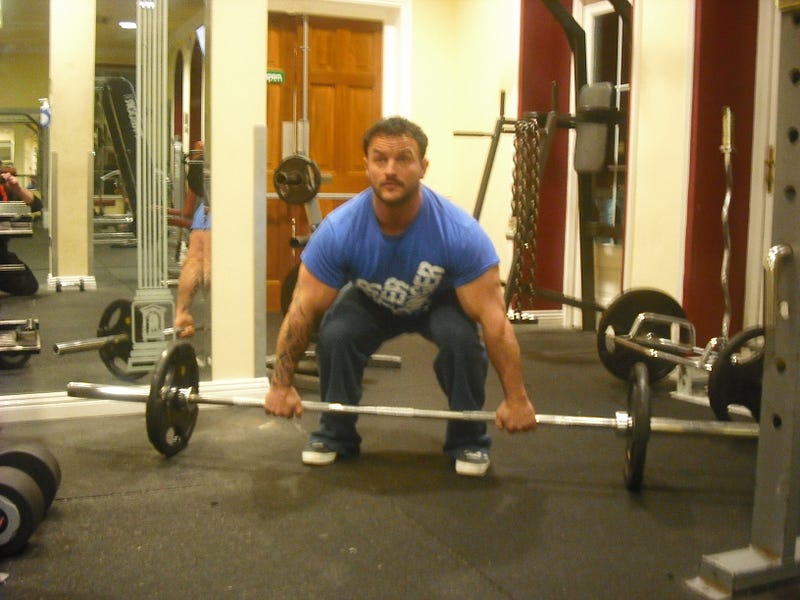
Your lower back also plays a crucial role in stabilizing your body while bending and straightening, along with your core abdominal muscles. Note that Stephen shows the under-over grip for this movement too, for improved grip as shown below.
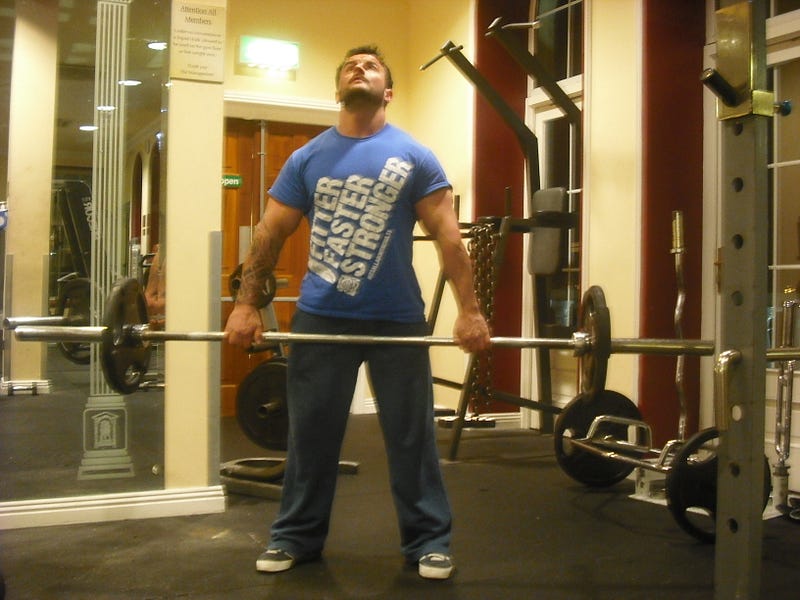
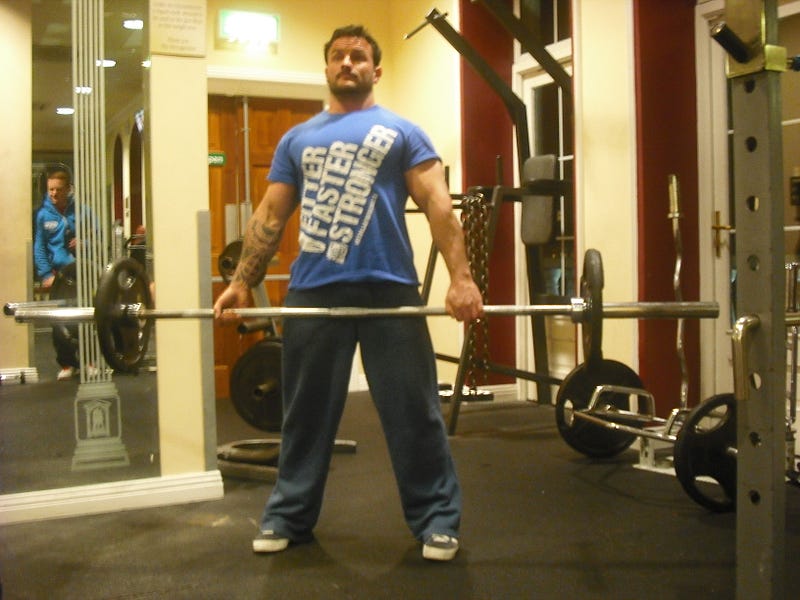
Your trapeziums (the diamond-shaped muscles from your neck to your shoulder blades into the middle of your back) also play a key role in this exercise due to the fact that your shoulder blades must pull together in order to complete the movement.
Also, your hands and forearms are worked by gripping the bar to ensure that it doesn’t slip from your grasp.
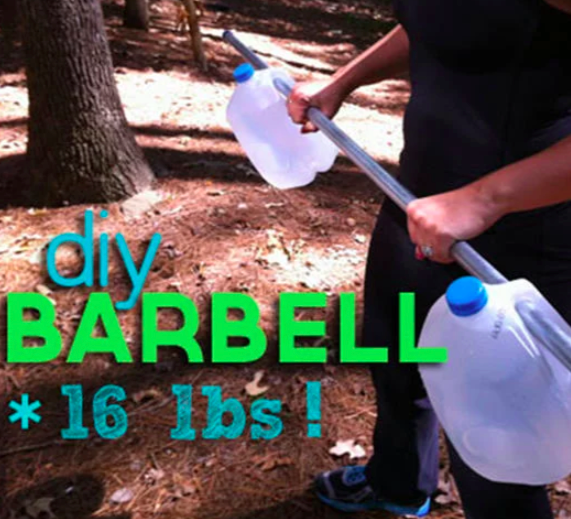
I have weights at home. If you don't, look around for materials and make your own barbell. Simple household items like a broom handle and two milk containers are as good as anything.
Practical application
Throughout life, we often need to lift heavy items off the ground so the deadlift is perhaps the most useful exercise you can do in the gym or at home.
If you think about it, lifting a sleeping child, picking up a box the twisting or even rearranging furniture are examples of everyday life activities that require strength that the deadlift develops.
Squat
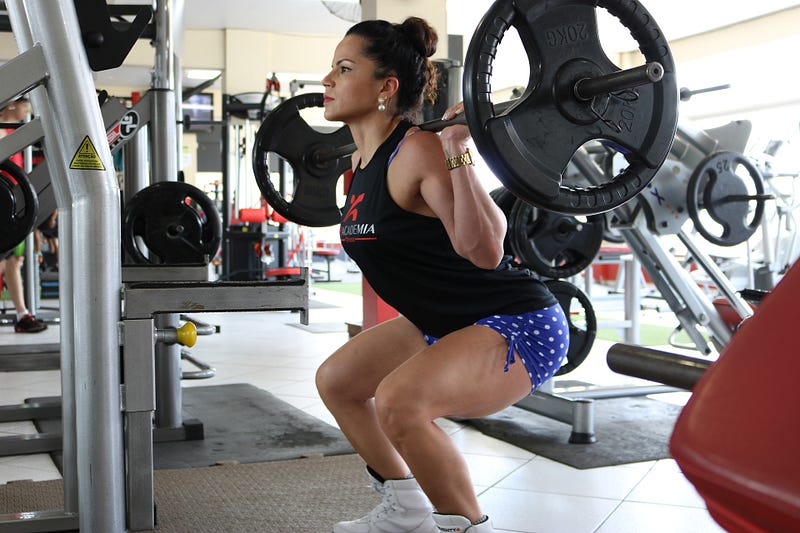
At the gym, the most popular version of the squat is where a barbell is positioned across your shoulders. This exercise may also be carried out with dumbbells down at arm’s length, but this is more awkward as you have to push the dumbbells out slightly from your sides to stop them from hitting your knees during extension.
Using heavy weights will cause you to use upper-body muscles to work more so it’s important to find the right balance to ensure that your lower body is worked effectively.
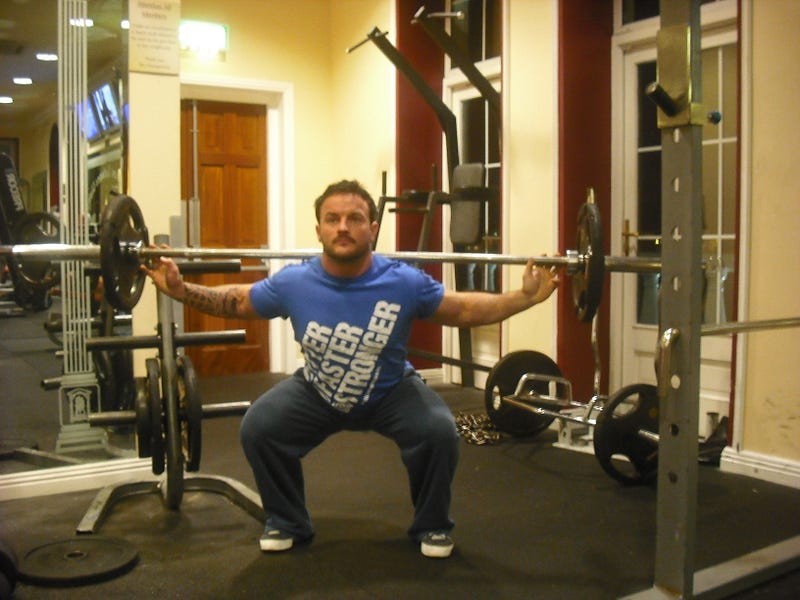
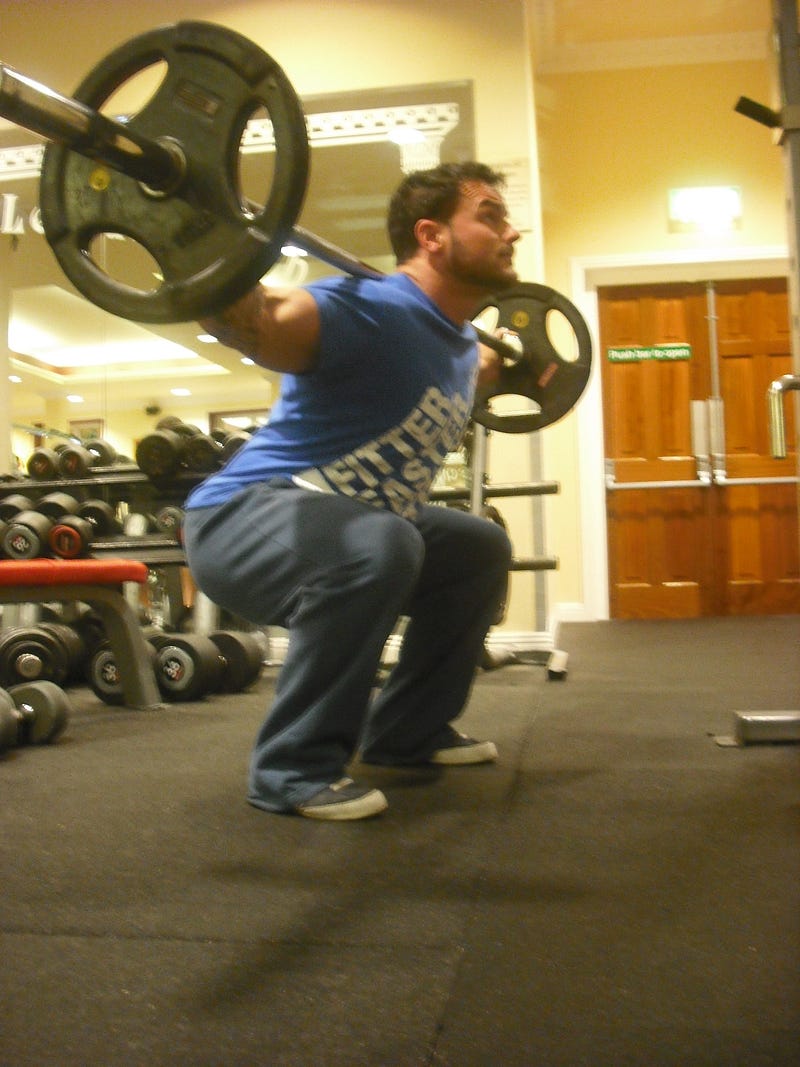
Like the deadlift and the squat uses virtually all the muscles in your lower body in a single movement. The biggest challenge is to your quadriceps, the muscles at the fronts of your thighs. Your quads are responsible for straightening your knees when they’re bent.
If you are a beginner I would recommend using the bar alone, without any weight, to achieve the correct form. Following that you can add weight to increase resistance.
Practical application
All coaches and fitness trainers know that to increase an athlete’s jumping ability, the squat is the most effective exercise. Studies have shown that the squat exercise increases your vertical-jump height which is a basic human movement.
Jumping is important, even beyond our school years or athletic days.
Fast forward 20, 30 or 40 years from now, suddenly nature calls. You try to get up, but you can’t. Without having developed lower-body muscles throughout your life you may struggle to summon the strength and power to get yourself out of a chair. Nature will call whether you have the strength to get up or not.
Okay, I know you aren’t going to hit the gym today in the worry that in a few decades you may not be able to lift yourself off the couch. But, be aware that gradually over time you will lose strength and power until you have trouble carrying out some basic movements.
Regular strength training maintains your core strength for life.
Lunge
The lunge is performed by holding weights at your side or a barbell across your shoulders, lunges may also be done without weights.
From an upright position, with your legs shoulder-width apart, take a long step forward descending until your rear knee is about 1–2 inches from the ground. Next, you push with your leading leg stepping back to your starting position. Alternatively, you can step forward, so mix it up.
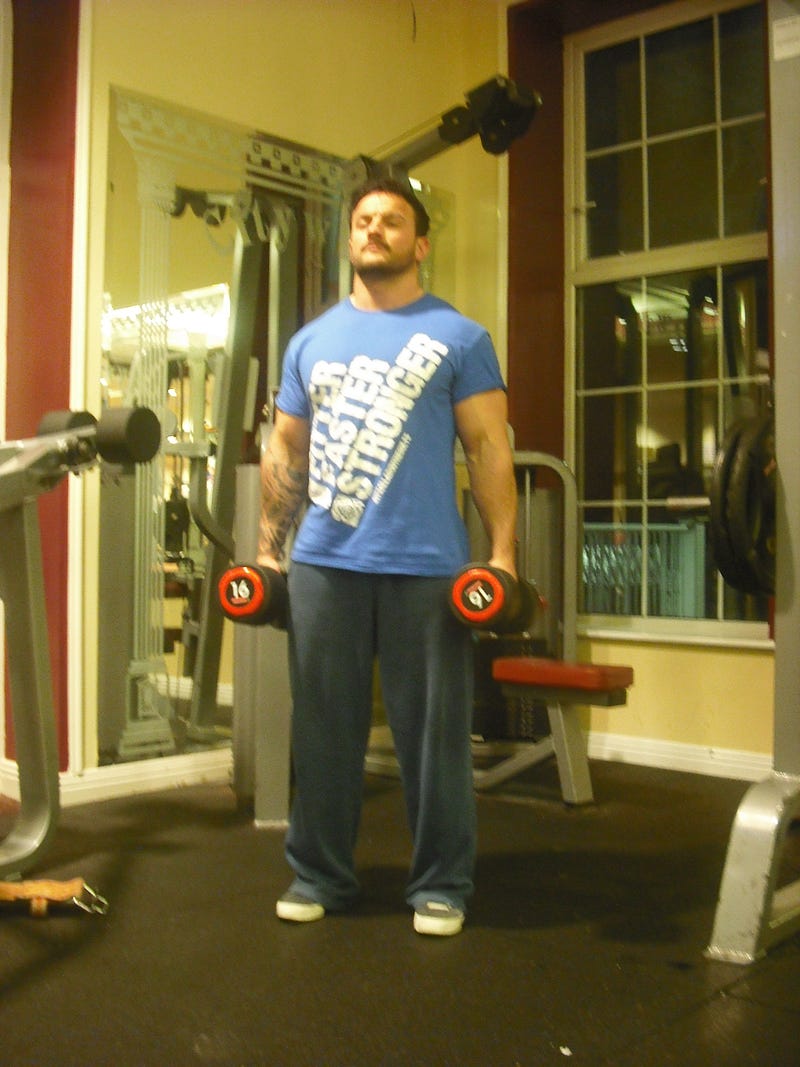
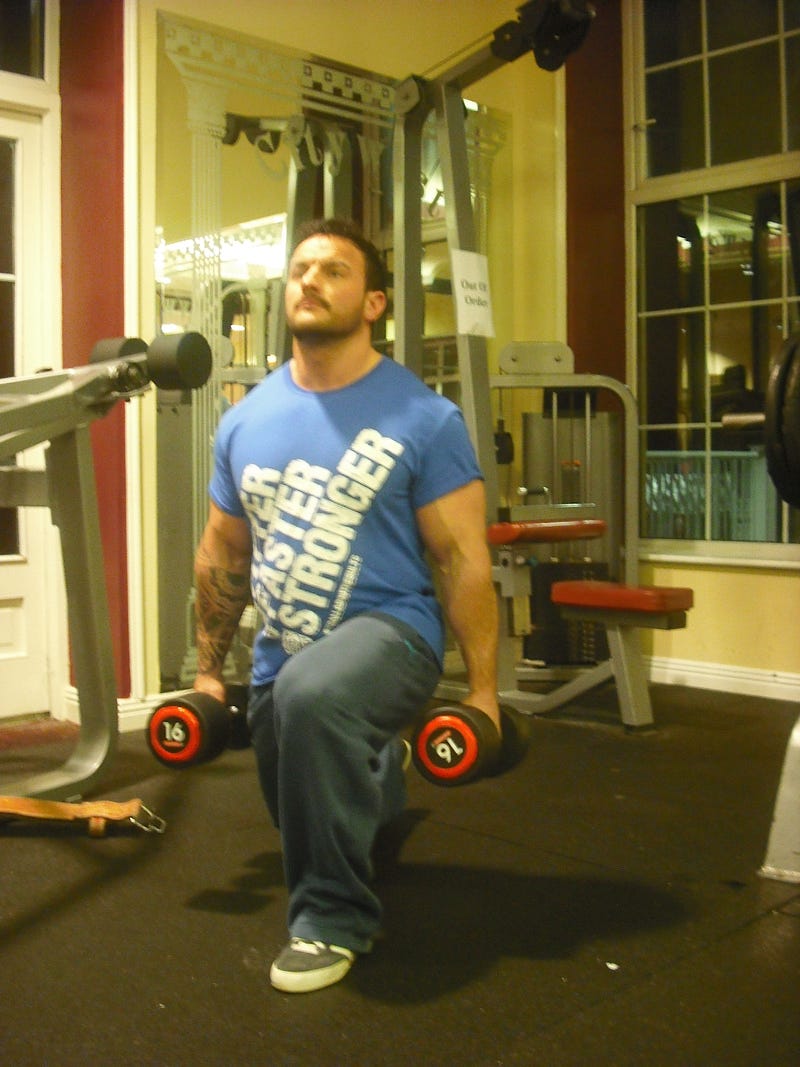
Variations of this movement include the ‘split squat’ whereby you start the exercise with one leg already leading before lowering yourself then rising again without stepping.
Also, a ‘step-up’ is performed when you step up onto a platform or box.
The positions demonstrated by Stephen in the images above show both phases of this exercise. Again note that his leading leg bends 90° at the knee, his upper and lower legs are at a perfect right-angle.
The lunge engages the same muscles as the squat and deadlift but in a different way.
The main difference is your ‘hip flexors’ at the front of your pelvis. These muscles raise your thighs up, in front of your torso, working in coordination with your quads and gluts.
Your body was designed to move. Your body creates energy and energy must move, change shape or form — it’s a rule of nature.
Spending too much time sitting leads to your hip flexors (and indeed any other muscle) to become tight, stiff and lock up. The tighter your hip flexors, the harder it is to jump, take a long step forward, back, laterally or diagonally.
Lunges force these muscles to stretch and contract quickly which increases suppleness and flexibility, equally as important as strength.
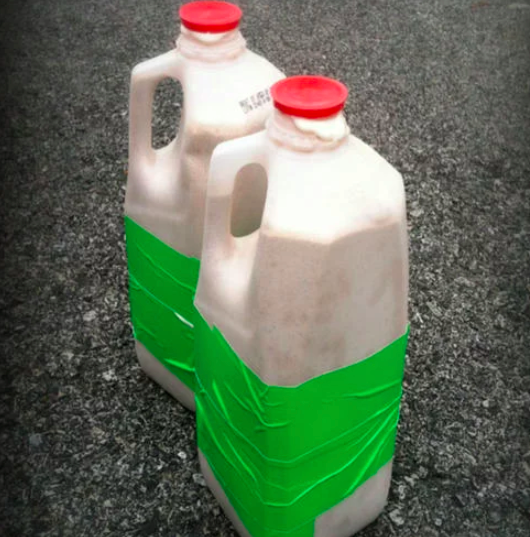
If you don't have dumbells at home, get creative. Find some empty cartons and fill them with water, sand (wet is better) or even concrete.
Practical application
The vast majority of sports benefit a lunge movement whether it’s forward, back or to the side. Think about it — a swimmer, runner, cyclist, footballer, baseball-player, and the kick-boxer…the list is endless.
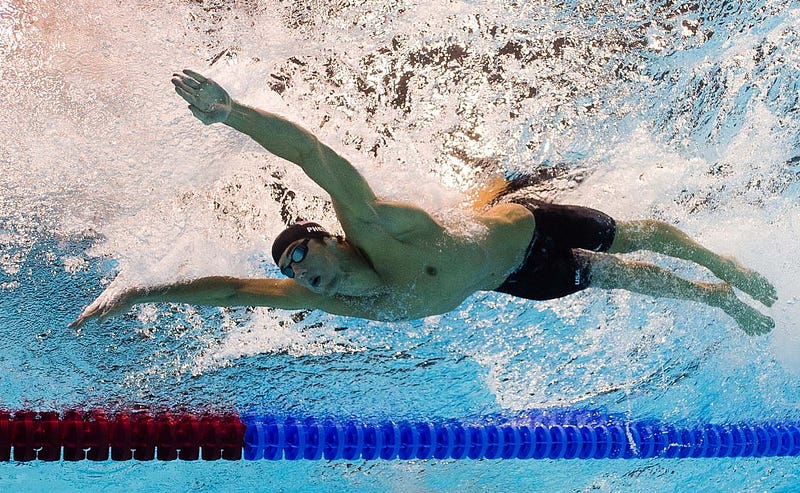
A swimmer turns at the end of each length of the pool rapidly moving his/her knees into their torso to facilitate the required pivot at each wall.
A Sprinter takes powerful strides to accelerate.
Likewise, a footballer makes lunging movements in all directions when challenging for the ball or just holding possession.
The lunge is crucial to your everyday physical well-being.
Short strides result in less mobility and agility as you age which can lead to falls and injury. Therefore, by implementing lunges in any exercise regime (with or without weights) can only add to your longevity.
Final thoughts
To recap, below are three takeaways to think about and action during this lockdown.
- Deadlift, squat and lunge are three primary exercises that we can do anywhere at any time.
- Get creative and make your own homemade barbell and dumbells.
- Move more and exercise often.
By doing these exercises at least 3 times a week you will not only maintain your physical strength, but you’ll also boost your mental health. Tune in next week when I’ll share the remaining four movements with you.