
Epic, Amazing, Beautiful Treks and Hikes Delighted Rave Reviews
Thrilling, Awesome, Fantastic, Mind-blowing, Eye-Opening Opportunities Abound— Article 1 of a 2-Article Series
I would love to thank Sahil Patel for the writing prompt I used to create this article. He provided the prompt in his article titled https://readmedium.com/unveiling-natures-whispers-the-profound-power-of-trekking-in-the-wilderness-f8faef804521. He is an experienced nature writer, and I enjoy reading his articles and writing articles from the prompts he gives.
The prompt he provided was to Write about the transformative power of trekking in nature. Share the stories of your trekking experiences in nature and how they helped you transform yourself. One of the guidelines he used was to use Thrilling Trekking Experiences as the prompt.
Introduction
To ensure that we understand the differences between trekking and hiking, we need to start with a definition of trekking and compare that term with hiking. These terms are not interchangeable, and they have separate meanings. Hiking is a long, vigorous walk on footpaths or hiking trails that lasts for a couple of hours, one day, or overnight.
Trekking involves vigorous and long walks on countryside footpaths and trails. Trekking lasts multiple days and is often in the wild environment off hiking trails. These terms and others are used differently in various countries to denote different meanings.
Hiking and Trekking
For example, trekking denotes multi-day hiking in Pakistan, India, Nepal, South America, North America, and Iran. In the UK and Ireland, “walking” indicates all walking forms, whether short walks in parks or extended backpacking trips in the Alps. Another example is New Zealand, where active walking is “tramping” for longer overnight trips. Also, in North America, multi-day hikes with camping activities are termed “backpacking”.
Differences
Trekking lasts at least two days, while most trekkers have a clear destination planned. These trekkers are willing to traverse thousands of miles on a single trip. Hikes are much shorter and don’t require overnight camping. The journey is at most two days. So, one clear difference is the length of time for these events to take place.
Terrain
Another difference between trekking and hiking is the terrain — hikers set out on marked trails, walking over hills and mountains through forests and well-known natural environments. Trekking journeys can be on unmarked paths sometimes. Trekking provides more significant opportunities to experience untouched or undiscovered scenery.
Hikers use a base situated on one specific spot. For example, hikers can camp in a nearby cabin, hike to a scenic area, and return to the starting point. Trekkers don’t return to the previous locations and emphasize what lies ahead. When the trekkers stop, they change their base to another place.
Required Equipment
Hikers can purchase good boots or shoes and bring along a couple of spare clothing items to handle unexpected weather or temperature changes. Sometimes, that is the equipment required. If the trip is going to last most of the day, it’s a good idea to bring along a backpack to keep food, water, and other necessary items in to bring along. Most of the time, the hiking paths are marked, so maps and compasses are unnecessary.
Trekkers require more equipment. A good package includes a compass, map, sleeping mats, sleeping bags, walking poles, waterproof jackets, and fast-drying clothing.
Trekking demands physical training, fitness, and stamina. It also requires preparedness to travel for weeks without stopping for an extended time. The trekker’s trip takes up much time, and you will traverse different terrains. Hiking is much easier to do. Hiking also offers more flexible choices. Many hikes provide information about the trail and the physical ability required.
How Trekking and Hiking Are Alike
How are hiking and trekking alike? Physical and mental boosts are comparable with either of these choices. Some of the outstanding health benefits are:
Lower heart disease risks and improved blood pressure
Improved fitness
Both burn calories
Both improve your health by reducing stress, anxiety, and depression.
Beautiful scenery can improve your mindset and reduce worries.
Sunlight provides vitamin D that increases attention span and focus, which helps deliver more creativity.
Best Benefits
Some of the best trekking benefits include:
Direct and hands-on cultural experiences.
Potential to make many friends as you travel.
More Independence and a strong belief in your capabilities through challenges
Personal Hikes
I want to shift gears now and let you know about some of the hikes that I have been on. Most of the walking I have done would be considered hiking, as per the definition provided in this article. I have been fortunate to have been able to live in so many different places where I could walk.
I have lived in Ohio, Colorado, Virginia, Minnesota, Texas, Guam, North Dakota, Hawaii, Alaska, Portugal, and Florida. Most of these states/territories/countries have marked trails, so hiking along those trails is available for anyone in moderate health conditions. Some of these locations were special memories as I walked with family and friends. In some areas, hiking or trekking was either not done or uneventful, and I don’t remember it.
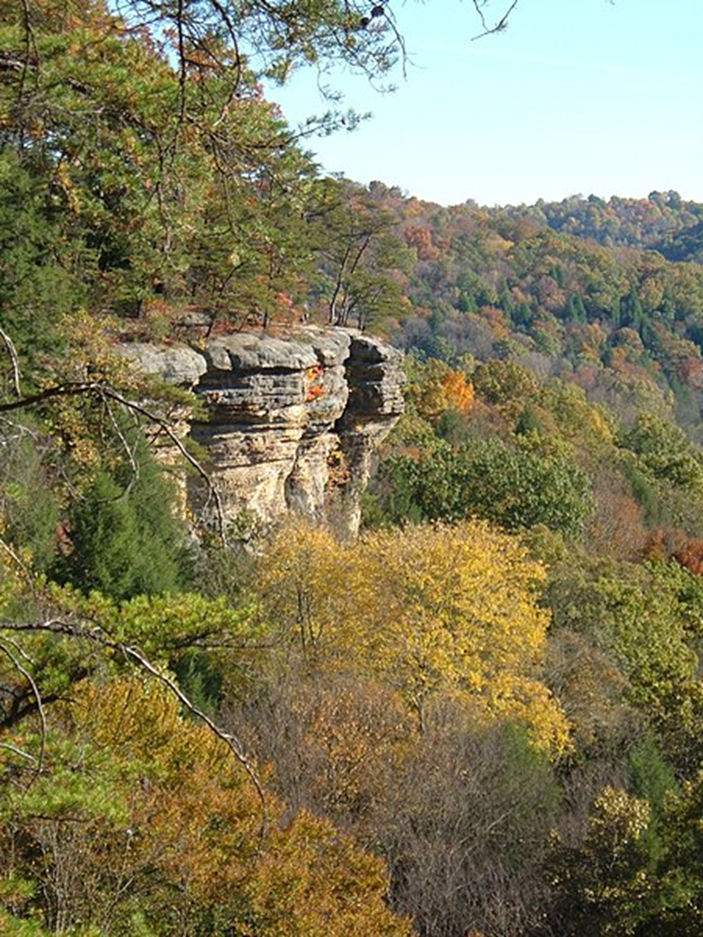
Ohio
While living in Ohio, when I was a grade school age, my siblings, mom, dad, and I went to:
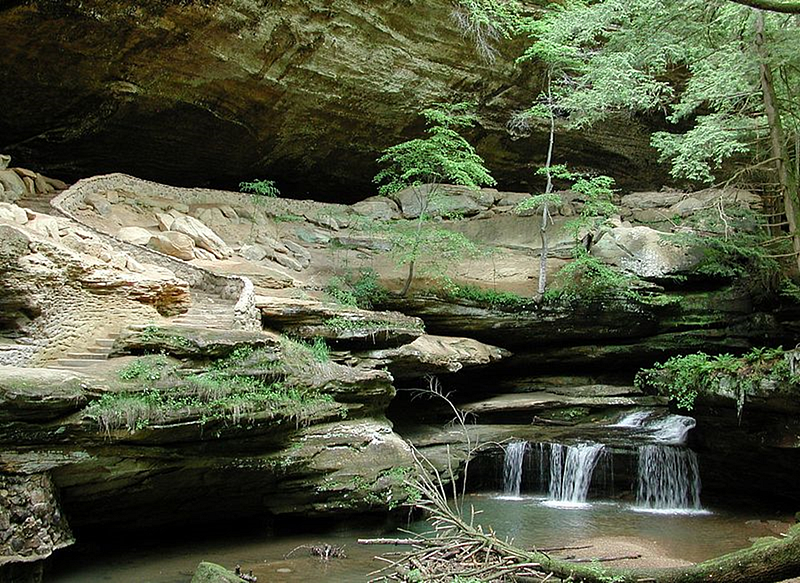
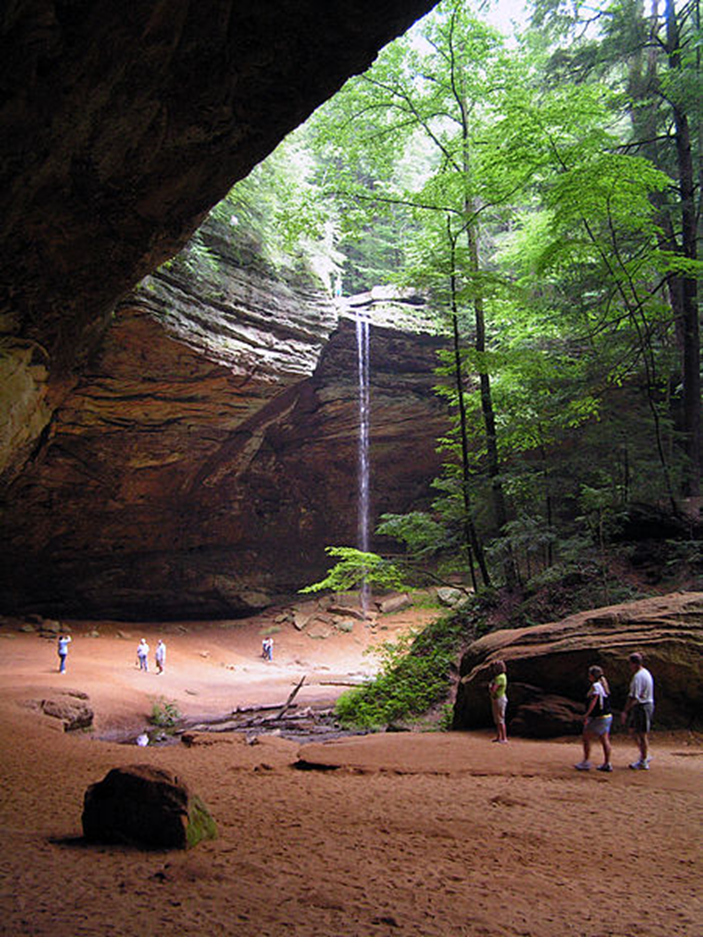
Hocking Hills State Park (25 miles of hiking trails), including Old Man’s Cave
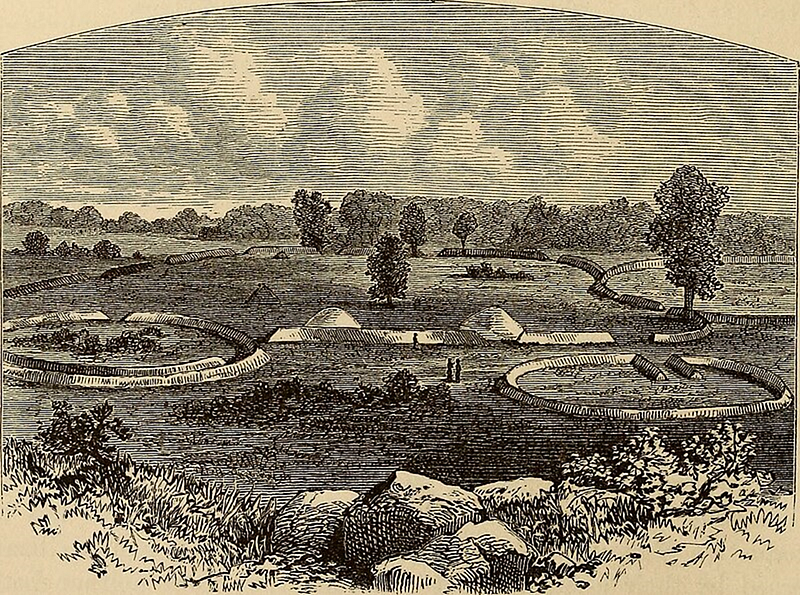
We also visited the Ancient Ohio Trail in Newark, Ohio. This location was a significant center for ancient culture. American Indians built the largest geometric earthwork complex in the world here. Walled roadways connected the builders of these enormous enclosures across four square miles. The location of the earthworks was along the Ohio River.
This place marks people’s beliefs, rituals, and sense of community. A visit there today would allow you to see fragments and walk among the trees, and the shapes let you experience how the Indians feel when they direct their eyes and footsteps. The Octagon and the Great Circle are two features that draw considerable attention.
These features allow visitors to grasp the stunning architecture’s unbelievable scope, beauty, and precision. Visitors can view museum artifacts and browse and purchase items in nearby shops and artists’ studios.
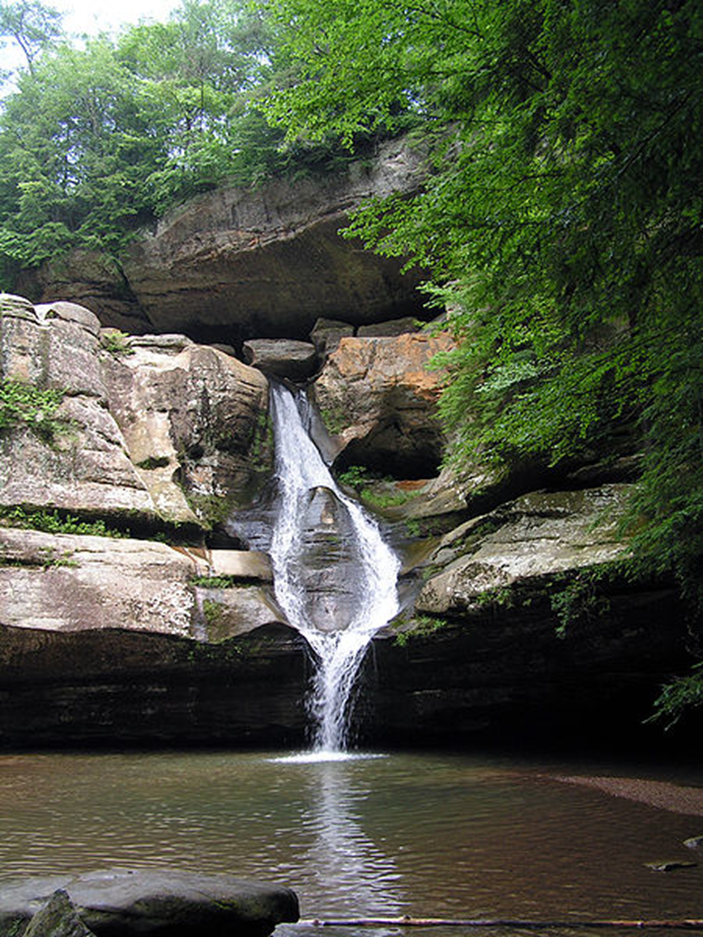
I remember Ohio having beautiful hills, rivers, trees, bushes, and rock formations. Also available here is a 12.3-mile loop that allows you to visit Old Man’s Cave, Cedar Falls, and Ash Cave. This trail is considered one of the best in Ohio.
Colorado
While living in Colorado, I still lived with my siblings, mom, and dad. Our family took many short excursions to see things within the state. Many of these locations had hiking trails we could and often did walk down.
These were day hikes with little need for much more than a bottle of water and perhaps a little something to eat, the real comforts we took along. The scenery was more than impressive.
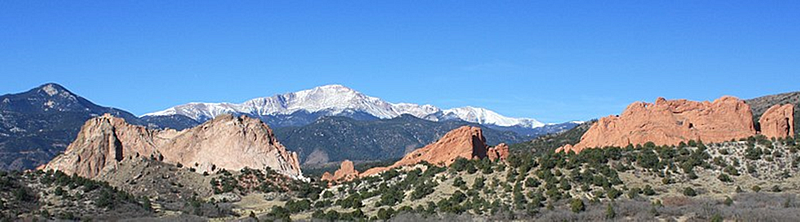
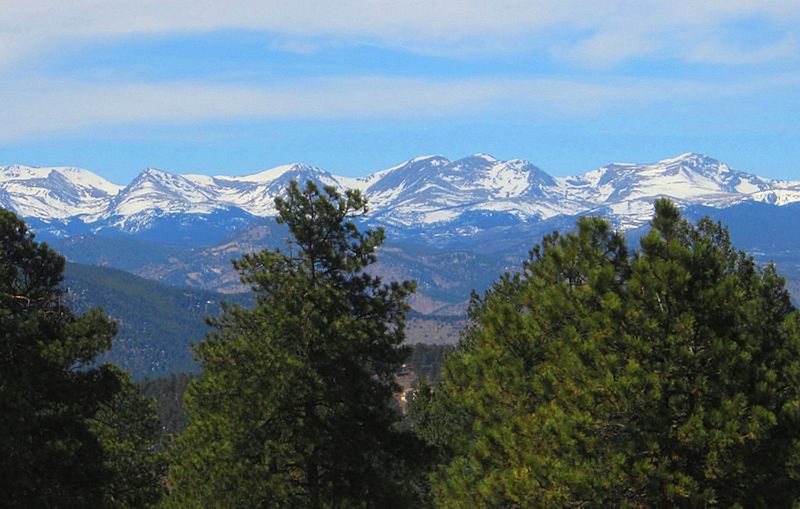
We went to mountain towns/villages that had been there for many years. We were able to visit mining sites and climb several mountains. I learned from my dad that certain conditions, such as terrain, wildlife, and weather, needed to be considered.
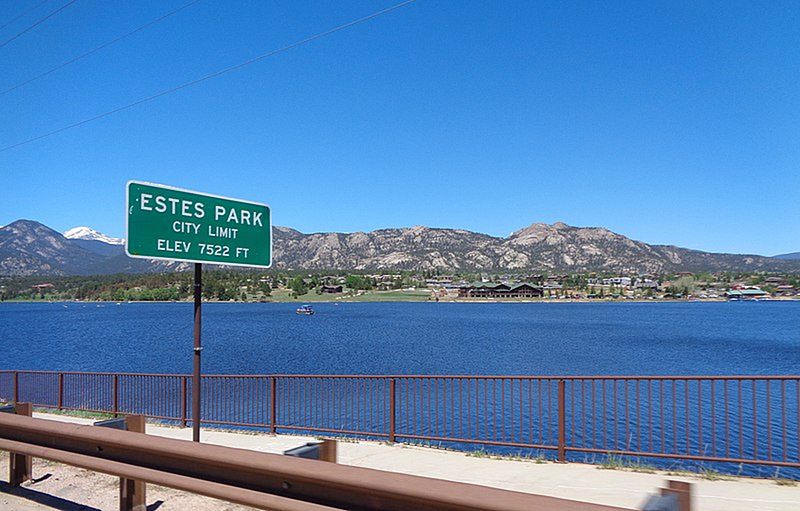
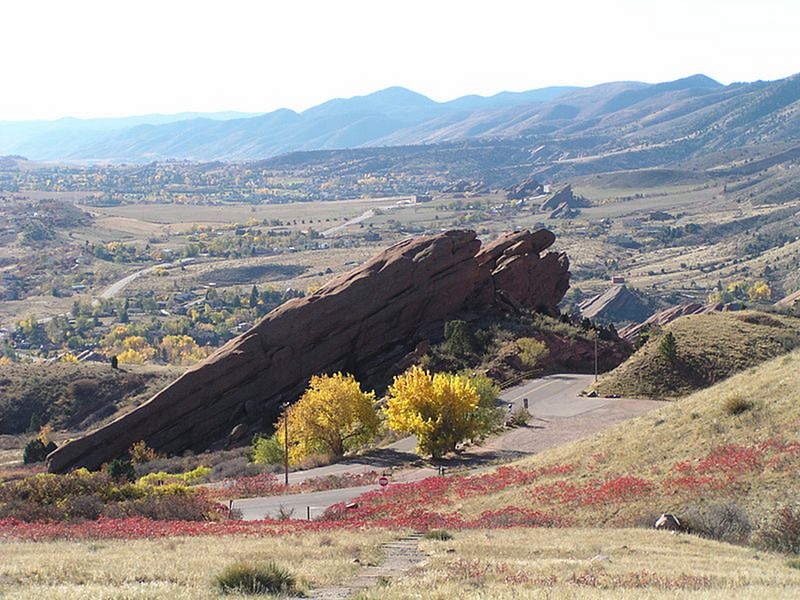
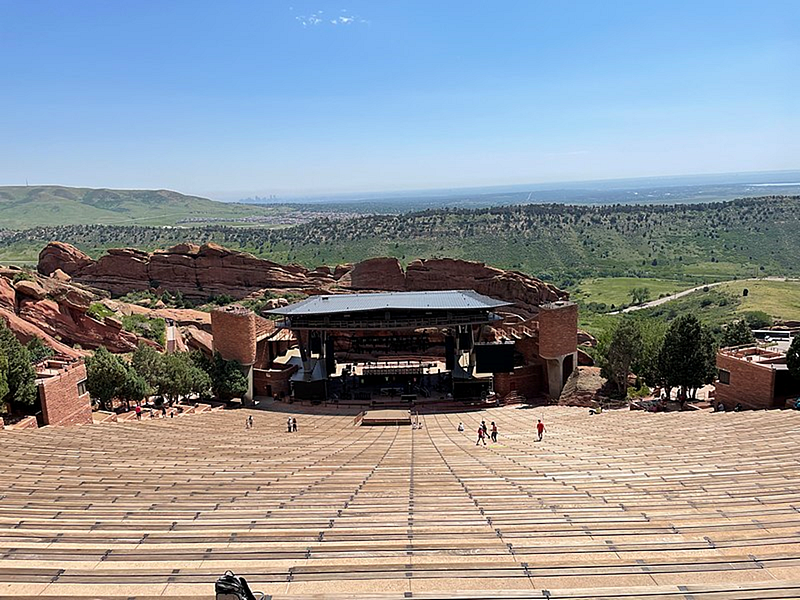
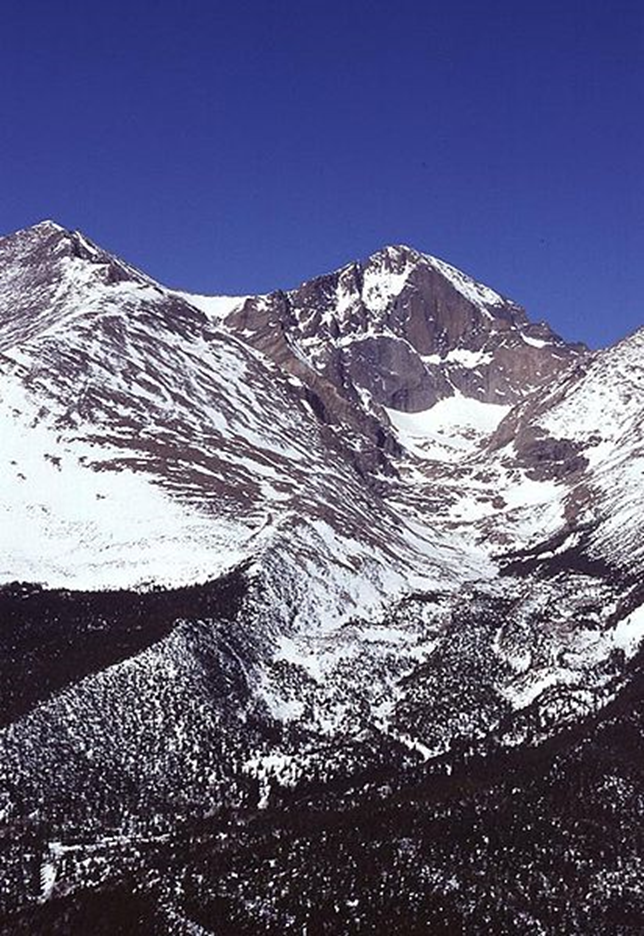
We also visited The Red Rocks Park and Amphitheater, Rocky Mountain National Park, and took many trips to Estes Park and Eldorado Canyon State Park. We went to Pikes Peak and enjoyed walking on trails there. We hiked the picturesque trails and learned how to enjoy the scenery.
We went to the Great Sand Dunes National Park and ran up and down the sand hills, Mesa Verde, and saw the Cliff Palace.
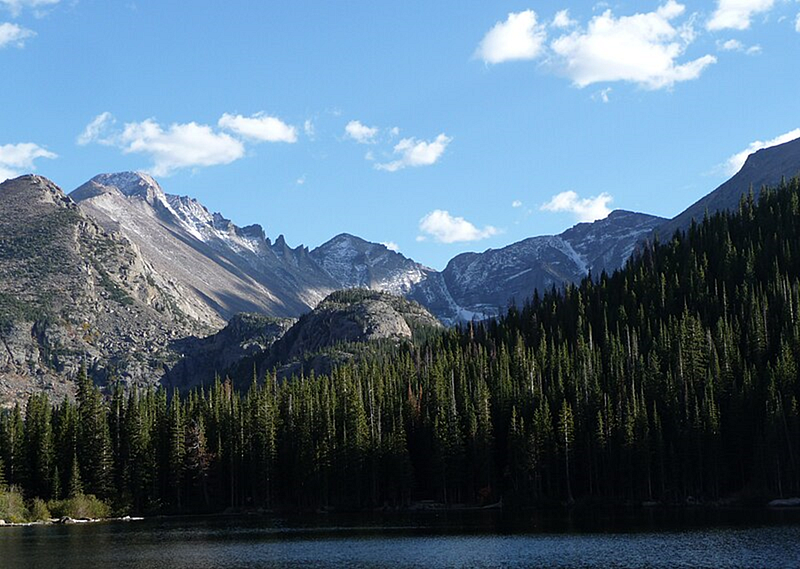
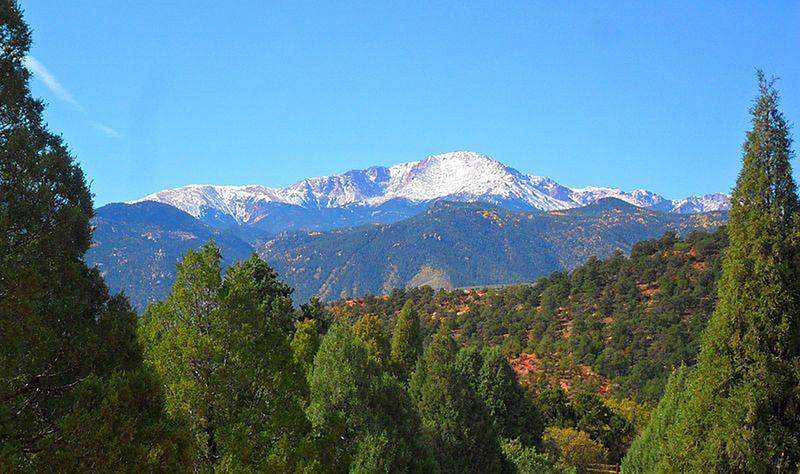

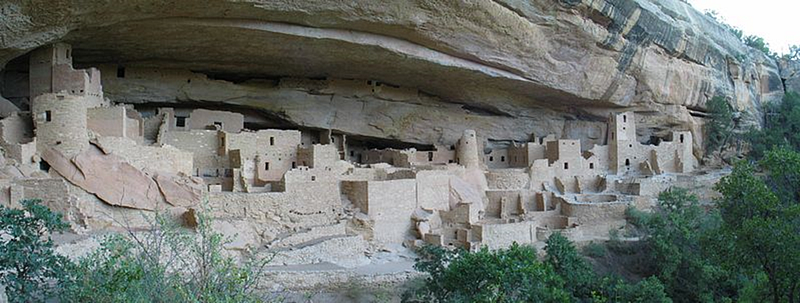
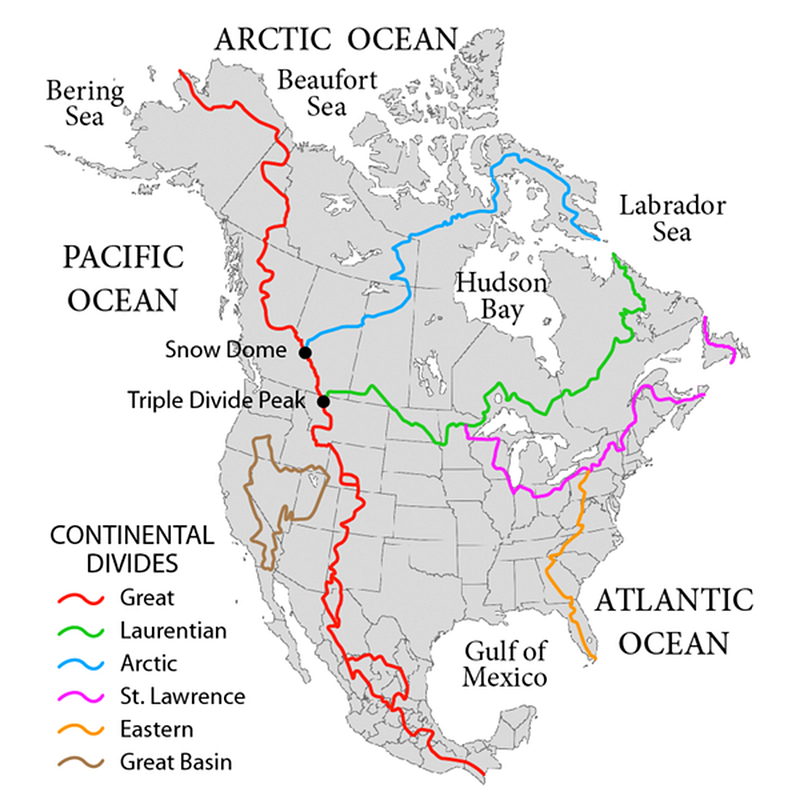
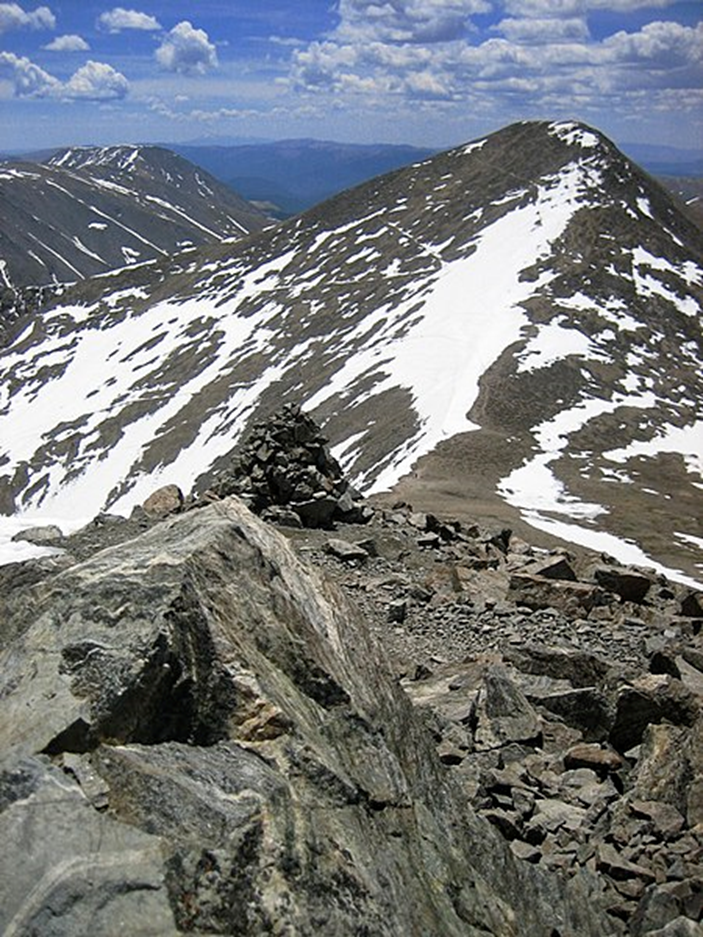
We drove the Continental Divide of the Americas (Continental Divide); this divide follows a line of high peaks along the main ranges of the Rocky Mountains. If you are a flat lander, this drive may terrify you.
We hope you have enjoyed reading this article. We looked at an introduction, hiking and trekking, differences, terrain, required equipment, how trekking and hiking are alike, best benefits, personal hikes, Ohio and Colorado.
To get the maximum enjoyment of the information I am presenting, I broke a long article into two medium-sized articles. This is the end of article 1, and we hope you will follow us to article 2 for the rest of the story.
Thanks for reading this article, and now we move on to the rest of the story. Article 2 will have the same title and subtitle, except the article you read is marked Article 1 of a 2-article series. Article 2 will be marked as Article 2 of a 2-article series.
I would love to give a Big Shout Out to Vidya Sury, Collecting Smiles for her article titled https://readmedium.com/i-have-learned-to-find-joy-even-in-hard-times-13c8da46e11d. In this article she shares with the reader on what the person can do when feeling down. It is a great read; she did an awesome job writing it. Good job, Vidya!
I would love to give a Big Shout Out to Marianne O for her article https://readmedium.com/trekking-among-the-redwood-trees-in-muir-woods-a-sanctuary-experience-b62b78562583. She speaks about the redwood trees and Muir Woods. The pictures were outstanding, and her area of knowledge is evident. She did a tremendous job in presenting this area. Never been there, but this has made me want to go. Thanks, Marianne O., for the information in the article and for piquing my interest in going to this location one day.


.jpg)


