avatarPaul Mansfield

Summary

The text describes the ominous and predatory relationship between the inhabitants of Monaxiá and their human visitors, who are unknowingly hunted for food.

Abstract

In the story set in the world of Monaxiá, the locals have developed a careful strategy to hunt and consume the visiting humans without alarming them. These humans, stranded until their supply ships return, represent a significant improvement in the locals' diet from their usual fare of insects, reptiles, and rodents. The inhabitants take care to only hunt humans sparingly to avoid suspicion, but with each human consumed, a skull is added to a growing cairn. The humans, aware of a lurking presence but not the identity of their predators, have become cautious, avoiding venturing out at night and staying in groups. The story is part of a larger narrative about the dangerous yet beautiful world of Monaxiá, and it is accompanied by related links to further explore this universe and the author's other works.

Opinions

  • The inhabitants of Monaxiá view the humans as a "tasty treat," indicating a clear preference for human flesh over their traditional diet.
  • The locals are portrayed as cunning and patient, waiting for the perfect moment to strike and taking care not to frighten their food source away.
  • The humans are depicted as both the prey and the unwitting participants in their own demise, their caution growing but still insufficient to protect them from the hidden threat.
  • The author seems to revel in the macabre nature of the story, detailing the culinary uses of various human body parts with a dark sense of humor.
  • The narrative suggests a sense of impending doom for the humans, with the cairn of skulls serving as a grim reminder of the consequences of their presence on Monaxiá.

A Story of Monaxiá

Endless Hunger

A limited supply of tasty treats
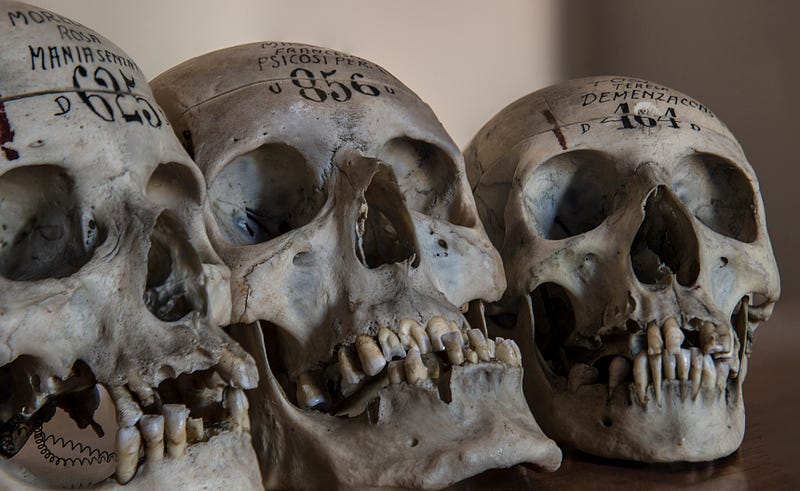
Photo by v2osk on Unsplash

The cairn of skulls grew higher each day that the strangers stayed.

We were careful this time. We didn’t want to scare our guests off. They were a tasty treat. Better cuisine than the bugs, reptiles, and small rodents we survived eating.

We only took one when we needed one. We learned to use all parts of the humans for food — every part of the person is pork, we would sing.

Tenderloin steaks.

Sausages from the leftovers.

Tasty soup from their skulls.

That’s how the cairn grew. With every batch of soup, Chef added a new skull to the pile.

The humans were growing cautious. Even if we only took one a week, they were starting to notice. Fortunately, they had no way to leave until their supply ships returned.

Their misfortune was our feast.

They had grown cautious of staying out past last light. The humans knew that we were there, but they didn’t know who we were.

We watched, only eyes in the jungle until either it was dark enough to go out or they were silly enough to venture into our strongholds.

We watched, waited, and planned.

They huddled, waited, and worried.

Everybody waited.

Nobody went home.

“The Clear Blue Waters” is a 100-word story about the world of Monaxiá, a beautiful but dangerous place.

Paul Mansfield is a writer, a photographer, a guitar player, a philosopher — some he does well, some not so well, but he still tries them all.

If you liked this story, you might also like this one:

Flash Fiction
Fiction
Horror
Monaxiá
Monaxia
Recommended from ReadMedium
avatarDenise Larkin, BA (Hons)
The Chair — The Experience

Chapter Three

5 min read