Read Medium logo
No Results
Translate to
Read Medium Logo
Free OpenAI o1 chatTry OpenAI o1 API
Read Medium logo
No Results
Translate to
avatarJunhan Sim

Free AI web copilot to create summaries, insights and extended knowledge, download it at here

3132

Abstract

tores</a></figcaption></figure><figure id="7b6b"><img src="https://cdn-images-1.readmedium.com/v2/resize:fit:800/1*rUaTAwAwJq3yTrLQuLXeBA.jpeg"><figcaption></figcaption></figure><figure id="e709"><img src="https://cdn-images-1.readmedium.com/v2/resize:fit:800/1*nU5ZSXXgepQaZpRc4S8kZQ.jpeg"><figcaption>Left: <a href="https://artscouncil-kanazawa.jp/">https://artscouncil-kanazawa.jp/</a> . Right: <a href="https://andsaunafarm.com/">https://andsaunafarm.com/</a></figcaption></figure><h1 id="43fb">Vertical typography</h1><p id="ca49">Traditionally, Japanese words were written vertically and such tradition can be seen in the web design. By displaying the text vertically, it gives the designers limitless creative space to play around with layout while still maintain its readability.</p><p id="bd65">You can see how the vertical typography complements the visual, and guides the visitors’ eye in reading and absorbing the information. Interestingly, when words are presented vertically, it can be read either from left or right. However, normally it reads from right since this was the convention in print media.</p><figure id="2805"><img src="https://cdn-images-1.readmedium.com/v2/resize:fit:800/1*QMH_Gcfa2grPaqZvwJc6-A.jpeg"><figcaption><a href="https://isaka.co.jp/">https://isaka.co.jp/</a></figcaption></figure><figure id="3f04"><img src="https://cdn-images-1.readmedium.com/v2/resize:fit:800/1*aWC1UiKv_R3yxMW4mIwAsQ.jpeg"><figcaption></figcaption></figure><figure id="fbaa"><img src="https://cdn-images-1.readmedium.com/v2/resize:fit:800/1*VX3KxHCTtWMsbb9zdLxXIA.jpeg"><figcaption>Left: <a href="https://www.owaricho.or.jp/">https://www.owaricho.or.jp/</a> . Right: <a href="https://joen-ji.or.jp/">https://joen-ji.or.jp/</a></figcaption></figure><h1 id="3313">Human as the center stage</h1><p id="77ce">Japan is all about life philosophy. From the famous books promoting ways of living like “<a href="https://en.wikipedia.org/wiki/Ikigai">Ikigai (生き甲斐)</a>”, “<a href="https://en.wikipedia.org/wiki/Wabi-sabi">wabi-sabi (侘寂)</a>”, and “<a href="https://oishya.com/journal/danshari-decluttering-happier-life/">Dan-sha-ri (断捨離)</a>”, it’s not hard to see such messages and aesthetics being incorporated into the design.</p><p id="7d84">In the web design context, large clean imagery with human usually being used as the main focus, then accompanied with substantial white space with minimal yet heartfelt message. The website usually feels uncluttered and promotes a sense of peace and towards a better living.</p><figure id="2873"><img src="https://cdn-images-1.readmedium.com/v2/resize:fit:800/1*R5jOF55U5CTGZp9VZMxhbA.jpeg"><figcaption><a href="https://haajapan.com/">https://haajapan.com/</a></figcaption></figure><figure id="6c83"><img src="https://cdn-images-1.readmedium.com/v2/resize:fit:800/1*57zc3DNuA4q6cu0dB1mOkA.jpeg"><figcaption></figcaption></figure><figure id="1018"><img src="https://cdn-images-1.readmedium.com/v2/resize:fit:800/1*kAa_OYbVPv0NfisiCYFMUg.jpeg"><figcaption>Left: <a href="https://hakonature.jp/">https://hakonature.jp/</a> . Right: <a href="https://atelier-eighteen.com/">https://atelier-

Options

eighteen.com/</a></figcaption></figure><h1 id="0bce">Image masking with irregular shapes</h1><p id="fa9b">If you observe closely with website designs, they are constructed and layered with many rectangles. However with clever use of white space and irregular shapes, it can create a refreshing design and establish a creative rhythm to navigating and viewing the website.</p><p id="9a58">I can see websites from Japan is more daring in using irregular shapes to contain images or illustrations, and the shapes are usually linked to their branding.</p><figure id="9973"><img src="https://cdn-images-1.readmedium.com/v2/resize:fit:800/1*1AXP_cZ7ZB-ESikvQIejnw.jpeg"><figcaption><a href="https://omusubi-design.com/">https://omusubi-design.com/</a></figcaption></figure><figure id="8688"><img src="https://cdn-images-1.readmedium.com/v2/resize:fit:800/1*wF_3oO5VNSugd_nzIKa5kw.jpeg"><figcaption></figcaption></figure><figure id="3a3f"><img src="https://cdn-images-1.readmedium.com/v2/resize:fit:800/1*O412FQAQUBbxmjOWAWWYHw.jpeg"><figcaption>Left: <a href="https://www.honeycomb-labo.com/">https://www.honeycomb-labo.com/</a> . Right: <a href="https://aquastand.jp/">https://aquastand.jp/</a></figcaption></figure><h1 id="45c1">Traditional Japan — Wafuu (和風)</h1><p id="cc6e">Despite living in the modern world, Japan has great success in preserving its tradition, hence when you are travelling in Japan, you can experience the modern and traditional side of Japan harmoniously. Moreover, according to a research in 2009, Japan has more than <a href="https://en.wikipedia.org/wiki/List_of_oldest_companies">20,000 companies</a> that are more than 100 years old.</p><p id="3216">Therefore, for websites that are the homepage of traditional Japanese businesses for food, confectionary, hotels and many more, the beauty of the traditional Japanese aesthetics are being showcased.</p><figure id="5e7b"><img src="https://cdn-images-1.readmedium.com/v2/resize:fit:800/1*70_tgH3cxpJOqT7AilXw0A.jpeg"><figcaption><a href="https://yamadayamanju.jp/lp/">https://yamadayamanju.jp/lp/</a></figcaption></figure><figure id="9589"><img src="https://cdn-images-1.readmedium.com/v2/resize:fit:800/1*svbt5QAtncV6rmxQ-XwRDA.jpeg"><figcaption></figcaption></figure><figure id="771e"><img src="https://cdn-images-1.readmedium.com/v2/resize:fit:800/1*PIuoSvLTh600FiKPDY-s4A.jpeg"><figcaption>Left: <a href="https://byaku.site/">https://byaku.site/</a> . Right: <a href="https://yadoito.18rou.com/">https://yadoito.18rou.com/</a></figcaption></figure><h1 id="6d2a">Conclusion</h1><p id="aa7d">Above are some of the common characteristics that I personally think that are the unique Japanese web design styles. Certainly I’m not the expert in Japanese web design and just purely writing this from a Japan-lover, a fan of Japan design perspective. But I do hope you enjoyed reading this article!</p><p id="0f82"><i>👋 Hey there! If you find this article useful and would like to support me, please <a href="https://www.buymeacoffee.com/jayhan">buy me a coffee</a>! This will warm my heart and give me the motivation to continue writing!</i></p></article></body>

6 web design styles that are uniquely Japan
Photo by Guus Baggermans on Unsplash

I’ve been a fan of Japanese style design since I started my career as a designer. The uniqueness of culture, lifestyle, and relationship with human and nature are reflected not just in the physical but also in digital form of design, especially on the web design.

When browsing for web design inspiration from Japan with the web design galleries that I previously introduced, I found a few design characteristics that are truly unique in Japan and not commonly seen in English-based website. Without further ado, let’s dive into it.

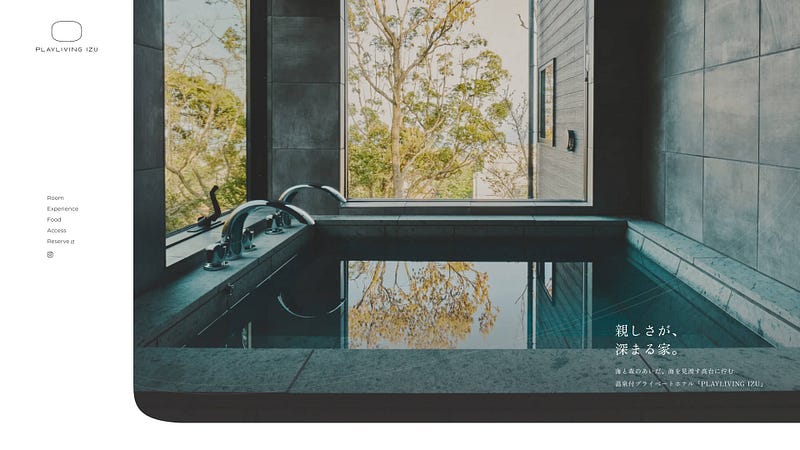
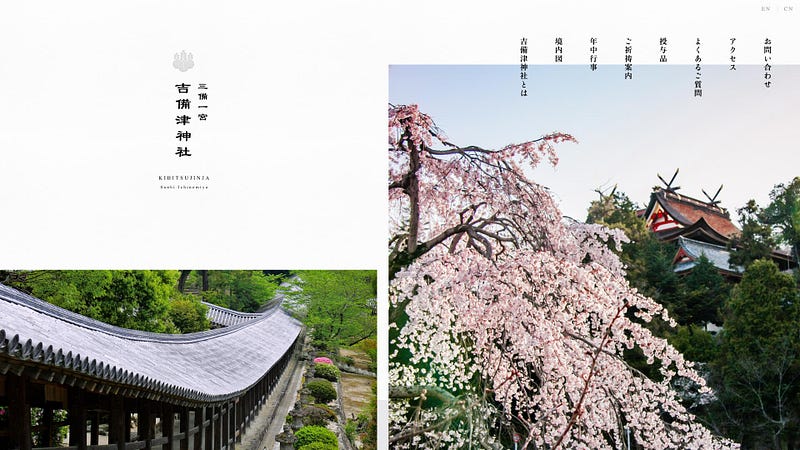
Beautiful large imagery with beautiful typography

I always think that in Japan, any angle and any corner will produce beautiful photography, this is because Japan is just simply breathtakingly beautiful in my opinion!

Many websites featured high quality photography that can immediately allowing visitors to quickly immerse into the experience. Also the Japanese words in Mincho font (you can think of it as serif fonts) style are perfectly paired with the images while not grabbing any attention away.
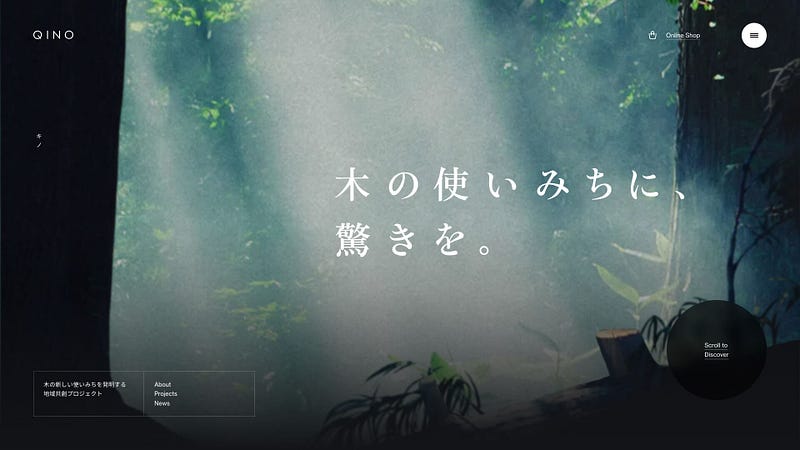
https://qino.jp/
Left: https://www.kibitujinja.com/ . Right: https://playliving-izu.com/

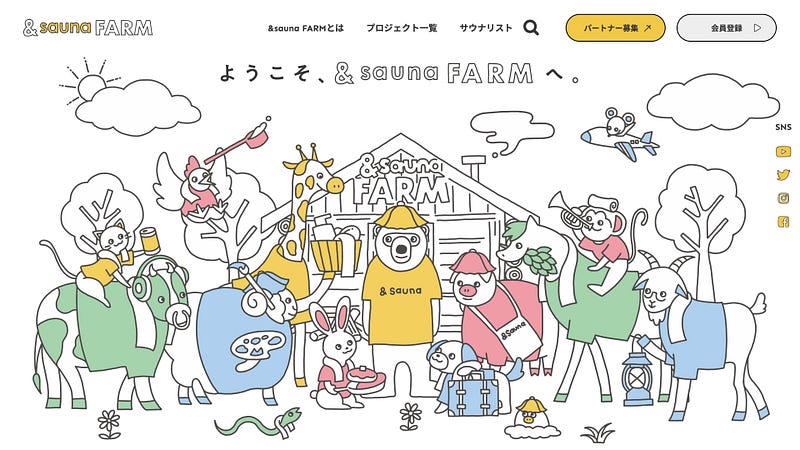
Cute

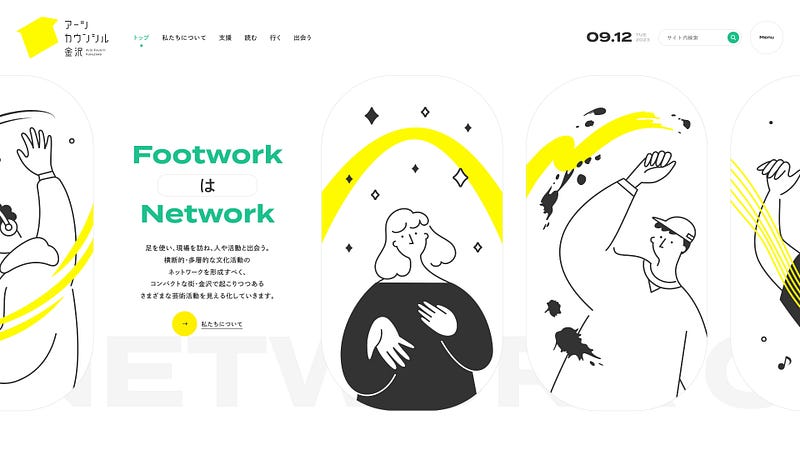
Shiba Inu is cute, Pikachu is cute, Gudetama is cute. Japan is the capital of cute culture that makes people happy and are certainly mastered the essence of creating cute stuffs.

Cute is friendly, cheerful and have the power to bring all kinds of human together. Cute is also in a way deconstructing the real life, a kind of expression on how we can interpret it differently.
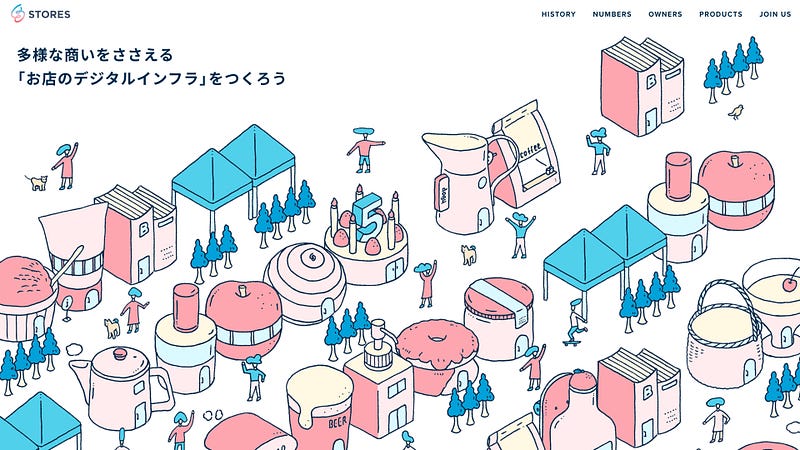
https://www.st.inc/5thstores
Left: https://artscouncil-kanazawa.jp/ . Right: https://andsaunafarm.com/

Vertical typography

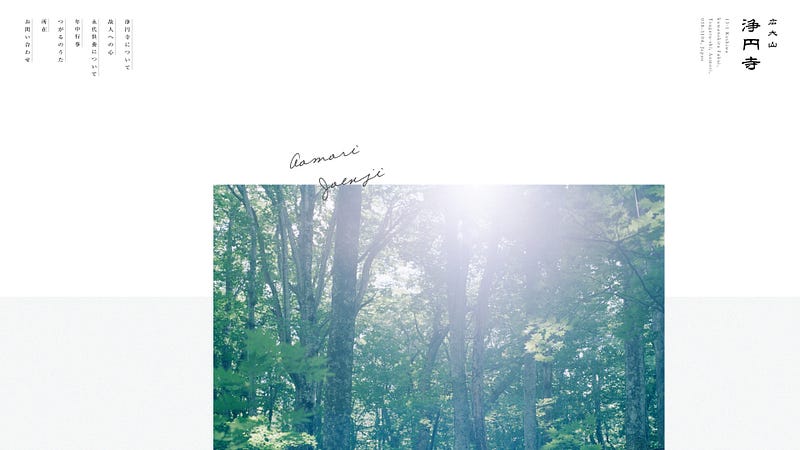
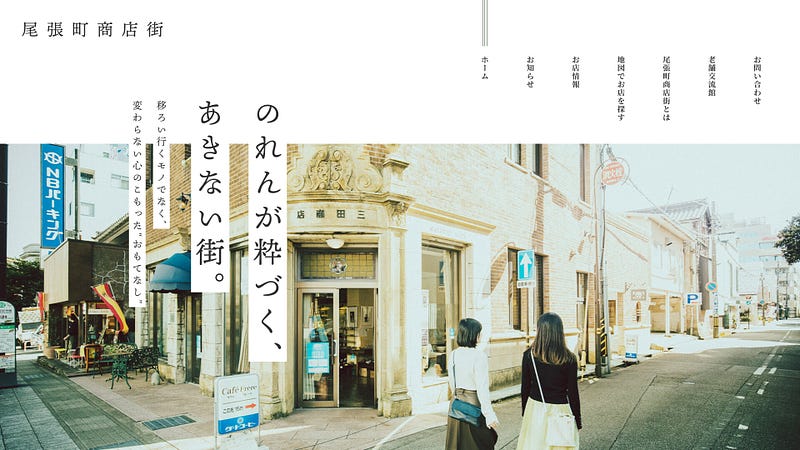
Traditionally, Japanese words were written vertically and such tradition can be seen in the web design. By displaying the text vertically, it gives the designers limitless creative space to play around with layout while still maintain its readability.

You can see how the vertical typography complements the visual, and guides the visitors’ eye in reading and absorbing the information. Interestingly, when words are presented vertically, it can be read either from left or right. However, normally it reads from right since this was the convention in print media.
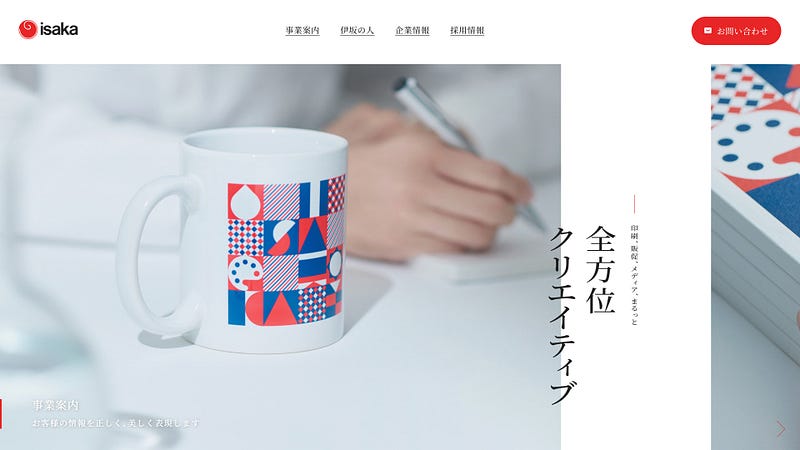
https://isaka.co.jp/
Left: https://www.owaricho.or.jp/ . Right: https://joen-ji.or.jp/

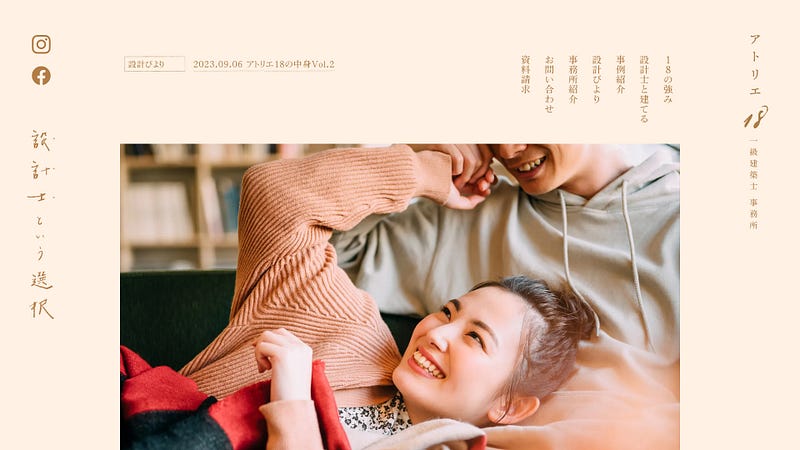
Human as the center stage

Japan is all about life philosophy. From the famous books promoting ways of living like “Ikigai (生き甲斐)”, “wabi-sabi (侘寂)”, and “Dan-sha-ri (断捨離)”, it’s not hard to see such messages and aesthetics being incorporated into the design.

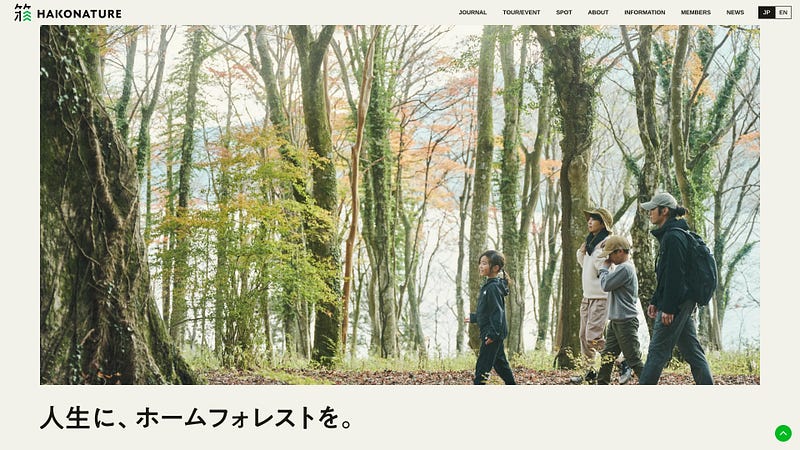
In the web design context, large clean imagery with human usually being used as the main focus, then accompanied with substantial white space with minimal yet heartfelt message. The website usually feels uncluttered and promotes a sense of peace and towards a better living.
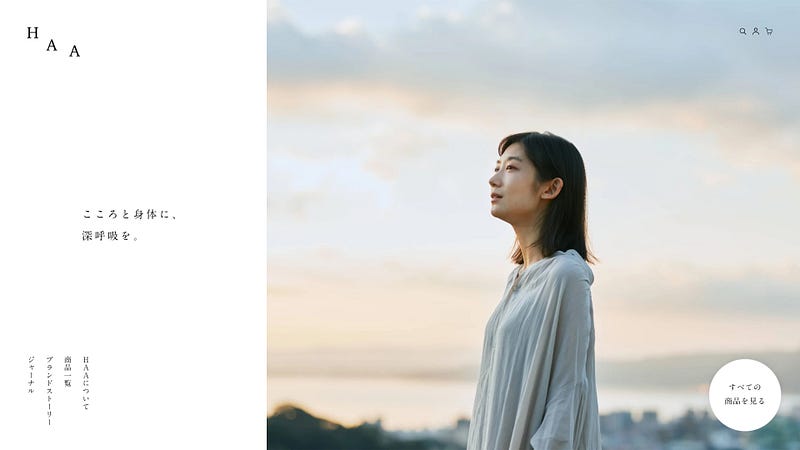
https://haajapan.com/
Left: https://hakonature.jp/ . Right: https://atelier-eighteen.com/

Image masking with irregular shapes

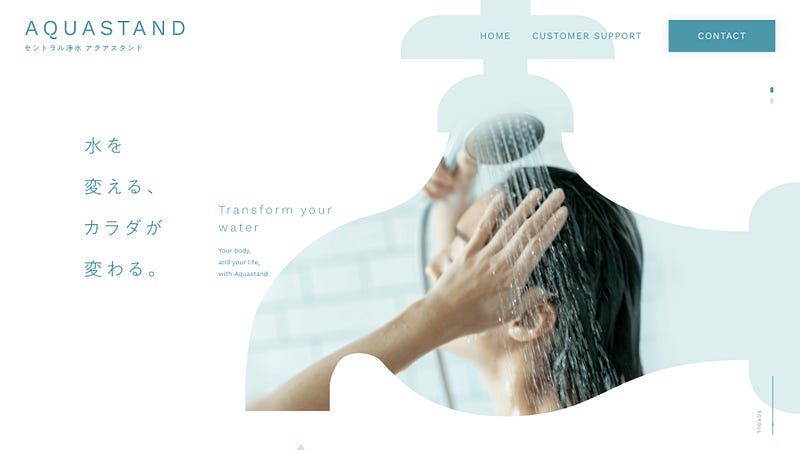
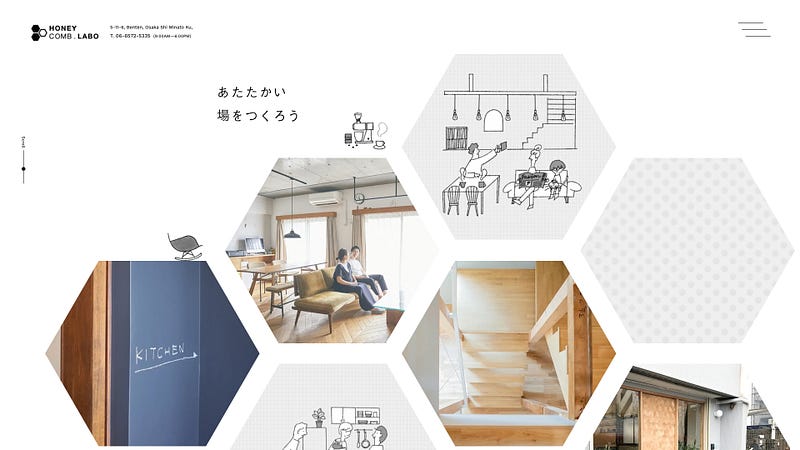
If you observe closely with website designs, they are constructed and layered with many rectangles. However with clever use of white space and irregular shapes, it can create a refreshing design and establish a creative rhythm to navigating and viewing the website.

I can see websites from Japan is more daring in using irregular shapes to contain images or illustrations, and the shapes are usually linked to their branding.
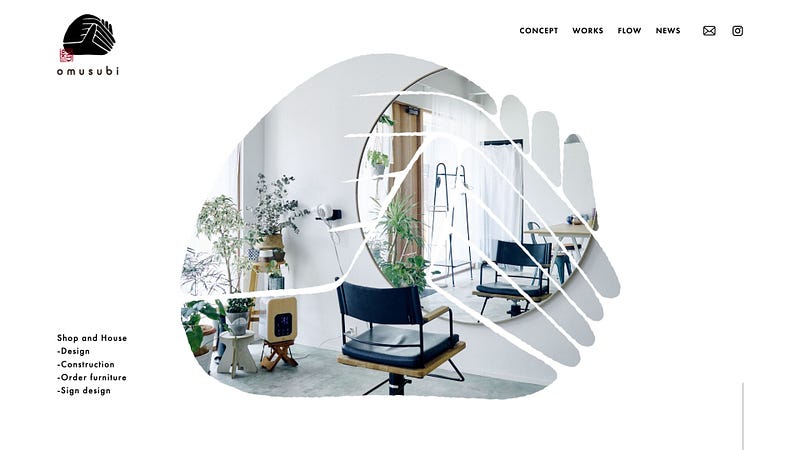
https://omusubi-design.com/
Left: https://www.honeycomb-labo.com/ . Right: https://aquastand.jp/

Traditional Japan — Wafuu (和風)

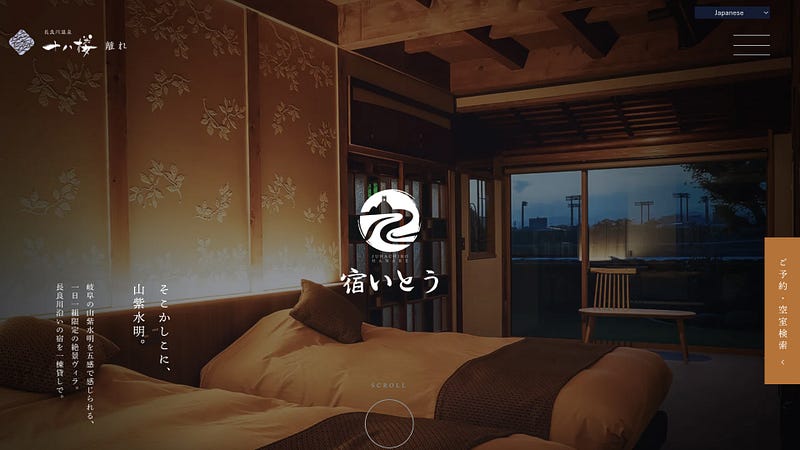
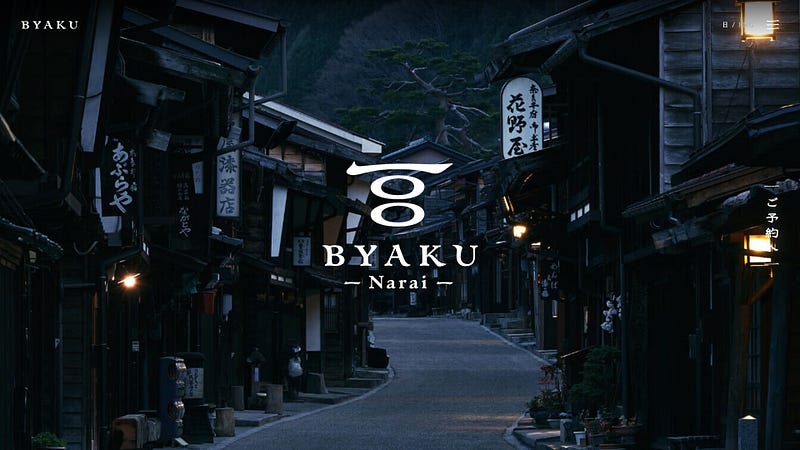
Despite living in the modern world, Japan has great success in preserving its tradition, hence when you are travelling in Japan, you can experience the modern and traditional side of Japan harmoniously. Moreover, according to a research in 2009, Japan has more than 20,000 companies that are more than 100 years old.

Therefore, for websites that are the homepage of traditional Japanese businesses for food, confectionary, hotels and many more, the beauty of the traditional Japanese aesthetics are being showcased.
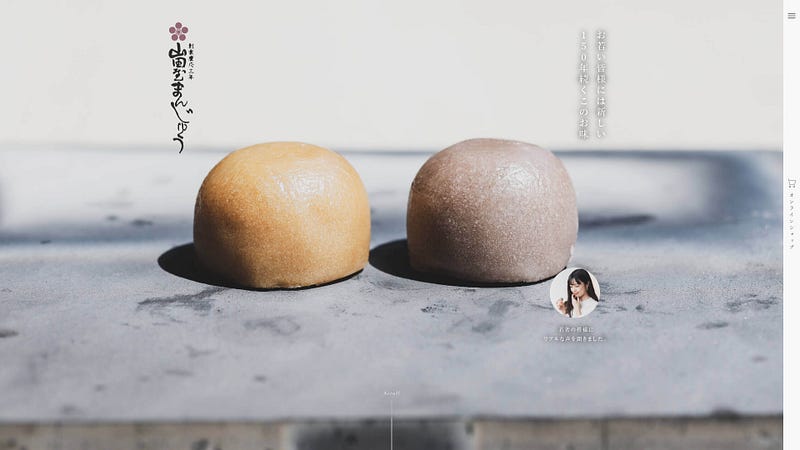
https://yamadayamanju.jp/lp/
Left: https://byaku.site/ . Right: https://yadoito.18rou.com/

Conclusion

Above are some of the common characteristics that I personally think that are the unique Japanese web design styles. Certainly I’m not the expert in Japanese web design and just purely writing this from a Japan-lover, a fan of Japan design perspective. But I do hope you enjoyed reading this article!

👋 Hey there! If you find this article useful and would like to support me, please buy me a coffee! This will warm my heart and give me the motivation to continue writing!

Japan
Web Design
Inspiration
Recommended from ReadMedium
avatarSouptik Debnath
UI Design Trends In 2025

Designing for 2025 isn’t just about hopping on the latest trends — it’s about creating experiences that truly matters the most. As the…

5 min read
avatarMichal Malewicz
Web Design Trends 2025

3 trends, 3 anti trends and honorable mentions

8 min read
avatarRosie Hoggmascall
DeepSeek: when UI doesn’t matter

Localisation, prompting and a cute little whale.

9 min read
avatarDzmitry Ihnatovich
Frontend Development Trends in 2025

This is my thoughts based on current trends and driven by advancements in technology, changing user expectations, and the need for more…

5 min read
avatarGading Ardianti
The Golden Rule of UI and Motion Design

How to NOT overload your app with bells and whistles.

6 min read
avatarFlowmapp
UX Design Is Over? Nope! The Phoenix is Reborn, Report Says

UX Design is Dead. Remember These Headlines?

6 min read