Embracing the Power of Nature in ‘The Great Lover’ and Beyond
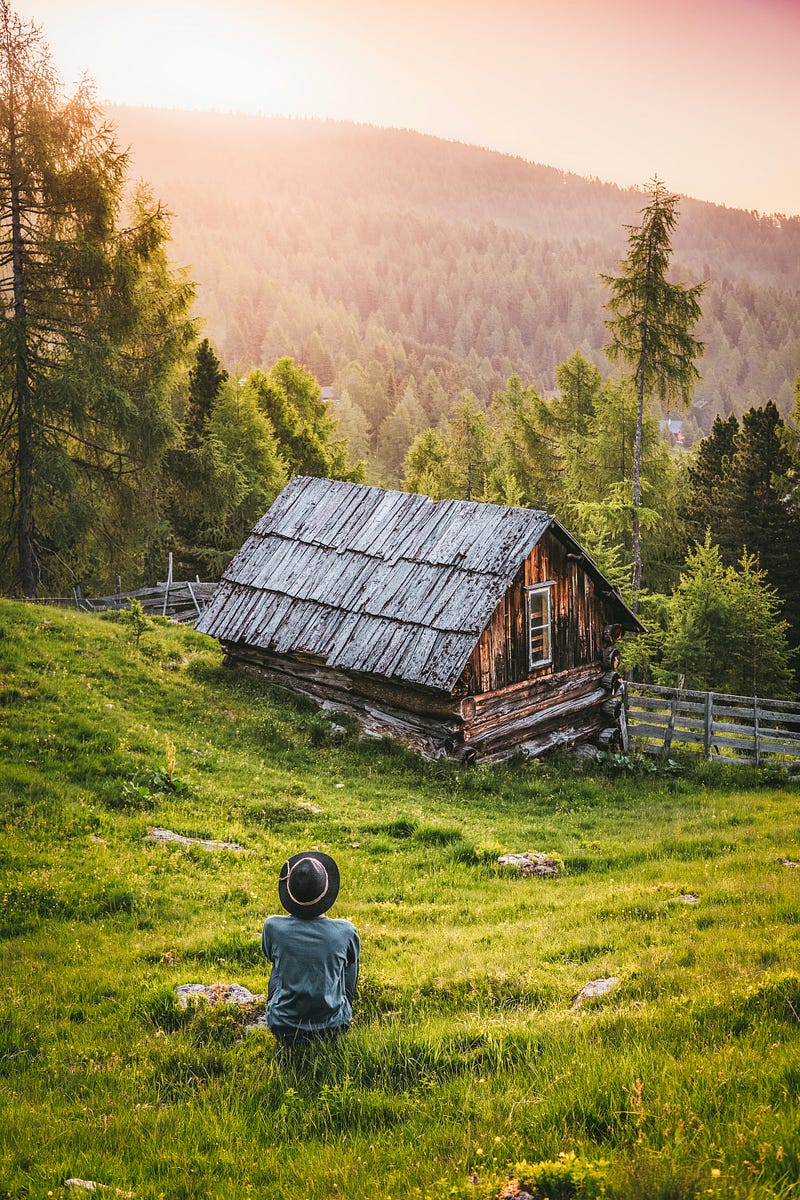
Inspired me to reflect on my own childhood experiences. As I grew up near woods and fields and spent a lot of time in nature, observing the changing seasons and playing with birds and puppies.
“The Great Lover” by Rupert Brooke
THESE I have loved:
White plates and cups, clean-gleaming,
Ringed with ble lines; and feathery, faery dust;
Wet roofs, beneath the lamp light; the strong crust
Of friendly bread; and many-tasting food;
Rainbows; and the blue bitter smoke of wood;
And radiant raindrops couching in cool flowers;
And flowers themselves, that sway through sunny hours,
Dreaming of moths that drink them under the moon;
Then, the cool kindliness of sheets, that soon
Smooth away trouble; and the rough make kiss
Of blanket; grainy wood; live hair that is
Shining and free; blue-massing clouds; the keen
Unpassioned beauty of a great machine;
The benison of hot water; furs to touch;
The good smell of old clothes; and other such —
The comfortable smell of friendly fingers,
Hair’s fragrance, and the musty reek that lingers
About dead leaves and last year’s ferns. . . .
Dear names,
And a thousand other throng to me! Royal flames;
Sweet water’s dimpling laugh from tap or spring;
Hole in the ground; and voices that do sing;
Voices in laughter, too; and the body’s pain,
Soon turned to peace; and the deep-painting train;
Firm sands; the little dulling edge of the foam
That browns and dwindles as the wave goes home;
And washen stones, gay for an hour; the cold
Graveness of iron; most black earthen mould;
sleep; and high place; footprints in the dew;
And oak; and brown horse chestnuts, glossy-new;
And new-peeled sticks; and shining pools on grass; —
All these have been my loves.
by Rupert Brooke
Summary of the Poem
In the poem “The Great Lover” by Rupert Brooke, the speaker reflects on the many things he has loved in life. He describes a variety of sensory experiences, such as the taste of food, the smell of old clothes, the feel of blankets, and the sound of voices. He also mentions natural phenomena such as rainbows, raindrops, and flowers. The poem celebrates the beauty and richness of life and suggests that love can be found in even the most ordinary and everyday things.
“The Great Lover” by Rupert Brooke is one of his most famous works, and it was first published in his collection of poems entitled “1914 and Other Poems.” I don’t know why this poem haunts me so much. It is one of the best poems I have read in my life. Whenever I read this poem I would love to read it again and over again. It always takes me to my childhood, and feel myself becoming a child again. Those who love to become children in this age of machines, read this once in their life. I assure you if you read this meaningful poem, you would love to read more.
Rupert Brooke Died Very Young
Rupert Brooke was an English poet who lived in the early 20th century. He was born on August 3, 1887, and he died on April 23, 1915, at the age of 27. Brooke is best known for his war poetry, which was written during the early years of World War I. He was a member of a group of poets known as the “Georgians,” who were known for their romantic and nostalgic poetry. Despite his relatively short life, Brooke’s poetry has had a lasting impact on English literature and continues to be studied and celebrated today.
An interesting fact about the Poem
The poem was actually written during a period of great personal turmoil for Brooke. He had recently suffered a romantic disappointment and was struggling with his own sense of identity and purpose. In fact, some critics have suggested that the poem may be read as a kind of self-portrait, reflecting Brooke’s own search for meaning and connection in his life. Despite the personal challenges he faced, Brooke’s poetry continued to resonate with readers and he remains one of the most celebrated poets of the early 20th century.
Personal Experiences:
“The Great Lover” by Rupert Brooke does contain personal elements that reflect the poet’s own experiences and emotions, it would not typically be considered an autobiography. An autobiography is a literary genre that tells the story of a person’s life, typically in prose. While some poets do write autobiographical poems, such as William Wordsworth’s “The Prelude,” most poetry is more focused on exploring emotions, ideas, and experiences in a more abstract or symbolic way. “The Great Lover” is a kind of self-portrait or reflection of Brooke’s personal experiences, and it is common for literary works to draw on autobiographical elements in order to create a more powerful and authentic effect.
Theme
The main idea of the poem is that the poet emphasizes the importance of finding happiness and comfort in the simplicity of life, particularly through a connection with nature. The use of literary devices, such as imagery, metaphor, and personification help to create a unique and memorable work of literature. Overall, the poem is a celebration of the beauty and richness of life, and a reminder to appreciate the small things that make it worthwhile.
Great Inspiration In My Life:
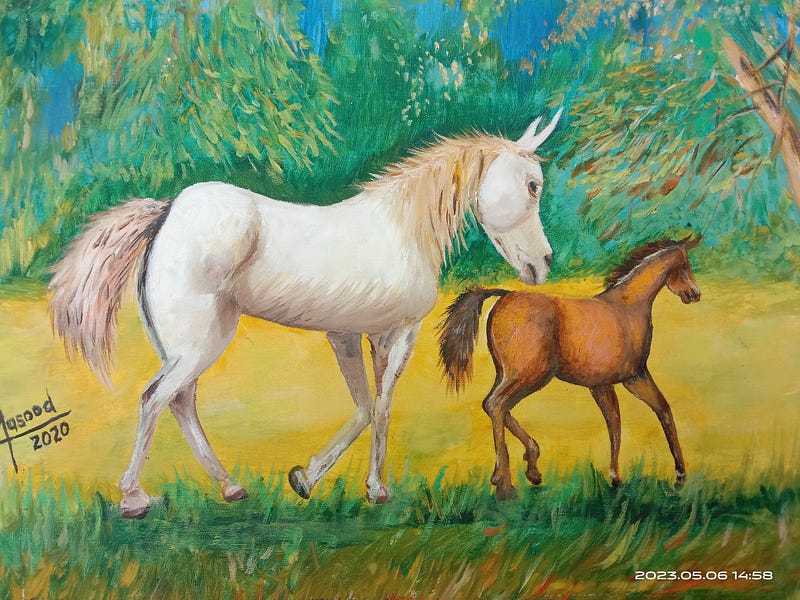
The poem inspired me to reflect on my own childhood experiences. As I grew up near woods and fields and spent a lot of time in nature, observing the changing seasons and playing with birds and puppies. We also enjoyed fishing near ponds during summer vacation. Later in life, my love of nature led me to take up oil painting and reading short stories with colored pictures in Urdu. Short stories published in Reader’s Digest found a special place in my heart. Later, when I came by Walter T. Frost’s and Thomas Kinkade’s paintings infused a new spirit in my life, and still owe much credit to them. I found solace and inspiration in my imagination, which I continued to cherish throughout my life. The power of literature and nature has shaped my experiences and inspired me to reflect on my own life.
Walter T. Foster’s instructional materials have been a valuable resource for many aspiring artists, and his step-by-step approach has helped many people learn and improve their skills. Foster’s books are still widely available today, and many artists continue to rely on them for guidance and inspiration. Whether you are a beginner or an experienced artist, there is always something new to learn from the helpful tips and techniques.
Suggestion and Recommendation:
“I Wandered Lonely as a Cloud” by William Wordsworth: This poem, also known as “Daffodils,” describes the beauty of nature and the emotions it can inspire in us.
“Ode to a Nightingale” by John Keats: This poem is an ode to the beauty and power of music and explores themes such as mortality and the search for transcendence.
“The Love Song of J. Alfred Prufrock” by T.S. Eliot: This modernist poem explores the inner thoughts and anxieties of a man as he contemplates his life and relationships.
“To His Coy Mistress” by Andrew Marvell: This poem is a passionate plea from a speaker to his beloved, urging her to seize the moment and make the most of their time together.
“The Waste Land” by T.S. Eliot: This modernist epic poem is a complex meditation on the state of modern society and the search for meaning in a fragmented world.
Literary Devices used in “From the Great Lover”
Imagery: Imagery is the use of descriptive language to create sensory experiences for the reader. Brooke uses vivid imagery throughout the poem to describe the various things he has loved.
Metaphor: A metaphor is a comparison between two unlike things that highlights a similarity between them. In the poem, Brooke uses a metaphor to describe raindrops as “couching in cool flowers,” and “blue massing clouds”, “cool kindliness of sheets” suggesting that the raindrops and flowers have a symbiotic relationship.
Personification: Personification is the attribution of human qualities to non-human things. Brooke personifies rainbows, describing them as “dreaming of moths that drink them under the moon,” and “sweet water’s dimpling laugh”.
Alliteration: Alliteration is the repetition of the same sound at the beginning of multiple words in a sentence. Brooke uses alliteration in phrases such as “voices that do sing”, “feathery, faery dust” and “radiant raindrops couching in cool flowers.”
Assonance: Assonance is the repetition of vowel sounds within words. Brooke uses assonance in phrases such as “many-tasting food” and “grainy wood.” The “beauty, that all desire, shall never wholly die”, etc.
Symbolism: Symbolism is the use of objects, colors, or images to represent deeper meanings or ideas. Brooke uses a variety of symbols throughout the poem, such as the rainbow, which represents beauty, and the “benison of hot water,” the “wild guests”. And the “gusts” are described as “ardent lovers” with a “roar of passion,” suggesting their intensity.
Oxymoron: An oxymoron is a figure of speech that combines two contradictory terms to create a new meaning. It comes from the Greek words “oxys” (sharp) and “moros” (dull), which together mean “sharp-dull.” Oxymorons include “jumbo shrimp,” “wise fool,” “civil war,” and “living dead. “Shining and free” is an example of an oxymoron. “Shining” and “free” are two words that have opposite meanings, as shining suggests brightness, and “free” suggests a lack of restraint or confinement.
Perpurt Brooke’s Other Works:
“The Soldier”: This poem is one of Brooke’s most famous works and was written in 1914 as a response to the outbreak of World War I. It reflects the patriotic sentiment of the time and expresses a willingness to die for one’s country.
“Tiare Tahiti”: This poem is a celebration of the natural beauty of Tahiti and was written during Brooke’s travels in the South Pacific. It features vivid imagery and sensual language.
“The Old Vicarage, Grantchester”: This poem is a nostalgic reflection on Brooke’s time spent in the English countryside and features a romanticized depiction of rural life.
“The Fish”: This poem is a humorous and lighthearted work that celebrates the joys of fishing. It features playful language and a sense of whimsy.
“Grantchester”: This poem is another reflection of Brooke’s time spent in the English countryside and features a wistful and nostalgic tone.