
Embracing Empathy for the Win!
One week of reading everything published by Age of Empathy
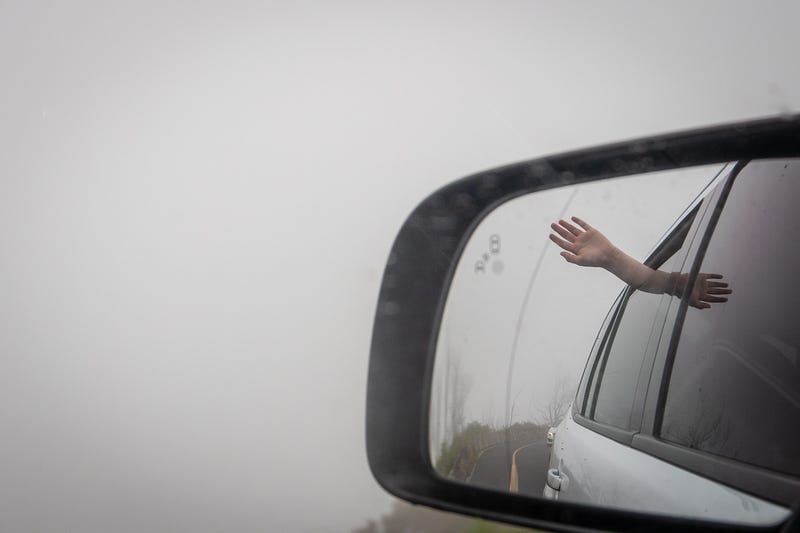
“Hit us in the feels,” says the second sentence of Age of Empathy submission guidelines.
Their writers listened. Age of Empathy stories consistently deliver the feels.
I’m currently challenging myself to read more online by taking one week at a time to read everything posted for the week within a publication.
I started my challenge with Age of Empathy because although I have enjoyed writing with AOE and reading various stories I knew there was plenty of quality stuff the mighty but mysterious algorithm wasn’t pushing my way.
My week did not disappoint.
Age of Empathy was founded by Aimée Gramblin. The other editors are Shanna Loga, Sarah Paris, and Danielle Loewen. The writer's list is full of awesome writers worthy of a follow for their work both inside AOE and outside. The editorial team should be proud of the publication they have created and nurtured.
We consider lyric essays and creative nonfiction. We’re after creative nonfiction (personal essays) and lyric essays that make us feel deeper emotions and think about your life in relation to our life experiences. We want you to make us feel something. We want you to engage our senses. When your article is so well-written that we come back to a phrase to savor it, that’s a success. We want your essay to make readers think about their own lives in a different way.
I love to write this kind of essay but I haven’t been reading enough of them lately. A full week of reading every word of every AOE story was perfect.
I’ve never been a Black man, tried medical marijuana, lost my mother, endured domestic violence, or been in a polyamorous relationship. But even as I read these stories of experiences far removed from my own, I can relate.
The exact circumstances that bring us to feelings of loss, hope, anguish, pride, comfort, love, and healing are different for each person. But the underlying emotions are universal.
This is what the best storytelling is about after all. And AOE consistently delivers a nice cross-section.
I enjoyed and appreciated every story I read this week but here are some of my favorites.
Toffy Char hooked me immediately with her description of the annoying person in her yoga class. I can so relate to being in a class with someone whose actions and personality make me seethe with resentment and rob me of the joy of my own experience.
But she also challenges me to recognize my own privilege. I am a white girl after all. Have I been the annoying one to others? I love writing I can relate to so well which also pushes to me examine myself.
On the 4th of July, I wrote a nostalgic tribute to the patriotic celebrations of my youth. Dayon Cotton wrote a brilliant piece on the difficulty of celebrating the history and present of a country so steeped in racism and so unready to acknowledge it.
Our modernized take on patriotism does it’s best to celebrate the good while sweeping the bad parts under the rug. We rejoice in fireworks and American showmanship while ignoring so much of the bad going on around us. The holiday is like one giant metaphor of the country as a whole. We love celebrating all of the good while downplaying so much of the bad shit that brought us here. It’s political theatre at it’s best — when nationalism and pride comes together for one special day of pretending-like-nothing-happened.
Ouch, guilty as charged. But Dayon isn’t writing to make me feel guilty. I agree with everything he says and want to fight to make our shared country, one he has actually sworn an oath to protect and defend, a place we can love like family but always seek to improve.
Elle Beau writes about the bittersweet experience of staying in touch with her mom’s best friends after her death. The joy of connection is tempered by the painful reminder of her loss and the inevitable loss of these aged friends as well.
It is the realness of Elle’s writing which grabs me. There is no neat easy answer here. No smoothing over the edges. Loss hurts. This story, like her relationship with the best friends, is simultaneously uplifting and sad.
My plan was to submit a story to my chosen publication at the end of my week’s reading. I jumped the gun a bit when I found myself writing a story so timely for myself emotionally I needed to submit it right away.
This story is my reflection on sending my middle child off to her first apartment and job post-college. Obviously, it will resonate with others who have launched a child into adulthood or anticipate doing so soon.
But I’d like to think it is worth a read for those who aren’t parents. We’ve all been children at some point in our lives. If you are young what might you learn about the emotions of your parents by reading a story like mine?
This is the beauty of AOE and why I’m so glad I choose it for my first week of reading challenge. Reading empathetic stories of experiences not my own deepens my sense of the humanity of us all. We are different yet the same.
Empathy is the ability to share another person’s feelings and emotions as if they were your own. — Collins Dictionary
If you haven’t been reading or writing for Age of Empathy, what are you waiting for?


