
Ekka
Let’s ride in a carriage to an Australian fair
Today’s New York Times Spelling Bee letters:
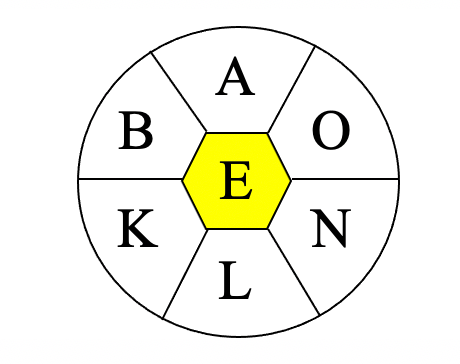
A, B, K, L, N, O, and center E (all words must include E).
Merriam-Webster says…
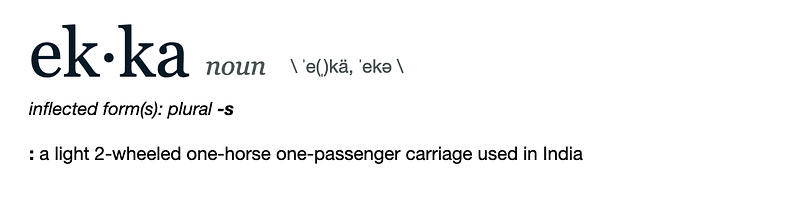
Silly little dictionary! Don’t you know ekka can’t possibly be a word if the New York Times says it ain’t?
For further fascinating facts, check out the Spelling Bee Master.
What’s your favorite dord* from today’s puzzle?
My Two Cents
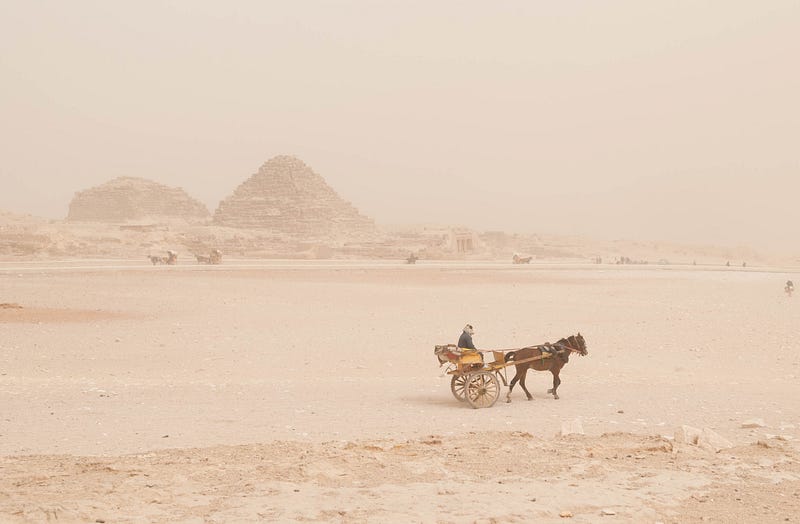
I’m not sure if the photo at the top shows an ekka. Probably not. But I liked it a lot, so I decided to use it anyway. Please don’t let that change your views about the ekka.
Oh… you didn’t have any views? None? Carry on, then.
One is the loneliest number
The origin of the word ekka comes from the Hindi ekā or ekkā, which literally meant “unit”. In turn, that word came from the Sanskrit ekatā, which derived from eka, meaning “one”. That’s also one of the posited origins of the word “one”, by the way.
The name of the one-horse carriage is a sometimes also spelled hecca, ecka, or even ekkha. And in case the photo I used at the beginning doesn’t show the real deal, here is an illustration done around 1885.
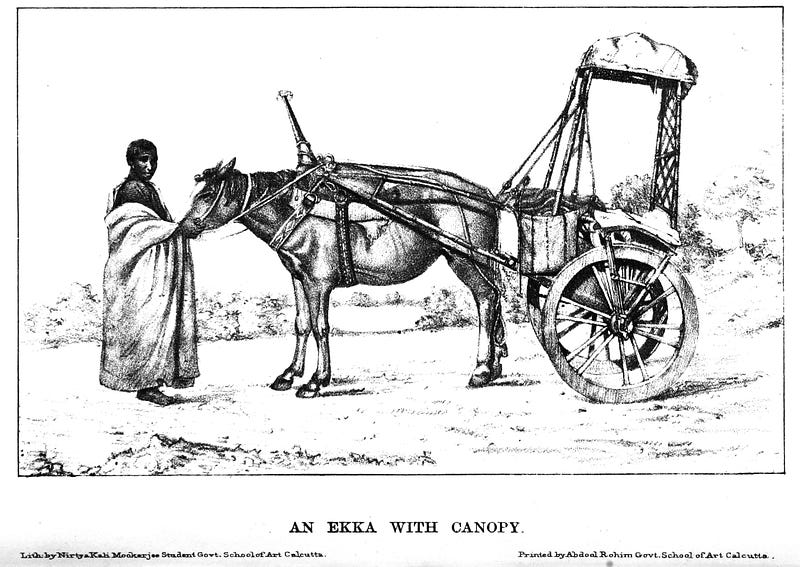
Ekkas resembled the traps used in England, except the latter usually had enough room for at least two people. The ekkas were used like limos or taxicabs are today, and the ride was about as pleasant as the ones you can expect when you hail a cabbie in New York City.
These horse and buggies are mentioned in The Three Musketeers. Here they are, riding in an ekka:
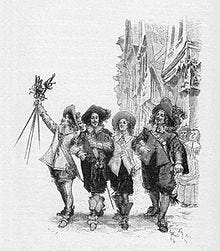
Oh, wait… scratch that.
First of all, there are four musketeers in that selfie. Second of all, there is no ekka to be seen anywhere. I’m gonna have to fire my researcher.
Actually, The Three Musketeers I’m referring to is not the 1844 novel by French writer Alexander Dumas, but the short story of the same name written by Rudyard Kipling. Sorry about that, boss. Won’t happen again.
Interestingly, Rudyard’s father, John Lockwood Kipling, was an artists who had a love-hate affair with ekkas. On the one hand, he described them as “tea-tray on wheels”, adding that riders had to sit like “compressed capital N’s”.
On the other hand, he created this beautifully detailed illustration of it.
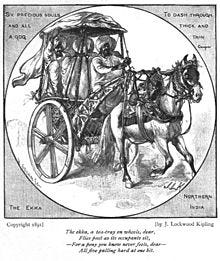
Hmmm… are those his son’s three musketeers taking a ride?
Fair’s fair
Ekka with a capital E is the name of one of Australia’s biggest agricultural shows, held annually at the Brisbane Showgrounds in Queensland. The official name of the event is “Royal Queensland Show”, and if you actually call it that when you go there, everyone will know you’re a tourist. Same as those schmucks in New York City who wait for the little guy to turn green in order to cross the street.
The first ekka, held in 1876, attracted some 17,000 people. Today it draws an average of 400,000 visitors, including 10,000 animals. That’s because the original purpose of the fair was to reward and recognize those dedicated to producing the best livestock, fruit, and vegetables.
Today, aside from the animal events, there are also fairground rides, concession stands, game booths, and wood-chopping competitions.
There are also nightly fireworks displays, but you won’t see them in the picture below… because it’s still dusk. You need to be patient and wait a half hour or so. Then refresh your browser to check if it’s night already.
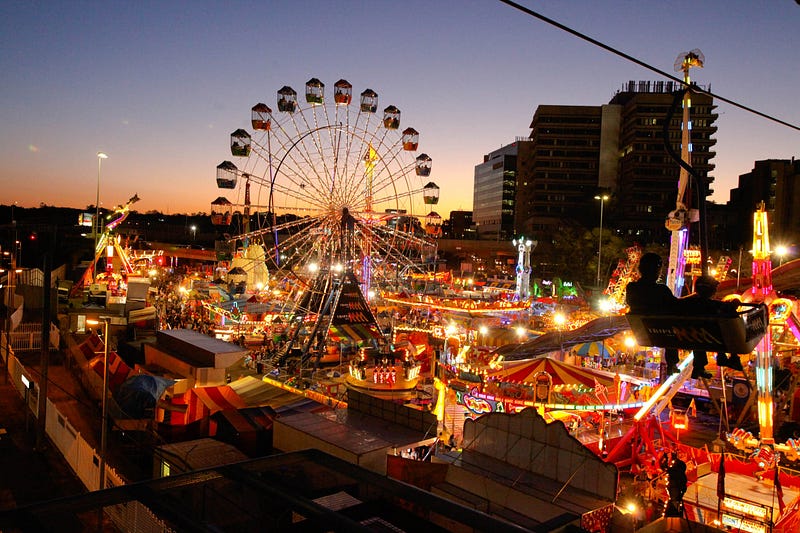
Here is a link to Ekka’s web site, so you can plan your trip.
As of today, the countdown is 128 days and falling. We’re all stoked, mate!
Interestingly, in the week leading up to the fair, a high pressure system coming through the Great Australian Bight (a large open bay off the southern coastline of the country) generates chilly westerly winds that descend upon Brisbane.
These winds are called… you guessed it! The “Ekka winds”.
If you plan to go to this year’s Ekka, you may fly, drive, or ride a bike. But you won’t be able to take an ekka to the Ekka. You see, ekkas (with a lowercase “e”) don’t exist, because the editors of the Spelling Bee puzzle decided that the word is a dord.*
You can check out my previous entry on another dord* here:
*What the heck is a dord, you ask? Here’s the answer: