
New Research — Eat These Foods To Add 10 Years to Your Life
An optimal diet for long and healthy life.
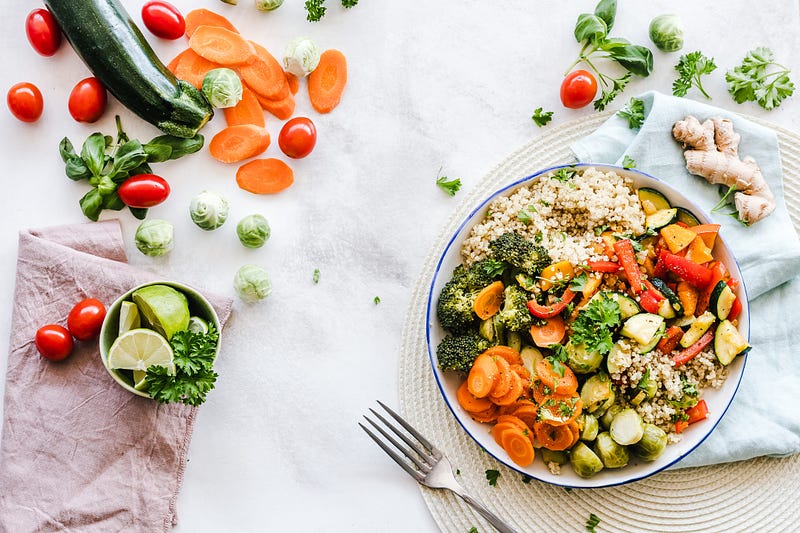
Everyone wants to live a long and healthy life. Since I was a kid, everyone around me has always said that exercising avoiding sugar, alcohol, and tobacco is the way to live a long life. Moving your body will indeed help you live a healthy life.
However, several studies also show that a healthy diet can increase lifespan.
I’m a very, very healthy eater. I eat fish, lots of vegetables, lots of fruit. I don’t eat junk food. — Victoria Beckham
A new study shows that eating a traditional healthy diet can increase your life for 10 years. The recommended diet consists of the following foods.
Whole grains
Nuts
Legumes
No red meat
According to the new research, the following foods can add up to 10 years to the lives of young adults (20 years old or younger) and 5–7 years to the lives of middle-aged individuals.
Here is the diet in detail to add 10 years to your life.
200g fish each day
Several studies show that fish can help lower the risk of dying because of its rich, healthy nutritional properties like omega-3 fatty acids.
According to the Harvard School of Public Health, people who consumed fish at least 2–3 times a week added 2.2 years to their lives on average than people with a low level of omega-3 fatty acids in their cells.
200g of legumes
Beans or legumes are among the world’s most perfect foods. They stabilize blood sugar, blunt the desire for sweets, and prevent mid-afternoon cravings. — Joel Fuhrman
Legumes (beans, lentils, and peas) contain an antioxidant that helps prevent cell damage. Legumes are also rich in fiber that benefits the digestive system and may prevent digestive cancer.
Chicken is pretty costly in South Asian culture than legumes (red kidney beans, lentils) or fresh vegetables, at least where I grew up.
Every day, the chicken was on the menu when I went to university in a big city and started living in a hostel. On the other hand, many vegetarian students heavily relied on red kidney beans, black beans, lentils, and soybeans for protein instead of chicken or beef.
In brief, beans provide high-quality protein that is simple to incorporate into any meal: breakfast, lunch, or supper.
Note: A typical western diet includes no legumes at all.
225g of whole grains
On average, a North American eats 50g of grains each day. Everyone knows that whole grains are rich in healthy nutrition: protein, fiber, vitamins, antioxidants, and minerals.
Studies show that a diet high in whole grains like oats, brown rice, barley can help to reduce the risk of heart disease, diabetes, obesity, and even some type of cancers.
Another study, JAMA Internal Medicine, shows that people who consumed whole grains regularly reduced the overall death rate by 9% and 15% lower death rate from heart disease.
400g vegetables + 400g fruits
The more colourful the food, the better. I try to add colour to my diet, which means vegetables and fruits. — Misty May-Treanor
The new study recommends that people eat twice as many vegetables and fruits as they do now in the North American culture.
A diet rich in fresh vegetables has been shown in several studies to lower blood pressure, reduce the risk of stroke, improve digestion, and have long-term benefits on blood sugar.
Federal recommendations — fruit and vegetable
Currently, the minimum fruit recommendation for adults is 1.5–2 cups a day and 2–3 cups per day for vegetables to live a healthy life.
Just 1 in 10 adults meet the federal fruit or vegetable recommendation. — Morbidity and Mortality Weekly Report
Research also shows that consumption was pretty low among men.
Prohibited food, according to new research to live a long life
Absolutely no red meat!
Absolutely no soda and processed meats!
Conclusion
Research is still going on because scientists are not sure why these changes in diet help us live a long life. However, one important thing is that antioxidant plays a pivotal role.
An antioxidant helps to slow or prevent damage to your cells. Many foods which are included in the optimal diet are high in antioxidants. Scientists also share that these foods are high in anti-inflammatory properties, which can aid in slowing the aging process.
Poor diet is associated with 1 in 5 deaths around the globe.
Good news, research also shares that you don’t have to eat the optimal food every day to get the benefits. It’s the same as having cheat days while on a strict diet.
Start modest and gradually increase daily food (optimal diet for longevity: fish, legumes, whole grains, vegetables, and fruits) consumption to live a long and healthy life.
Disclaimer: Please note that this article is not health advice. It is for information purposes only. The content reflects my review of credible sources from scientific papers.
Thank you for reading; follow me and clap a couple of times.
To get access to unlimited stories, you can also consider signing up to become a Medium member for just $5. If you sign up using my link, I’ll receive a small commission (at no extra cost to you). Thank you a million times!


