
Why Should Veganism Be Intersectional?
Vegan drag queen Honey LaBronx tells it like it is
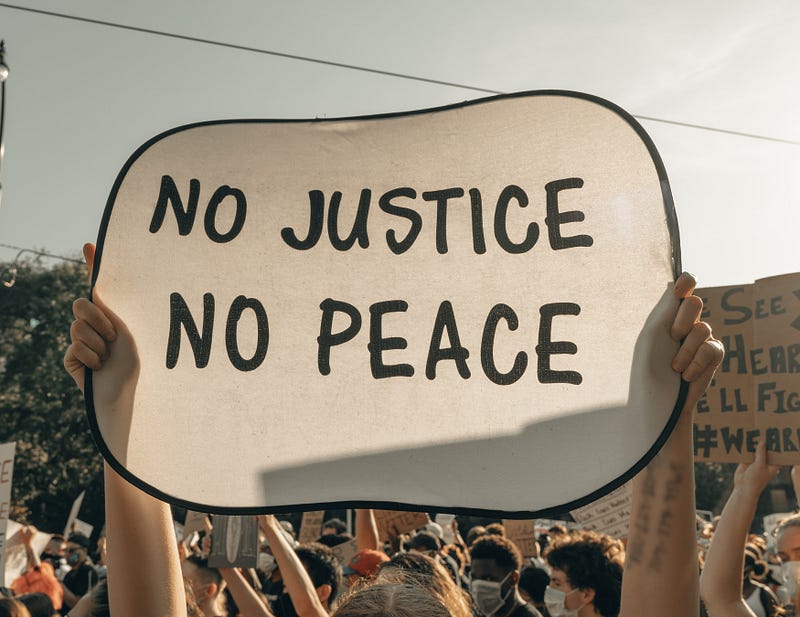
The exterior of drag is often adorned with extravagant makeup, lashes, and wigs, but have no doubt: Drag is a political act. At its most basic premise, drag challenges gender norms by expressing different gender identities in an often stylized way. Drag entertainers have long been on the frontlines of political movements like fighting for equal rights, marriage equality, and bringing attention to the AIDS crisis. Most recently, Black drag queens continue this legacy at Black Lives Matter events.
In part due to the silence around and co-opting by white vegans of Black Lives Matter, there is a need to call for pro-intersectional veganism. Intersectional veganism is veganism that is aware and attentive to other forms of oppression, such as but not limited to sexism, racism, classism, speciesism, and ableism, and recognizes that these forms of oppression are interconnected and often enforce one another.
To simply abstain from consuming meat and dairy products is not enough. I got to chat with vegan drag queen and activist Honey LaBronx about intersectional veganism and using her platform to garner attention about police brutality.
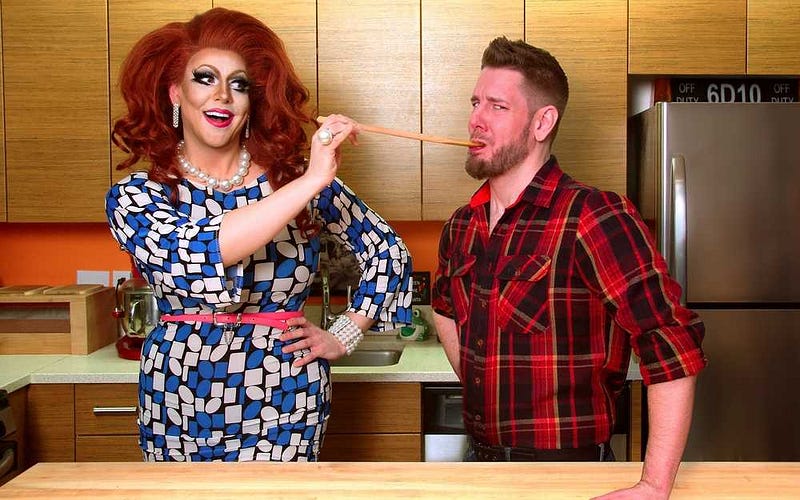
Honey LaBronx is an entertainer and activist who uses her platform to speak up for animal rights, LGBTQ rights, homeless queer youth, and people in recovery from drugs and alcohol. She has a cooking show called “The Vegan Drag Queen” where one can catch her blending smoothies, garnishing hummus excessively with dill, or even trying dumpster diving for the first time. She makes veganism accessible with comedy and compassion.
‘There is naturally a lot of overlap in whether we’re fighting for social justice for humans or social justice for non-human animals. At the end of the day, these are upheld by a lot of the same power structures.’
LaBronx utilizes the stage to amplify social justice issues and explains how drag is a vehicle to do this. She says, “Because I am presenting as a character I created, people listen to me in a way they might not usually.” It’s an invitation to allow these topics to land differently masqueraded by an entertainer in costume. She expresses how in drag, she gets away with speaking about controversial topics that might not be received in the same way without the attire and spotlight. At first, an audience might think she is joking but as she sings a song about white privilege, they slowly learn she is not.
What then, does one do with a spotlight? For LaBronx, as much as drag is about being seen, to her it’s more important to be heard. We talked about the responsibility of using one’s platform to speak about racism and police brutality, and she states:
“I really believe that anyone who has a platform has an obligation to use it. I HOPE what people are beginning to see is that this is a widespread problem. This isn’t a matter of turning in ‘the bad cops,’ this is a matter of the entire policing system in this country is racist by design and what we are seeing are not just a few accidental ‘oopsies.’”
The point of pro-intersectional veganism isn’t about hierarchy; it’s about how social justice issues conflate, correspond, and oppress. The term intersectionality was coined by feminist scholar Kimberlé Crenshaw to explain the specific oppression Black women face not as women or as Black people, but the compounding of both parts. In her incredible TED Talk she states, “Without frames that allow us to see how social problems impact all the members of a targeted group, many will fall through the cracks of our movements left to suffer in virtual isolation. But it doesn’t have to be this way.”
It’s a call to consider the intersection of all factors, not just one piece. LaBronx expresses, “I recognize that I can use my platform to do this, and there is naturally a lot of overlap in whether we’re fighting for social justice for humans or social justice for non-human animals. At the end of the day, these are upheld by a lot of the same power structures.”
Let me carefully distinguish that Black Lives Matter and animal rights are not the same fight. Intersectionality is about paying attention to both individual fights and the multiple systems that create and contribute to oppression.
We can’t claim to be against animal cruelty while ignoring or dismissing violence against the Black community.
Mainstream veganism has been whitewashed and in many ways co-opted from vegans of color who have been eating plant-based for just as long, if not longer than white vegans. The term veganism wasn’t coined until 1944, whereas the diet in Rastafarianism that encourages plant-based eating existed in the 1930s and is thought to have evolved from Hindu traditions. Other religions like Buddhism, Jainism, and the Black Hebrew Israelite community, also encouraged nonviolence or veganism.
Intersectional veganism should be what all vegans stand for, as it pays attention to the suffering of all marginalized groups rather than just the suffering of animals. We can’t claim to be against animal cruelty while ignoring or dismissing violence against the Black community. LaBronx calls for white people to own their racism and fix it by engaging in uncomfortable conversations.
What does intersectional veganism look like? Right now it looks like moving over and NOT co-opting the Black Lives Matter movement to incorporate animal lives. It looks like calling out racism in the vegan community and dismantling ways that the mainstream vegan movement upholds white supremacy such as exploiting farmworkers.
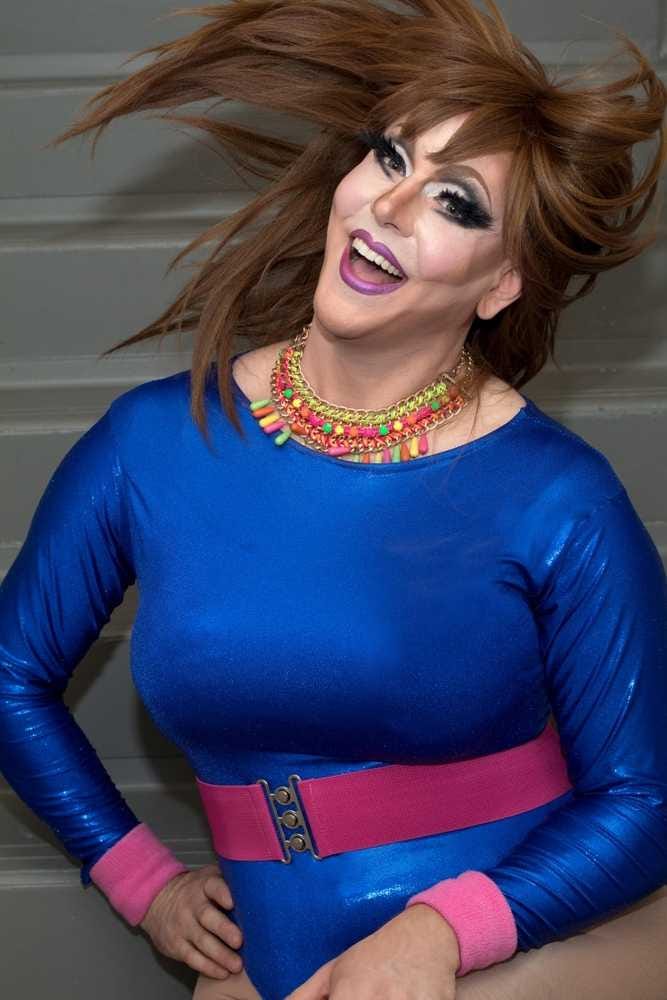
This year, Honey LaBronx celebrated Pride by amplifying the voices of BIPOC and calling for justice for Breonna Taylor as well as Elijah McClain (both who were murdered by police). After all, Pride started as a riot against police brutality.
When our veganism is intersectional it pays attention to all marginalized groups, not just animals. When our veganism is intersectional it has greater potential to challenge and change the systems that oppress.