Peru and Ayahuasca Diaries
August 24th, Thursday — Rainbow Mountain
In the days leading up to this, I didn’t write much. All I can say is that everything I saw was incredibly impressive, and it’s hard to believe how they could accomplish all this, back in that era.
One of the tour guides talked about the six great civilizations of the world; Peru (the Incas), Mexico (the Mayans and Aztecs), China, India, sadly now Arabized Egypt, and then Mesopotamia, which is close to our area. What these six civilizations achieved is genuinely mind-boggling. The Incas were seemingly knowledgeable in engineering, astronomy, mathematics, and natural sciences, at least as much as we are today.
Today, I had the Rainbow Mountain tour. I’ve been thinking about how I’ll wake up and reach the meeting point at 4:00 a.m. Anyway, I figured out to be at the meeting point on time and we moved with the minibus at 4:30. I understood why the tour started this early when I arrived at the destination. The sun is so intense at that altitude that, if you haven’t finished climbing the mountain and coming down till noon, or if you haven’t been sufficiently protected with sunscreen, your skin can blister.
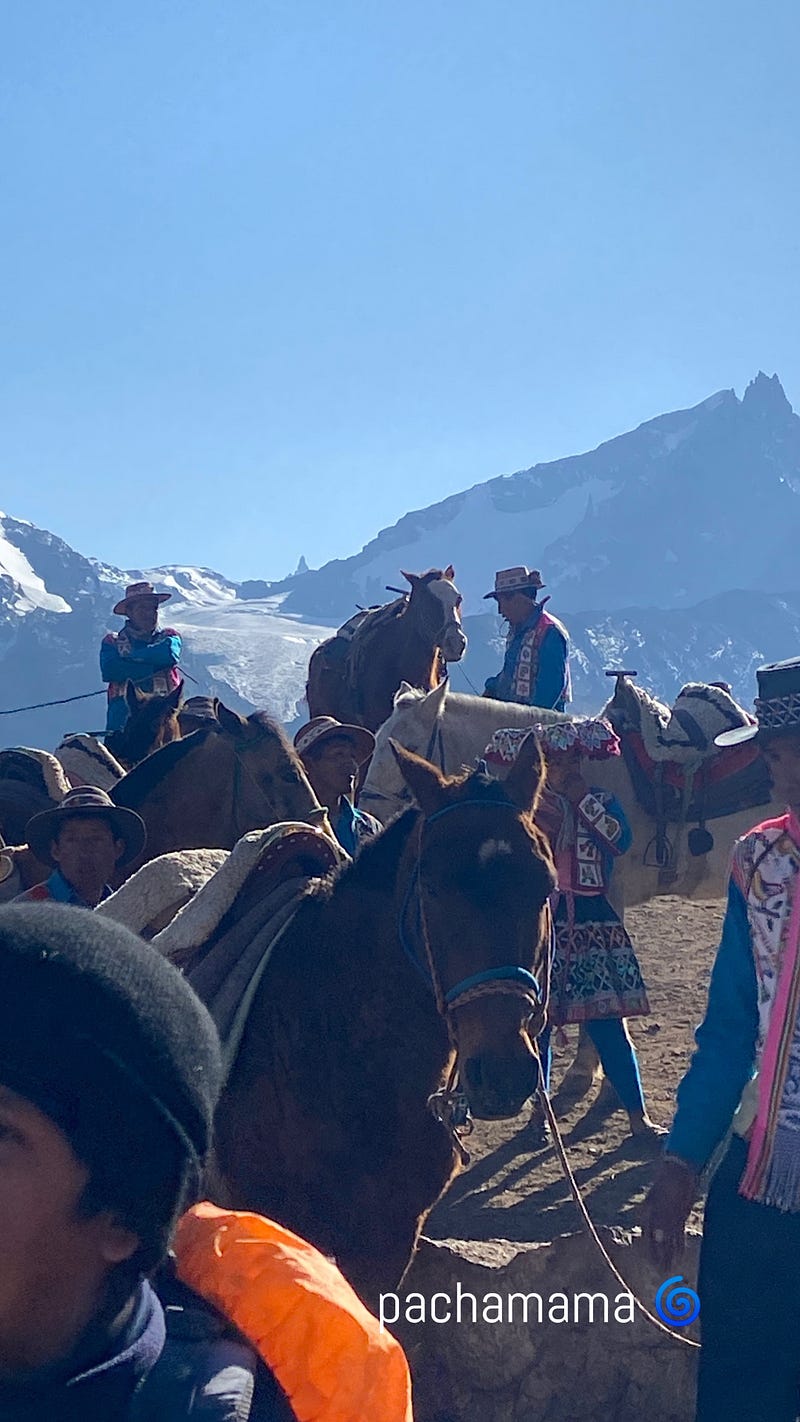
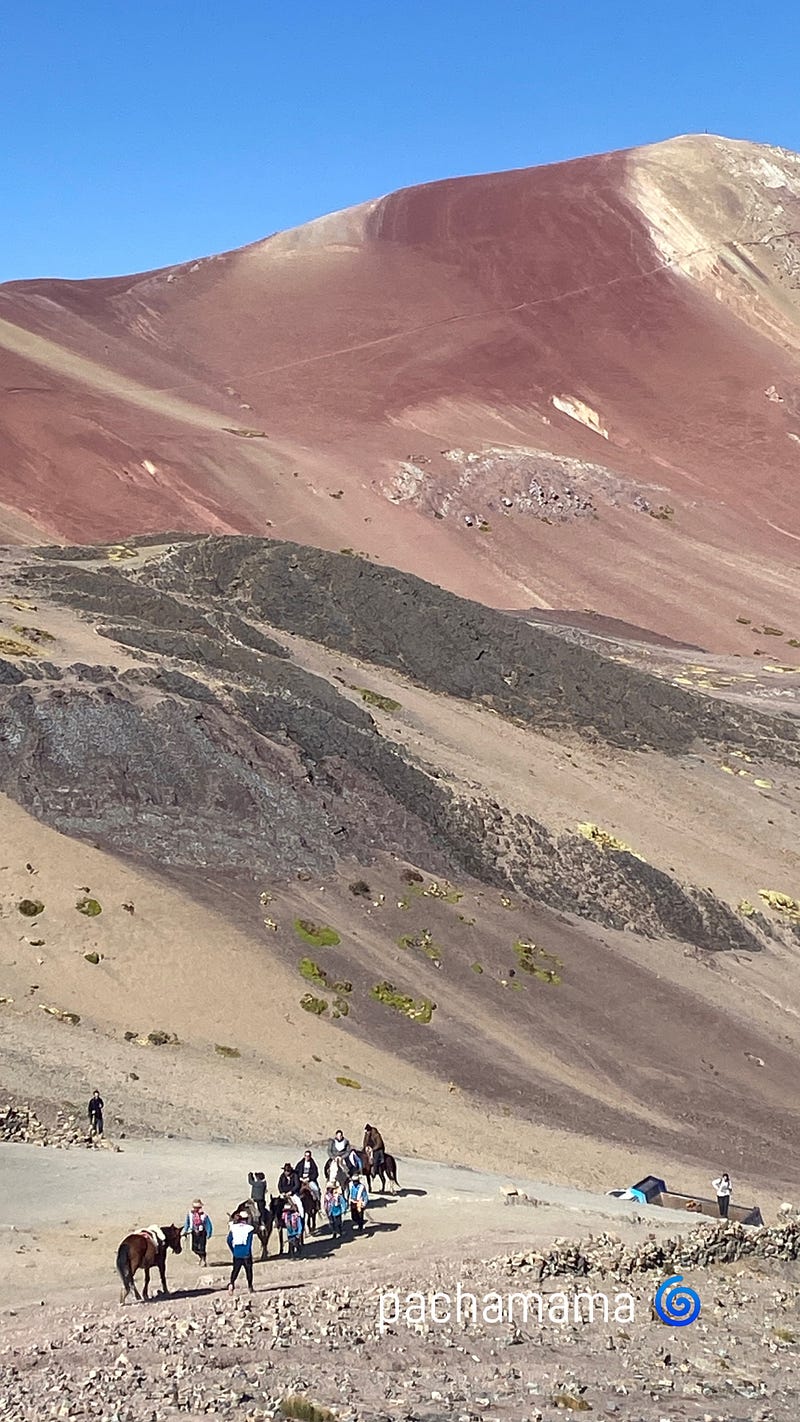
Rainbow Mountain’s summit is at 5,000 meters. You can reach a certain point by minibus. At this final point, Caballeros and Caballerias (female and male companions) wait with the horses. The guide, at this point, warned people that the path we were about to take was very steep and suggested to hike or ride a horse to the summit, depending on how athletic they look. I was among the majority who were recommended to rent a horse. And I’m glad I was. As we ascended, the oxygen levels decreased, and we reached the summit by almost crawling.
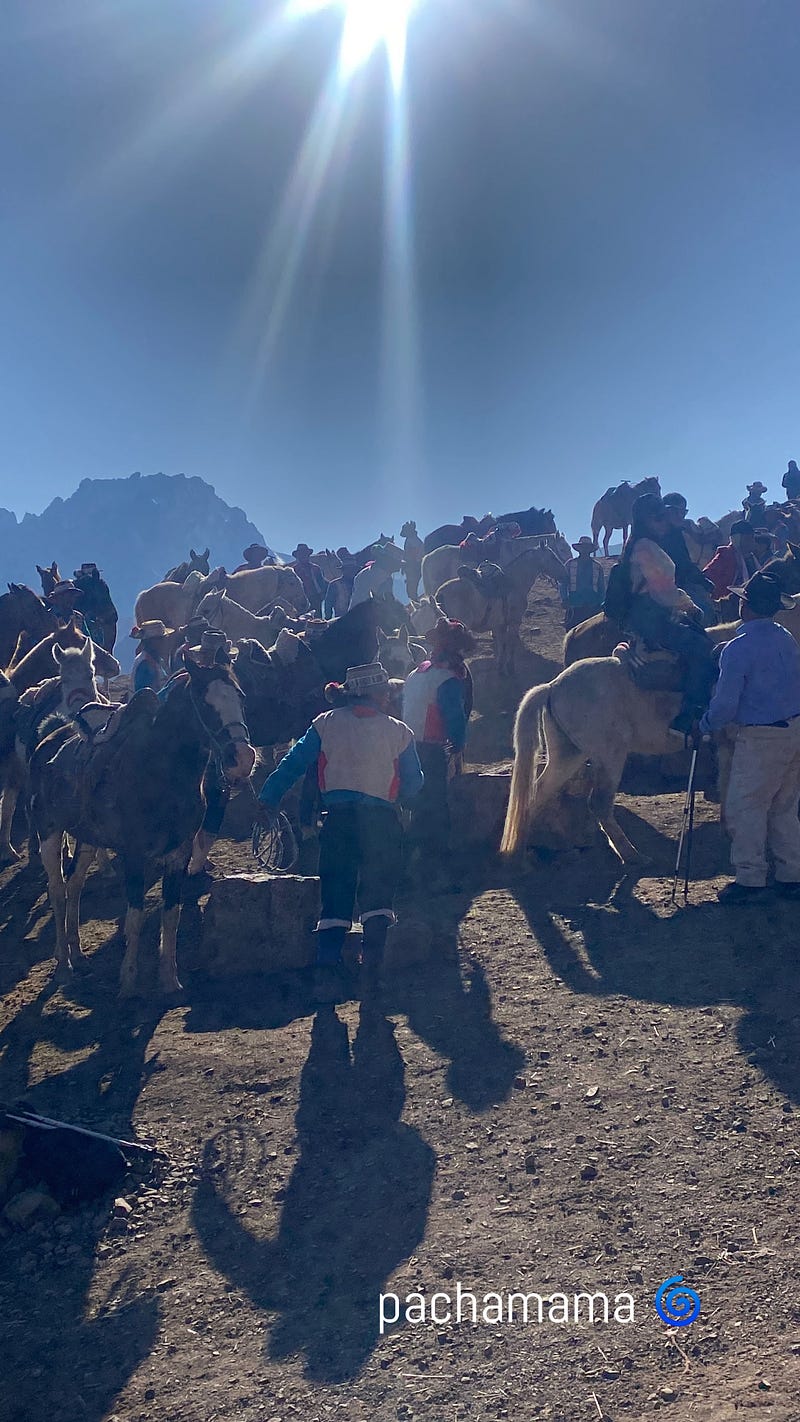
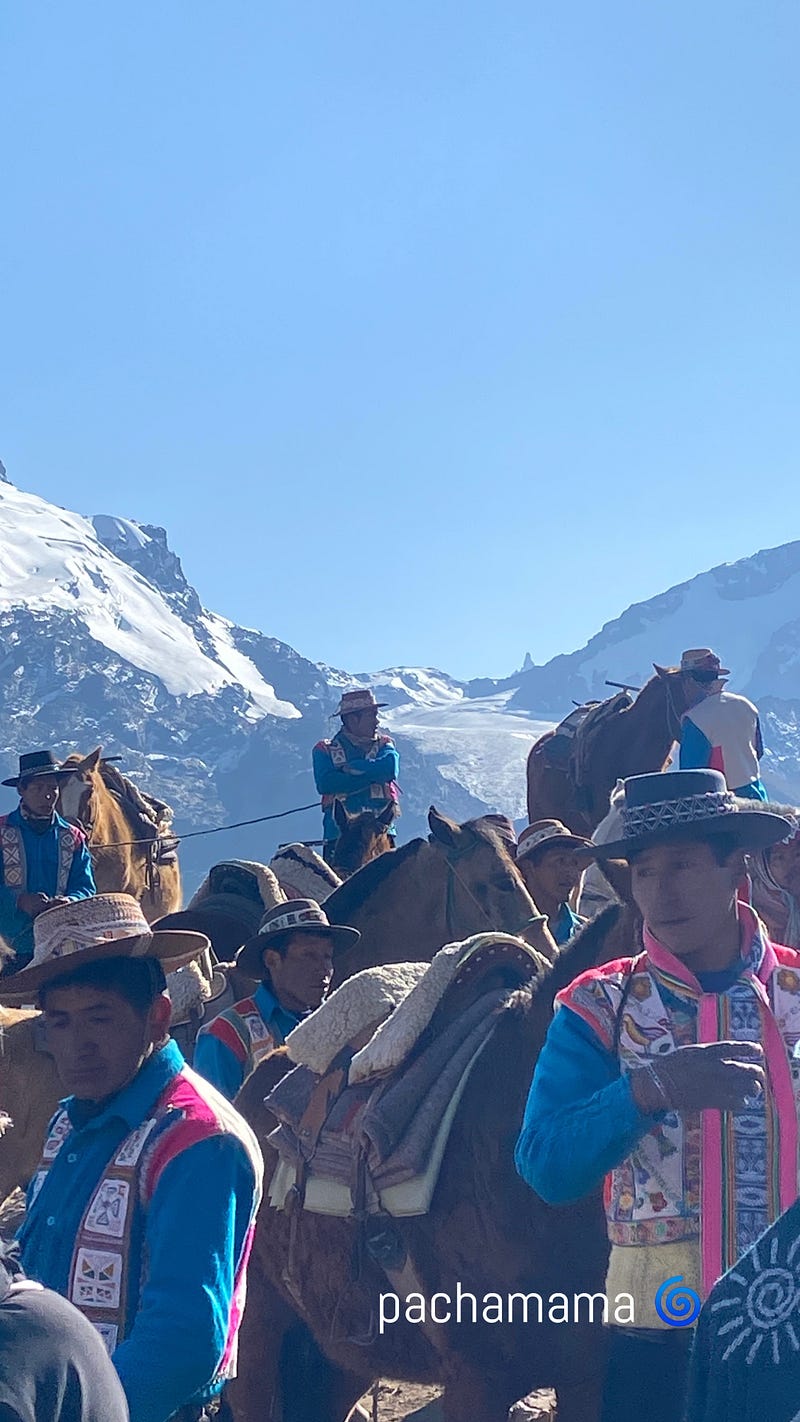
The horse-riding part was a bit terrifying for me. My caballero was chasing the tour guide to get his payment, while he was doing some fast and unpredictable movements. I clung to the reins with both hands, desperately telling him “sir, slow down please, tranquila.” Anyway, I managed to catch the guide and speed up the payment process somehow, which made the rest of the climb less adventurous. I missed some fantastic photo opportunities along the way with the fear of falling. I’m etching those just in my memory for now.
The situation with these companions is as follows; every morning, it seems dozens of tour groups arrive there around 9:30. Caballeros act like a taxi service, carrying people on horses, and as soon as they drop someone off, they rush down with the horse to pick up a new passenger. Most tourists probably use the horse only to go up and prefer to walk down. Some want to try their luck while going up and may feel exhausted on the way. So, they open their eyes to catch these emergencies also. In that case, they need to be as fast as possible and get as many customers as possible in 2 hours daily. They run up and down the mountain very easily, like walking on the straight way. There are women among them too, and none of these people look like athletes indeed.
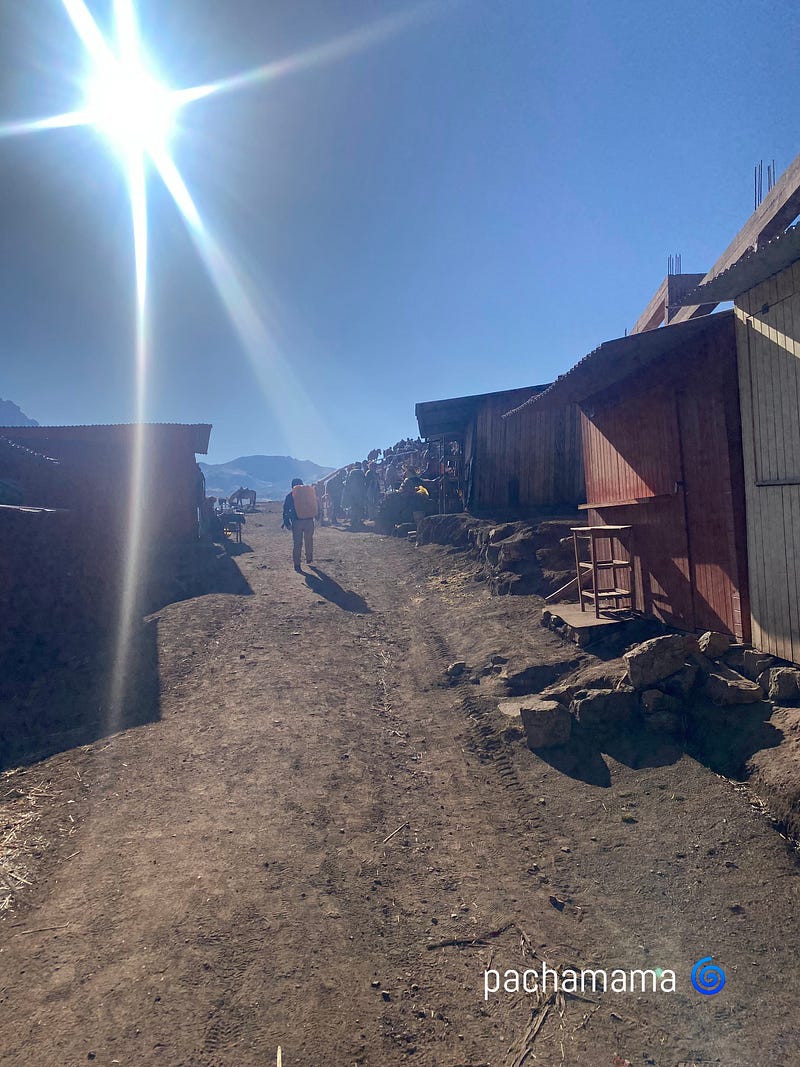
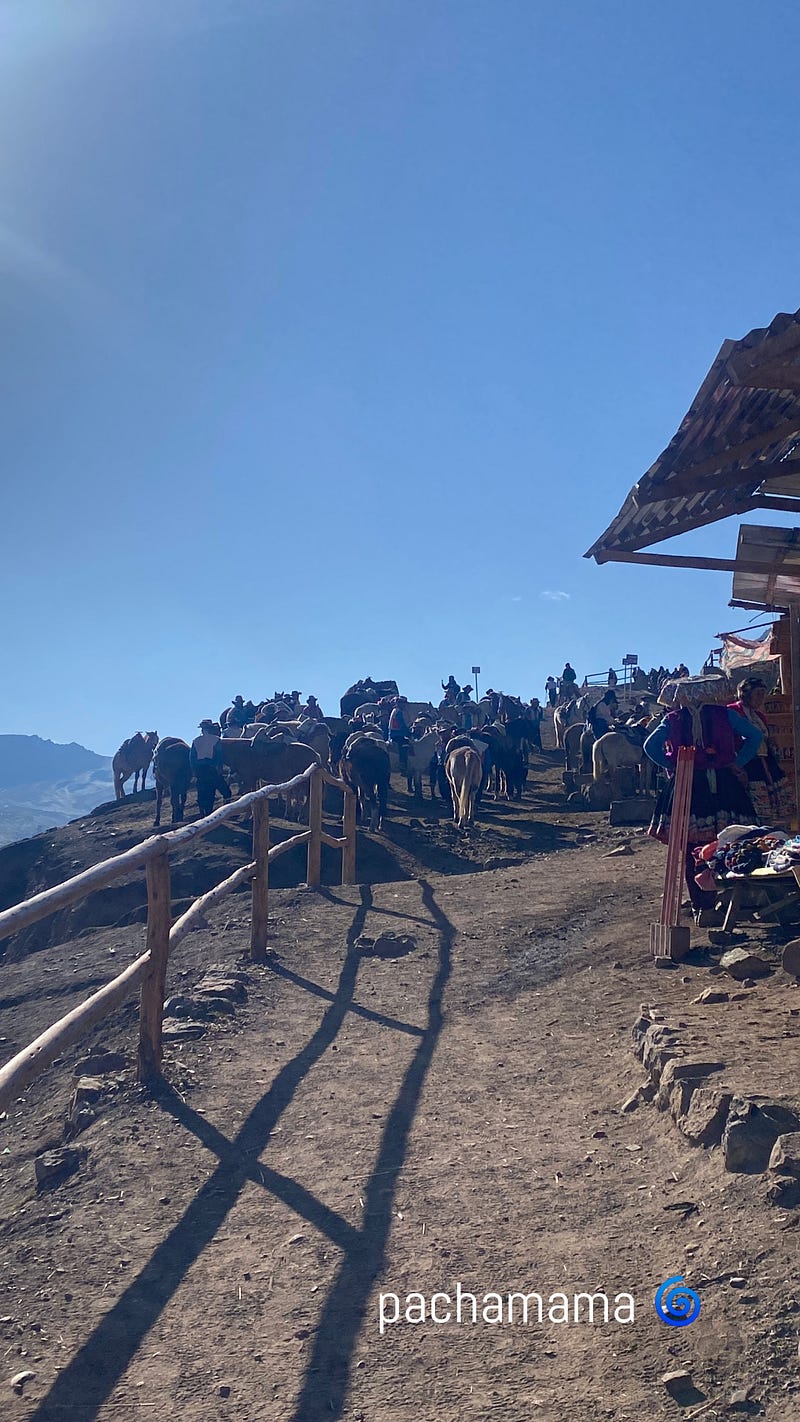
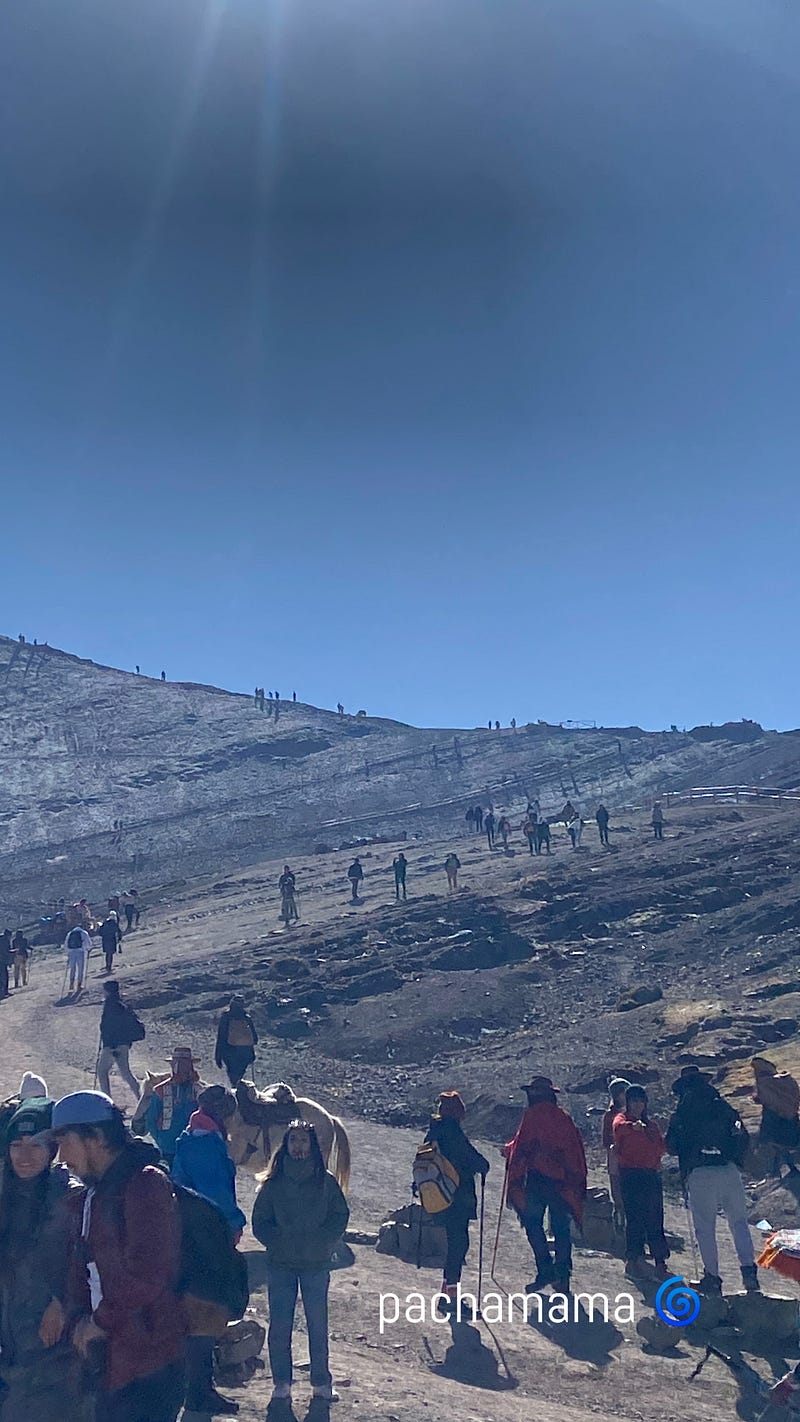
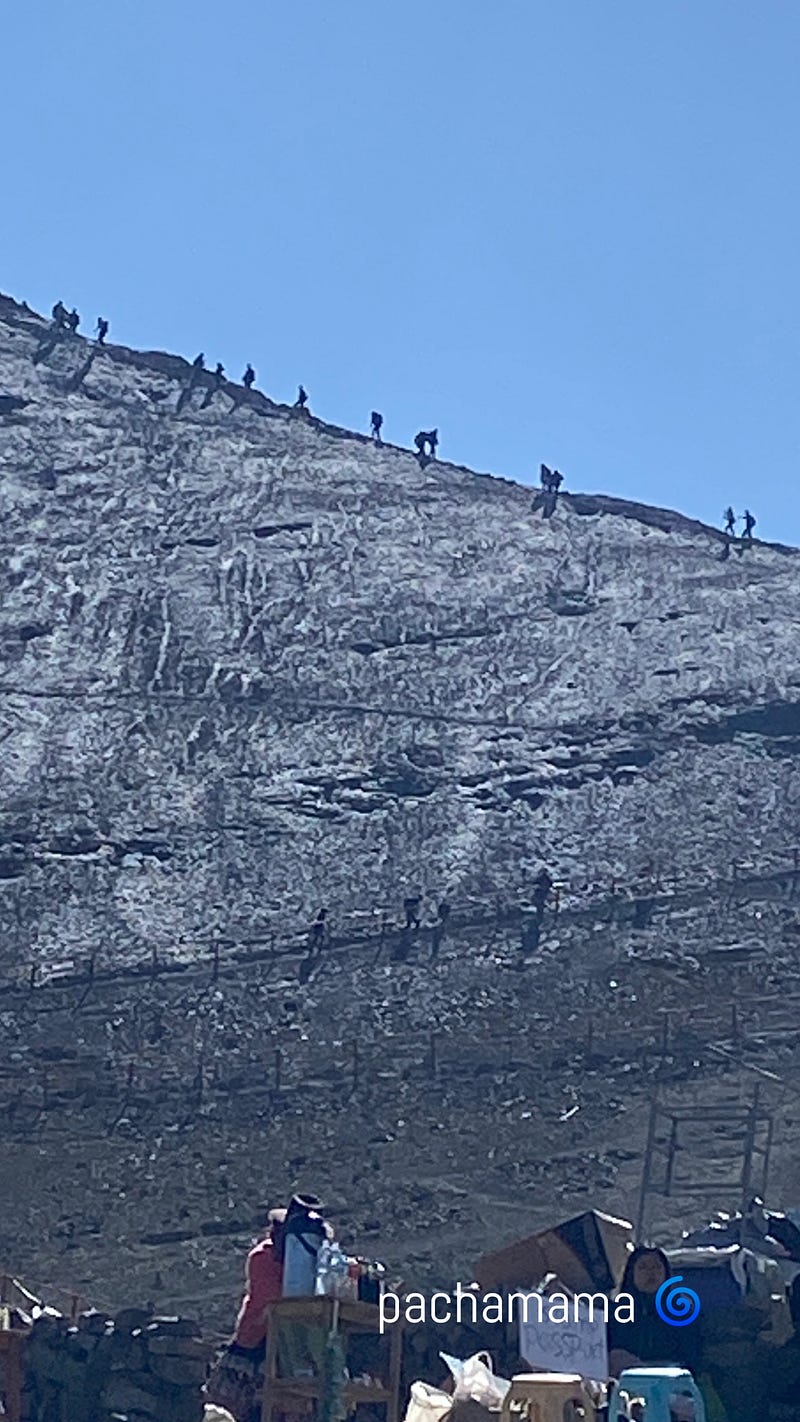
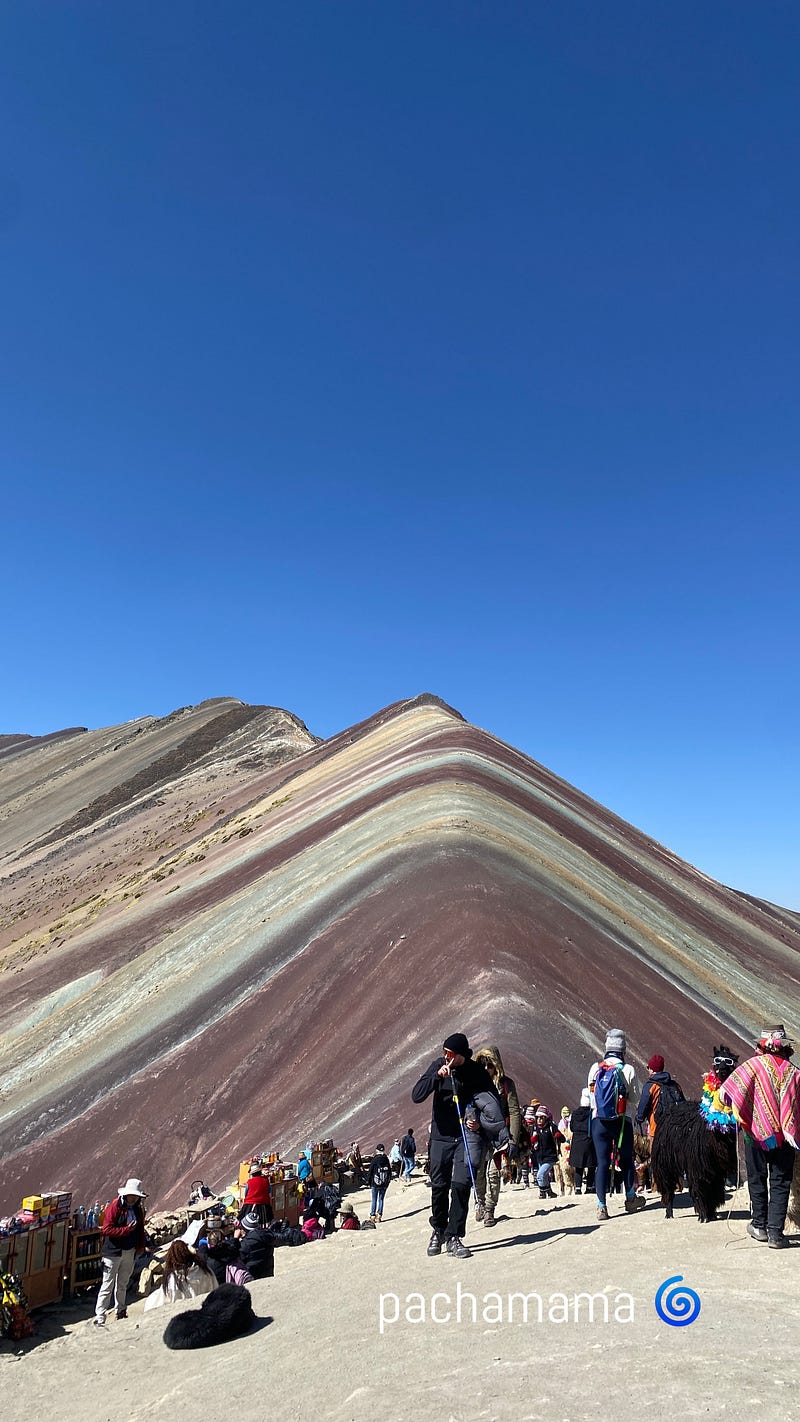
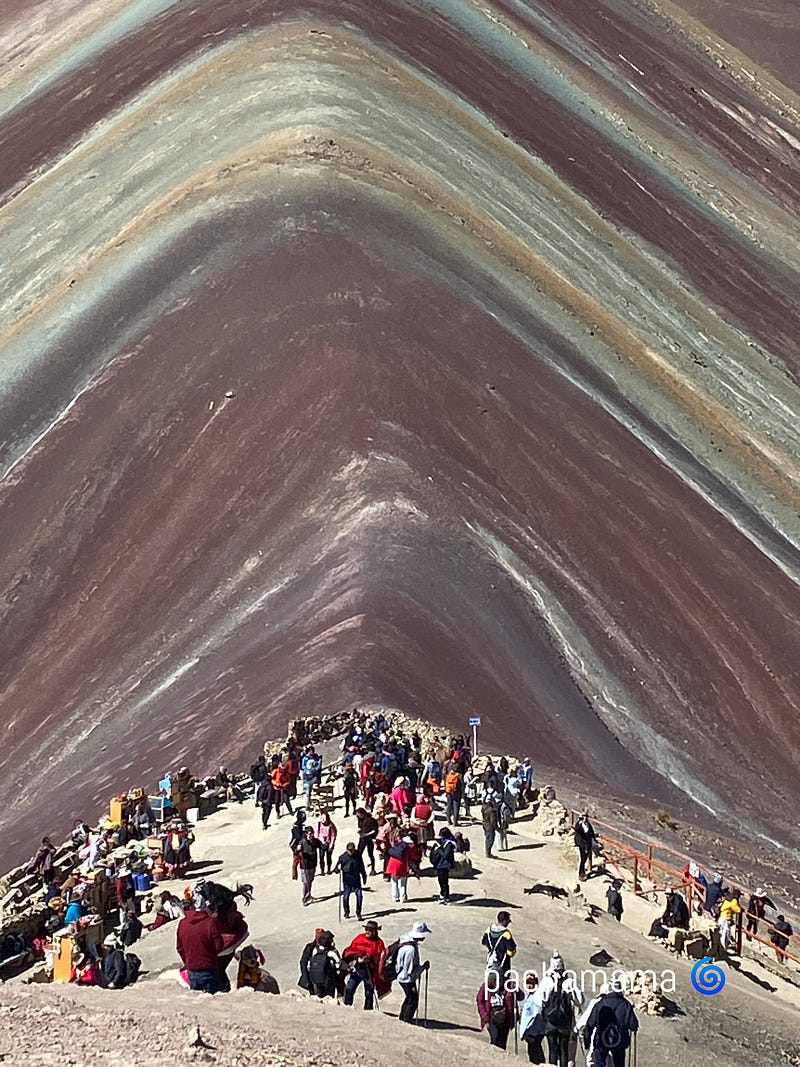
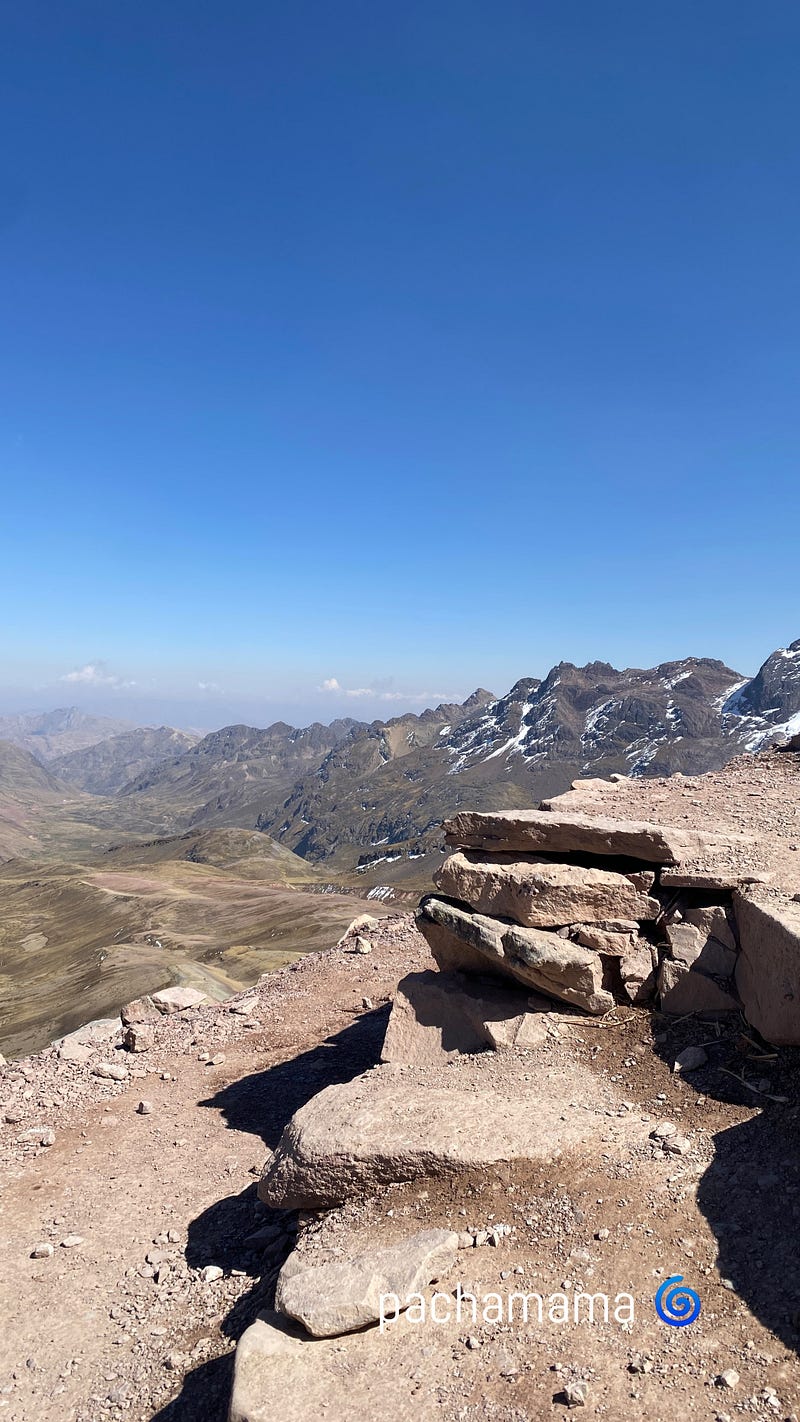
Since coming to Peru, I’ve felt like I’ve genuinely observed what it’s like to be “indigenous.” I haven’t seen any indigenous people anywhere I’ve been in any country, living life in such an authentic way, without mingling with the whites and diluting their heritage.
I hiked the last 3.5 km on horseback and then climbed to the summit with my walking stick. The descent, which I think was approximately 4.5–5 km, was fantastic.
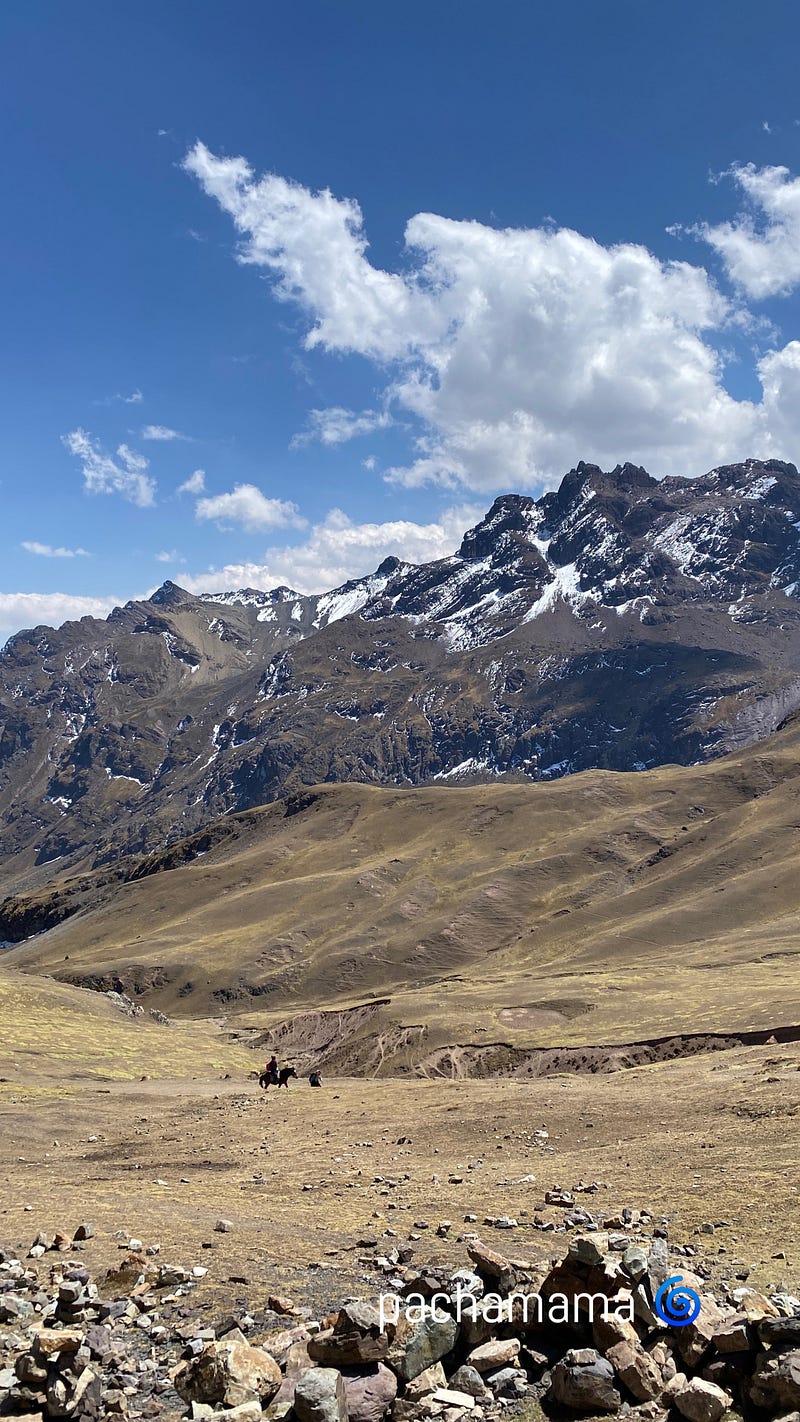
Both the climbing and descending the mountain are not being done as a group. Tour guides announce the departure time for the minibus and allow everyone to climb the mountain at their own speed take their time up there, and then start the descent whenever they want. By the time you come back down, the sun has already risen and the weather is warm. You’ve taken off sweaters and heavy clothes, on top of which you’ve already experienced to make it to the summit. You head down on the return walk, in the mild weather, without anyone too close in front or behind. With my staff (or just the walking stick) in hand, I felt like the master of the world during that walk.