avatarData Overload

Free AI web copilot to create summaries, insights and extended knowledge, download it at here

2363

Abstract

a few examples of how dynamic trend detection might be used in different contexts:</p><ul><li><b>Financial markets</b>: A financial institution might use dynamic trend detection to track changes in market conditions, such as changes in the prices of stocks or other securities. This could help the institution make informed decisions about investments and risk management.</li></ul><figure id="66a3"><img src="https://cdn-images-1.readmedium.com/v2/resize:fit:800/0*Q9Uv-x-gyKhtvjwe"><figcaption>Photo by <a href="https://unsplash.com/@jamie452?utm_source=medium&amp;utm_medium=referral">Jamie Street</a> on <a href="https://unsplash.com?utm_source=medium&amp;utm_medium=referral">Unsplash</a></figcaption></figure><ul><li><b>Marketing</b>: A company might use dynamic trend detection to track changes in consumer behavior, such as changes in product demand or purchasing patterns. This could help the company adjust its marketing strategies and target its efforts more effectively.</li><li><b>Supply chain management</b>: A supply chain management organization might use dynamic trend detection to track changes in demand for products or raw materials, and to identify potential bottlenecks or disruptions in the supply chain. This could help the organization optimize its operations and improve efficiency.</li></ul><figure id="eca7"><img src="https://cdn-images-1.readmedium.com/v2/resize:fit:800/0*LcyXuM2YHnSeqqOK"><figcaption>Photo by <a href="https://unsplash.com/@jacqoto?utm_source=medium&amp;utm_medium=referral">Jacques Dillies</a> on <a href="https://unsplash.com?utm_source=medium&amp;utm_medium=referral">Unsplash</a></figcaption></figure><ul><li><b>Healthcare</b>: A healthcare organization might use dynamic trend detection to track changes in patient health data over time, and to identify trends that could indicate the need for further medical intervention. This could help improve patient outcomes and reduce the risk of adverse events.</li></ul><p id="1fda">These are just a few examples of how dynamic trend detection might be used. There are many other potential applications, depending on the specific needs and goals of the user.</p><p id="fc9d">There are several reasons why you might want to use dynamic trend detection:</p><ul><li><b>To identify opportunities or risks</b>: By detecting trends early, you may be able to take advantage

Options

of emerging opportunities or mitigate potential risks.</li></ul><figure id="3c47"><img src="https://cdn-images-1.readmedium.com/v2/resize:fit:800/0*LKTRcww5JKwSDbnz"><figcaption>Photo by <a href="https://unsplash.com/@homajob?utm_source=medium&amp;utm_medium=referral">Scott Graham</a> on <a href="https://unsplash.com?utm_source=medium&amp;utm_medium=referral">Unsplash</a></figcaption></figure><ul><li><b>To improve decision-making</b>: Dynamic trend detection can provide valuable insights that can help inform decision-making processes.</li><li><b>To optimize operations</b>: By detecting and responding to trends in real-time, you may be able to optimize your operations and improve efficiency.</li></ul><p id="6671">Some of the advantages of dynamic trend detection include:</p><ul><li><b>Real-time analysis</b>: With dynamic trend detection, you can analyze data as it is being collected, rather than having to wait for a batch of data to be collected and analyzed.</li><li><b>Adaptability</b>: Dynamic trend detection can help you adapt to changing circumstances or conditions by detecting and responding to trends in real-time.</li><li><b>Improved accuracy</b>: By analyzing data in real-time, you may be able to identify trends more accurately and quickly than if you had to wait for a batch of data to be collected.</li></ul><p id="c545">There are also some disadvantages to consider:</p><ul><li><b>Complexity</b>: Dynamic trend detection can be complex and may require specialized software and/or hardware to implement.</li><li><b>Resource requirements</b>: Real-time analysis can be resource-intensive, and may require significant computing power and data storage capacity.</li><li><b>False positives</b>: There is a risk of false positives, where trends are detected that do not actually exist. This can be mitigated through careful design and validation of the trend detection algorithm.</li></ul><p id="c87b">Overall, dynamic trend detection can be a powerful tool for identifying and tracking trends in data streams. Whether or not it is the best approach for a given situation will depend on the specific needs and resources of the user.</p><p id="6cbb">This was all from my side about dynamic trend detection. If you found this article useful, please give it a <b>clap</b> and share it with others!</p><p id="832c">Thanks!</p></article></body>

Dynamic Trend Detection

This is my fourth post related to clustering, you can read the first post below.

This story was written with the assistance of an AI writing program.

Dynamic trend detection is a technique used to identify and track trends in data over time. It involves continuously analyzing a data stream in real-time or near real-time, and detecting changes or patterns in the data that may indicate a trend.

Dynamic trend detection can be used in a variety of contexts, such as in business, finance, marketing, and other fields where it is important to understand and respond to changes in data over time. For example, a company might use dynamic trend detection to identify changes in consumer demand for a product, or to track changes in market conditions that might impact the performance of its investments.

There are several different approaches to dynamic trend detection, including statistical methods, machine learning algorithms, and pattern recognition techniques. The specific approach used will depend on the nature of the data and the specific needs of the user.

Dynamic trend detection can be a powerful tool for identifying and tracking trends in data streams. However, it can also be complex and resource-intensive, and there is a risk of false positives, where trends are detected that do not actually exist. Therefore, it is important to carefully consider the potential benefits and limitations of dynamic trend detection in any given situation.

Here are a few examples of how dynamic trend detection might be used in different contexts:

  • Financial markets: A financial institution might use dynamic trend detection to track changes in market conditions, such as changes in the prices of stocks or other securities. This could help the institution make informed decisions about investments and risk management.
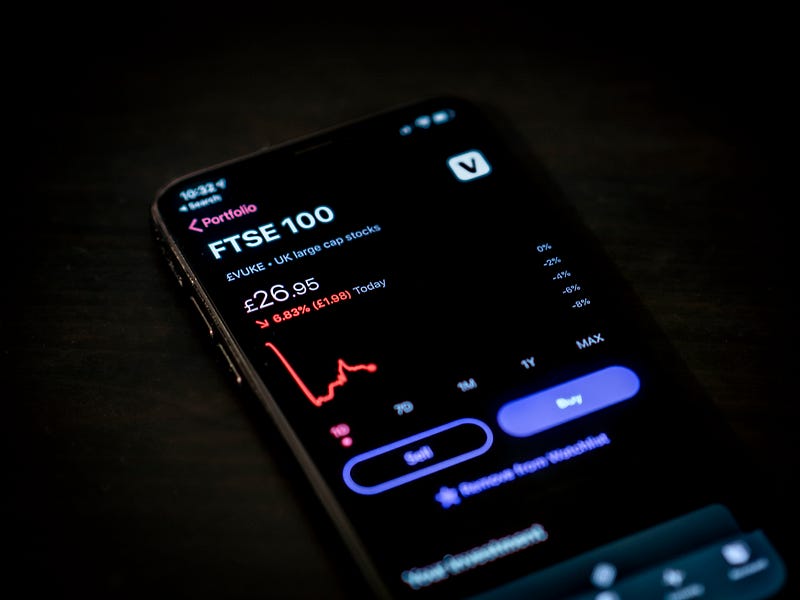
Photo by Jamie Street on Unsplash
  • Marketing: A company might use dynamic trend detection to track changes in consumer behavior, such as changes in product demand or purchasing patterns. This could help the company adjust its marketing strategies and target its efforts more effectively.
  • Supply chain management: A supply chain management organization might use dynamic trend detection to track changes in demand for products or raw materials, and to identify potential bottlenecks or disruptions in the supply chain. This could help the organization optimize its operations and improve efficiency.
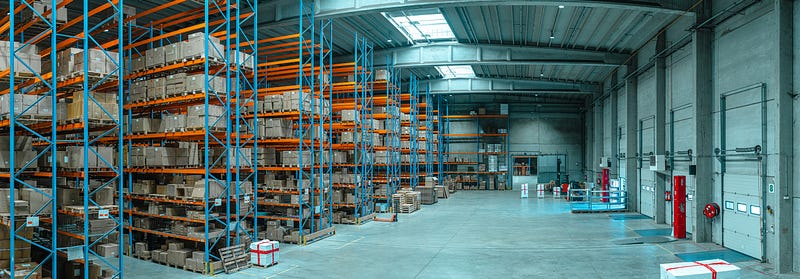
Photo by Jacques Dillies on Unsplash
  • Healthcare: A healthcare organization might use dynamic trend detection to track changes in patient health data over time, and to identify trends that could indicate the need for further medical intervention. This could help improve patient outcomes and reduce the risk of adverse events.

These are just a few examples of how dynamic trend detection might be used. There are many other potential applications, depending on the specific needs and goals of the user.

There are several reasons why you might want to use dynamic trend detection:

  • To identify opportunities or risks: By detecting trends early, you may be able to take advantage of emerging opportunities or mitigate potential risks.

Photo by Scott Graham on Unsplash
  • To improve decision-making: Dynamic trend detection can provide valuable insights that can help inform decision-making processes.
  • To optimize operations: By detecting and responding to trends in real-time, you may be able to optimize your operations and improve efficiency.

Some of the advantages of dynamic trend detection include:

  • Real-time analysis: With dynamic trend detection, you can analyze data as it is being collected, rather than having to wait for a batch of data to be collected and analyzed.
  • Adaptability: Dynamic trend detection can help you adapt to changing circumstances or conditions by detecting and responding to trends in real-time.
  • Improved accuracy: By analyzing data in real-time, you may be able to identify trends more accurately and quickly than if you had to wait for a batch of data to be collected.

There are also some disadvantages to consider:

  • Complexity: Dynamic trend detection can be complex and may require specialized software and/or hardware to implement.
  • Resource requirements: Real-time analysis can be resource-intensive, and may require significant computing power and data storage capacity.
  • False positives: There is a risk of false positives, where trends are detected that do not actually exist. This can be mitigated through careful design and validation of the trend detection algorithm.

Overall, dynamic trend detection can be a powerful tool for identifying and tracking trends in data streams. Whether or not it is the best approach for a given situation will depend on the specific needs and resources of the user.

This was all from my side about dynamic trend detection. If you found this article useful, please give it a clap and share it with others!

Thanks!

Clustering
Machine Learning
Artificial Intelligence
Data Science
Trend Analysis
Recommended from ReadMedium