
“Drugs”: Natural O(ve)r Synthetic
Are some drugs better than others? What makes something a drug?
My parents were both anti-drug, their perspectives informed by their upbringings and mainstream culture that pushed the “all drugs are bad” narrative.
My dad, an academic, essentially only sought chemical routes like caffeine and sugar to get his fixes; he did allow himself the occasional alcoholic drink, but he never had a consistent habit of drinking. He believed other substances that could diminish his productivity or clarity of mind, were, essentially, poisons not to be interfered with. My mom believed similarly, her views informed as well by her Jewish heritage and sense that medications, which could have an array of undesirable side effects, were to be avoided if possible.
In veering toward safety, my parents clung to their comfort zones and routines, unaware or perhaps in denial that they were simply trading some chemical fixes for others. Processed foods and sugar probably were the sneakiest culprits that they unwittingly fell prey to, unknowingly lured by the drug-like addictiveness of substances so normalized. They rarely questioned the toxicity of these substances in their unwillingness to change their routines or consumption patterns.
My dad has since passed from colon cancer, and my mom is still alive and seemingly healthy, minus the symptoms associated with old age and a lurch in her walk and her gait due to a knee injury. They both were slim in their young adulthood but both put on weight as they aged, separately, as they had gone their separate ways since having us. Yet the parallels in their lifestyle habits and ailments are unmistakable. It is no coincidence that they both always veered toward a scarcity mindset despite being comfortable.
The steady decline that we normalize as part of the aging process, is, I would argue, rather a symptom of the toxicity of the industrialized lifestyle. It is no coincidence that the acronym for the Standard American Diet is S.A.D. With a cultural reliance on cars for transport and the proliferation of junk food and fast food over whole foods, we as a society have been in decline, spiritually, physically, and mentally.
Wherever you stand on the side of vaccinations, you can’t blame people for being skeptical and suspicious of the medical-industrial complex, where Big Pharma has pushed out cannabis and other earth medicines that often treat both symptoms and root causes in a way much more aligned to our bodies. Conventional Western medicine has succeeded, in many ways, at treating symptoms, yet it struggles to treat chronic mental and physical health ailments. It struggles to get to the root causes of diseases or inflammation. The role of lifestyle and nutrition are too infrequently addressed when assessing health conditions, particularly chronic ones. Our traditional medical system is designed to treat illness but not to promote wellness.
Let us begin to question the narrative that all drugs from Western medicine are good (or bad, if you are one of the blind believers of Western medicine in the name of “science”) and that natural, mind-altering substances are bad. Let us stop calling modalities outside of the Western conventional approach “alternative” healing modalities and stop inferiorizing and shunning them.
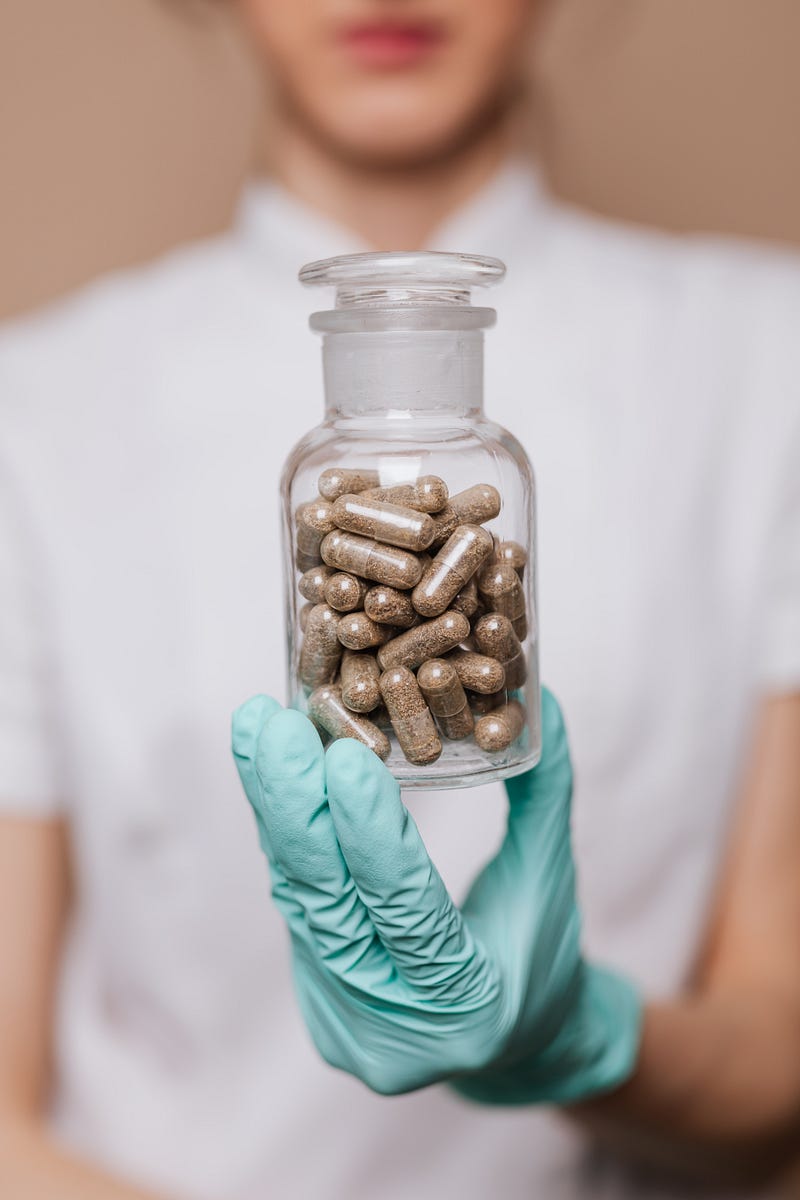
Processed foods are drugs just as any other chemical is. Caffeine is a drug that has become dangerously normalized at a global scale. The green wave of cannabis’s legalization and the psychedelic renaissance have already received much backlash, much of it well-deserved.
The fundamental importance of doing your own research in treating any kind of health condition or taking any kind of substance (or following any particular diet) cannot be underestimated. We are only beginning to understand the importance of contextualizing the treatment with integration and support.
Natural medicines and healthy relationships with ourselves and others can help to remind us that we are our own best healers, that we need to listen to our body, that we should trust ourselves as the ultimate authority and not place authority for our own healing outside of us.
Like my reading? Use my referral link to support me and become a Medium reader today.
Your membership fee directly supports HealingLivMama and other writers you read. You’ll also get full access to every story on Medium.
You can also support me by buying me a coffee — https://www.buymeacoffee.com/healinglivmama
References:
Ashraf S. A. et al. (June 2020). “Cordycepin for Health and Wellbeing: a Potential Bioactive Metabolite of an Entomopathogenic Medicinal Fungus Cordyceps with Its Nutraceutical and Therapeutic Potential.” Molecules. https://www.ncbi.nlm.nih.gov/pmc/articles/PMC7356751/
Canal, C. E., & Murnane, K. S. (2017). The serotonin 5-HT2C receptor and the non-addictive nature of classic hallucinogens. Journal of Psychopharmacology (Oxford, England), 31(1), 127–143. http://doi.org/10.1177/0269881116677104
Carhart-Harris, R.L, Roseman, L., Bolstridge, M., Demetriou, L., et al. (2017). “Psilocybin for treatment-resistant depression: fMRI-measured brain mechanisms.” Scientific Reports. 1307. https://www.nature.com/articles/s41598-017-13282-7
Esposito, Lisa. (January 27, 2017). Magic mushrooms as mental health treatment. U.S. News & World Report. https://health.usnews.com/wellness/articles/2017-01-27/magic-mushrooms-as-mental-health-treatment
Isokauppila, Tero. (March 14, 2019). The healing power of mushrooms. YouTube. https://www.youtube.com/watch?v=VZnGwFblXpA&t=2s&ab_channel=TalksatGoogle
Jain, Shamini, Ph.D. (2021). Biofield Science and the Future of Health. Sounds True.
Kirsch, I. (2010). The emperor’s new drugs: Exploding the antidepressant myth. Basic Books.
Lake, Ricki & Epstein, Abby. (2018). Weed The People. https://www.weedthepeoplemovie.com/
Maroon, J., Bost, J. (April 26, 2018). Review of the neurological benefits of phytocannabinoids. 9:91. Retrieved from: http://surgicalneurologyint.com/surgicalint-articles/review-of-the-neurological-benefits-of-phytocannabinoids/
Merry Jane. (2020). The CBD Solution: How Cannabis, CBD, and Other Plant Allies Can Change Your Everyday Life. Lauren Wilson, Ed. Chronicle Books.
Pollan, Michael. (2018). How to Change Your Mind: What the New Science of Psychedelics Teaches Us About Consciousness, Dying, Addiction, Depression, and Transcendence. Penguin Books: New York.
Rediger, Jeffrey, M.D. (2020). Cured: Strengthen Your Immune System and Heal Your Life. Flatiron Books: New York.
Rosenthal, Joshua, MScED. (2018). Integrative Nutrition: A Whole-Life Approach to Health and Happiness. Integrative Nutrition LLC.
Wright, Tillet and Ross, Lily Kay. (2021–2022). Cover Story: Power Trip. New York Magazine. https://open.spotify.com/show/7dj2XnCMxGpK8W3tGWjiqw