
Drowning in the Toxicity of Self-Comparison
You’ve done it too — learn from my mistake

“My god,” I said to myself, “he’s so much better than me.”
I told myself I would stop — I knew I was addicted. I’d abstained for several days…but here again, I found myself falling off the wagon.
I was caught in yet another Zoom meeting and muscle memory took over. I opened a new Chrome tab and started scrolling through my LinkedIn feed. It was subconscious. My brain needed a hit. Maybe someone impressive had visited my profile or I’d gotten a string of likes.
But no, all I experienced was pain. Here’s what I saw:

No messages. No new invitations. The single notification was news of a former colleague getting a sweet new role — at a time when most people are just trying to get by. Yay. Every scroll twisted the knife another turn:
- Three ex-colleagues jumped into C-suite roles
- One changed their title to “Contributor, WIRED”
- Another was appointed to her third board director position
- Yet another was streaming his live podcast with his avatar floating in the background, claiming “top 10 in the world”
Even worse, I started clicking into peoples’ profiles and calculating the number of significant accomplishments per their age…and seeing how I stacked up against them. I determined most were outdoing me.
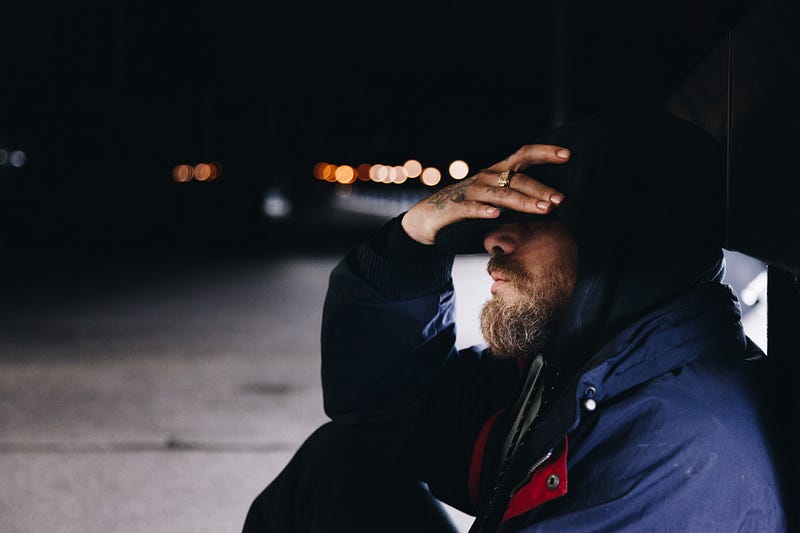
I felt like the kid in elementary school who was picked last for dodgeball. My stomach ached from this blow to the gut. My interpretation: everyone was moving up in the world, job-hopping every 18 months for amazing titles, commanding executive salaries north of $500k, and being shown the red carpet. They were out to shove it in my face.
I slept terribly that night — my anxiety skyrocketed and caused my legs to convulse in bed. This aggravated my wife. It wasn’t the first time.
Comparison was eating away at me.
And I knew I was the sole culprit — the enabler was staring me down in the mirror. I was so ashamed. For days on end, my bleary-eyed morning journal sessions could’ve filled buckets of self-doubt.
I’m not always this way. I pride myself on being fairly resilient, optimistic, and controlled. My years-long study and practice of Stoicism has built up significant mental muscle. In times of struggle, Marcus Aurelius reminds me not to feel exasperated but to “get back up when you fail, to celebrate behaving like a human being….and fully embrace the pursuit” that I’ve embarked upon.
But sometimes I slip. And now, I needed to get a grip.
Benjamin Hardy, PhD has sage advice here: “Willpower doesn’t work.” In addition to shaping my environment, I needed to re-invigorate myself with something bigger and more goal-oriented than the toxic practice of comparison.
Deep down, I knew the answer. I found it years ago after a long road of trial and error.
For me, it’s all about freedom.
What freedom means to me
“Between stimulus and response, there is a space. In that space is our power to choose our response. In our response lies our growth and our freedom.” — Viktor Frankl
We each have very personal definitions of freedom. For some, it means not being persecuted for being who they are. Others see it as financial independence or enjoying the single life.
For me, freedom is broader — it’s a life philosophy.
I’m not talking about living a hippie-style, care-free existence. At the core, I see it as a hard-fought journey of “freedom from” (negative freedom) to “freedom to” (positive freedom). Here’s what I mean:
- Freedom from: reactively unlocking from externalities that have a “hold” over us (e.g., other peoples’ priorities, competition, status, attention, financial stress, bureaucracy)
- Freedom to: proactively creating a bigger and better future in line with one’s purpose and unique ability
“Freedom to” is what energizes me each day. After years of reflection, I have a clear picture of my future self, including my purpose and what my gifts are.
But on that day, anxiously scrolling LinkedIn, I lost sight of “freedom to” as my ultimate aim, and I regressed to self-comparison. It was embarrassing. I was tying my “success” to make-believe external factors and getting caught in a dopamine-seeking reward loop (“Yes, Matt, we think you’re great!”). Ugh, I shouldn’t be falling for this trap anymore.
I know better. I train nearly every day to callous the mind by journaling, meditating, and studying and practicing philosophy. So why the lapse?
I fell apart because I’m human. But that’s fine — the beautiful part about falling is we get to pick ourselves back up and become stronger. It’s important to experience failures. We need contrast in our life — just like there’s no sunshine without the rain, there’s no fulfillment without pain.
Days later, I thought more about my LinkedIn experience. What’s everyone chasing? There must be a rat race I don’t know about. I suddenly felt compassion for all those job-hoppers. They must feel horribly insecure — like imposters. They don’t know who they are or what their purpose is. They’re uncomfortable on the inside, so they seek approval from the outside — a constant “freedom from” game.
That experience reminded me that comparison is stupid. I’ve devolved to that state way more than I’m comfortable admitting, and it’s only caused me great angst. I’m not okay with that. You’ve likely had similar “boxed in” experiences that led you down a road of despair.
Breaking free is about defining freedom on an individual level. It’s vital for each of us, and we need to be thoughtful in our pursuits.
What my freedom looks like
I have vivid images in my mind of who I am 5, 10, and even 25 years from now (Dan Sullivan taught me to think in quarter-century increments). That “me” makes huge strides year after year — the compounding effect is astounding. As a husband, father, friend, and professional, I can picture what I’m like and how my life is. In fact, I’m my own hero.
Freedom is the key — both having it and the aim itself. It’s self-reinforcing.
Unlocked from all the negative constraints of “freedom from”, I’m living in a world of “freedom to”. I’m creating value everywhere I go, helping others reach heights that they’ve long dreamed of. My freedom looks like this:
- Purpose: My actions are a vehicle for delivering value to people and communities I care about, and I’m living per my highest ideals
- Relationships: I surround myself with people who I love and inspire me while having hardly any contact with people that don’t meet that criteria
- Time: Every ounce of energy I expend is traceable to an important impact I seek to have in this world
- Money: My abundance of wealth means it’s never a concern, which frees me up and facilitates my ability to live a good life and make a difference
This type of freedom is a never-ending journey, and it’s enlivening. I get there by continually adjusting the conditions where my unique ability is rewarded. When I see bits of success, I magnify what’s working and delete what isn’t. Again and again.
I hope my story resonates with you. I know I’m not the only one stuck in the comparison trap, longing for more. Please dig deep and challenge the status quo in your life. I’ve found that freedom is everything. I’ve only begun to taste the returns, but I know there’s no going back.
Once you define what freedom means to you, pursue it with unapologetic intensity. That’s a life worth living.
Thanks for reading — I’d love to stay connected with you on matthewdoan.com, Medium, LinkedIn, or Twitter.


