
Draft Animals: Camels and Donkeys, But Also Dogs and Elephants
Draft animals have been assisting humans in transporting goods for many millennia. Their role remains invaluable to this day. In places where even the best off-road vehicles cannot go, heavily loaded animals can still make their way.
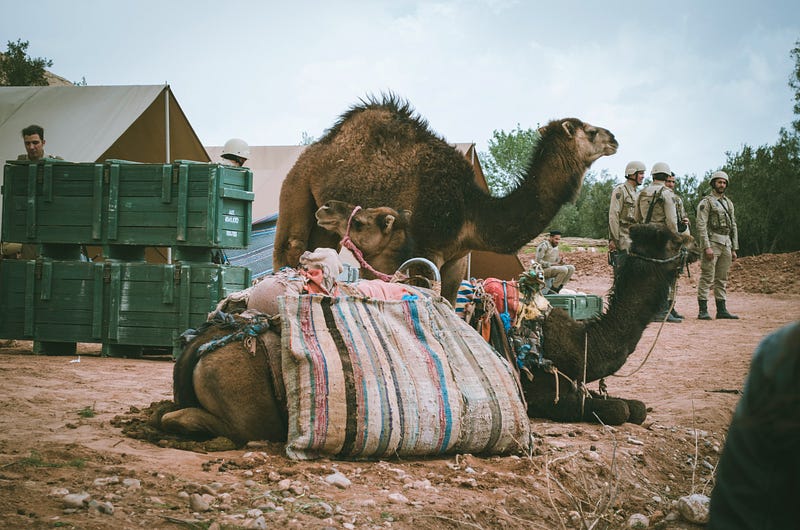
What are draft animals? These are species of animals that are utilized by humans to transport goods. However, they should not be confused with draft horses. In the case of draft animals, the cargo is attached and carried directly on the animal, whereas in the case of draft horses, the animals pull, for example, wagons.
Camels — resilient animal “trucks”
Camels are considered indispensable draft animals in deserts. There are two species:
- Bactrian (Camelus ferus f. domestica — bactrianus)
- Dromedary (Camelus dromedarius f. domestica)
The dromedary camel is single-humped. It is currently only found in a domesticated form in Africa. It remains an essential mode of transportation, capable of going for weeks without water and with minimal feeding requirements, even subsisting on dry shrubs.
A dromedary can carry up to 150 kg of cargo. On average, these camels travel 50 km per day, but they can run up to 140 km.
The other domesticated species, the two-humped Bactrian camel, is known from Eastern and Central Asia. It is a very resilient animal that is used successfully even at high altitudes, up to 4,000 meters above sea level. It can cover 30–40 km per day while carrying a load.
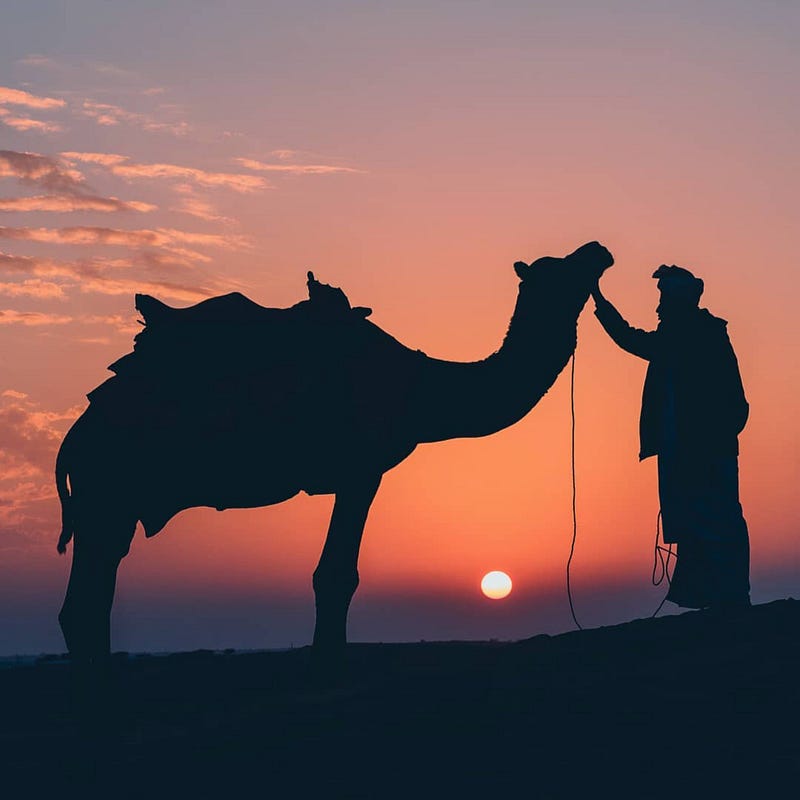
Llamas and alpacas — transporters in South America
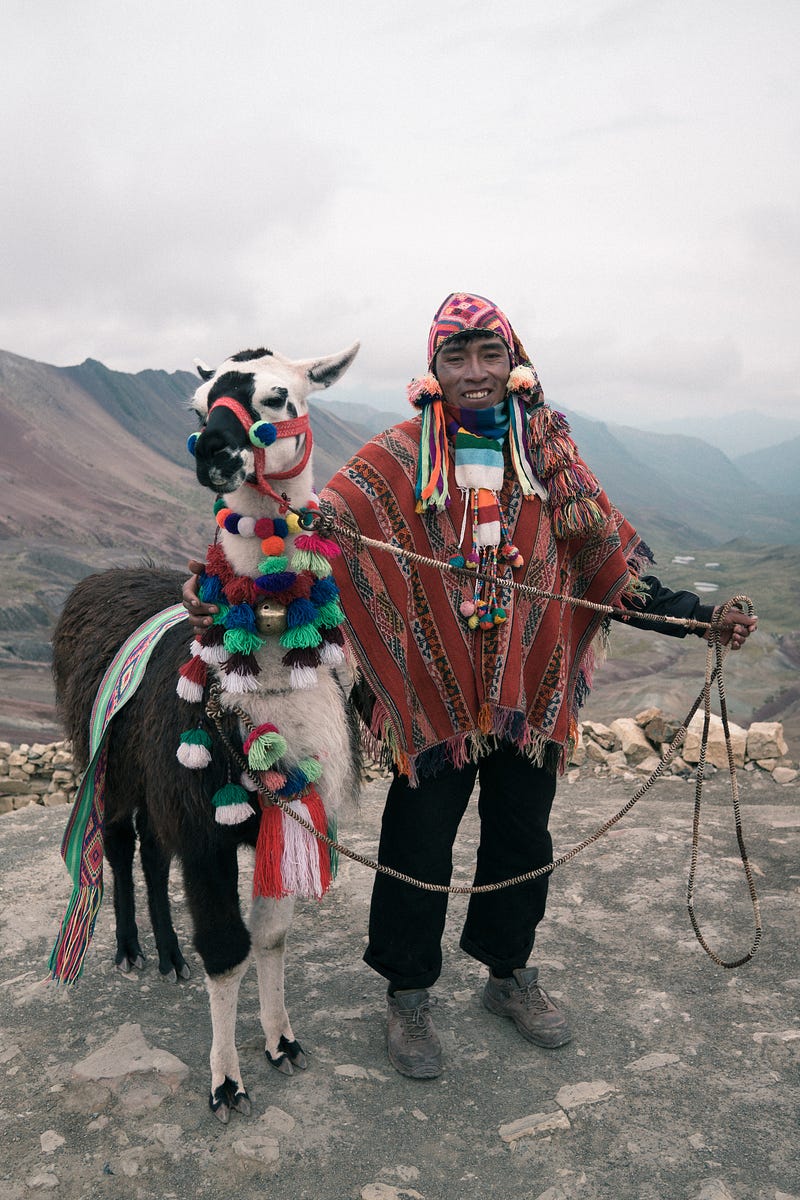
In South America, llamas (Lama guanicoe f. domestica — f. glama) and alpacas (Vicugna vicugna f. domestica — f. pakos), species of animals in the camel family, are still used as draft animals for transportation. These animals, native to the Andes and Peru, are primarily raised for their wool and meat. They are used for transport starting from the age of three, although their load cannot be too heavy. Carrying up to 60 kg, they can cover a distance of up to 30 km per day.
Horses — well-known and versatile
Horses (Equus ferus f. domestica) are considered noble animals, but they have also been widely used as draft animals. In prehistoric times, they were hunted for their meat.
Over the course of several millennia, horses were mainly used for riding or, in the case of great ancient empires like Egypt and the Hittite state, for pulling chariots in battle. However, one of the greatest commanders of antiquity, Alexander the Great, rode on horseback and highly valued cavalry in his army.
In early Slavic societies, horses were a rarity and could only be afforded by wealthy individuals. Slavs began breeding these animals from the 9th century.
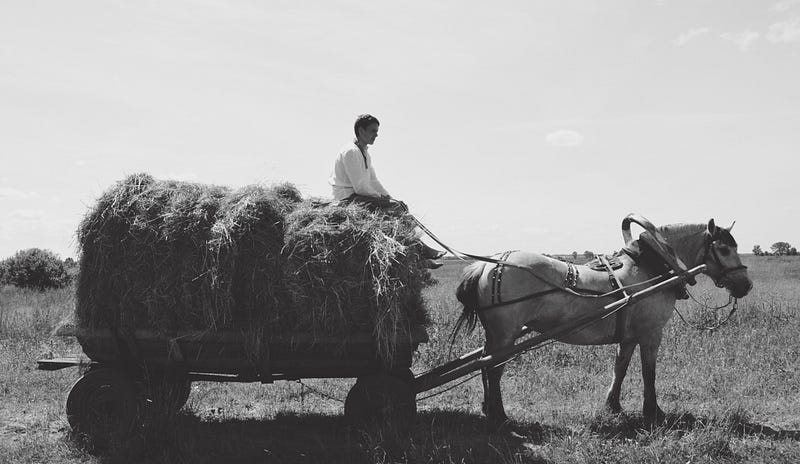
In transportation, horses were mainly utilized as draft animals harnessed to wagons, often serving as work animals. The role of horses as draft animals was always somewhat limited and was only used where vehicles couldn’t access, such as in challenging mountainous terrain or densely overgrown areas.
A horse can carry up to 30% of its body weight, depending on its bone structure. For instance, an animal weighing around 370 kg can transport a maximum load of 100 kg. The use of horses as draft animals is experiencing a resurgence in tourism. Their assistance is needed on trails in nature reserves in Australia and North America.
Donkey — Stubborn but also Resilient and Patient
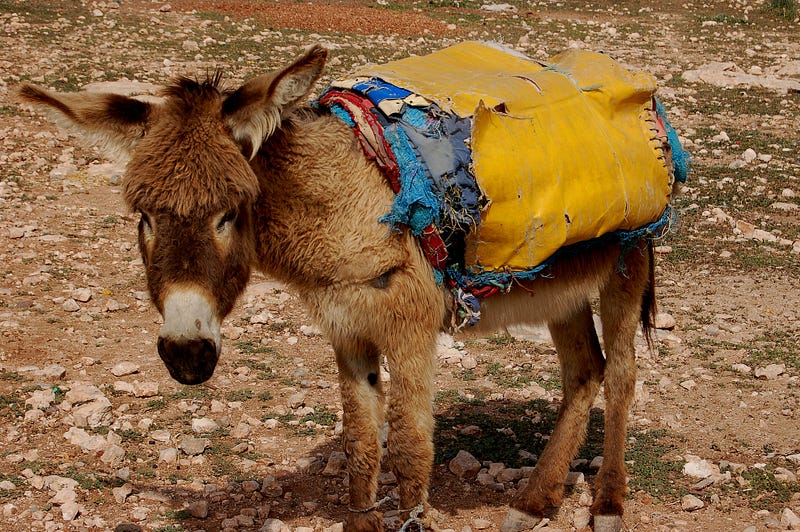
Donkeys (Equus africanus f. domesticus — f. asianus) were domesticated thousands of years ago. They were widely used as draft animals in ancient Egypt. Depictions of donkeys at work date back over 4,000 years.
Romans also utilized donkeys as draft animals. They were used to transport olive oil, wine, and grain. Interestingly, Roman women considered donkey milk a valuable cosmetic, and some even bathed in it.
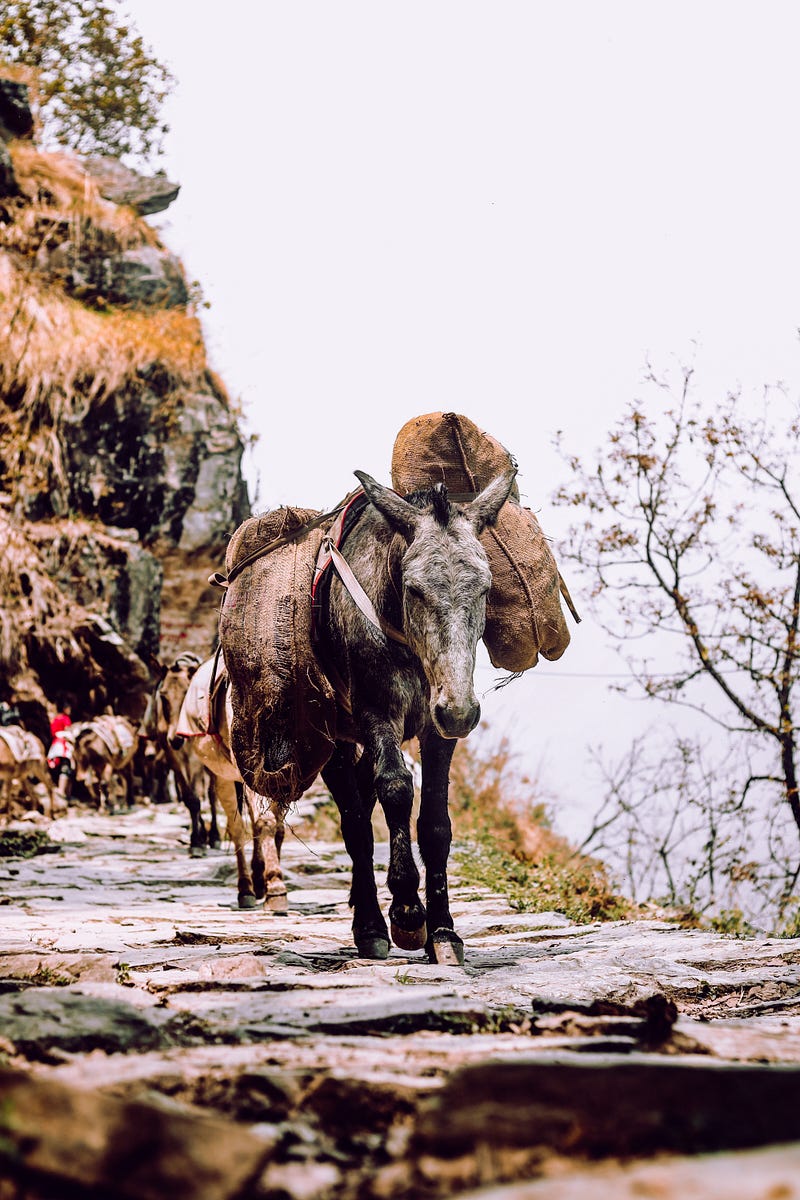
Mule: A Valuable Crossbreed
Horses and donkeys do not naturally mate. Humans played a role in creating this crossbreed. When a male donkey is crossed with a female horse, a hybrid offspring called a mule is born. It is believed that the Sumerians were the first to create this donkey-horse hybrid.
Mules closely resemble horses but have a heavier head and larger ears. Romans, over two thousand years ago, used them extensively for riding and as a source of pulling power. They continue to be used as draft animals today.
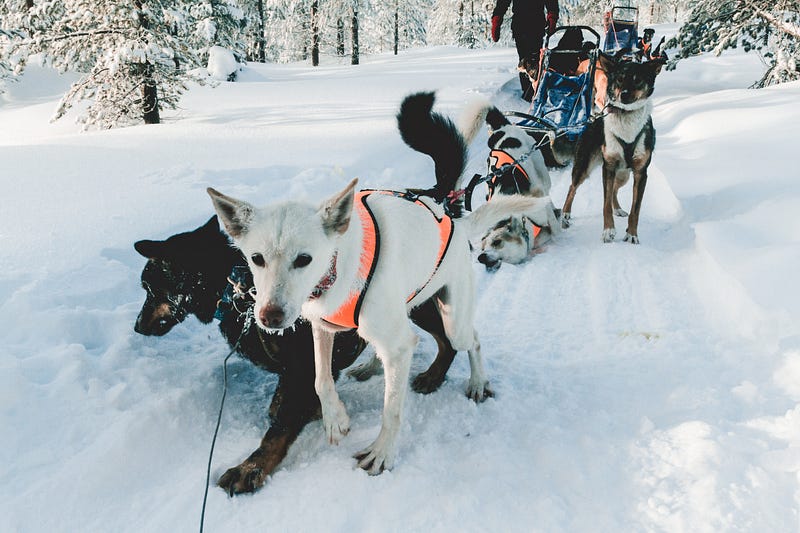
Dogs — Not Just Man’s Best Friend
Dogs are used for a wide range of tasks, including hunting, guarding, and pulling sleds. Larger breeds, such as the Canadian Eskimo dog, can also serve as draft animals successfully. They can carry loads of up to 15 kg, which is roughly half their body weight.
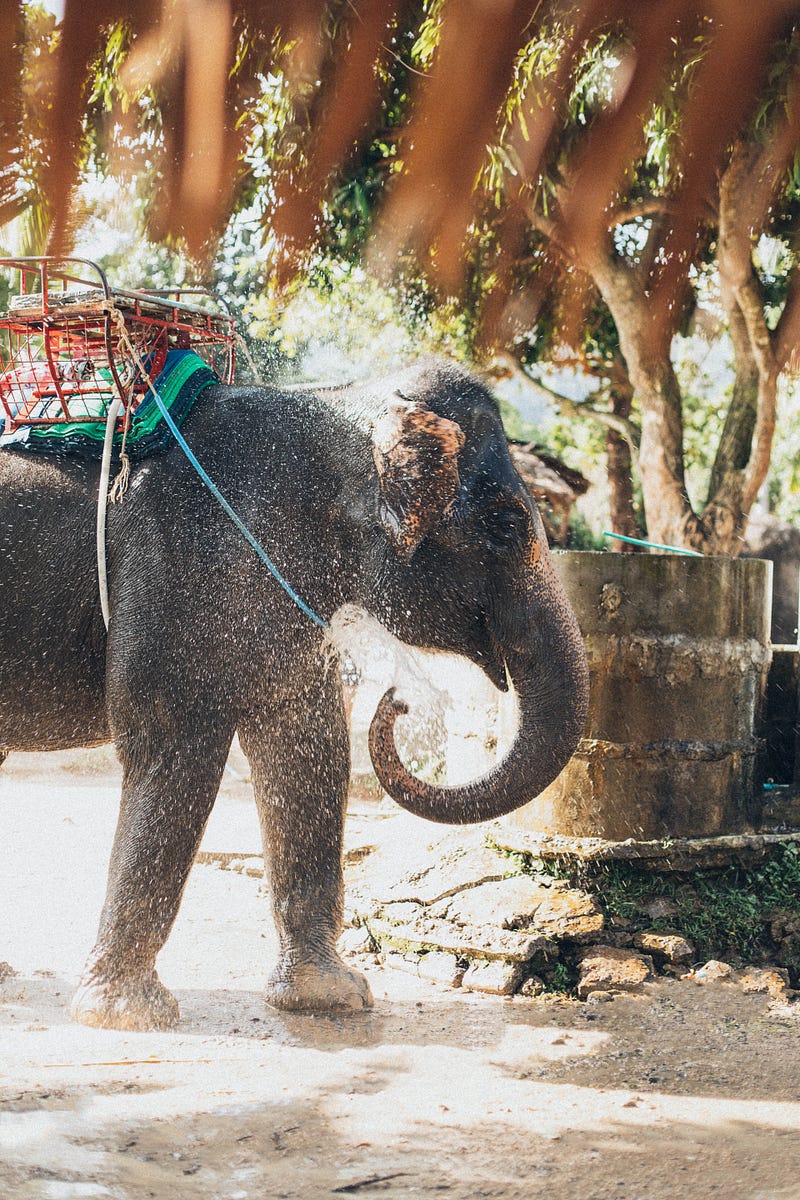
Elephant: Giant Among Draft Animals
Elephants are highly intelligent animals that quickly adapt to human needs. They are used in various ways as draft animals. For instance, in India, they carry timber during logging operations by gripping logs with their trunks.
Elephants can transport loads weighing up to one ton, but only over short distances. In this respect, they surpass all other draft animals. With an average-sized load, they can cover up to 30 km.
Reindeer — Carriers of Goods, Not Just Santa’s Sleigh
A less obvious draft animal is the reindeer (Rangifer tarandus f. domestica). It’s the only species in the deer family that has been successfully domesticated. These reindeer are somewhat smaller than their wild counterparts.
They inhabit northern Europe, Asia, and Greenland, and they come in white, light gray, or spotted coats.
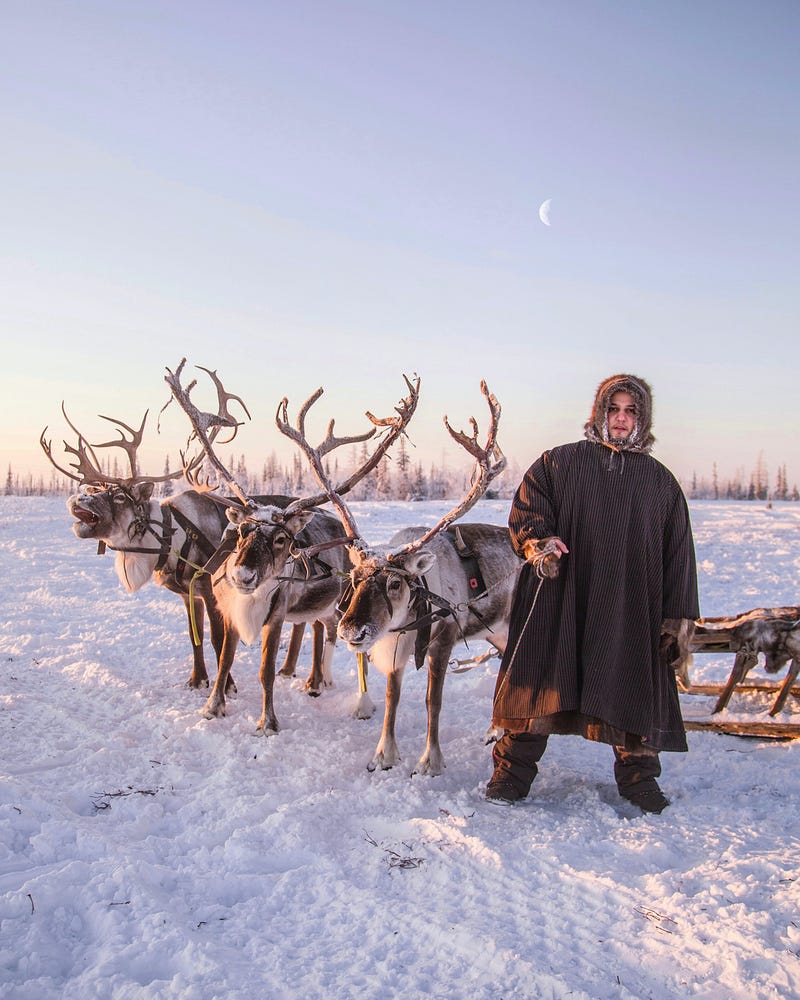
Scientists debate when reindeer domestication occurred, possibly more than 10,000 years ago or a few thousand years ago. Unfortunately, the bones of domesticated and wild animals are indistinguishable, making it difficult to draw specific conclusions.
Only the domesticated types of reindeer, such as the Evenki and Eastern Siberian reindeer, are used as draft animals. The rest are used as pack or riding animals and thrive in regions where temperatures can plummet well below freezing.
Attention all readers!
As content creators on Medium.com, we face minimal compensation for our hard work. If you find value in my articles, please consider supporting me on my “Buy Me a Coffee” page. Your small contributions can make a big difference in fueling my passion for creating quality content. Thank you for your support!


