avatarRoz Warren, Writing Coach

Free AI web copilot to create summaries, insights and extended knowledge, download it at here

2754

Abstract

effort some editors are actually taking. Is publish-first-and-pay-later an honest mistake? Or is grab-the-content-and-see-who-notices a new business model?</p><p id="768f">Two years ago, a Canadian company that creates standardized tests included two of my stories in their testing materials without telling me. I only found out because a teacher whose job was to grade the tests liked my stories so much that she wrote me a fan letter.</p><p id="35be">When I asked them about it, I was told that they’d found the stories online, but had been unable to locate me.</p><p id="adab">“But I have <a href="https://muckrack.com/roz-warren">a website</a>!” I protested. “I write for the New York Times! <a href="https://writingcooperative.com/ive-been-in-10-chicken-soup-collections-if-you-want-to-break-in-here-s-my-advice-9ef3612aacd9?source=friends_link&amp;sk=6c27d62414166cd590200f19316115bb">I’ve been in ten <i>Chicken Soup for the Soul</i> collections</a> — and on the Today Show. If you Google “Writer Roz Warren,<i> thousands</i> of links turn up. So — just how hard did you try?”</p><p id="1760">“We have an escrow account for you,” was the response. “It has $4,000 in it. Where should we send the check?’’</p><p id="b31a">For that kind of money? I told them to help themselves to my work any time.</p><p id="6aa7">And then there are the <b>Nefarious Content Thieves</b>. These are sites that swipe your stuff, remove your byline, change your title and presto — it’s new content on their site!</p><p id="107c">One site recently grabbed one of my essays, changed a few lines and published it on their site under their editor’s byline. (How did I find out? A reader who recognized it alerted me.)</p><p id="6894">The site didn’t take it down until the editor who’d originally published (and paid for) it wrote them a threatening email.</p><p id="4c17">The good news? If my experience is any indication, we writers can often rely on loyal readers to police this activity.</p><p id="33e1">But it’s also clear that a writer in the Digital age must remain Ever Vigilant.</p><p id="1a3d">“From time to time,” one writer pals tells me, “I’ll Google a line from one of my popular essays. You’d be amazed how much chicanery this turns up.”</p><p id="a761">When an editor tells me that using my work without asking was an honest mistake (or even a calculated risk) I believe her. (Especially if an apology and a check are forthcoming.)</p><p id="b50f">And you’ve got to trust <i>Reader’s Digest</i>. It’s almost un-American not to.</p><p id="14c5">Still, all of this does make me wonder how many magazines, websites, and anthologies have run my work without my knowledge.</p><p id="a71c">I’ll never know for sure.</p><p id="cf49">I console myself with that thoug

Options

ht that theft, as they say, is the most sincere form of flattery. And feel grateful for the readers who notice when my work is being filched and let me know.</p><p id="3e8f">My advice to my fellow writers? Stay vigilant. Google yourself often. Hope that if your readers see something, they’ll say something.</p><p id="c213">And, if all else fails? You can always write an essay about it.</p><p id="a084"><a href="https://rosalindwarren.medium.com/need-a-good-editor-get-in-touch-c3508093b772?sk=da811ef430b407044d2aff236d7c0570"><b><i>Writing Coach</i></b></a> <a href="https://readmedium.com/about-me-roz-warren-efbecf511f04?sk=4ba4c8736b0dd97473598b22583e2090"><b><i>Roz Warren</i></b></a>, <b><i>who</i></b> <b><i>writes for everyone from the <a href="https://readmedium.com/looking-for-a-terrific-paying-market-for-humor-and-cartoons-b24658bb9d5d?source=friends_link&amp;sk=c8803f26bb5ce98c081a711c3768eed1">Funny Times</a> to <a href="https://readmedium.com/why-every-essay-you-write-should-be-the-best-essay-you-can-write-8c00f287f53?source=friends_link&amp;sk=7e39aed6b3fb5e9d2b392a464682aba9">the New York Times</a></i></b>, <b><i>can help you improve and publish your work. Drop her a line at <a href="mailto:[email protected]">[email protected]</a>. (That’s Ros with an “s,” not a “z.”)</i></b></p><div id="111b" class="link-block"> <a href="https://readmedium.com/need-a-good-editor-get-in-touch-c3508093b772"> <div> <div> <h2>Need a Good Editor? Get in Touch</h2> <div><h3>Is There Anything Wrong with Creating a Medium Post That’s Just an Ad for My Services as a Writing Coach?</h3></div> <div><p>medium.com</p></div> </div> <div> <div style="background-image: url(https://miro.readmedium.com/v2/resize:fit:320/0*eEMk0AwJcTZ2X98o)"></div> </div> </div> </a> </div><div id="0ddc" class="link-block"> <a href="https://writingcooperative.com/ive-been-in-10-chicken-soup-collections-if-you-want-to-break-in-here-s-my-advice-9ef3612aacd9"> <div> <div> <h2>I’ve Been In 10 Chicken Soup Collections. If You Want to Break In, Here’s My Advice</h2> <div><h3>When they learn that I’ve been in 10 Chicken Soup for the Soul collections, writers often ask me for advice about how…</h3></div> <div><p>writingcooperative.com</p></div> </div> <div> <div style="background-image: url(https://miro.readmedium.com/v2/resize:fit:320/1*xQfPDTtl8RxIziOyUWtPGQ.jpeg)"></div> </div> </div> </a> </div></article></body>

Don’t Even Think About Stealing This Essay

Back Away From The Page. I’m Onto You!
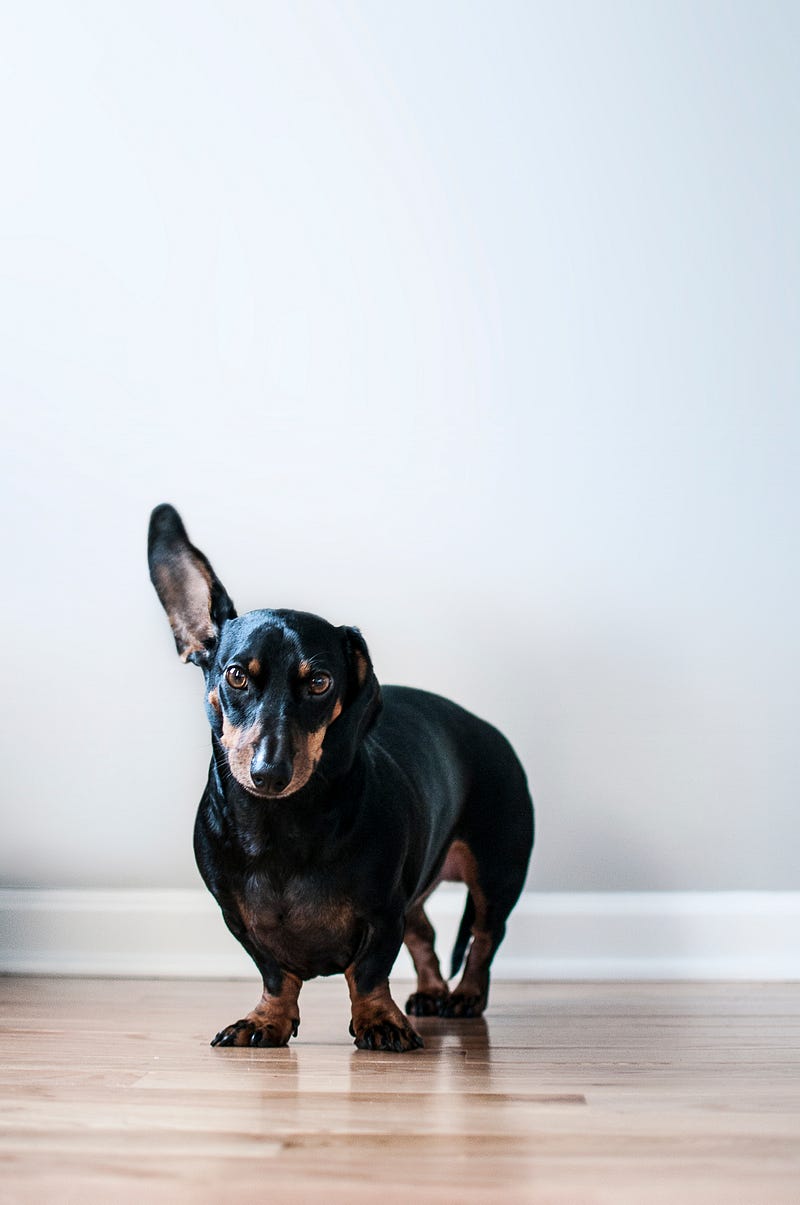
Photo by Erda Estremera on Unsplash

Reader’s Digest once helped itself to an excerpt from one of my humor pieces. I had no idea that they’d done it until, reading the magazine, I turned a page. And there it was!

I was thrilled. Making it into their pages was definitely one of my Writing Goals. But I was also confused.

Although they’d given me a byline, they hadn’t asked my permission to run the piece, or negotiated a payment. When I emailed the editor, she apologized, and quickly sent me a check and a bunch of free copies.

Because they’ve run my work several times since, and have been an absolute joy to work with, I’ve come to realize that this was just a one-time snafu.

And yet? This isn’t the first time this has happened.

In fact, it happens a lot.

A while back, a story of mine was included in an anthology without my knowledge. How did I find out? The book was a collection of stories about doctors. My pal Don, a doctor, was given the book for his birthday. When he saw my story, he phoned.

“Congratulations!” he said “for being in this doctoring anthology.”

“What doctoring anthology?”

“Wait — you didn’t know you were in this book? How could that happen?”

Excellent question.

When I got in touch with the publisher, I was told that the editors had found “Outpatient” in a long-defunct literary magazine. Although they were unable to locate me to ask my permission to use it, they liked the story so much that they’d included it in the book anyway.

“We owe you an apology,” they told me.

“Yes you do!” I agreed. “You also owe me $250.” (That’s my usual reprint fee.)

A week later, I had the check.

I understand how this happens. I’ve edited a dozen humor anthologies myself. I’d move heaven and earth to track down authors and get the rights. But, in a few cases, the piece was so good that even if I couldn’t find the writer, I crossed my fingers and used it anyway, assuming that a writer would rather discover that they’re in a cool book and be paid after the fact than be left out.

But I’m starting to wonder how much time and effort some editors are actually taking. Is publish-first-and-pay-later an honest mistake? Or is grab-the-content-and-see-who-notices a new business model?

Two years ago, a Canadian company that creates standardized tests included two of my stories in their testing materials without telling me. I only found out because a teacher whose job was to grade the tests liked my stories so much that she wrote me a fan letter.

When I asked them about it, I was told that they’d found the stories online, but had been unable to locate me.

“But I have a website!” I protested. “I write for the New York Times! I’ve been in ten Chicken Soup for the Soul collections — and on the Today Show. If you Google “Writer Roz Warren, thousands of links turn up. So — just how hard did you try?”

“We have an escrow account for you,” was the response. “It has $4,000 in it. Where should we send the check?’’

For that kind of money? I told them to help themselves to my work any time.

And then there are the Nefarious Content Thieves. These are sites that swipe your stuff, remove your byline, change your title and presto — it’s new content on their site!

One site recently grabbed one of my essays, changed a few lines and published it on their site under their editor’s byline. (How did I find out? A reader who recognized it alerted me.)

The site didn’t take it down until the editor who’d originally published (and paid for) it wrote them a threatening email.

The good news? If my experience is any indication, we writers can often rely on loyal readers to police this activity.

But it’s also clear that a writer in the Digital age must remain Ever Vigilant.

“From time to time,” one writer pals tells me, “I’ll Google a line from one of my popular essays. You’d be amazed how much chicanery this turns up.”

When an editor tells me that using my work without asking was an honest mistake (or even a calculated risk) I believe her. (Especially if an apology and a check are forthcoming.)

And you’ve got to trust Reader’s Digest. It’s almost un-American not to.

Still, all of this does make me wonder how many magazines, websites, and anthologies have run my work without my knowledge.

I’ll never know for sure.

I console myself with that thought that theft, as they say, is the most sincere form of flattery. And feel grateful for the readers who notice when my work is being filched and let me know.

My advice to my fellow writers? Stay vigilant. Google yourself often. Hope that if your readers see something, they’ll say something.

And, if all else fails? You can always write an essay about it.

Writing Coach Roz Warren, who writes for everyone from the Funny Times to the New York Times, can help you improve and publish your work. Drop her a line at [email protected]. (That’s Ros with an “s,” not a “z.”)

Writing
Writing Life
Publication
Magazine
Advice
Recommended from ReadMedium