
Don’t Be Like Caulfield! Escape the Toxic Trap of Cynicism
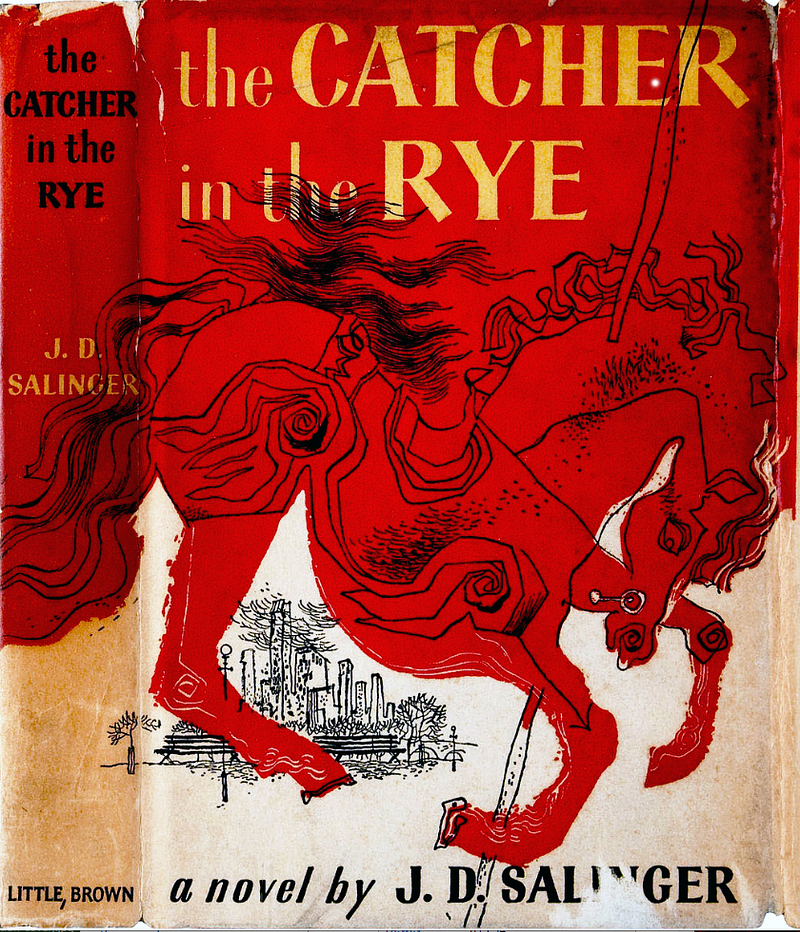
We all know Holden Caulfield, the cynical protagonist from J.D. Salinger’s classic The Catcher in the Rye. With his red hunting hat and constant complaints about “phonies,” Holden is the poster child for teenage angst.
But while we may chuckle at his antics, Holden’s cynicism often becomes self-defeating.
Take his frequent lamentations about adulthood.
“Certain things they should stay the way they are. You ought to be able to stick them in one of those big glass cases and just leave them alone.”
We all reminisce for the simplicity of childhood from time to time.
But Holden is so cynical he can’t even enjoy the present, constantly focused on how everything will eventually decline.
This fixation on phoniness also backfires.
Like when he writes off his classmate Robert Ackley as a “phony slob.” But who’s the phony one? Ackley may be annoying, but at least he’s authentic. By dismissing everyone as fake, Holden closes himself off from meaningful connections.
Even Holden’s relationships are hindered by his cynicism.
He fixates on girls as embodiments of innocence, until they inevitably disappoint him by showing complexity.
“That’s the thing about girls. Every time they do something pretty, even if they’re not much to look at, or even if they’re sort of stupid, you fall in love with them, and then you never know where the hell you are. Girls. Jesus Christ.”
Um, maybe the problem is your expectations, Holden?
The point is, cynicism often becomes a self-fulfilling prophecy. When you expect the worst, you miss out on life’s beauty and others’ humanity. Had Holden opened his mind, he may have found more of the connection he craved.

So beware the inner Holden Caulfield in all of us.
Of course, you need healthy skepticism — but don’t let it morph into blind cynicism.
Stay present, keep an open mind, and remember that phonies are often in the eye of the beholder. When you give others and life itself the benefit of the doubt, you’ll often be pleasantly surprised.


