
Do You Know What Consumerism Really Means?
What consumerism and how to stop it
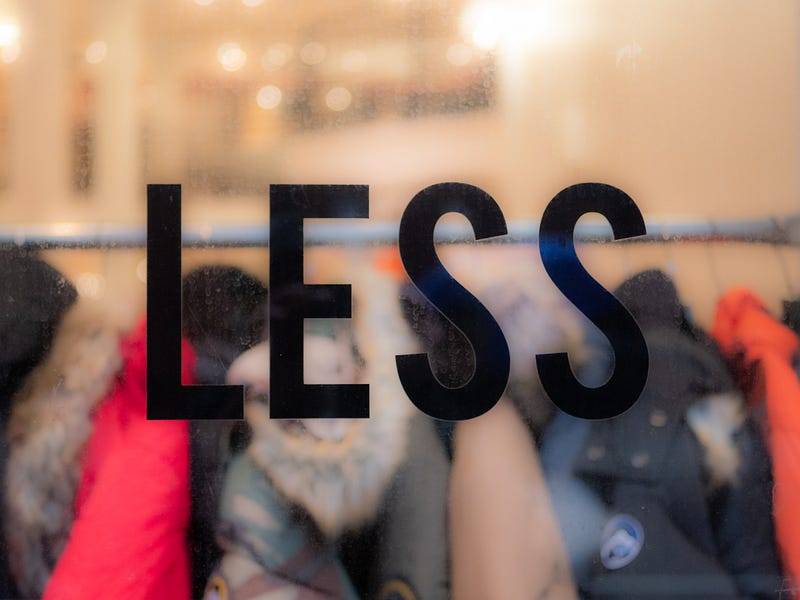
Consumerism seems to have gotten into every aspect of modern life. Even those areas of life that were not previously affected by the marketplace, have to adapt to the new reality, where the consumer is in control.
Steven Miles even said that consumerism has become “the religion of the late twentieth century”.
Consumerism is a phenomenon that was always immanent in relatively developed societies, where people purchased goods and consumed resources excessively to their needs. However, there was a major change after the Industrial Revolution, when the scarcity of resources was overcome and a huge variety of goods in unlimited amounts became available to a wide range of people.
The Industrial Revolution and several other factors created capitalism — a new type of economy that resulted in rapid growth of the middle class in developed countries
To consume means to use things up, either by eating them, wearing them, or playing with them and otherwise using them to satisfy one’s desires and needs.
Since the capitalist society uses money as the mediator between desire and satisfaction, to be a consumer normally means appropriating things destined to be consumed: buying them, paying for them, and barring others from using them without permission. And to consume also means to destroy.
To support a profit-based capitalist economy the ruling class, which owned the means of production had to convince the middle and lower classes to buy and generate profit. And here’s when mass media stepped in. Advertising — as the main engine of the sales process, has played a huge role in consumerism’s spreading and development. Newspapers, TV commercials, and billboards screamed about new ketchup, cars, and cottages, convincing us to buy and buy and buy. The mass media also made modern consumerism borderless and international. With satellite TV channels and the Internet, you can sell anything to anyone in the world.
So, modern consumerism has been formed under the influences of corporate politics, the commercialization of culture (more and more intellectual, cultural, and spiritual “goods” are produced), and the impact of mass media. People started to have more money — and they started to consume more.
Consumerism replaces the normal common sense desire to have life’s necessities with the artificial and insatiable search for things and money to buy them. An intended consequence that is promoted by those who profit from consumerism is the acceleration of discarding of the old, either because of durability or a change in fashion.
If you like this article, don’t forget to read the other ones:
https://medium.com/@martahenriques46/membership