Do You Know The Importance Of Protein?
Protein is a powerful macronutrient
Some time ago, I copied this information and kept it on my desk to look at it often as a reminder of how amazing our bodies are.
“The cells of your body aren’t old; they keep regenerating; they are new. Your body has the potential of being as young and as vital as it has ever been.”
I do not remember the source, but it helped me approach my health with a more optimistic viewpoint.
Protein is the building block of life. It is found in every body cell and is composed of amino acids. When we eat a diet full of protein-rich foods, our body will break down the protein into amino acids. Amino acids are needed to repair cells and make new ones, transport molecules throughout our body, protect us from viruses and bacteria, and promote proper growth and development.
As an aging adult recovering from cancer, I need to strengthen my immune system. I have talked to my doctor regarding feeling vulnerable for the first time regarding my health. He recommended that I eat more protein because it repairs tissue and generates new healthy cells throughout my body.
A protein-enriched diet helps maintain a healthy weight and absorb key nutrients.
Protein contributes to lowering blood cholesterol and lowering blood pressure.
Eating a protein-rich diet helps maintain and increase bone mass which will help prevent osteoporosis and lower the risk of bone fractures.
Heart help is improved by maintaining healthy muscle and helps reduce the risk of heart disease.
Your immune system will be impaired when your body is protein deficient. The deficiency contributes to the risk of infection and a longer recovery time from any disease or injury.
A study completed by ScienceDirect relating to the immune system and Covid stated: “Deficiency of nutrients, whether they are macronutrients (carbohydrates, protein, fat) or micronutrients (vitamins, minerals, trace elements) can lead to impaired immune systems [59] and can increase the risk of bacterial and viral attack.” https://www.sciencedirect.com/science/article/pii/S240584402100390X
Most of us in the United States obtain sufficient protein in our diets. According to EveryDay Health, the average American gets about 15 percent of their calories from protein, which is right in the middle of the recommended 10 to 35 percent range.
Protein deficiency can still occur and can cause muscle mass loss, thinning hair, and edema.
Edema is swelling in your abdomen, legs, feet, and hands. The proteins that circulate in our blood help keep fluid from building up in our system.
Lack of protein can affect our brain function. Amino acid which is the building block of protein is responsible for making neurotransmitters that relay information between cells. When our body does not produce enough neurotransmitters, it will change how our brain works. We may feel depressed or become overly aggressive.
When you look at your fingernails, you may see deep ridges. The lack of proteins such as collagen elastin and keratin is the culprit. It will also be responsible for dry, thinning hair.
According to WebMD, “Research shows that just a week of not eating enough protein can affect the muscles responsible for your posture and movement, especially if you’re 55 or older. And over time, a lack of protein can make you lose muscle mass, which cuts your strength, makes it harder to keep your balance, and slows your metabolism. It can also lead to anemia when your cells don’t get enough oxygen, which makes you tired.”
Our bodies are our temples and what we eat is our fuel. Experts tell us the impact of food on health is 80 percent, and exercise comprises 20 percent.
We need all three macronutrients for optimum health; carbohydrates, proteins, and fats.
Carbohydrate-rich foods include starchy vegetables, bread, pasta, rice and grains, legumes, and dairy.
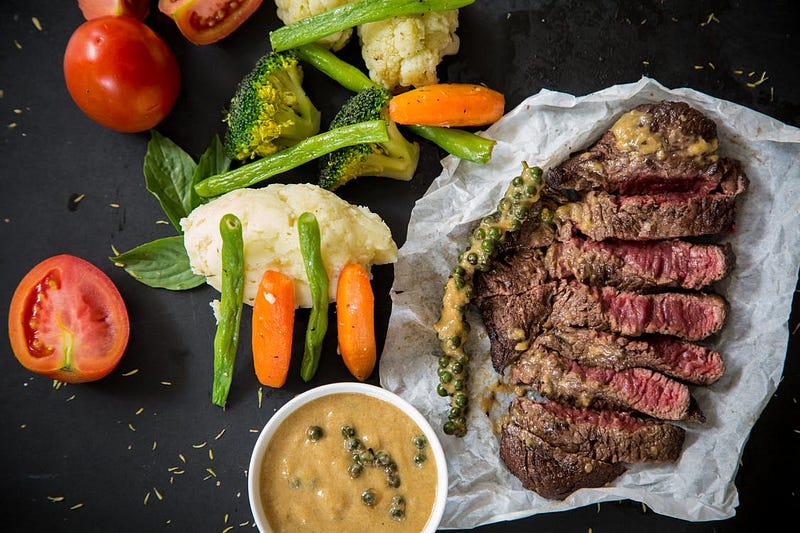
Protein-rich foods include meat, chicken and fish, tofu, eggs, dairy products, nuts, beans, and legumes.
You will find fats in meat, fish, chicken and dairy, oils, spreads, nuts, and seeds.
Whole, unprocessed versions of these foods, and those in the most whole, natural forms are the healthiest.
Many foods contain micronutrients which are essential for proper growth and development.
You may be surprised how many vegetables are a good source of protein, which benefits many people who follow a vegan/vegetarian diet.
If you want more information about vegetables as a protein source, please read my article below:
I am actively researching and gaining a better understanding of good health. I hope my information will help you as well. Here are two more articles you may find helpful:
Thanks for reading!


%22%3E)