Do You Know Vegetables Are A Protein Source?
Eat Up!
Protein is an essential macronutrient found throughout our bodies and is crucial to good health. Protein is formed from amino acids.
The proteins in our bodies are composed of twenty amino acids and are found in our muscles, bone, skin, hair — literally everywhere in our bodies.
The National Academy of Medicine recommends that adults get a minimum of 0.8 grams of protein for every kilogram of body weight per day which equates to over 7 grams of protein for every twenty pounds of body weight.
The foods we eat provide us with the protein we need. The types of food we eat are essential.
For instance, red meat is considered a good source of protein, but you are also eating saturated fat when you consume it. A four-ounce broiled steak has 33 grams of protein and contains 5 grams of saturated fat.
As a comparison, a cup of cooked lentils provides 18 grams of protein and 15 grams of fiber and has no saturated fat or sodium.
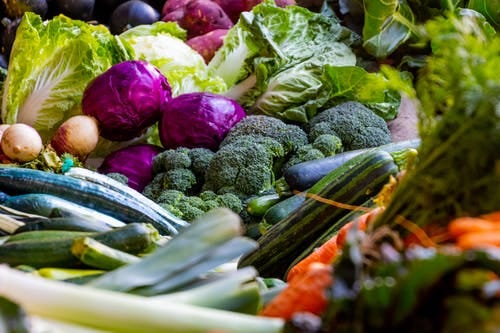
Vegetables are a clear winner, and many vegetables contain a high protein level. It would be challenging to consume enough vegetables to reach the protein level required. Still, vegetables are a good source of vitamins and nutrients while also providing fiber and carbs.
A plant-filled diet combined with other beneficial protein sources such as legumes, yogurt, nuts, and eggs will provide you with a protein-rich diet.
These vegetables are excellent sources of protein:
Edamame — provides 9 grams of protein per 1/2 cup/cooked. Also a source of fiber, calcium, folate, iron, and vitamin C
Lentils — 8 grams of protein per 1/2 cup/cooked A source of potassium, folate, iron, and a high source of fiber
Black Beans — 8 grams of protein per 1/2 cup/cooked Contain calcium, magnesium, manganese, copper, and zinc
Cannellini Beans — 8 grams per 1/2 cup cooked Good source of fiber, contains copper, folate, and iron
Chickpeas — 7 grams per 1/2 cup/cooked Contain folate, iron, phosphorous and are high in fiber
Pinto Beans — 7 grams per 1/2 cup/cooked Provide 10 percent of recommended daily iron and 28 percent of vitamin B1
Lima Beans — 5 grams of protein per 1/2 cup/cooked Contain iron and potassium and 9 grams of fiber
Green Peas — 4 grams of protein per 1/2 cup/cooked Good source of vitamins 1, B1, C, and K
Soybean Sprouts — 5 grams of protein per 1/2 cup/raw Source of B vitamins, A, C, and K.
Mushrooms — 3 grams of protein per 1/2 cup/cooked Are high fiber, contain vitamin D, zinc, and potassium
Spinach — 6 grams of protein per 1 cup/cooked Spinach is an excellent source of vitamins and minerals, containing vitamins A, C, and K, folate, iron, magnesium, calcium, and potassium.
Artichokes — 5 grams of protein per 1 cup/cooked Contain iron, potassium, vitamins A and C and are a good source of fiber
Broccoli — 5 grams per 1 cup/cooked High in fiber, iron, calcium, selenium, and B vitamins
Brussels Sprouts — 5 grams per 1 cup/cooked Excellent source of vitamins containing 150 percent of recommended Vitamin C and 250 percent of Vitamin K. A good fiber source and has anti-inflammatory compounds.
Asparagus — 4 grams per 1 cup/cooked It provides vitamins A, C, E, K, and B6 as well as folate, iron, copper, calcium, and fiber.
Sweet Corn — 4 grams of protein per 1 cup/cooked A source of fiber, B vitamins, zinc, magnesium, and iron
Red Potatoes — 4 grams of protein per 1 medium potato/cooked High in fiber, iron, and potassium. (with the skins left on)
Avocado — 3 grams of protein per 1 cup/cooked Avocado contains vitamin E, folate, potassium, B vitamins and is full of fiber
Sweet Potato — 2 grams per 1 medium sweet potato/cooked Provides vitamin A, beta-carotene, magnesium as well as fiber.
Kale — 3 grams of protein per 1 cup/cooked The highest amount of antioxidants of any vegetable with 133% of required vitamin A, 134% vitamin C, calcium, iron, B6, and magnesium
Many other vegetables are a source of protein. You will find plant-based proteins in nuts, grains, and seeds.
Quinoa is a complete protein source containing all nine essential amino acids.
Chia Seeds are also a complete protein containing all nine essential amino acids. They provide potassium, calcium, iron, and magnesium.
Wild Rice is a plant-based source of protein with 3 grams found in 1 cup and contains manganese, phosphorous, magnesium, zinc, and is high in fiber.
According to the Mayo Clinic, a plant-based diet, which emphasizes vegetables, fruit, grains, beans, legumes, and nuts, is rich in fiber, vitamins, and other nutrients.
These plant-based proteins tend to be less expensive and offer more benefits than meat.
Sources:
https://www.mayoclinic.org/healthy-lifestyle/nutrition-and-healthy-eating/in-depth/meatless-meals/art-20048193 https://www.hsph.harvard.edu/nutritionsource/what-should-you-eat/protein/ https://www.healthline.com/nutrition/functions-of-protein https://anyreasonvegans.com/top-16-sources-of-plant-based-protein/ https://www.purewow.com/food/high-protein-vegetables


