
Do I Need Medication for Depression or Anxiety?
Medication is just one treatment option for the two most common mental illnesses.

Is COVID-19 impacting your mental health? For millions of people around the world, the current crisis is causing or exacerbating mental health issues like anxiety and depression.
If this is your first time experiencing symptoms of depression or anxiety, or if your symptoms have gotten worse than ever before, you may be wondering if you need medication to feel better.
The answer isn’t a simple yes or no. Medication can be a literal lifesaver for some people. Others find the side effects to be worse than the symptoms they’re trying to cure.
First, let’s look at what the Centers for Disease Control and Prevention (CDC) suggests to help us all cope with the current disaster:
- Take care of your body by eating right, exercising, getting enough sleep, and avoiding tobacco, alcohol, and drugs.
- Connect with others. Stay in touch with friends and family, and share your concerns with them.
- Take breaks to do things you enjoy, do breathing exercises, and remember that “strong feelings will fade.”
- Stay informed by getting information from reputable news sources and be wary of rumors.
- Avoid too much exposure to the news. While it’s important to stay informed, nonstop news can be upsetting. Get updates a few times a day, then do something else.
- Seek help when needed. Reach out to a doctor, counselor, family member, or call the SAMHSA helpline at 1–800–985–5990.
Antidepressant Side Effects
The biggest concern for a lot of people about taking an antidepressant is the risk of side effects. Here’s where I break the fourth wall and tell you that I have bipolar disorder and have spent much of my adult life taking various medications to manage the symptoms.
Side effects are a very real concern. Such a real concern, in fact, that antidepressants have a black box warning saying that they can increase the risk of suicide in children, teens, and young adults. That’s a terrifying side effect. But if you’re suicidal (or nearly) anyway, maybe it’s worth the risk?
Apart from the increased risk of death by suicide, here are some other common side effects you could experience while taking antidepressants (or other psychiatric medication):
- Anxiety
- Insomnia
- Headaches
- Constipation
- Diarrhea
- Weight gain
- Dizziness
- Restlessness
- Fatigue or sleepiness
- Tremors
- Dry mouth
- Excessive sweating
- Decreased sex drive
It looks scary when you look at that entire list. However, if you’re experiencing depression or anxiety, you’re probably dealing with some of those issues, anyway.
Most of the time, if you do experience side effects, they’re mild and go away once you’ve been on the medication for a few weeks. Not always. Sometimes you have to go to your doctor or psychiatrist and say “I need off this medication NOW.” And that’s OK — the good news is that there are tons of antidepressants to choose from.

Antidepressant Suicide Risk
As I briefly mentioned earlier, antidepressants may increase the likelihood of somebody dying by suicide. However, suicide is also an unfortunate symptom of depression itself. Only you can judge whether the risk is worth the potential benefit.
Here are some antidepressant suicide risk warning signs to watch out for:
- New or worse anxiety, depression, or irritability
- Trouble sleeping
- Feeling restless or agitated
- Extreme hyperactivity
- Anger and aggression
- Acting on dangerous impulses
- Unusual changes in behavior
- Suicidal thoughts or actions
How Could Medication Make Me Feel Better?
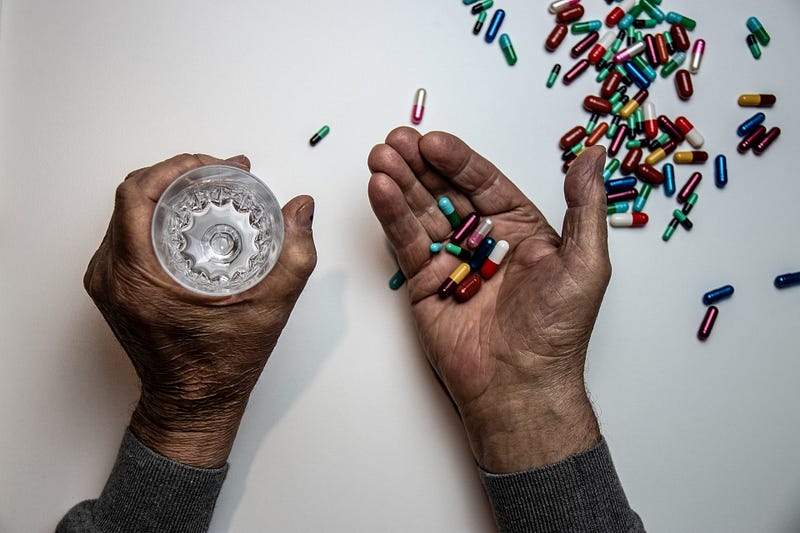
If you choose to take medication for your depression or anxiety, it’s important for you to understand how it does (and doesn’t) work.
I won’t get into all the various classes of antidepressants, mood stabilizers, and other mental health medications. They all work differently, but they all have a similar goal — to stabilize your brain chemistry.
Most mental illnesses come from a combination of psychological, biological, and social factors. What does that mean? To a certain extent, you have to put in the effort to improve your mental health through therapy, lifestyle changes, mindfulness, or other means.
Medication, sadly, is not a cure-all. However, medication can be exactly what you need to improve your symptoms enough for you to make some of those other changes.
For example, if you’re so depressed that you can only manage to shower once a week, you’re going to have a heck of a time implementing an exercise routine that would naturally boost your endorphins. Medication can give you the boost you need to start making other changes.
I should mention here that medication takes time to work. It needs to build up in your system, so you may not notice any improvement for a few weeks, especially if you start on a low dose (which you should, to minimize side effects).
You must keep taking your medication, even if it doesn’t feel like it’s working. Stay in touch with your doctor or psychiatrist — they may ask you to increase your dosage.
Alternatives to Medication for Treating Depression or Anxiety
With or without medication, therapy can be a great tool for treating depression or anxiety. However, many people find therapy inaccessible (usually due to money, but there may be other factors).
I’m not going to cover herbs and supplements here (I could write a whole article just on that topic, if there is enough interest). However, there are many things you can do to help improve your symptoms of depression or anxiety. A few suggestions include:
- Get in a routine. This is especially crucial now, while many of us are suddenly home all the time and without the structure of going out to work.
- Set goals. Start with tiny goals that you know you can accomplish, like walking to the mailbox every other day or showering twice a week.
- Eat healthy. It’s not just good for your physical health, but it’s good for your mental health, too. This is one of the things I struggle the most with personally; however, I have read enough studies to understand the truth behind this suggestion.
- Exercise. As hard as it is to start exercising when your mental health is bad, it’s been proven to release endorphins, which are feel-good chemicals in your brain. Start small.
- Get enough sleep (but not too much). Aim for 7 to 9 hours of sleep each night and try to eliminate naps during the day.
- Challenge negative thoughts. Try to use logic to overrule your emotions. How much proof do you have that “everybody hates you”? How much proof do you have that your friends and family actually love you very much, even if they struggle to show it?
- Take on responsibilities. This may sound counterintuitive. Even if you don’t feel capable of managing any responsibilities, find something small. Get a plant or commit to spending an hour a week volunteering. Each small responsibility will remind you that you’re more capable than you think.
- Try to have fun. Even though you may no longer feel the same joy for activities you used to love, keep doing them. You may have to “fake it until you make it” for a while, but the joy will come back if you work at it.
- Do something new. Trying new things releases dopamine, another feel-good chemical. Take up a new hobby, learn a new language, or read a different type of book than normal.
So, Should I Take Medication for My Depression or Anxiety?
Only you (well, and a doctor or psychiatrist) can decide whether medication is right for you. Personally, I function better when I’m on medication than when I’m not. However, medication is not a “magic pill” and could make you feel worse before you feel better.
The best thing to do is to discuss the pros and cons of medication with your primary care doctor or a psychiatrist. You can discuss medication with your therapist, too, but they can’t prescribe it for you and they don’t have the same specific knowledge.