
Am I Lazy, or Is Mental Illness Affecting My Productivity?
As millions of people are struggling to maintain productivity, I’m probably not the only person wondering if I’m lazy.
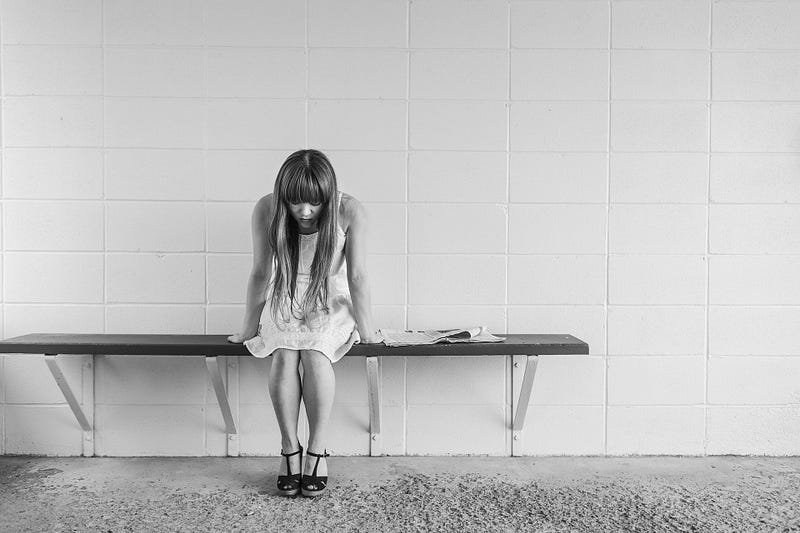
I’m a horrible, worthless, lazy bum. Or, my mental illnesses are crippling me and I’m struggling to get the help I need. Which is it? Does it matter? Does each problem have a different solution?
Let’s start by looking at some symptom checklists.
Anxiety disorders are the most common type of mental illness, affecting around 40 million Americans (even when we aren’t in the middle of a pandemic). I know I tend to struggle with anxiety, and some of you might be struggling, too (maybe for the first time during this crisis), so here are some common symptoms of anxiety:
- Excessive worrying (that’s a yes from me right now)
- Feeling agitated (only when I go down a mental rabbit hole of worry)
- Restlessness or an uncontrollable urge to move (yep)
- Fatigue (I have definitely found myself napping more than I should recently)
- Difficulty concentrating (yes; it takes me an entire day or more to finish one article that should only take an hour or two to finish)
- Irritability (even birds piss me off these days)
- Tense muscles (maybe?)
- Trouble falling or staying asleep (it’s so hard to shut off my brain at night)
- Panic attacks (luckily, this one is a no for me right now)
- Avoiding social situations (socializing isn’t much of an option; however, in the last few days, I have made efforts to join online meetups and yesterday I did a video call with an acquaintance)
- Irrational fears (not more than usual)
OK, so my anxiety is definitely acting up under the current pandemic. Maybe you’re dealing with anxiety too. It could be something you’re used to, or it could be a new condition thanks to this crazy new world we’re living in. So, what can we do about it?
Here are some of the top recommendations for battling anxiety:
- Eat a healthy diet
- Consume probiotics and fermented foods
- Reduce or eliminate caffeine intake
- Avoid alcohol
- Stop smoking
- Get regular exercise
- Try meditation
- Practice yoga
Maybe, like me, anxiety isn’t your only struggle right now. The next most common mental illness in the United States is depression. One type of depression, major depressive disorder, is the leading cause of disability for people from the ages of 15 to 44.3 and affects more than 16 million adults in a normal year.
It’s not hard to imagine the COVID-19 crisis triggering depression in people. Here are the most common symptoms of depression (note that many of these symptoms overlap with symptoms of anxiety):
- Fatigue (again, yes from me)
- Difficulty remembering details, concentrating, or making decisions (big yes here)
- Feelings of helplessness, worthlessness, and guilt (check, check, and check)
- Sleeping too much or too little (yep)
- Hopelessness and pessimism (yes)
- Restlessness (yep)
- Irritability (again, yes)
- Eating too much or not enough (I’m scared to try on my jeans)
- Loss of interest in things you used to enjoy (maybe?)
- Pain, including headaches or cramps (luckily, this one is usually a no for me right now)
- Persistent anxious, sad, or “empty” feelings (empty, usually, but anxious and sad butt in from time to time)
- Digestive problems that won’t go away (you don’t want to know)
- Suicidal thoughts or attempts (luckily no for me; at least not yet)
Lifestyle changes may help improve your symptoms, such as:
- Exercise
- Eat right
- Keep in touch with your friends and family
- Try to get 7–9 hours of sleep each night
- Make changes in your life to help manage and reduce stress. (I know you’re probably laughing right now — this advice was created by professionals before we all had a pandemic to stress about; still, try to apply it if you can.)
Reviewing all these symptoms, I’m going to say that I’m being crippled by anxiety and depression. I’m not a lazy bum. Maybe you’re realizing the same thing?
If possible, the best thing you can do is reach out and get professional help. However, I recognize that professional help is expensive under the best of circumstances and might be even more out of reach than ever during the pandemic. Here are some resources that may help:
- Substance Abuse and Mental Health Services Administration National helpline: 1–800–662-HELP (4357)
- National Alliance on Mental Illness (NAMI) NAMI HelpLine: 1–800–950-NAMI (6264)
- Headspace is offering a few free guided meditations with no membership required.
- 7 Cups offers free 24/7 chat with volunteers and has online therapy for $150 per month
- National Suicide Prevention Lifeline 1–800–273–8255
- MentalHealth.gov has a variety of resources
- Mental Health First Aid has a variety of resources
We can get through this. We can survive the pandemic AND our mental health struggles. We just need to hang in there and focus on changing what we can.
You’re not a lazy bum, and neither am I. We’re doing the best we can under extraordinary pressure.