avatarDark Energy Articles

Free AI web copilot to create summaries, insights and extended knowledge, download it at here

2329

Abstract

2F%2Fwww.youtube.com%2Fwatch%3Fv%3DV39uOhWkV20&image=https%3A%2F%2Fi.ytimg.com%2Fvi%2FV39uOhWkV20%2Fhqdefault.jpg&key=a19fcc184b9711e1b4764040d3dc5c07&type=text%2Fhtml&schema=youtube" allowfullscreen="" frameborder="0" height="480" width="854"> </div> </div> </figure></iframe></div></div></figure><p id="7695">The world’s most intelligent animals also include, for example, ravens, dolphins, cows, parrots, octopuses and even rats. Although the list is definitely longer, many people still ask themselves — do animals think? Such behavior is a strong argument for “yes.”</p><h1 id="c6ef">How do animals think?</h1><p id="78c3">The accepted measure by researchers of animals’ ability to think and assess their intelligence is how they perform in mazes, how they solve puzzles given to them, and whether they have an awareness of “their own self.” The latter trait is tested using the so-called “red spot test”.</p><p id="9475">A sleeping animal is drawn a red spot on its forehead or neck, and then a mirror is placed in front of it. If, after waking up and seeing its own reflection, the animal wipes the spot from its forehead, it means that it has <b>self-consciousness</b>. If it tries to wipe the spot from its reflection, it means it does not have this awareness.</p> <figure id="302e"> <div> <div> <img class="ratio" src="http://placehold.it/16x9"> <iframe class="" src="https://cdn.embedly.com/widgets/media.html?src=https%3A%2F%2Fwww.youtube.com%2Fembed%2FOkmkn30D0NU%3Ffeature%3Doembed&amp;display_name=YouTube&amp;url=https%3A%2F%2Fwww.youtube.com%2Fwatch%3Fv%3DOkmkn30D0NU&amp;image=https%3A%2F%2Fi.ytimg.com%2Fvi%2FOkmkn30D0NU%2Fhqdefault.jpg&amp;key=a19fcc184b9711e1b4764040d3dc5c07&amp;type=text%2Fhtml&amp;schema=youtube" allowfullscreen="" frameborder="0" height="480" width="854"> </div> </div> </figure></iframe></div></div></figure><p id="0022">Using such an experiment, awareness of “self” has been found in gorillas, orangutans, chimpanzees, bonobos, elephants, dogs, bottlenose dolphins, orcas, pigs and magpies.</p><p id="a556"><b>Another sign of intelligence in animals is the ability to deceive.</b> Chimpanzees and rhesus monkeys certainly have it, as

Options

well as wolves. When a pack of wolves, consisting of a dozen individuals, moves, they all follow the pack leader, putting their paws exactly on his tracks. To the observer, it looks as if the tracks were left behind by only one predator.</p><h1 id="380b">What kind of animals think?</h1><p id="dbff">Elephants may not cheat, but they can sympathize, wash food and use various tools, and they do so in very creative ways. An elephant’s brain weighs at least 5 kg, much more than the brains of other animals of similar size: hippos or rhinos. The brain of a blue whale is only twice the size of an elephant’s brain, although the whale itself is larger than an elephant by as much as 20 times.</p><p id="0db4">Anyone who has ever kept these animals could talk at length about the intelligence of rats. <b>Rats learn very quickly and have an excellent memory</b>, so that, for example, they easily find their way out in even the most complicated mazes. Thinking is also demonstrated by donkeys. Contrary to popular belief, donkeys are not at all stubborn, they simply calculate before carrying out a command whether it can bring them more harm or more benefit. And if a donkey, for example, refuses to go through a puddle, it is because it has assessed that it can bypass it and go through with a “dry hoof.”</p><div id="d3d7" class="link-block"> <a href="https://readmedium.com/crusades-who-organized-them-and-what-were-their-causes-course-and-effects-520beadeb90a"> <div> <div> <h2>Crusades — who organized them and what were their causes, course and effects?</h2> <div><h3>The Crusades, the historic struggle between Christians and Muslims for dominion in Jerusalem, lasted nearly 200 years…</h3></div> <div><p>medium.com</p></div> </div> <div> <div style="background-image: url(https://miro.readmedium.com/v2/resize:fit:320/1*6UFJ7M2nzoHpnoM-qPZS6g.jpeg)"></div> </div> </div> </a> </div><p id="bb2f"><b>Cool that you made it to the end of this article. I will be very pleased if you appreciate the effort of creating it and leave some claps here, or maybe even start following me. It would be nice if you also left a tip! Thank you!</b></p></article></body>

Do animals think? The answer is not clear

Wondering if animals think? Scientists have been searching for an answer to this question for years, and while we still don’t know for sure, the research conducted so far indicates that they do.
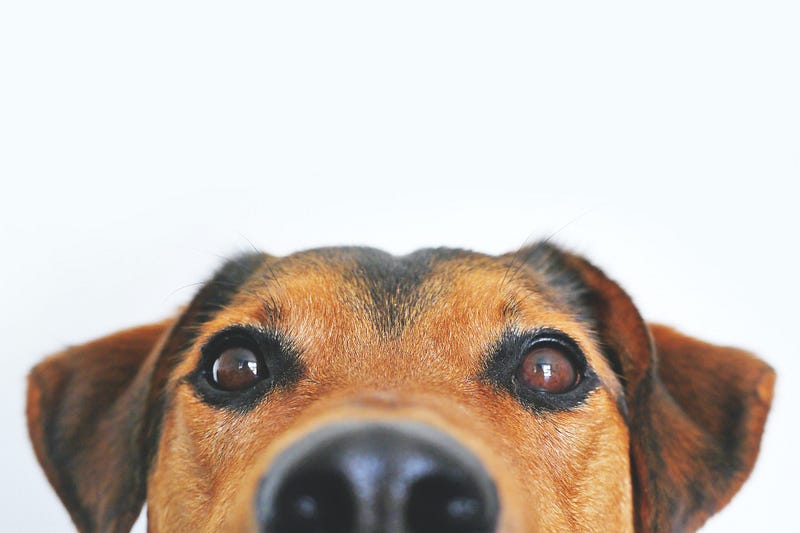
[Photo by Lum3n from Pexels]

Many animal species have already surprised more than once with their intellect. An example? Two bees from São Paulo, who jointly opened a bottle. Although the video received a mixed reception, it quickly went viral. It doesn’t stop there, however. There are many more similar stories. In 2021, the Internet was conquered by a video of American scientists who taught pigs to operate a joystick and play video games.

A few years ago, on the other hand, scientists proved that crows have an intelligence level close to that of a seven-year-old child. In contrast, recent studies have found that jays can pass a version of the famous marshmallow test designed for them, which tests the level of self-control.

The world’s most intelligent animals also include, for example, ravens, dolphins, cows, parrots, octopuses and even rats. Although the list is definitely longer, many people still ask themselves — do animals think? Such behavior is a strong argument for “yes.”

How do animals think?

The accepted measure by researchers of animals’ ability to think and assess their intelligence is how they perform in mazes, how they solve puzzles given to them, and whether they have an awareness of “their own self.” The latter trait is tested using the so-called “red spot test”.

A sleeping animal is drawn a red spot on its forehead or neck, and then a mirror is placed in front of it. If, after waking up and seeing its own reflection, the animal wipes the spot from its forehead, it means that it has self-consciousness. If it tries to wipe the spot from its reflection, it means it does not have this awareness.

Using such an experiment, awareness of “self” has been found in gorillas, orangutans, chimpanzees, bonobos, elephants, dogs, bottlenose dolphins, orcas, pigs and magpies.

Another sign of intelligence in animals is the ability to deceive. Chimpanzees and rhesus monkeys certainly have it, as well as wolves. When a pack of wolves, consisting of a dozen individuals, moves, they all follow the pack leader, putting their paws exactly on his tracks. To the observer, it looks as if the tracks were left behind by only one predator.

What kind of animals think?

Elephants may not cheat, but they can sympathize, wash food and use various tools, and they do so in very creative ways. An elephant’s brain weighs at least 5 kg, much more than the brains of other animals of similar size: hippos or rhinos. The brain of a blue whale is only twice the size of an elephant’s brain, although the whale itself is larger than an elephant by as much as 20 times.

Anyone who has ever kept these animals could talk at length about the intelligence of rats. Rats learn very quickly and have an excellent memory, so that, for example, they easily find their way out in even the most complicated mazes. Thinking is also demonstrated by donkeys. Contrary to popular belief, donkeys are not at all stubborn, they simply calculate before carrying out a command whether it can bring them more harm or more benefit. And if a donkey, for example, refuses to go through a puddle, it is because it has assessed that it can bypass it and go through with a “dry hoof.”

Cool that you made it to the end of this article. I will be very pleased if you appreciate the effort of creating it and leave some claps here, or maybe even start following me. It would be nice if you also left a tip! Thank you!

Animals
Thinking
Science
Life Lessons
Psychology
Recommended from ReadMedium