
Discovering Your New Normal After Trauma
I want to center my life around maintaining peace, not chaos, and chasing happiness instead of madness.
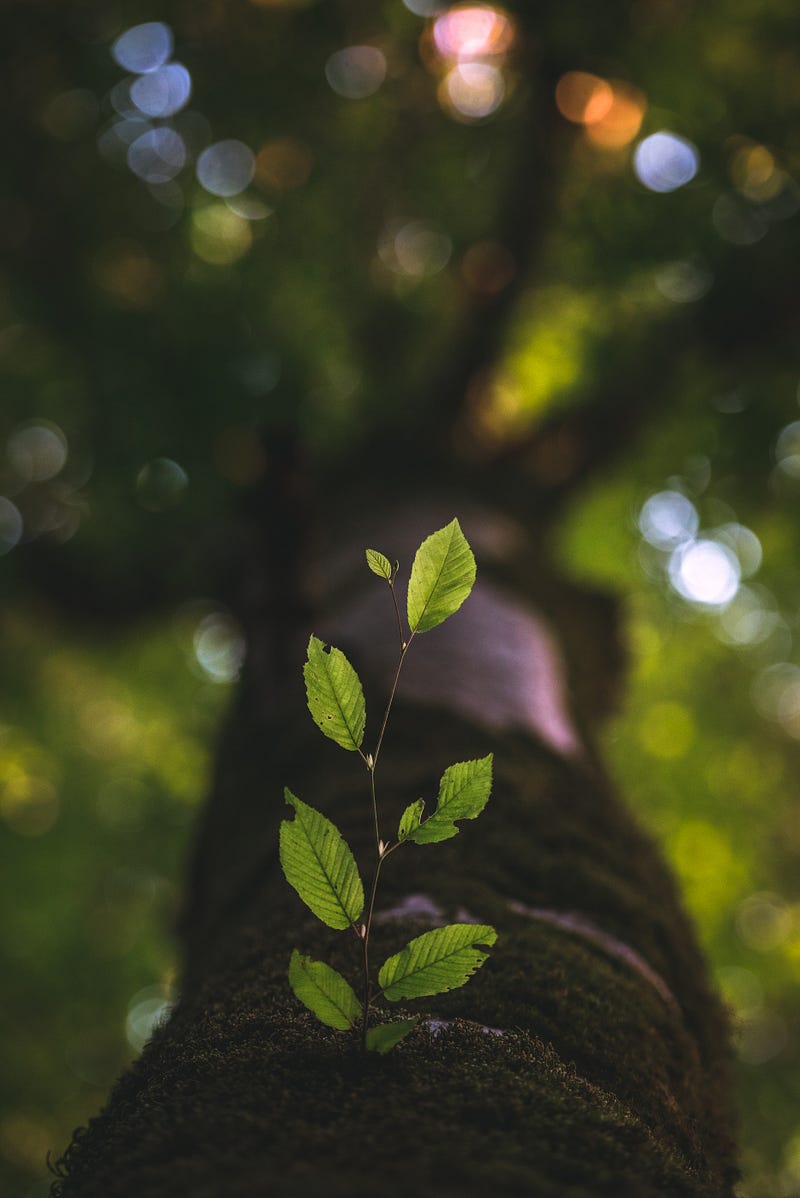
Growing up, my normal was chaos and madness due to some less than stellar events in my childhood and a messed up family .
Through the constant struggles, I have learned what to appreciate. And for me, every aspect of life is worth being appreciated. But above anything else, I appreciate normalcy.
Finding my new normal after trauma has been a difficult challenge. I’ve always struggled to understand what my normal really was. I watched all the other families and how my friend's lives are to see what normal is.
I struggled to find my normal. It seemed like I couldn’t achieve the simplest of life pleasures.
Through the past 6 months, the chaos of my family has bled out into my own life, even at the age of 25. Through all the insanity, I was able to take pleasure in the small things in life.
Now I understand that normal cannot be defined. Normal is a string of constants that I can always look back to, no matter the circumstances.
My normal after trauma is appreciating every sunset, laugh, and simple pleasures in life. At the same time, self-care being at the forefront of my day.
For me, normal is having a sense that things feel right. That where I am, what I am doing, and what I am feeling work. I notice this by stepping back and seeing how I truly feel in my heart.
Understand your trauma
Traumatic events can vary greatly, but they all have the same outcomes: fear and negative emotions.
According to the CDC Injury Prevention, “Traumatic events are marked by a sense of horror, helplessness, serious injury, or the threat of serious injury or death.”
Traumatic events can impact every aspect of a person’s life. Sometimes if someone experiences a traumatic event, they can develop Post Traumatic Stress Disorder (PTSD). The CDC Injury Prevention describes PTSD in three sections:
Symptoms of Re-living
The trauma you experience is on a loop in your mind. Flashbacks, nightmares/night terrors, anxiety, panic attacks, triggers from events, fear, and other physical symptoms can be present, such as a racing heart, chills, etc.
The trauma I experienced was challenging during that time. I still deal with the effects of this trauma every day. The number of sleepless nights, chronic panic attacks, and overwhelming anxiety are hard to manage every day.
Symptoms of Avoidance
“…in engaging a natural and instinctive response to pain, they begin to make their worlds smaller. They cut out activities that they may once have enjoyed, but now remind them — for reasons big or small — of the things they don’t want to think about, the things they don’t want to remember. They eliminate certain places as options for them to visit or pass by — too painful, too triggering, too many reminders.”
Avoidance is a defense tactic that allows us to stay out of harm's way. The harm we are avoiding is what we have already experienced — why would you want to go through that again?
Well, that may be good in theory; our avoidance can grow and seep over into other circumstances that weren’t originally linked to that traumatic event.
I noticed that after my trauma, I was too afraid to be around other people. I feared that people might hurt me in the same way. Isolation took a huge toll on my mental health.
Symptoms of Increased Arousal
Avoiding any circumstance that connects to my trauma is difficult. But then I started to become hyperaware or hyper-vigilant of any perceived threat. My mind was trying to keep me safe by looking for any indication that someone would hurt me as I have been hurt in the past.
It becomes all-consuming and leads to even leads to more isolation and fear.
Understanding my trauma helps me recognize limits for myself. Knowing my limits helps me stay safe and healthy and what I can handle and what might be too much for.
By understanding the trauma I have survived, I can create moments of relief throughout my day.
Does your normal fit with who you are?
I’m left with many negative emotions, avoidance, and hypervigilance to other people’s actions. It’s a heavy burden to carry every day. At every turn, I am reminded of the pain I went through.
I have to fit my days to work around caring for myself. I need daily, appropriate self-care to keep myself safe and stable.
I did not need to rearrange my whole schedule, but I added small pleasures into my everyday life. The simple self-care tool I use is fresh smelling body wash. I had a special bottle that is my favorite smell. I use it whenever I need a little peace to my day.
I want to center my life around maintaining peace, not chaos, and chasing happiness instead of madness.
I want to be around my family and my home to stay connected to them. I want my house to be spotless, I want my surroundings kept up, and I certainly love not having to report to anybody.
I need to afford myself time throughout the day to take care of myself. With my mental health declining, I needed to have extra moments to care for myself.
I have found that working a freelance or remote work job to be the most helpful for me. This is not a decision I could make overnight; it was slow progress to where I am now.
On a regular 40 hour work week and caregiving for my grandmother, I realized I didn’t have anything for myself before I became a freelance writer. During this time, I was experiencing family turmoil as well. With the traumatic events that transpired from my family discord, I had a breakdown.
My normal at that time did not fit what I needed and led to me being in a bad place mentally.
Normal is a constant variable.
The beauty of what we define as ‘normal’ is that it is ever-changing and evolving with us. Our self-care today may be completely different next week.
Discovering your normal after trauma is by finding what helps you feel centered and at peace. What’s something small that brings you happiness and joy?
Find what makes you feel peaceful, and run with it.
Positive affirmation: I no longer fear my future, and I know that I will always find what I am truly destined to have.
If you liked this article, check out more of this author’s work:
Want to write for The Pink? We’d love to have you in our community of 200+ writers. Or Follow us on Instagram for more.


