
Discover the Bison Herds of Iowa
Iowa was once home to bison herds that roamed North America. While nearly exterminated by 1890, you can again see these majestic animals within the state
“The most dangerous worldviews are the worldviews of those who have never viewed the world.”― Alexander von Humboldt
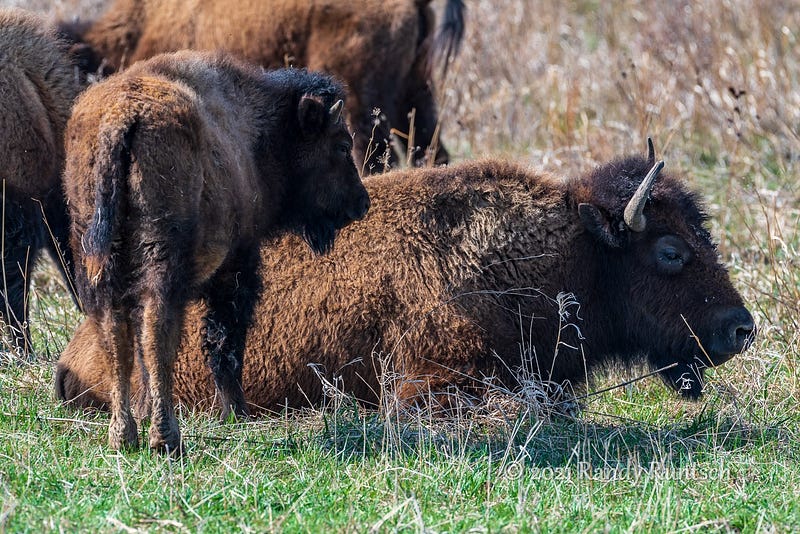
The magnificent American bison is the largest land animal in North America. Bulls can stand six feet at the shoulder and weigh up to 2,000 pounds.
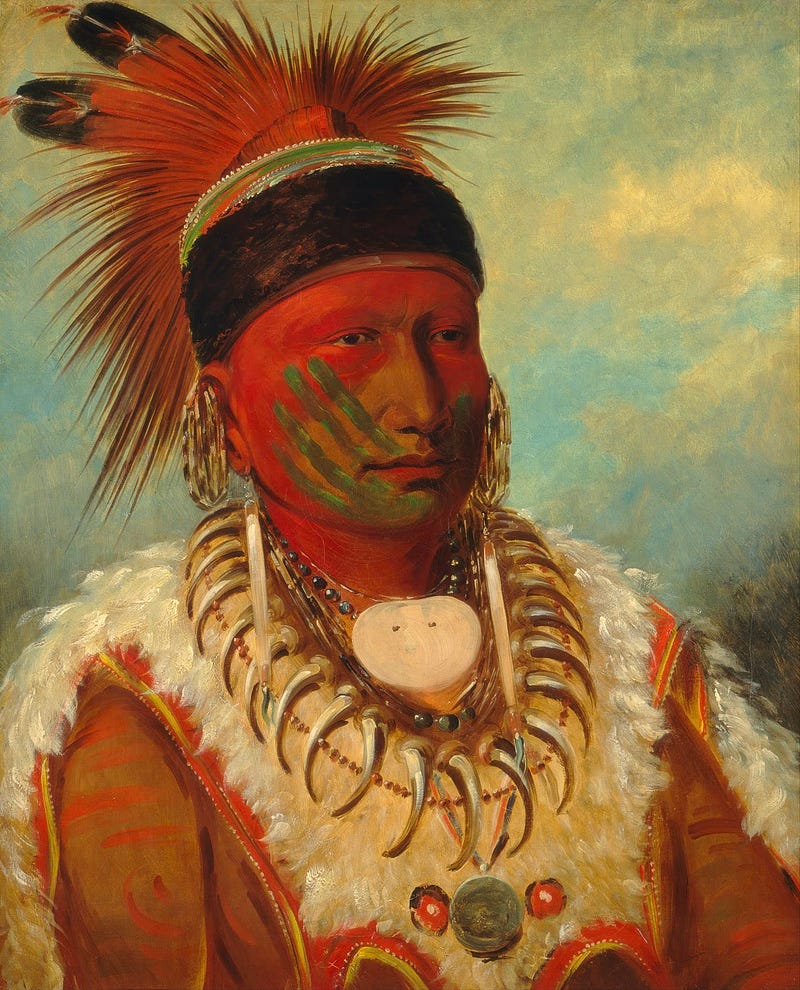
Historically, many American Indian tribes, including those in present-day Iowa, depended on the sacred bison for survival. They used it for food and as raw material for shelters, clothing, and tools. The Indians wasted nothing.
By 1800, 30 to 60 million bison, also called buffalo, roamed the Great Plains and other areas of the United States, Canada, and Mexico. In the 1800s, hunters slaughtered the majestic beasts and decimated the population. By 1889, fewer than one thousand animals remained.
In 1894, the U.S. Congress passed legislation to protect bison. The federal government strictly enforced the law. Violators who killed the animals faced imprisonment and fines of $1,000.
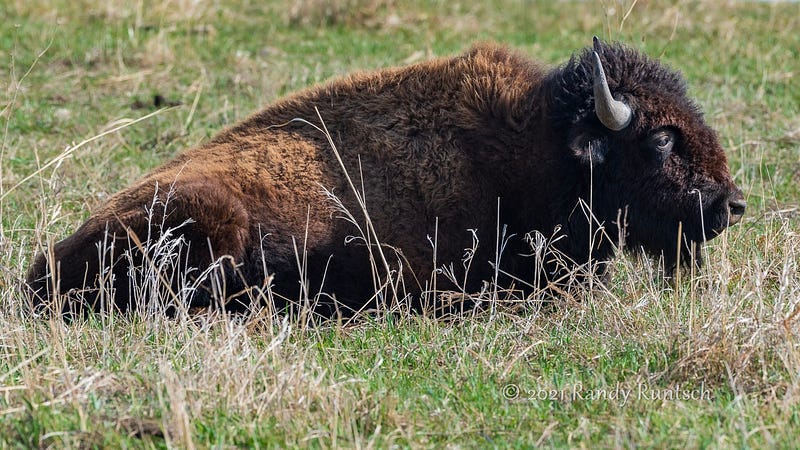
If not for congress, the American bison might be extinct today. Since then, government entities, private organizations, and individuals have established and grown herds throughout North America. Estimates place today’s total population at 360,000 to 500,000 animals.
“The wounds we have inflicted on the earth can be healed… but if it is to be done, it must be done now. Otherwise, it may never be done at all.” — Jonathon Porritt
Before the westward expansion in the U.S. that resulted in part from the cultural belief in manifest destiny, present-day Iowa, with its extensive prairies, was within the bison range. As the U.S. frontier moved westward, farmers converted most of the millions of acres of prairies, forests, and wetlands to cultivated fields.
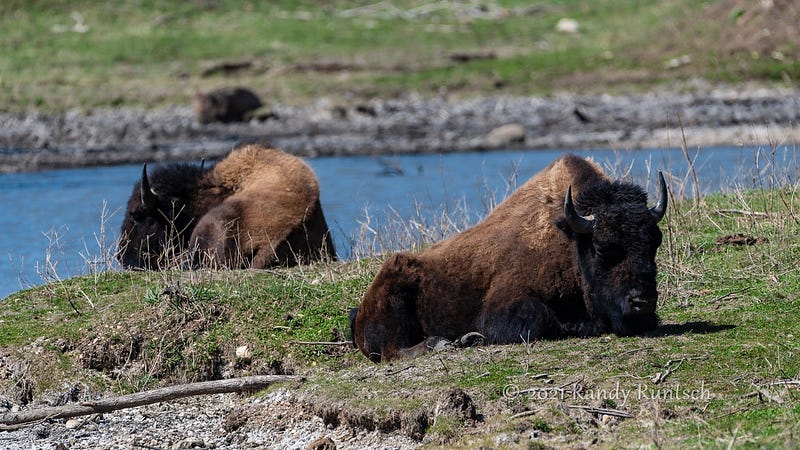
Thanks to the work of government and private organizations and the men and women of Iowa, several bison herds are maintained within the state. Today, you can view them in several public and privately-owned locations, such as Jester Park Nature Center, Broken Kettle Grasslands Preserve, and Neal Smith National Wildlife Refuge.
Native Americans, Bison, and the Prairie
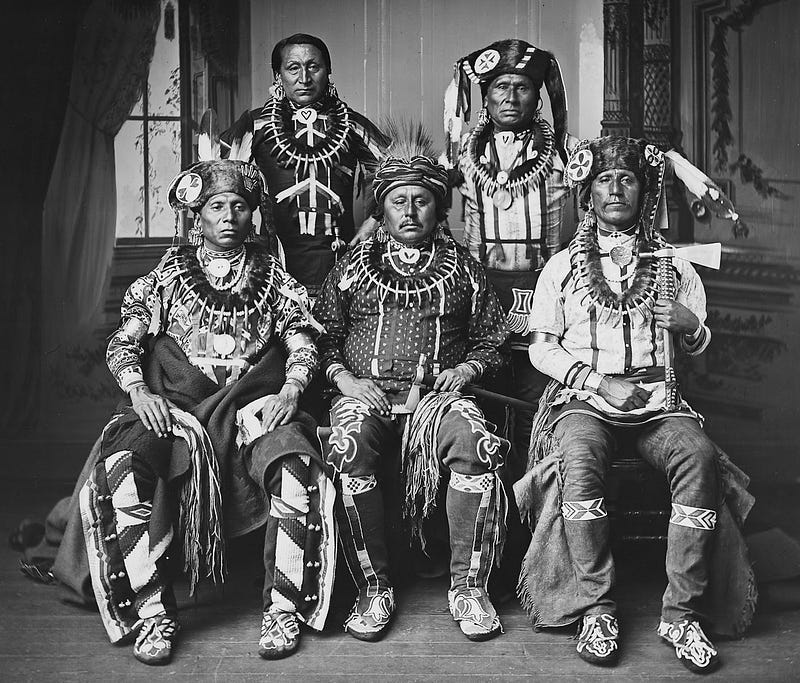
In the early eighteenth century, American Indian tribes, such as the Ioway, Ho-Chunk, and Otoe, lived on the prairies and in the woodlands of Iowa. For food, depending on the tribe, these Native Americans hunted bison and other wildlife, fished, gathered berries, and farmed.
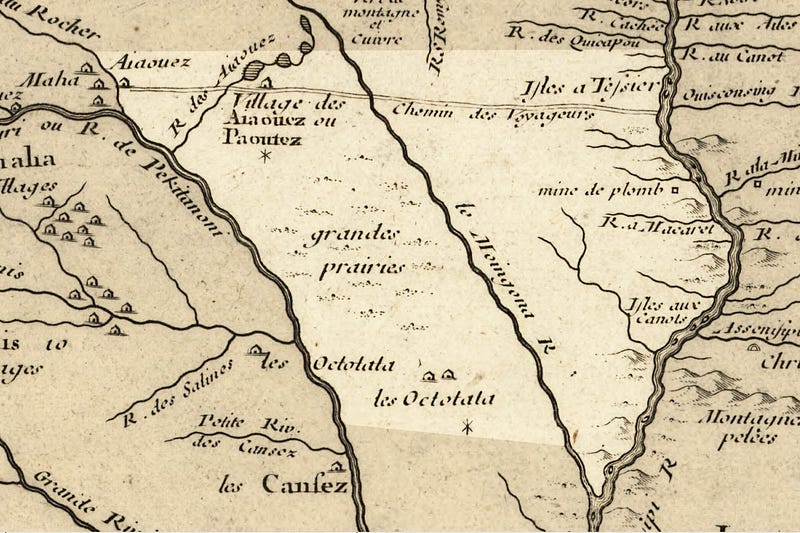
Members of the Otoe tribe, for example, lived in elm-bark lodges while they farmed. When they traveled to hunt bison and other game, they transported and lived in portable teepees.
As pioneers moved west, many settled in Iowa and other areas. They cut the forests and turned up the sod to create the farmland we see today. At the same time, for sport, hunters massacred millions of bison. The U.S. government waged wars with the Indians throughout the West to open up lands for predominately white settlers. It removed them from their ancestral homes to then out-of-the-way reservations in Oklahoma, South Dakota, and other states and territories.
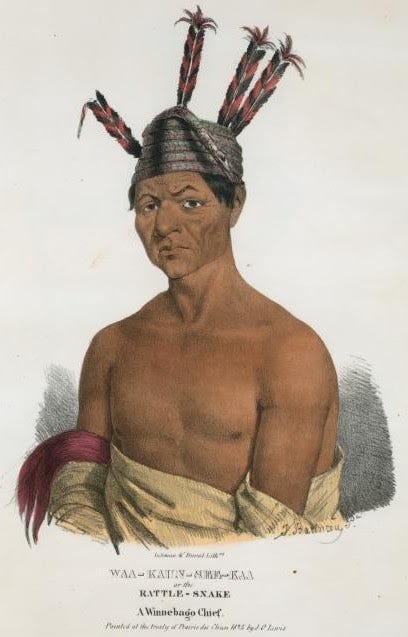
Sadly, the decimation of the bison parallels the forced relocation of native peoples and the destruction of vast tracts of natural environments.
Today, we are fortunate to be able to view bison in small numbers and herds. They were almost gone not long ago.
Present-day Herds in Iowa
Jester Park Nature Center
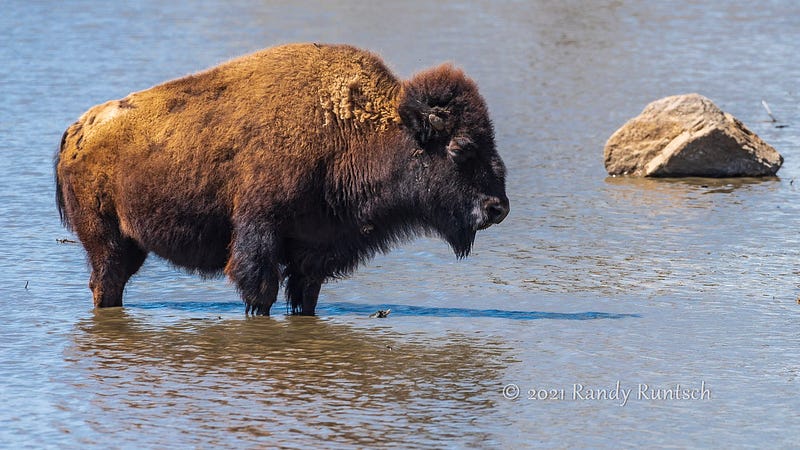
Jester Park Nature Center, near Granger, and about 20 miles north of the state capital of Des Moines, maintains small herds of bison and elk in pens.
Broken Kettle Grasslands Preserve
The Nature Conservancy established a bison herd of 28 animals in its Broken Kettle Grasslands Preserve in 2008. The herd at Broken Kettle, near Westfield, and 20 miles north of Sioux City, has grown to over 200 animals. They live on the largest remaining prairie in Iowa. It is part of the Loess Hills that winds formed following the retreat of glaciers some 10,000 years ago.
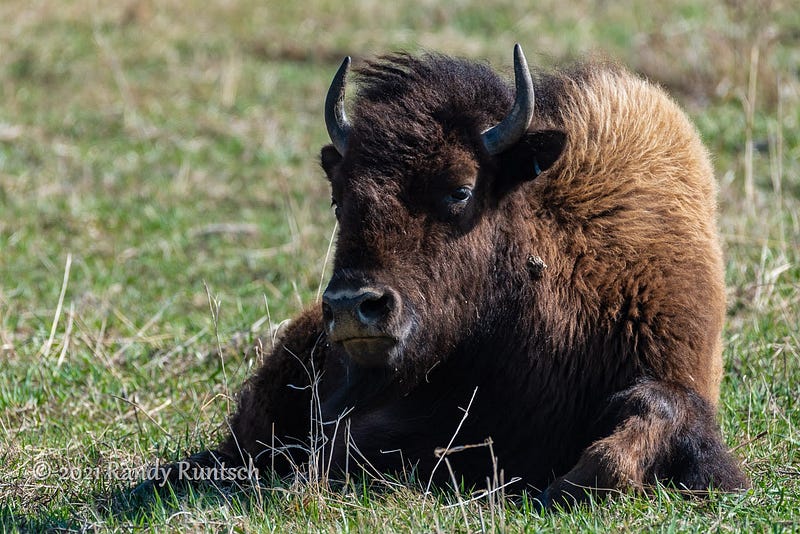
Visitors to the Broken Kettle Prairie can see the bison and a wide variety of prairie plants, birds, and other animals.
Neal Smith National Wildlife Refuge
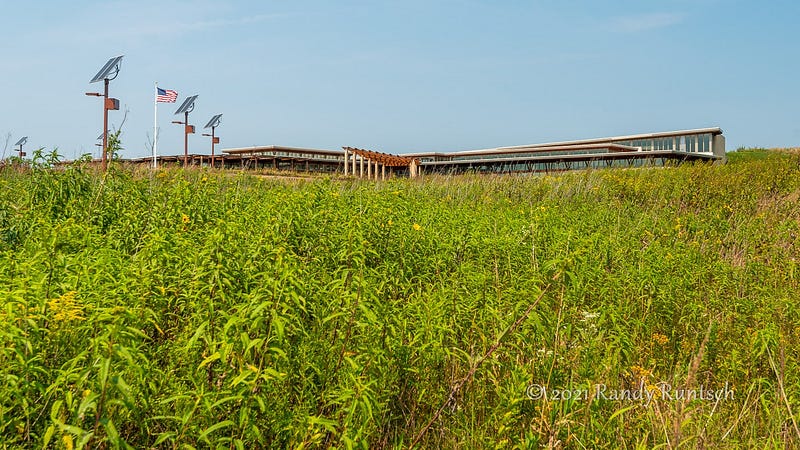
Formerly known as Walnut Creek, Neal Smith National Wildlife Refuge manages a herd of about sixty bison. Located near Prairie City and 25 miles east of Des Moines, the refuge features tallgrass prairies, oak savannas, and sedge meadows within its 6,000 acres. Neal Smith features the Prairie Learning and Visitor Center.
Private Herds
In addition to the herds listed above, you may be able to view private herds at these locations:
- Bare Bison — Located near Van Meter, Bare Bison sells bison meat and offers tours.
- Hawkeye Buffalo and Cattle Ranch — Hawkeye offers bison meat sales and tours at its location near Fredericksburg.
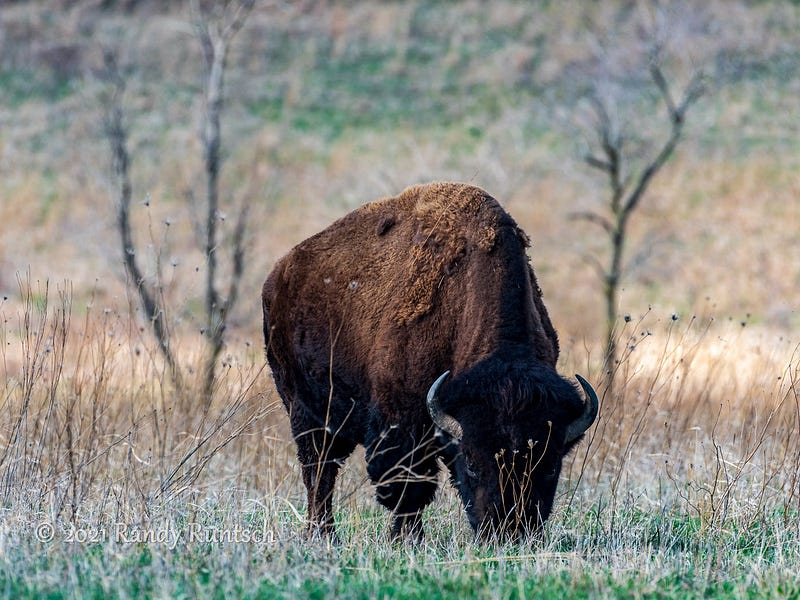
- Timber Ridge Bison — With a bison herd of about 200 animals near Waverly, Timber Ridge sells bison meat.
Conclusion
The relocation of Native Americans from their homelands, the destruction of vital natural environments, and the near decimation of the American bison coincided as terrible and sad American tragedies. But hope remains. I am thankful that governments and good people have established, maintained, nurtured, and grown bison populations in Iowa, other states, Canada, and Mexico.
Learn more about bison and where to view them in Discover the Bison Herds of North America.
About the Author
Randy Runtsch publishes Wildlife Trekker magazine. He is a writer, photographer, data analyst, and programmer. He writes for Wildlife Trekker, Bicycle Trekker, The Frugal Journey, Towards Data Science, and other publications.
Randy and his wife live in Southeastern Minnesota in the U.S.A.