
What it’s Like Having a Garden Plot
Living a sustainable life
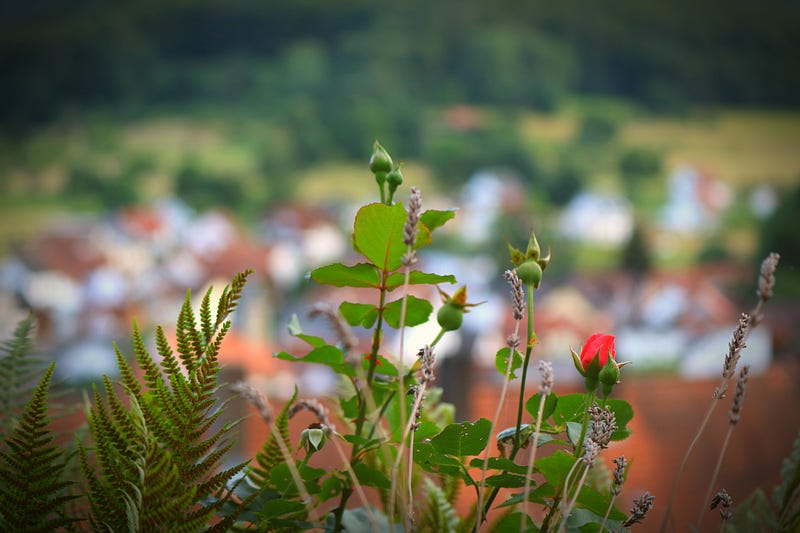
I don’t know if having a garden plot is a thing anywhere else in the world. Here in Germany, it’s a culture. You’ll find them anywhere outside the cities. Sometimes even in the cities. Next to railway lines and other unwanted locations.
Small pieces of land are covered in various vegetable plants, flowers, and some cottages. That is what a garden plot is. A piece of land for you to be in nature and grow whatever you desire to grow. On weekends the entire day will be spent out there together with the family. Having a barbecue and enjoying the off days.
The reason why we don’t do that on our property next to the house we live in is rather simple. We don’t have space for it. Rarely we actually have a garden around our house. If we even have a house. Most of us live in flats somewhere on the second or third floor and have no space to grow anything apart from some roses on the balcony.
We don’t have a lot of space. With more than 80 million people living in a small country like Germany, there isn’t much space for growing vegetables in cities and bigger towns. That is why we invented garden plots.
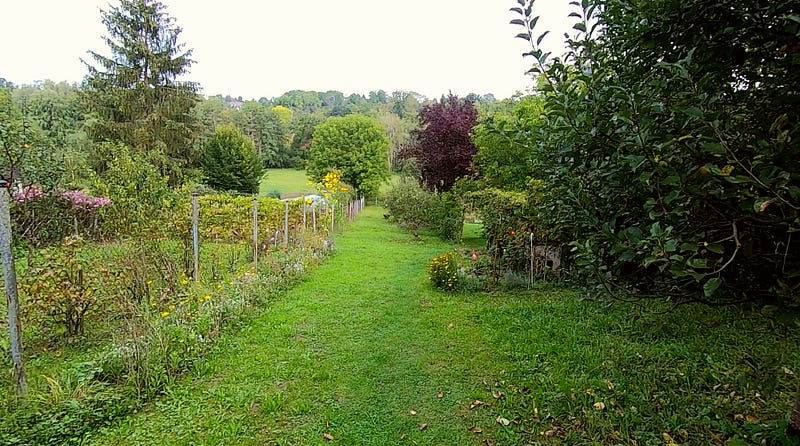
A garden plot
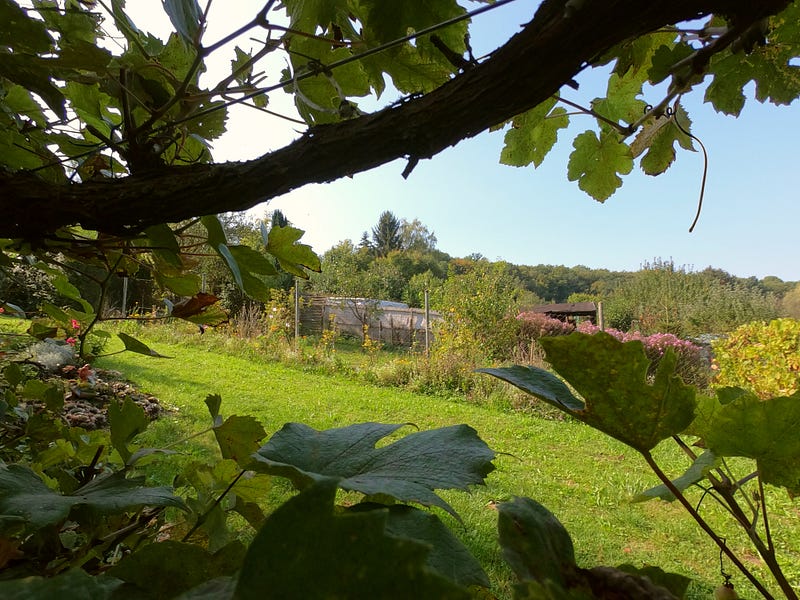
A garden plot is usually located at the edge of towns, next to a river or a forest. Somewhere between the villages. Easy accessible by car or even by foot from your home.
You’ll never find one garden plot standing there alone. It’s like a tiny village on its own. Several garden plots are located right next to each other. Only separated by a small fence or some bushes if the owner doesn’t want the neighbor to see his beautiful garden.
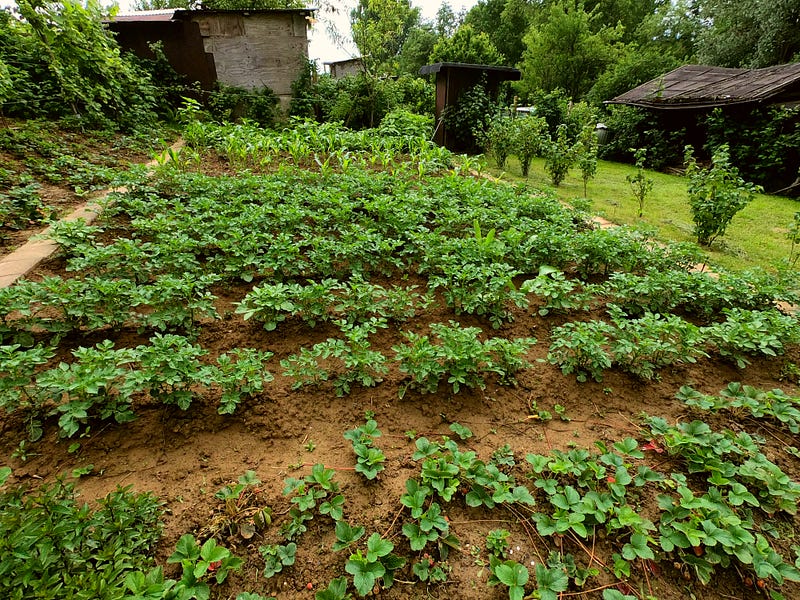
Apple trees, bushes of raspberries, and rows of all sorts of vegetables are to be found in my parents' garden plot. Some people rather keep a big lawn to have a lot of space for their children or grandchildren to play on. Others focus on growing a lot of food on it.
It depends on your priorities.
Regardless of where you place your priorities in what you plant in the garden, any garden plot is a paradise for birds, insects, rabbits, squirrels, and lots of other species.
A garden plot is a place to relax and rewind but also a place to be active in, to work out, and work hard, and a place to connect with nature. The social community in such plots is amazing. Neighbors help each other when a tree has to be cut and tools are needed.
Variety of nationalities
I can’t speak of all garden plots in Germany, but in the area where my parents have theirs, there are lots of eastern Europeans who own such a plot or rent it. There are Germans too in between and I’m sure they occupy most of the plots.
Several Russian, Romanian, and Turkish families are to be met on the plots in my area. And we build a great community. Even when I’m coming to visit they know that I’m the daughter “from Africa”. The one who always travels.
Then I have to start telling stories. About elephants, lions, massive sand dunes, and the sun that burns your skin. That is what these garden plots are for. To exchange stories from different nationalities and beautiful countries.
The family connection
For my family, there is a deeper connection to having a garden plot. Whilst my grandparents had the gardens back in Romania in order to have enough food to feed the family since you couldn’t buy or afford much back then it is now more like a positive side effect for my parents. Getting vegetables and fruits from your own garden.
It is a lot of work all year round it but it is also very satisfying harvesting all that food over the months. Definitely worth all the effort.
In addition to it, there are plenty of birthdays being celebrated in our garden plot every year. The entire family including uncles, aunts, and all the cousins come together, laugh, drink, and eat.
That is probably what I miss the most while being abroad. These family meetings. They are always so much fun. Joy. It’s great to have that kind of a connection to all your relatives. Despite not always agreeing to everyone there are always plenty of positive moments during such an event.
Learning for life
Growing up I worked a lot in this garden too. I got taught how to plant onions and how to spread the seeds for radish in the ground. I did learn a lot about the growth of several vegetables and fruits.
I learned what it means to live a sustainable life. To look after nature because if you take care of it you can get a lot from it.
I do know that our potatoes from the garden don’t look nearly as beautiful as the ones in the store. Our apples are never entirely red or green. They are a mixture of colors. Because that is how they grow. If you let them grow out in nature. If you don’t add pesticides they won’t look half as pretty as the ones from the store but will taste double as good.
My favorite taste bite is still a fresh tomato from the garden. If you pick them you’ll get a taste bomb in your mouth. They are so juicy. And still, you get the real taste with it. The smell of the leaves of a tomato plant remains on your fingers. Your mouth is asking for more. Maybe for a tiny yellow tomato. My all-time favorite ones.
A herd of sheep
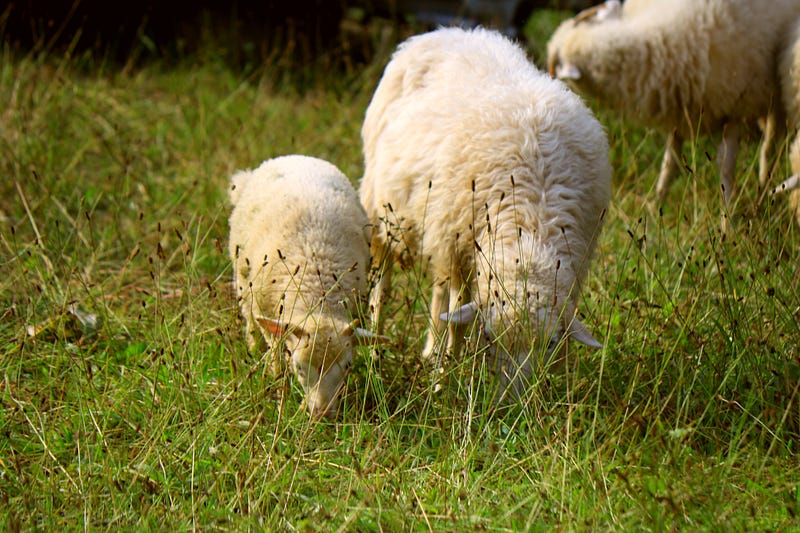
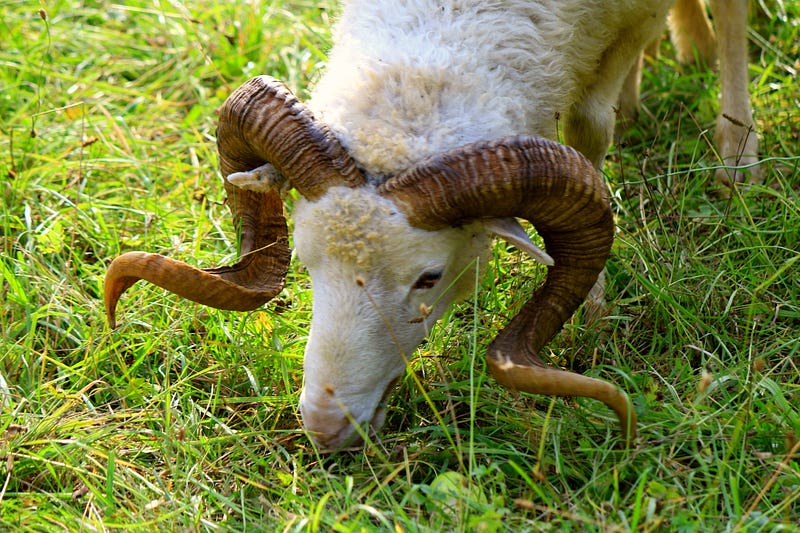
Recently my parents joined a group of people who are looking after a few sheep grazing next to the garden plots. It was the first time I got to see them. When my mom walked over there to check the electric fence if it’s still working. She also counted them and fed them some apples. The sheep were excited to see her.
I don’t actually know who owns the sheep. I guess it’s a farmer. But he turned it in a community project. These few people regularly walk past the herd, check if they still have enough water and everything else is in order, and write down some notes on a piece of paper.
Living a sustainable life
One day. One day when I’m ready to settle down I will definitely grow a garden too. Preferably right on my property, but if that’s not possible then I’ll also look for a garden plot.
It’s simply so much fun seeing your own results from planting vegetables. Harvesting what you created. Tasting the results of your own hard work.
Doing my little bit for mother earth. To give a space for other animals to live in. And to connect with nature. Living a sustainable life is the ideal (almost) everyone dreams of. And thinks it’s just too complicated. But that’s not true.
Every little step you do counts. And every little step you do does make a difference. Whatever it is for you.
Just do it.
“Sustainability, for me, is a process of daily living with the earth in mind.” — Alyson
Thank you for reading. Here are some related articles in case you want to dig in a bit more into my world.


