
ENTREPRENEURIAL FUTURE
Designing New Products with Fungi and Seaweed
The future needs new products. And lots of designers and entrepreneurs are busy creating them. Will you be one of us?
Sometimes a remark is enough to get me going on a new story. Today it was the comment of Annemarie Berukoff. She said:
“The part that made me clap my hands with joy was Part 5 about designers and entrepreneurs creating new local bio-available products with fungi and seaweed!” — Annemarie Berukoff
Well, let’s give you some more good news then.
It’s happening for real!
But before I get into it, let me quickly explain why this is so important. Our earth has a shortage of raw materials. This year, Earth Overshoot Day fell on August 22. It means that on August 22 we had used up all the resources that the earth can replenish.
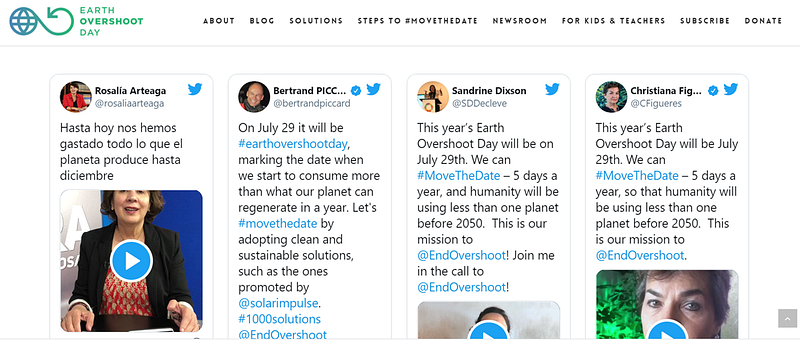
Many people are getting active. They cry and protest and tweet on #movethedate. But will that help enough?
And don’t think that our Mother Earth is not working hard. We’re just too greedy for her to keep up. And we make it more and more difficult for her to do her healing work. We rape her more and more violently to get to the resources we want to use for our luxuries. And we want it faster. Faster. FASTER!
So, here’s what we can do ourselves: make our lives more simple and stop overconsumption. Basic needs are enough for a great life full of love, health, and experience.
And let’s support the entrepreneurs that are inventing our new future. They create new products upstream that only have positive consequences downstream.
Our regenerative farmer entrepreneurs for instance. We should be buying their food directly from the farm. It’s win-win-win.
Local, Abundantly Available Materials
Okay, so that’s us. But what more can we do to keep our planet a good home?
Well, designing our products with new materials is another great action we can take. In the future, our products will either be made of local, abundantly available materials or they will be produced with local waste streams.
Let me give you some examples.
Local, abundantly available materials can be e.g. bamboo. These grasses grow fast without fertilizers or chemicals and can be excellent materials for buildings or many other products.
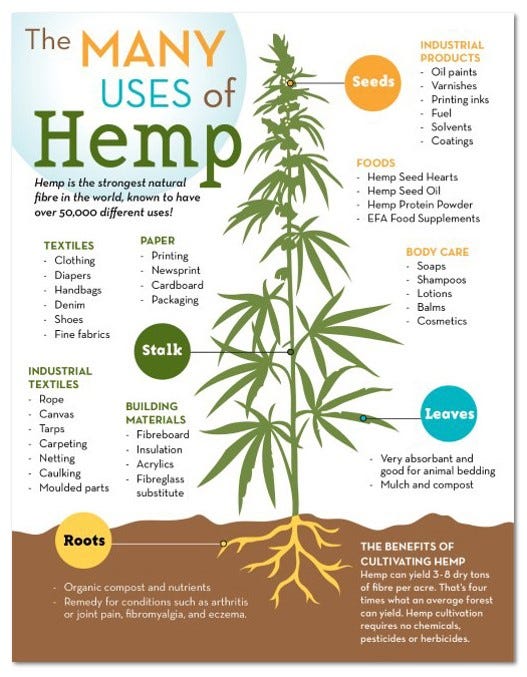
Another great example of a local, abundantly available material is industrial hemp. No, you cannot get high on this hemp. It’s just great for its long fibers, roots, seeds, and leaves. Everything can be used functionally and it grows fast without any fertilizer or chemicals.
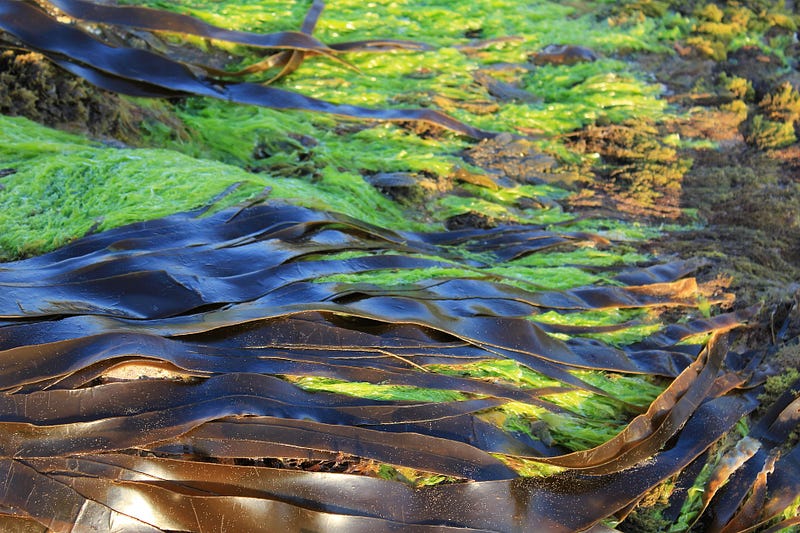
Kelp Seaweed
And then there’s the awesome Professor of Practice in Contemporary Design at Aalto University, Julia Lohmann. I just love her work!
She creates the most stunning designs with kelp seaweed. Last year she designed a pavilion at the World Economic Forum and she has this very practical and wise outlook on life.
Please have a look at this little video and tell me what you think.
“In turn, the world we create shapes us back”
“We have come to believe in our creations. That we stand above and apart from the world that sustains us.”
“Design has a lot to answer for in getting us to this point.”
“We know too much and do too little”
— Julia Lohmann
Fungi
And then, of course, there are fungi. They can really reshape the world. We can grow oyster mushrooms on coffee waste. Like Rotterzwam and Ekofungi and many other producers across the world are doing nowadays.
Very healthy proteins created on a waste stream. We only use 0.2% of our coffee beans to produce a cup of coffee. Why not use the rest to create other healthy goodies?
But there’s more. We can use mycelium (the roots of fungi) to grow building materials, to create biodegradable packaging, to make furniture.
A role for Designers and Entrepreneurs
Dear designers, dear entrepreneurs, it’s time to get involved now. We need you!
As consumers, we can only do so much. Although I should say co-creators instead of consumers because we should all be creating our own world actively.
But designers can take the lead and show us. They can get their immensely creative juices flowing and design our future. It can be done. Join us, please, in doing it!
And if you want to connect, you can find me on LinkedIn or Twitter or somewhere in the world, surfing the waves of change together with entrepreneurs and designers…
Further reading
Or behind these links. LinkedIn, Facebook, Twitter, Instagram, Pinterest, ManyStories, my website. I’m always open to connecting.
© Désirée Driesenaar