Desert Wildflowers — A Superbloom This Year?
Hard to say for sure, but we went to check out the Anza-Borrego Desert wildflowers yesterday.
It has been very wet and cold the last couple of months, for us “spoiled southern California people.” And I’m looking forward to spring. It can’t come fast enough for me.
DesertUSA is predicting that we will have an excellent wildflower season this year. And the Anza-Borrego State Park predicts an above-average bloom, stopping short of calling this year a superbloom.
Will it be a superbloom year?
Time will tell. Some of the best wildflower viewing areas have received a good amount of rain over the past few months. If the early bloom in Anza-Borrego Desert State Park in December indicates what will come, this year’s displays could be phenomenal.
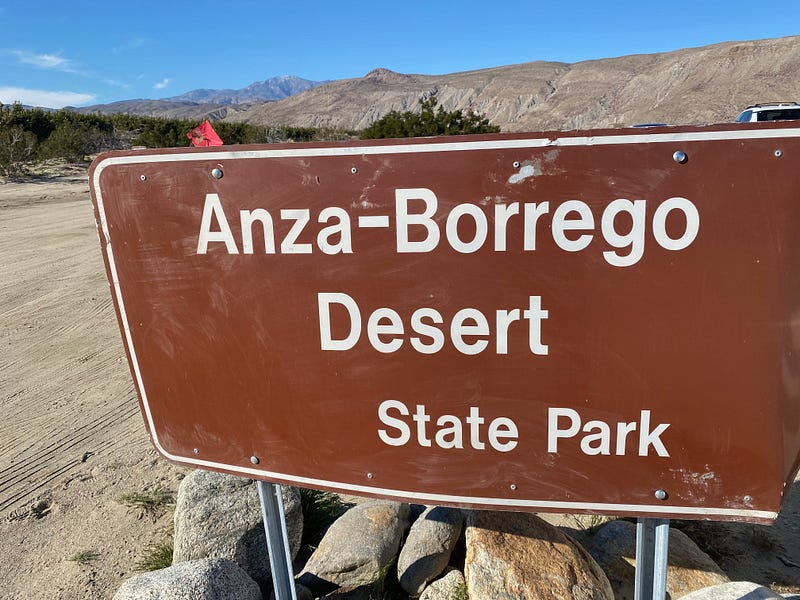
The Anza desert had two superblooms in the last decade. They were in 2017 and 2019. Having two superblooms so close together is very rare. Having three is unheard of.
Impressive displays of desert wildflowers typically occur every 10 to 15 years.
Rain is needed in small doses throughout the winter. Too little rain provides a poor climate for seed germination. Too much rain and the seeds could rot or be washed away. Showers too early or too late in the season may not help the flowers bloom.
So we headed out yesterday to find out.
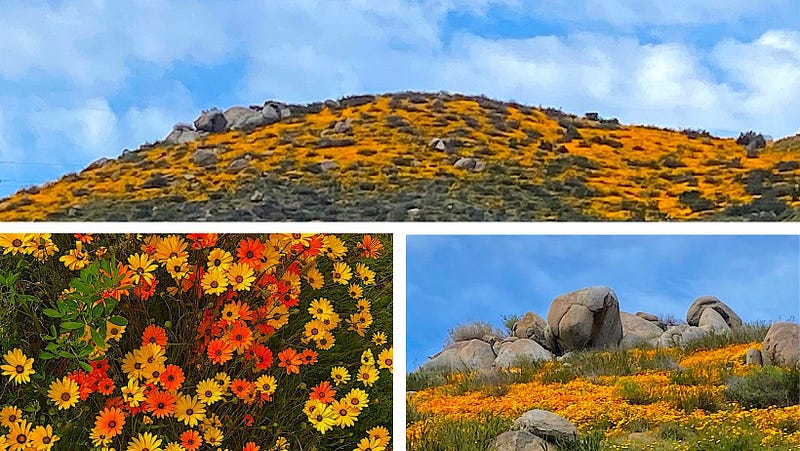
It’s around a 90 mile drive from San Diego and 120 miles from Los Angeles.
Thousands of folks will make the trip to view the desert wildflowers, and both Overland Adventures and DayTrippers have sold-out bus tours where busloads of people are brought out to the desert each year.
DayTrippers added four extra tour dates when the tours sold out so quickly.
At 600,000 acres, the Anza-Borrego Desert State Park is California’s largest state preserve, stretching from Riverside County to nearly the border of Mexico. It has thousands of protected plants and animals, including the endangered Peninsular bighorn sheep.
Anza-Borrego Desert State Park has 92 different plant families, 346 genera, and hundreds of flowering species of plants.
Many factors determine when and how many blooms will appear in any given season. A combination of sun, rain, temperature, and wind set the stage for the springtime arrival of wildflowers.
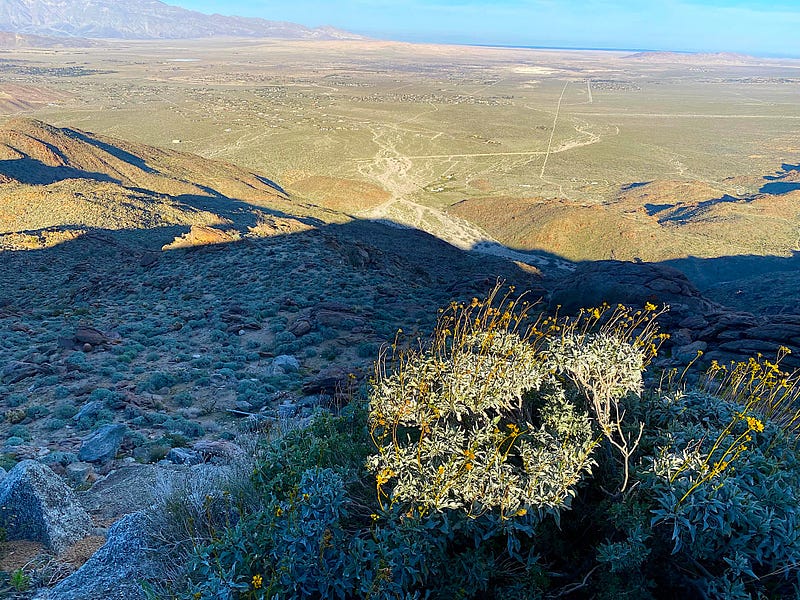
To reach the Anza-Borrego Desert State Park, we drove over the Palomar Mountains starting at sea level, going up 4,000 feet, and then descending into the desert back at sea level.
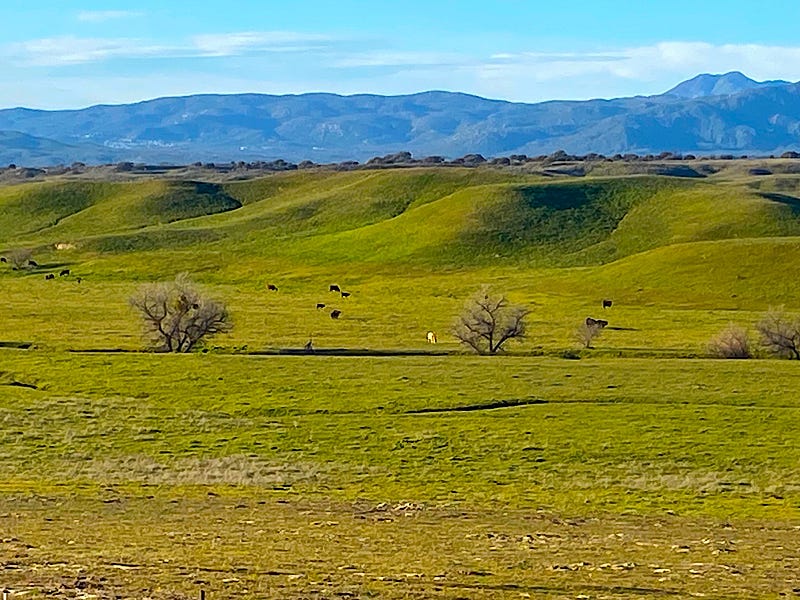
There were places in the foothills that were so green I thought I was in Ireland, very appropriate for Saint Patrick’s day.
But in a couple of months, all this green will be shades of brown.
As we approached the desert area, there were no wildflowers at all.
I was disappointed, thinking that we were too early or too late.
I stopped at the Anza-Borrego Desert State Park visitor centers, and Anne, a very friendly and knowledgeable volunteer, gave me a map and circled the areas where the wildflowers could be seen.
She indicated the peak period for the wildflowers would be in 7 to 10 days, but many were out for viewing right now. While the rains were good, she said, the colder temperatures were not.
After some ice cream and Sandys spending too much time in a Thrift Store, we headed off.
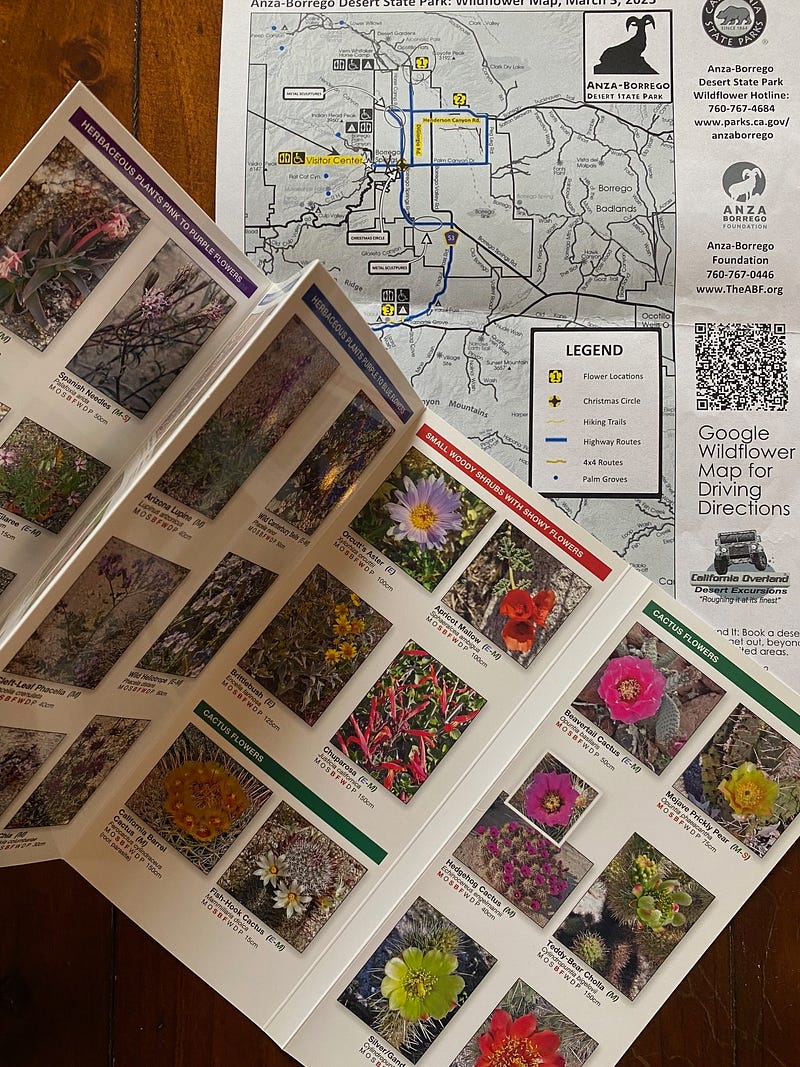
Armed with my map and laminated desert wildflower pocket guide — time to find some color in this brown landscape.
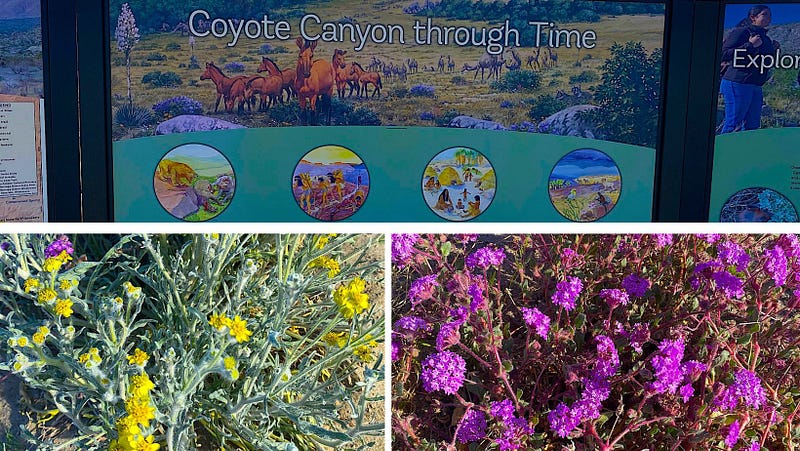
We headed to area-one first. Coyote Canyon, you park where the pavement ends and walk into the desert where the flowers can be found.
Despite the large sign “No Motor Vehicles Beyond This Point,” dozens of cars and 4x4 trucks were driving down the dirt road and trails.
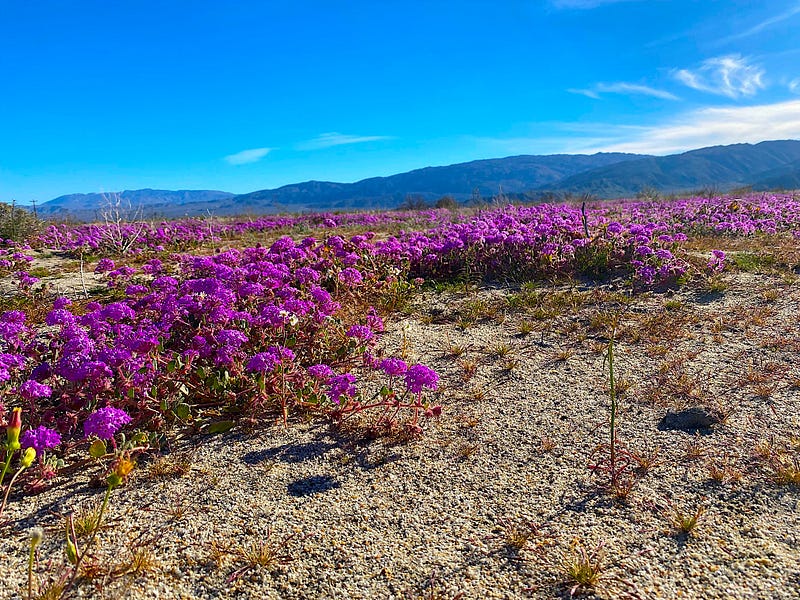
Even though this was a weekday, I was surprised at how many people were there doing everything you were not supposed to do. Dogs off leash, trampling on plants instead of staying on trails, littering, and throwing cigarette butts on the ground.
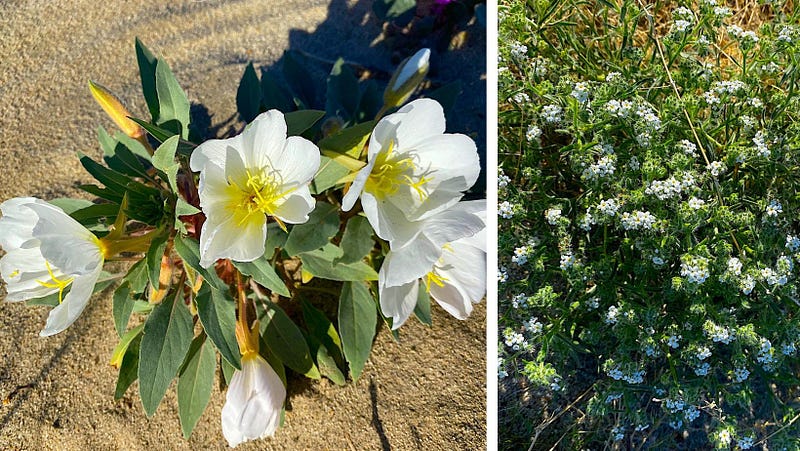
And over the weekend, there will be tour buses filled with even more people who will do the same.
What’s wrong with these people?
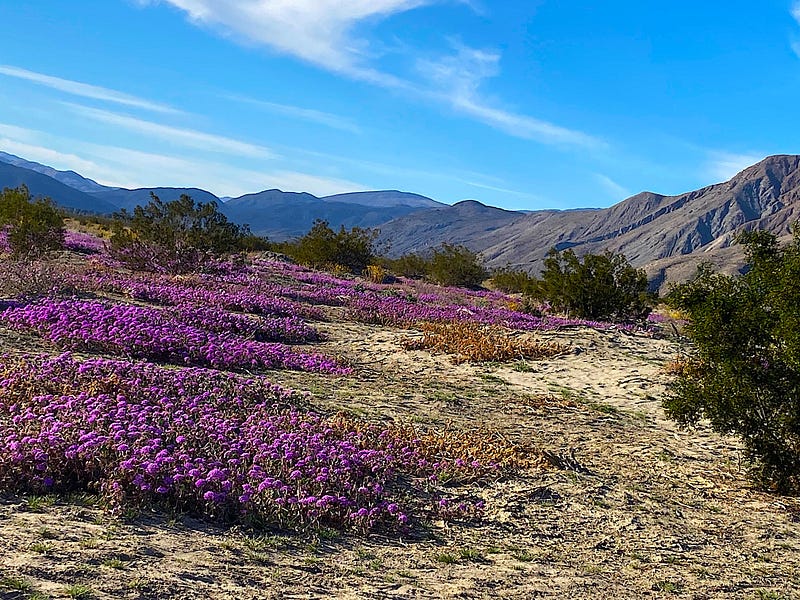
The main flowers in area one included Sand Verbena, Dune Primrose, Desert Sunflowers, and Desert Lily.
Next, we headed off to area two, which is located off Henderson Canyon road. Parked off to the side of the road and used the trails. This area had the same four flowers with an occasional Palmer Locoweed and Arizona Lupina.
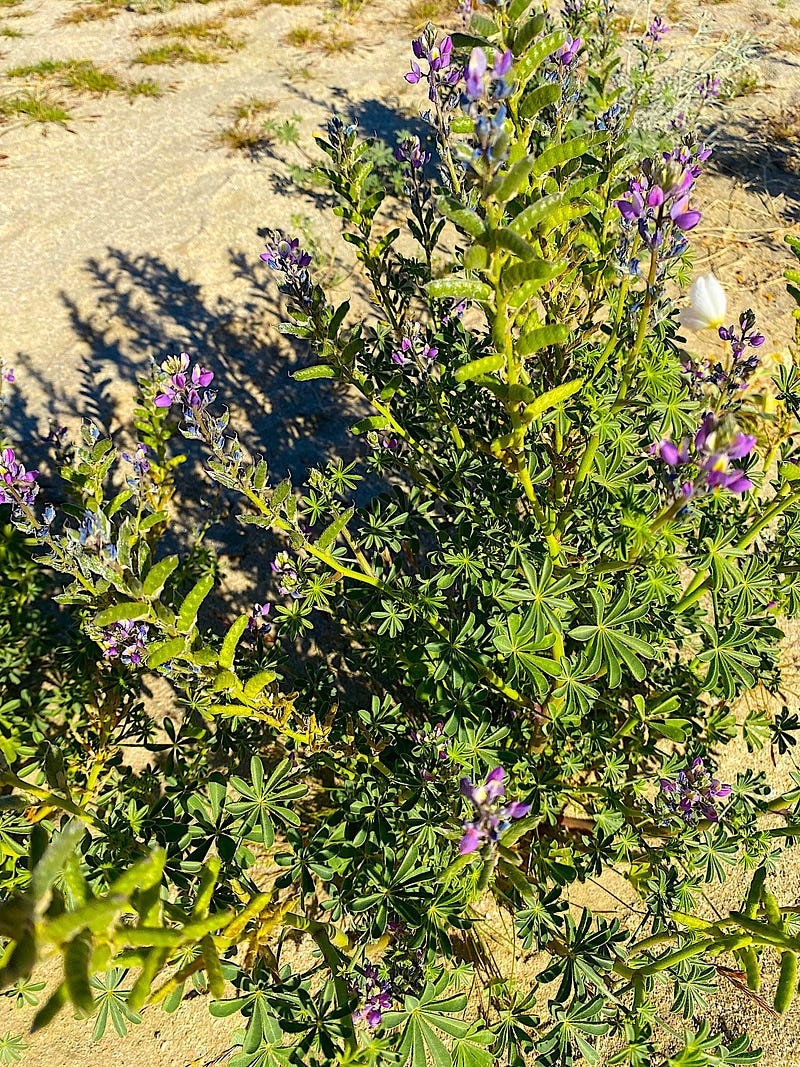
It seemed to me that most of this year’s flowers were closer to the mountains, and some of the wide open areas with flowers in past years were barren.
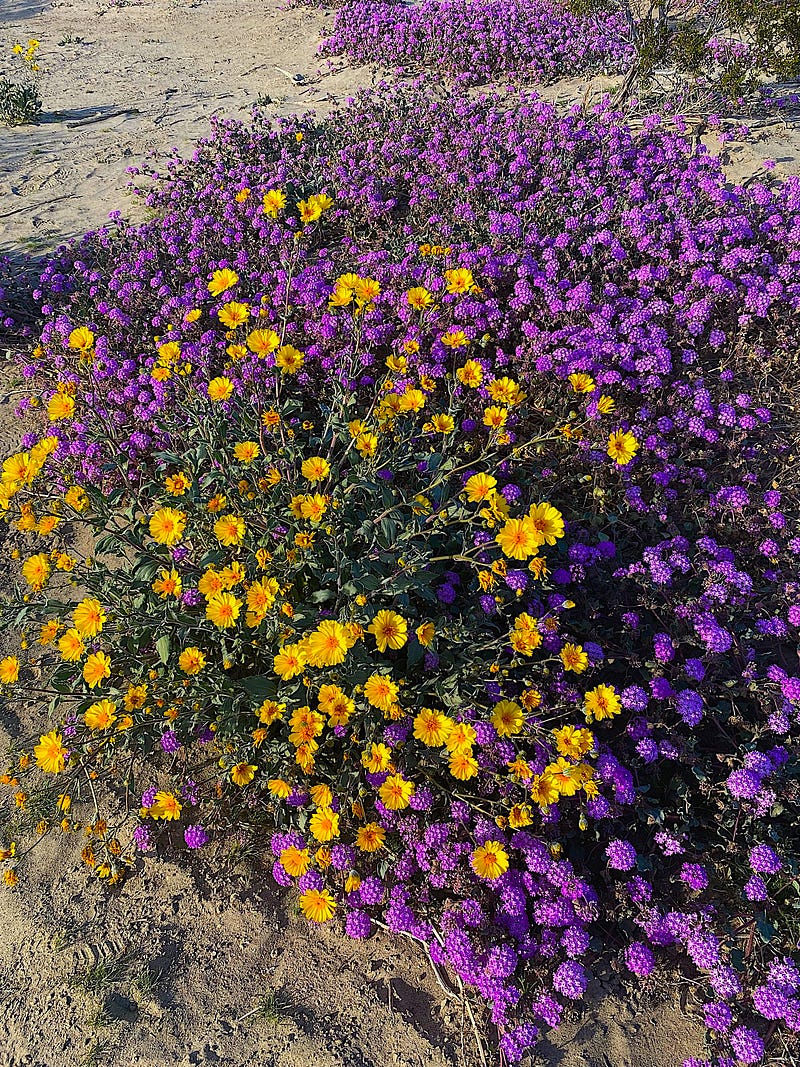
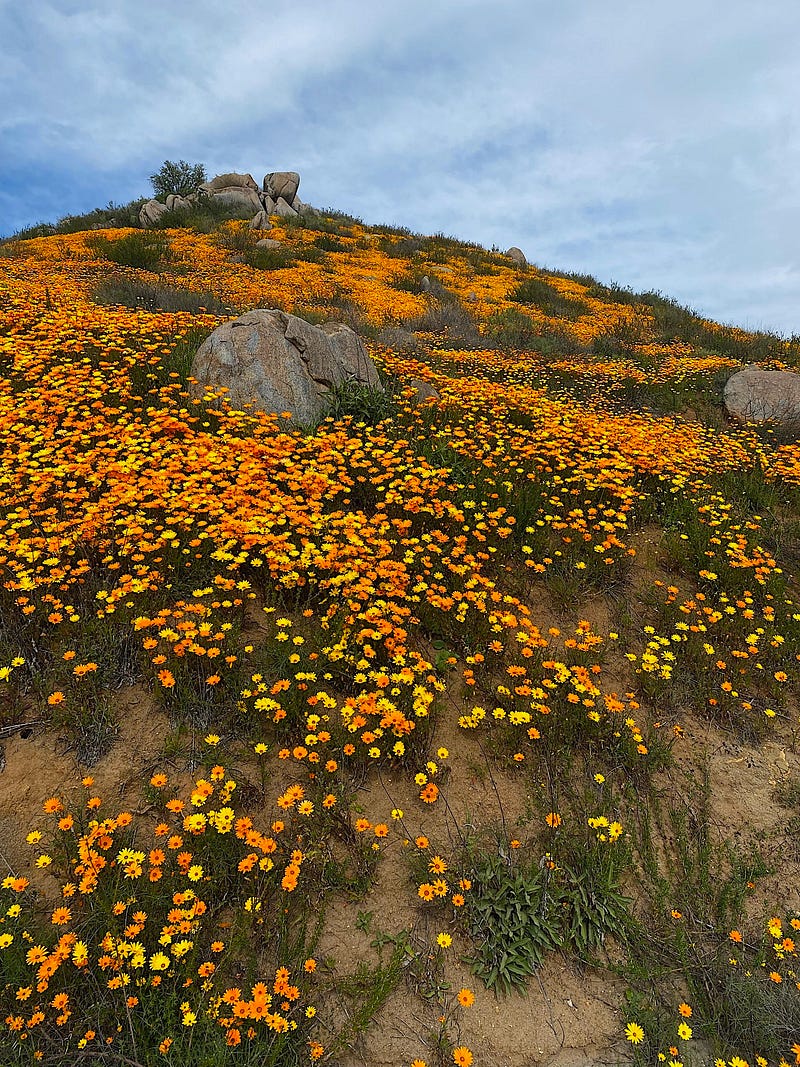
Wandering down a trail lined with wildflowers is a reinvigorating experience and a reminder that beauty can be found even in a brown desert landscape, even if only for a few days.
But also important, they signal that spring is coming.
Here is a story I wrote about Joshua Tree National Park which includes Spring Flowers.
Here is a California Wildflower story by Matt Charnock