
Deliberateness as a Path to Meaning
You need some fresh air and walk out into the street. A bus covered by a large advertisement for the latest Samsung product races by. The local store’s shopfront is displaying yesterday’s newspaper headlines: war in Ukraine and fashion tips for spring from Kate Middleton.
Modern life fixes our attention on a constant stream of immediate sense experiences. We get distracted. Who wouldn’t when you can’t go 10 minutes without being notified by your phone that the price of bitcoin crashed or that your usual food delivery service is doing a special discount for Easter.
Being distracted from time to time is normal, probably even healthy, but it seems eerily common for people to be continuously distracted, and I worry when I see this in people I care about.
The opposite of being distracted isn’t being focused, life would be quite odd if everyone was focused at all times, but being deliberate.
Being deliberate means doing something because you consciously decided that it was the right thing for you to do, rather than because it was thrust upon you in the form of an email notification or YouTube recommendation.
You deliberately call your grandma because you haven’t spoken to her in months but know you are one the most important people in her life. You deliberately deliberately decide to read papers about technical advancements in your field. Perhaps you deliberately decide that the nice April weather calls for an idle afternoon chatting with a friend.
People are always in a rush, but deliberateness is an absence of haste. Being deliberate slows things down so you can act calmly even in the face of chaos, like a ninja in a street fight.
A lot of the pain in our lives we endure longer than we need to because we hide the unwanted things in the fog. If I just sorted my taxes today it won’t weigh on me for days or weeks. If I just had a difficult conversation with my girlfriend we could resolve a tension instead of having it as a stressful backdrop to all our conversations for the next week. But if we’re distracted we don’t have the bandwidth to address these issues. They’ll just linger and weigh on us.
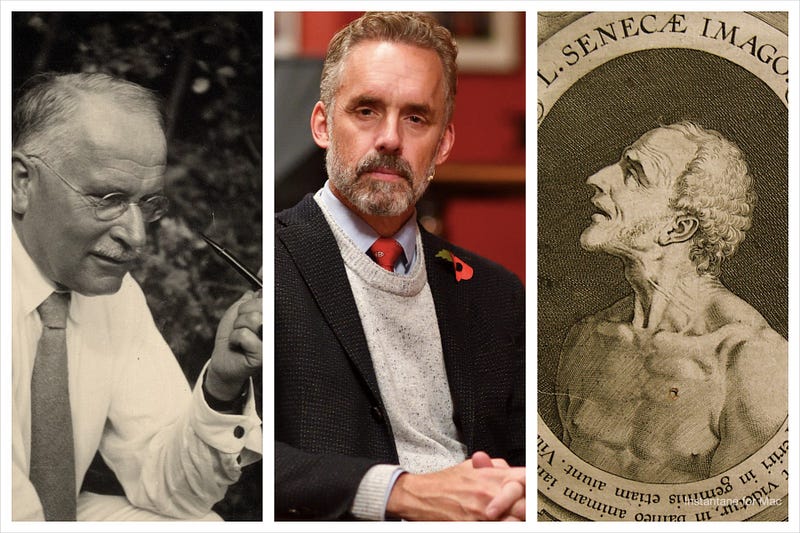
“That which you most need will be found where you least want to look.” — Carl Jung
If that’s true, then a life of distractions will be a horrible one because we’ll never find what we most need. Indeed, the constant stream of immediate sense experiences doesn’t lead us to difficult places where we don’t want to look, it keeps us comfortable and entertained.
So be more deliberate, choose what your will do with your life, rather than let yourself be carried by the endless stream of commercialised distractions on the back of which others will get rich and you will get nowhere.
The path to finding meaning is to think about it and act on these thoughts, id est to be deliberate.
If you liked this article you might enjoy my post on things I learned reading Seneca.