
Decoding Pink Floyd’s “The Dark Side of The Moon”
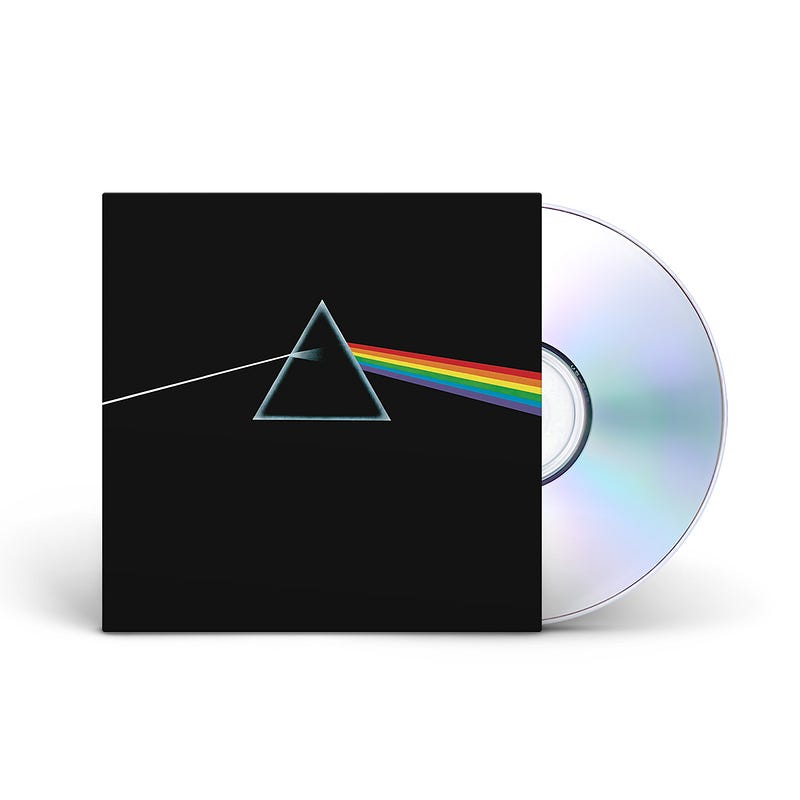
In the colorful tapestry of rock music, few albums hold a candle to the luminary genius of Pink Floyd’s “The Dark Side of The Moon.” Released on March 1, 1973, this masterpiece didn’t just etch indelible marks on the annals of music history; it became a cultural phenomenon that transcended generational boundaries. Its timeless appeal lies in its profound exploration of life’s impermanence and the human psyche, enveloped in a sonic brilliance that continues to dazzle the ears of both the yesteryear and today’s youth.
Thematic Depth:
The ’70s was a time of social and political upheaval, mirrored perfectly in the melancholic and, at times, hopeful tunes of “The Dark Side of The Moon.” The album delves into the labyrinth of existential angst, a journey through the ephemeral nature of time, and a gentle probe into the fragility of mental health. These themes resonated with a generation grappling with a rapidly changing world, making “The Dark Side of The Moon” not just a musical odyssey but a reflective mirror to the era’s collective consciousness.
The thematic exploration begins with the relentless ticking of time in “Time,” meandering through the chaotic yet structured maze of insanity in “Brain Damage,” and finally culminating in a profound acceptance of life’s dichotomies in “Eclipse.” The album doesn’t shy away from laying bare the human experience in its rawest form, making it a timeless companion to anyone seeking solace or meaning amidst life’s cacophony.
The lyrical genius coupled with the instrumental mastery creates a surreal soundscape that invites listeners to delve deeper into their own existences, pondering the very fabric of reality. Whether it’s the eerie tick-tock in “Time” nudging us about life’s fleeting moments, or the soul-stirring lyrics of “Brain Damage” reflecting the fragile line between sanity and madness, “The Dark Side of The Moon” remains an ethereal journey through the corridors of human emotion and thought.
Unpacking “Time” and Transition to “Brain Damage” and “Eclipse”:
“Time”:
“Time” is a poignant reminder of the relentless march of time and the existential dread that often accompanies it. The opening lines, “Ticking away the moments that make up a dull day, Fritter and waste the hours in an offhand way,” encapsulate a sense of loss and a yearning for meaning amidst the mundane. The imagery of time “ticking away” evokes a sense of urgency, urging listeners to seize the day before it’s too late. As the song progresses, the lyrics delve into the theme of regret with lines like, “And then one day you find ten years have got behind you, No one told you when to run, you missed the starting gun.” These lines resonate with a universal fear of lost opportunities and the fleeting nature of life.
“Brain Damage”:
“Brain Damage” is a touching narrative that delves into the fragile realm of mental health, inspired by Syd Barrett’s struggle with mental illness. The lines, “The lunatic is in my head, The lunatic is in my head,” depict a haunting internal struggle, painting a vivid picture of the battle within the mind. As the song meanders through the fragile landscape of sanity, the lines, “And if the dam breaks open many years too soon, And if there is no room upon the hill,” metaphorically express the fear and uncertainty surrounding mental health. It’s a compassionate examination of a topic that was, and often still is, misunderstood.
“Eclipse”:
“Eclipse” acts as a thematic closure to the album, weaving the existential and internal threads explored in previous tracks into a grand tapestry of human experience. The lyrics, “And everything under the sun is in tune, But the sun is eclipsed by the moon,” offer a profound reflection on the dichotomy of life and the acceptance of its inherent dualities. It’s a poetic acknowledgment of life’s imperfections and the beauty that lies within them.
Guitar Solo in “Time”:
The guitar solo in “Time” is a masterful sonic representation of the song’s thematic essence. Utilizing a black Fender Stratocaster and a Binson Echorec, David Gilmour crafts a melancholic yet hopeful soundscape. The technical intricacies, from the bending of strings to the emotive vibrato, mirror the song’s message of the inexorable passage of time and the urgency to embrace the present moment. The solo is not merely an auditory delight, but a musical narrative that accentuates the song’s existential exploration.
Transition:
The narrative arc from “Brain Damage” to “Eclipse” is a seamless voyage that enhances the album’s thematic exploration. The fluid transition between these tracks creates a continuity that encapsulates the listener in a sonic narrative, journeying from personal despair to a broader understanding of the human experience. It’s a masterful representation of Pink Floyd’s ability to blend thematic and sonic elements into a cohesive narrative that resonates on a deeply personal and universal level.
Technical Mastery:
“The Dark Side of The Moon” is not just a lyrical marvel but a landmark achievement in sound engineering and musical innovation. The album is a showcase of Pink Floyd’s pioneering use of synthesizers and studio effects, which was revolutionary at the time.
Soundscapes and Instrumental Arrangements:
The soundscapes in the album are ethereal, often transcending the conventional boundaries of rock music. The use of the EMS VCS 3 synthesizer, the Hammond organ, and the Fender Rhodes piano, among other instruments, creates a rich tapestry of sounds that takes listeners on a sonic journey. The instrumental arrangements are meticulously crafted, with each note and chord progressing seamlessly into the next, embodying the thematic fluidity of the album.
Synthesizers and Sound Effects:
The use of synthesizers and sound effects was groundbreaking. The album’s use of the EMS VCS 3 and the Synthi A synthesizer, for instance, contributed to creating the otherworldly atmospheres that “The Dark Side of The Moon” is revered for. The innovative use of sound effects — be it the heartbeat in “Speak to Me,” the cash registers in “Money,” or the alarm clocks in “Time” — adds a layer of realism that grounds the ethereal music in tangible, everyday experiences.
Recording Techniques:
Recorded at the iconic Abbey Road Studios, the album benefitted from cutting-edge recording techniques of the time. The use of 16-track tape machines allowed for a level of multitrack recording that was pioneering. The Alan Parsons-engineered quadraphonic sound provided a multidimensional listening experience, enveloping listeners in a sonic realm that was as expansive as it was intimate.
The technical mastery demonstrated in “The Dark Side of The Moon” not only set a new standard in the music industry but also provided a rich, immersive backdrop against which the album’s poignant lyrical themes could shine. It’s a testament to Pink Floyd’s innovative spirit and a hallmark in the annals of rock music.
The Wizard of Oz Conspiracy:
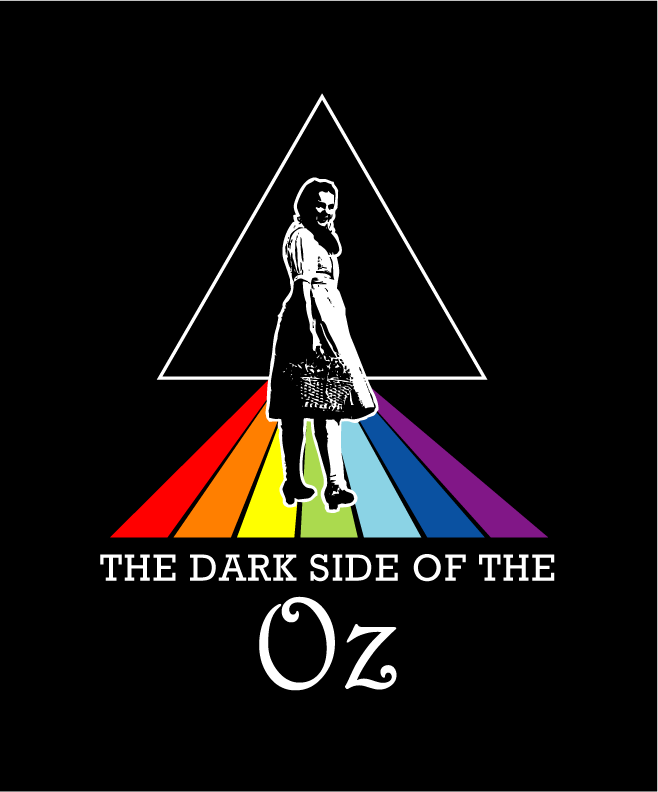
One of the whimsical tales that surround “The Dark Side of The Moon” is its alleged synchronization with the 1939 film, “The Wizard of Oz.” This conspiracy, often dubbed as “Dark Side of the Rainbow,” suggests that when the album is played alongside the film, a series of coincidental alignments between the audio and visual unfold.
The adventure begins when the album is played from the third roar of MGM’s Leo the Lion at the start of the film. As the music and visuals meld, listeners and viewers are said to experience serendipitous synchronicities. For instance, the lyric “balanced on the biggest wave” from “Breathe” is said to align with Dorothy balancing on a tightrope, and the heartbeat at the end of the album coincides with Dorothy listening to the Tin Man’s chest.
While the members of Pink Floyd have denied any intentional synchronization, the “Dark Side of the Rainbow” phenomenon has intrigued fans for decades. It has become a playful and imaginative part of Pink Floyd folklore, allowing fans to experience “The Dark Side of The Moon” in a whimsical, albeit coincidental, collaborative art form.
It’s a delightful detour into the realm of imagination and coincidence, adding yet another layer of mystique to an album already replete with thematic and technical brilliance.
Recording Location:
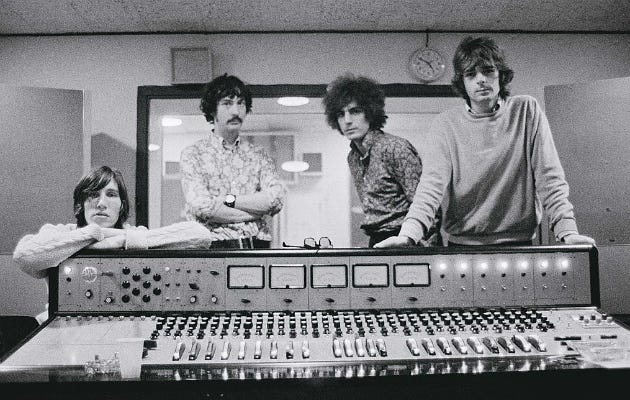
The production of “The Dark Side of The Moon” was carried out in the hallowed halls of Abbey Road Studios in London, a location synonymous with musical innovation and iconic recordings. The ambiance and technical capabilities of Abbey Road provided Pink Floyd with the fertile ground to sow the seeds of their sonic exploration.
At Abbey Road, the band had access to cutting-edge recording technology of the era. The studio’s rich heritage and the spirit of innovation that permeated its walls contributed to the album’s inventive sound. It’s here that the band, along with engineer Alan Parsons, delved into uncharted territories of sound, making extensive use of multitrack recording and experimenting with synthesizers and sound effects.
The collaborative atmosphere at Abbey Road, coupled with the technical expertise provided by the studio personnel, fostered a nurturing environment for Pink Floyd to push the boundaries of what was sonically possible. It wasn’t just the location where “The Dark Side of The Moon” was recorded; Abbey Road Studios became a silent collaborator, its essence ingrained in every note and chord of the album.
The legacy of “The Dark Side of The Moon” is intertwined with the legacy of Abbey Road Studios, each a testament to the boundless potential of musical creativity when nurtured in the right environment.
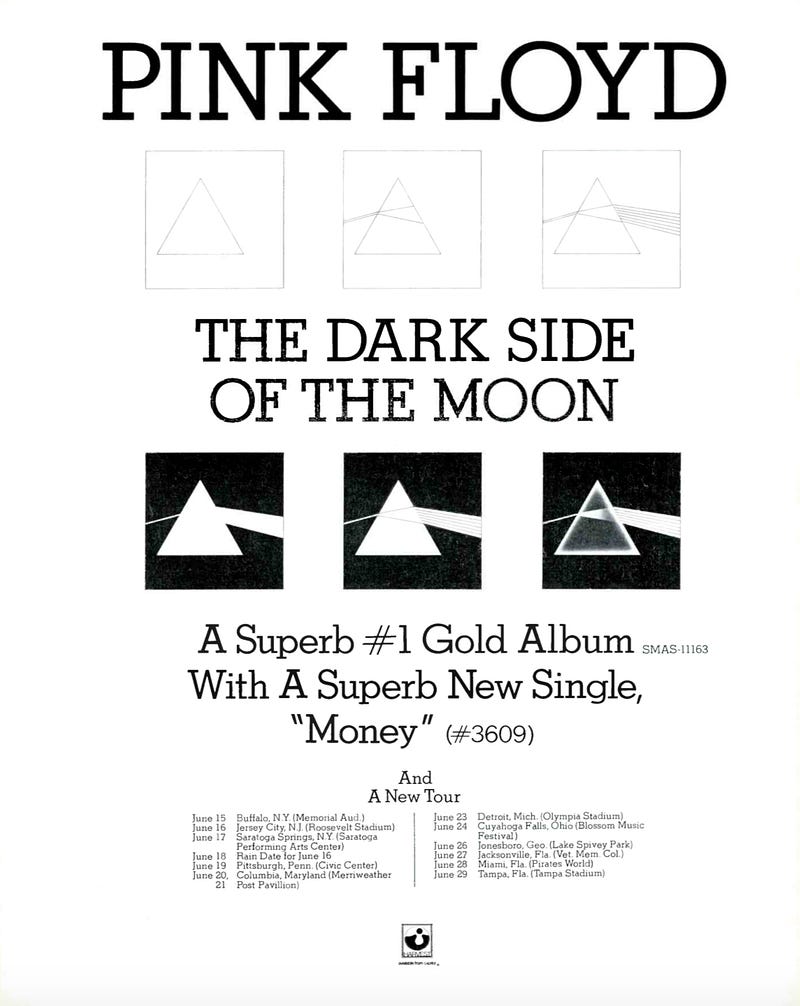
Chart Dominance:
“The Dark Side of The Moon” didn’t just grace the music charts; it became a formidable inhabitant, showcasing a longevity that’s as remarkable as its musical content. The album spent an astonishing 950 weeks on the Billboard chart, a testament to its enduring appeal and a record that speaks volumes about its timeless relevance.
This incredible chart tenure began shortly after the album’s release in 1973 and continued to resonate through the decades, marking it as one of the longest-charting albums of all time. Its chart dominance is a reflection of its universal appeal, transcending generational divides and continuing to captivate listeners with its thematic profundity and sonic innovation.
The album’s ability to speak to the human condition, coupled with its musical and technical brilliance, has allowed it to maintain a significant presence on the charts, enamoring audiences old and new. Each generation discovers its magic anew, contributing to its enduring chart legacy.
The chart dominance of “The Dark Side of The Moon” is not merely a statistical achievement but a testament to the album’s profound impact on the musical landscape and its ability to resonate with audiences across time and space.
Conclusion:
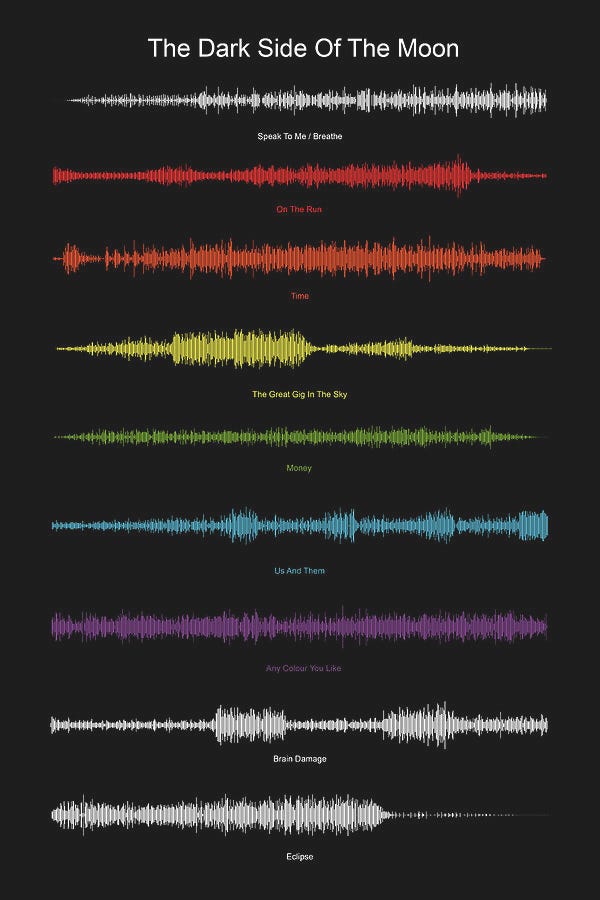
“The Dark Side of The Moon” is more than just an album; it’s a monumental artifact in the annals of music history. Its lyrical depth, technical innovation, and the elusive magic that binds the tracks together have etched its place in the hearts of millions. Through the dissection of its thematic richness and the unraveling of its sonic tapestry, one can begin to fathom the profound impact it has had and continues to have on listeners across the globe.
The legacy of “The Dark Side of The Moon” is a testimony to the boundless creativity of Pink Floyd and their ability to delve into the human psyche through musical exploration. The album’s enduring relevance, its unyielding chart dominance, and the whimsical tales that surround it showcase its timeless appeal.
From the nostalgic chords of “Time” to the reflective echoes of “Eclipse,” the album invites listeners on a journey through the spectrum of human emotion and experience. It’s not merely a collection of songs, but a deeply philosophical exploration clothed in aural brilliance.
As we step back and admire the cosmic mural that is “The Dark Side of The Moon,” we are reminded of the power of music to reflect, to question, and to connect the human spirit across the eons. And as the last note of “Eclipse” fades into the cosmic silence, we are left with a sense of understanding, a touch of melancholy, and an unyielding urge to press replay.
I’m truly humbled by the support from each one of you. Being part of such a compassionate community is a blessing beyond words. I firmly believe that with perseverance and faith, every hurdle can be crossed, and every aspiration can be achieved. Remember, amidst the twists and turns of life, divine guidance is always within reach. 🪐
Fuel Your Curiosity, Ignite Your Inspiration: Subscribe to My Newsletter Today!
👉 Why Subscribe?
Exclusive Content: Gain access to new and uncensored articles about fascinating subjects you won’t find anywhere else. Delve deeper into the realms of music, coding, and mindful musings.
Mindful Musings: Dive into thoughtful explorations on topics designed to stir your intellect. 🪐
- Code Unveiled: As a web developer, I am thrilled to share tips and tricks to smooth out your coding ventures. 🏆
- Rhythmic Resonance: Journey through the profound impact of music, one beat at a time. 🥁
🌟 Be the First to Know: Subscribers are the first to receive fresh content, ensuring, you’re always at the forefront of insightful discussions.
Your engagement propels this journey forward! Discover more insights in the articles to come by staying connected. 🗣️
- Subscribe to My Newsletter 📝
- Follow on Medium 🧠
- YouTube 🚀
- Instagram 🍒