
Decoding ‘Bohemian Rhapsody’: A Masterpiece of Musical Innovation
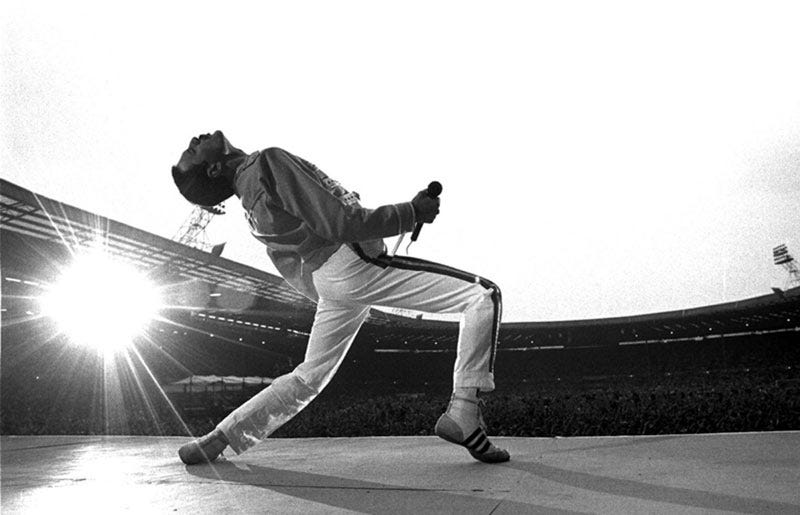
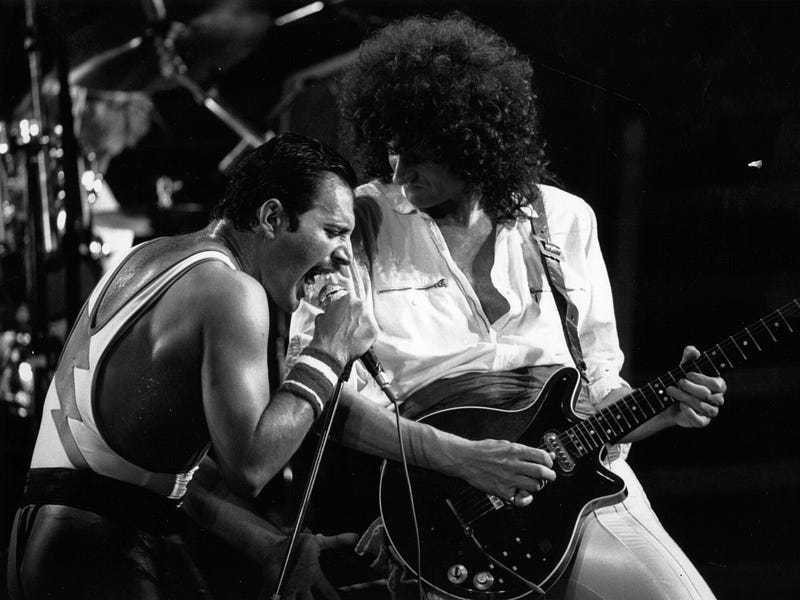
‘Bohemian Rhapsody’ emerges as a bold declaration of Queen’s innovative spirit and audacious musical style, serving as a transformative journey through musical genres. Unveiled in 1975, this six-minute masterpiece shatters musical conventions, weaving together rock, ballad, and opera in a groundbreaking fusion. Originating from the genius of Freddie Mercury, Queen’s charismatic leader, the track embarked on a daring journey, ultimately elevating the band to legendary status and transforming the musical landscape.
“Freddie was an enigma, outwardly playful yet harboring inner insecurities,” reflects Brian May, Queen’s virtuoso guitarist.
‘Bohemian Rhapsody’ mirrors this complexity, with its multifaceted layers and enigmatic lyrics, challenging traditional song structures and crafting a unique, emotional odyssey.
The Birth of a Masterpiece: Behind the Scenes
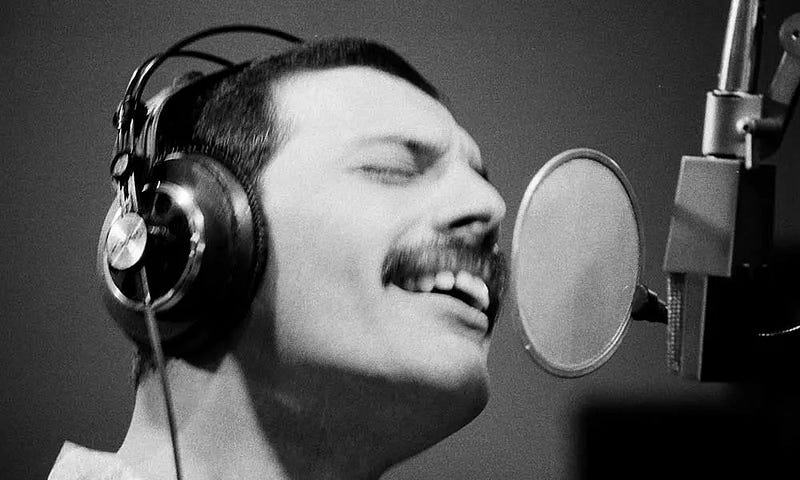
The creation of ‘Bohemian Rhapsody’ predates its public debut, with Mercury meticulously refining segments of the song since the late 1960s. As Queen embarked on recording ‘A Night at the Opera’, Mercury’s vision for the song was clear, yet the piece was still evolving. The recording sessions were groundbreaking, pushing the boundaries of studio capabilities. The operatic segment, with its elaborate harmonies, proved particularly daunting and time-intensive.
“Nobody will play it on the radio,” doubted EMI executive Ray Foster.
Defying skepticism, the band persevered, and upon completion, they realized they had shattered expectations. The initial reception was mixed, yet it resonated with the masses, becoming an anthem and cementing Queen’s legacy.
A Sonic Odyssey: Analyzing the Composition
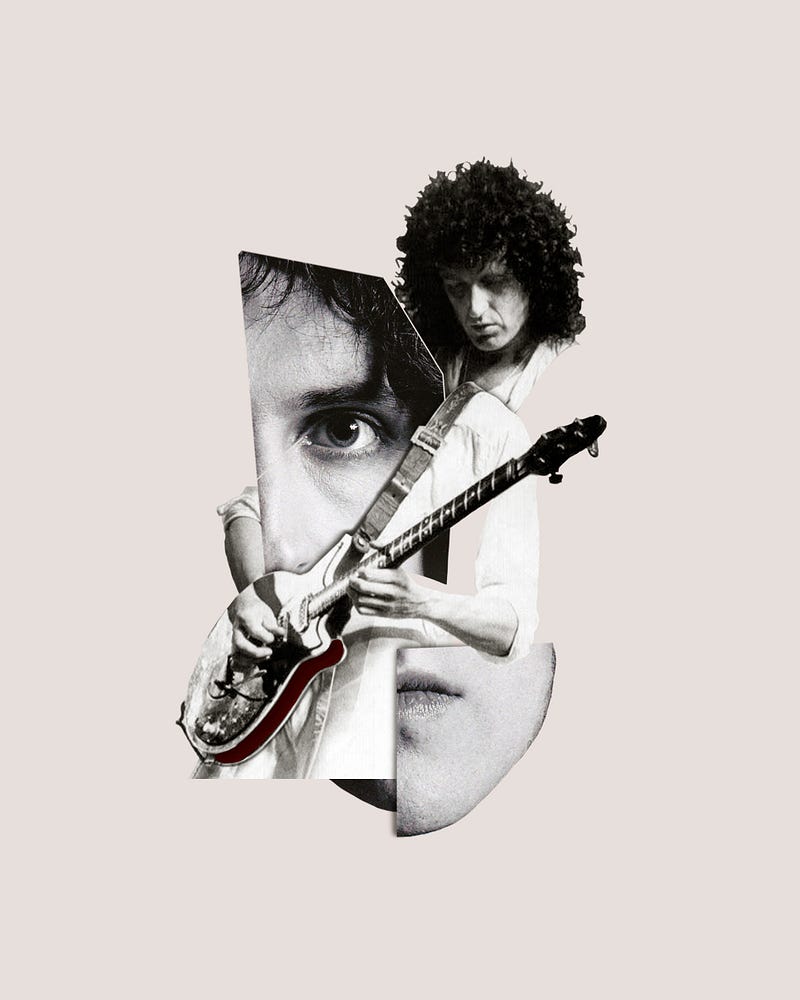
‘Bohemian Rhapsody’ stands as a masterclass in musical fusion. It commences with a haunting piano melody, transforms into a rock powerhouse, and culminates in an operatic crescendo. Brian May’s iconic guitar solo is celebrated as one of the most memorable solos in history. “I aimed to infuse it with an epic, saga-like quality,” May reminisces.
The operatic segment, a nod to Mercury’s opera admiration, showcases Queen’s vocal excellence and adventurous spirit. “We were extravagant; we shattered norms. It was a colossal gamble,” acknowledges drummer Roger Taylor.
The Recording Saga: Pushing Technical Boundaries
Recording ‘Bohemian Rhapsody’ was an extraordinary endeavor, challenging the era’s studio capabilities. The band dedicated over three weeks to recording, an unheard-of duration in the 1970s. They utilized an array of studio techniques, including multi-track recording and intricate overdubs.
“The tape was worn thin, it resembled lace,” Brian May recalls, underscoring the recording’s intensity.
The operatic section alone necessitated 180 separate overdubs, with the tape becoming translucent in places.
“We braced ourselves for a lengthy process, requiring immense patience,” shares John Deacon, Queen’s bassist.
The band’s meticulousness was unparalleled, with each member contributing to the song’s intricate arrangement.
“It was a collective endeavor, from composition and arrangement to recording and mixing,” May adds.
Lyrics and Legacy: Unraveling the Mystery
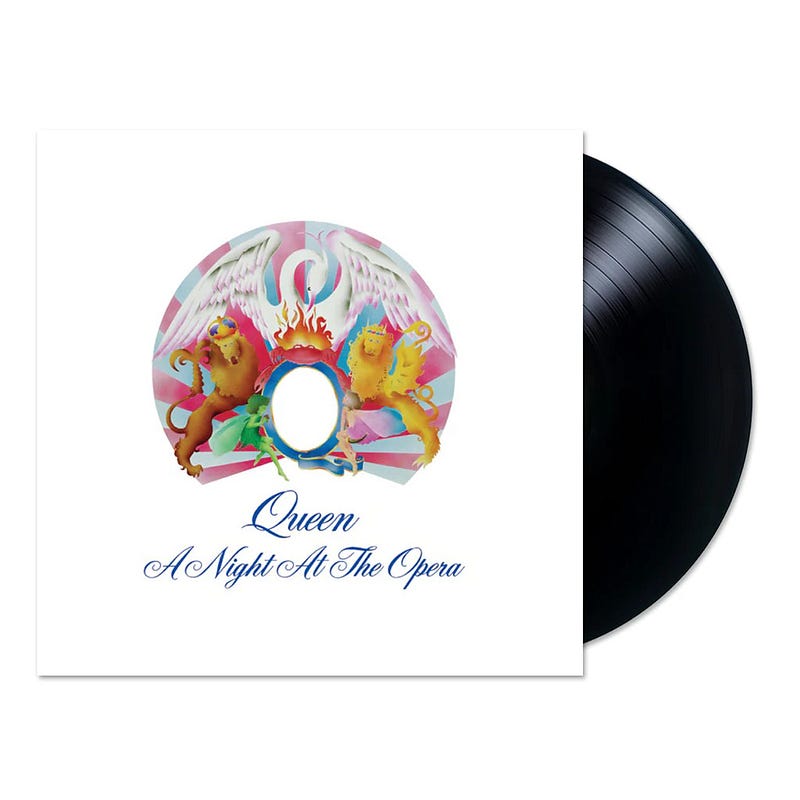
The lyrics of ‘Bohemian Rhapsody’ remain an enigma, with Mercury himself providing elusive explanations. “The song is a fantasy; listen, ponder, and draw your own conclusions,” Mercury advised.
The song’s structure is unconventional, lacking a clear chorus and featuring distinct movements. The opening ballad sets the stage for a dramatic narrative, followed by an operatic segment exploring inner conflict, and concluding with a rock anthem and May’s powerful guitar solo.
The song’s influence is undeniable, inspiring artists across genres, featuring in numerous films, and continuing to captivate global audiences. “It’s akin to a painting, revealing new facets with each viewing,” May observes.
Intriguing Insights: Unveiling ‘Bohemian Rhapsody’s’ Secrets
“Bohemian Rhapsody” transcends being a mere song; it’s a cultural phenomenon that has enthralled listeners for decades. Beyond its complex composition and theatrical flair, numerous fascinating facts and stories contribute to its allure. Here’s an exploration of some of the track’s lesser-known facets.
- From ‘The Cowboy Song’ to a Bohemian Phenomenon: Initially dubbed “The Cowboy Song” due to its unique Old West vibe, Mercury’s handwritten lyrics reveal he considered “Mongolian Rhapsody” before settling on the iconic title.
- A Producer’s Bold Decision: Roy Thomas Baker, the production wizard behind “A Night at the Opera,” initially grappled with the song’s unconventional structure. Despite initial reservations, Baker committed to realizing Mercury’s ambitious vision.
- Mercury’s Quest for Perfection: Mercury’s legendary perfectionism shines in “Bohemian Rhapsody,” as he painstakingly refined the opera section, ensuring every note and harmony was flawless.
- Chart Dominance and Lasting Impact: Dominating the UK charts for nine weeks in 1976, the track stands as the third best-selling UK single ever. Its 2004 induction into the Grammy Hall of Fame solidifies its place in musical history.
5. A Nod to Mercury’s Heritage: The lyric “Beelzebub” is one of the many names attributed to The Devil. This inclusion reflects Mercury’s Zoroastrian heritage, as his parents were devout followers of the religion. The use of such Arabic words in the song hints at Mercury’s connection to his roots.
A Resurgence in Popularity
Following Freddie Mercury’s untimely death in 1991, “Bohemian Rhapsody” experienced a remarkable resurgence in popularity. It re-entered the charts, introducing a new generation to Queen’s theatrical rock masterpiece. The song’s inclusion in the 1992 film “Wayne’s World” played a significant role in this revival, as the iconic car headbanging scene brought “Bohemian Rhapsody” back into the public consciousness. This resurgence solidified the song’s status not just as a hit, but as a cultural touchstone that continues to resonate with audiences worldwide.
Epilogue: A Timeless Journey
As we delve into the complexities of ‘Bohemian Rhapsody’, we uncover a song that is much more than a musical composition; it’s a journey, a narrative, and a masterpiece. It invites us to listen, analyze, and appreciate the genius of Freddie Mercury and Queen. ‘Bohemian Rhapsody’ is a timeless piece, a song that continues to inspire and captivate, holding a special place in the hearts of listeners and in the annals of musical history.
Explore More Decoding Stories and Lists:
Fuel Your Curiosity, Ignite Your Inspiration: Subscribe to My Newsletter Today!
👉 Why Subscribe?
🎵 Decoding Music Playlist: Unravel the mysteries behind your favorite tunes and stumble upon undiscovered musical gems.
📚 Exclusive In-Depth Articles: Be the first to access articles that delve into music, coding, and the intricacies of life.
💻 Coding Tips & Tricks: Blend creativity with practical web development skills to elevate your digital journey.
🧘 Mindful Musings: Engage your mind and soul with reflections designed to inspire and balance.
🎁 FREE E-Book on Writing Mastery: Unlock your potential on Medium with my exclusive e-book, available only to subscribers.
Connect & Join the Community:
- 📝 Newsletter: The heart of our journey. Subscribe and Elevate Your Experience!
- 🧠 Medium: For deeper dives and more insights. Follow Here
- 🚀 YouTube: Explore visual stories and musical adventures. Subscribe Here
- 📸 Instagram: Daily inspiration and musical vibes await. Follow Here
- ☕ Support My Work: Enjoying the content? Consider buying me a coffee to keep the creativity flowing! Tip Here


