
Dear Peloton Users Gobsmacked by a George Floyd Picture on Peloton FaceBook Page Comments
The photo caption was simply “Justice” on the day Derek Chauvin was convicted of murder
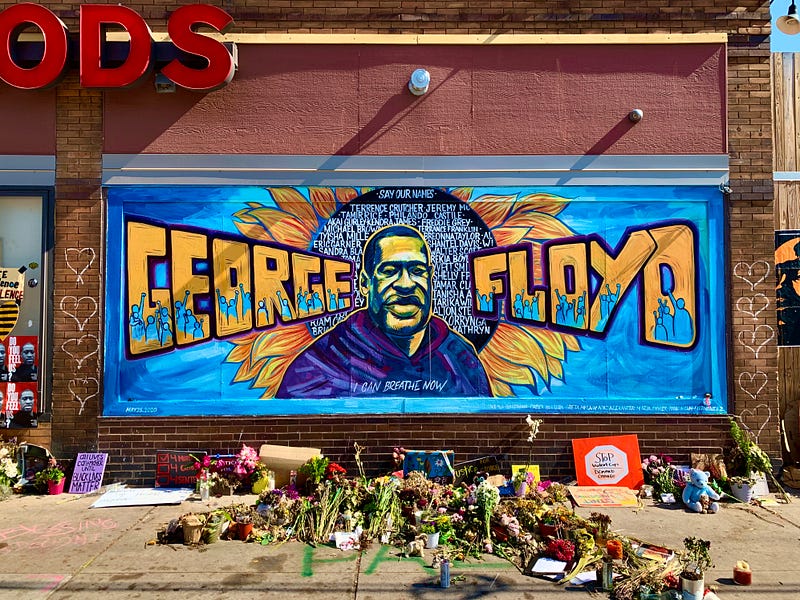
Dear Offended Pelotoner — got your mellow harshed from a picture acknowledging a landmark court decision to at long last hold a white police officer accountable for murdering a Black man?
I read your comments, I think I get it:
· I just come here to ride! This is where I come to escape the world!
· C’mon admin, get this nonsense off this page! This page isn’t for politics!
· I thought this was about getting our sweat on!
For those of you who made these kinds of statements, or agreed but knew better than to comment, why so triggered? Time for self-reflection. Because your reaction clearly says more about you than anyone else.
To the “I just come here to escape and ride my bike!” variety, Peloton has been exceedingly open on their stance with the Black Lives Matter movement, particularly since last June after the murder of Floyd and subsequent protest marches.
On June 23rd, Peloton co-founder and CEO John Foley posted a Peloton Pledge. In part, Foley says:
Effective immediately, we are announcing Peloton’s commitment to invest $100 million over the next four years to fight racial injustice and inequity in our world and to promote health and wellbeing for all. In this pivotal time in history, I believe we have an enormous responsibility to do our part to combat systemic racism, and I am committed to ensuring that we use our resources, platform, and influence to change our society for the better — into a place where everyone can and will thrive.
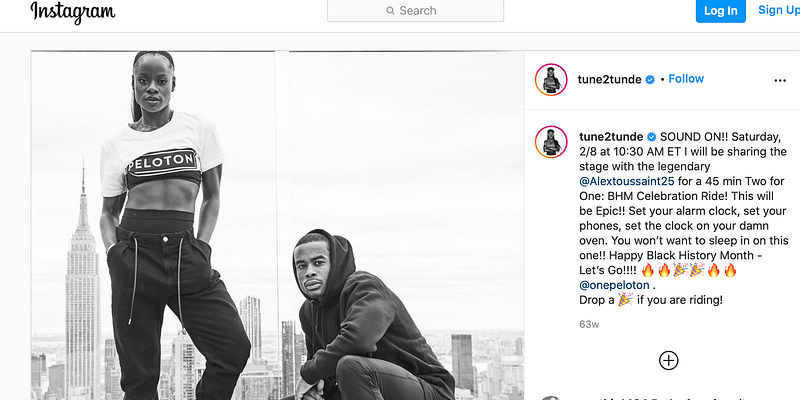
As evidenced by Black History Month rides, and BLM classes, many instructors helping you get in shape might just open your mind if you’re willing to listen.
In response to the murder of George Floyd, Tunde Oyeneyin, a Black Peloton instructor, worked with the Peloton chief content officer, interviewed other Black Peloton instructors, and created “Speak Up,” a 30-minute class streamed more than 110,000 times as of March 2021.
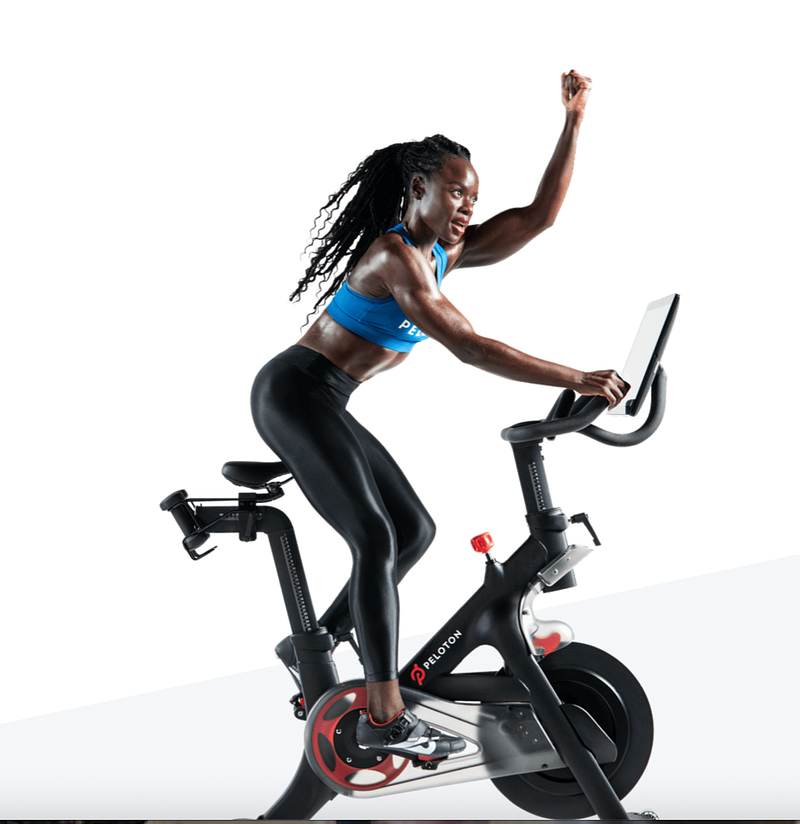
On her Instagram message regarding “Speak Out,” with over 20,000 likes and 700 comments, she urges riders to “get comfortable with the uncomfortable.”
Another class, led by Peloton instructor Alex Toussaint, addresses his Peloton community in a seemingly impromptu emotional appeal.
As a Black man who has experienced racism personally, but professionally, earned undeniable success in the corporate white world of fitness, he grapples with this duality and his responsibility given his platform.
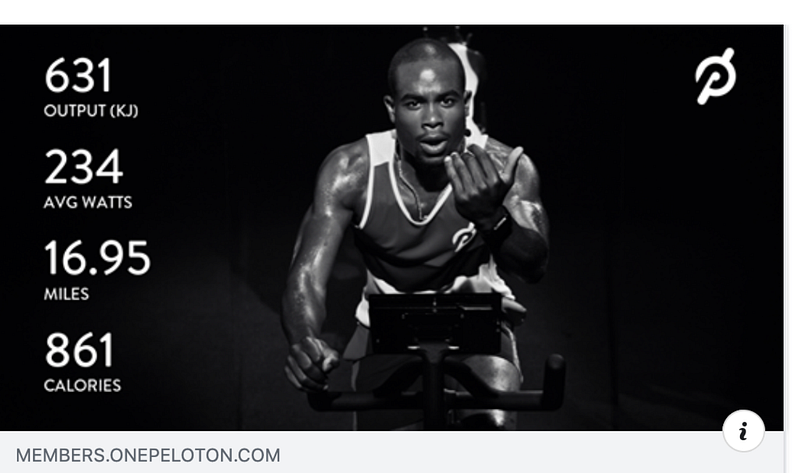
“I understand for some of y’all, I’m the one person from the African-American community in your household,” Mr. Toussaint notes in the ride. “My responsibility is to let you know there’s other individuals like me, who talk like me, who walk like me, who provide light to this world, man.”
Toussaint speaks of his mother in honor of many a mother to a Black son, her struggle to sleep until she receives a text that reads her son has arrived home safe. He asks riders to go beyond Instagram posts. “Less caption and more action,” he said.
His class has been streamed more than 65,000 times.
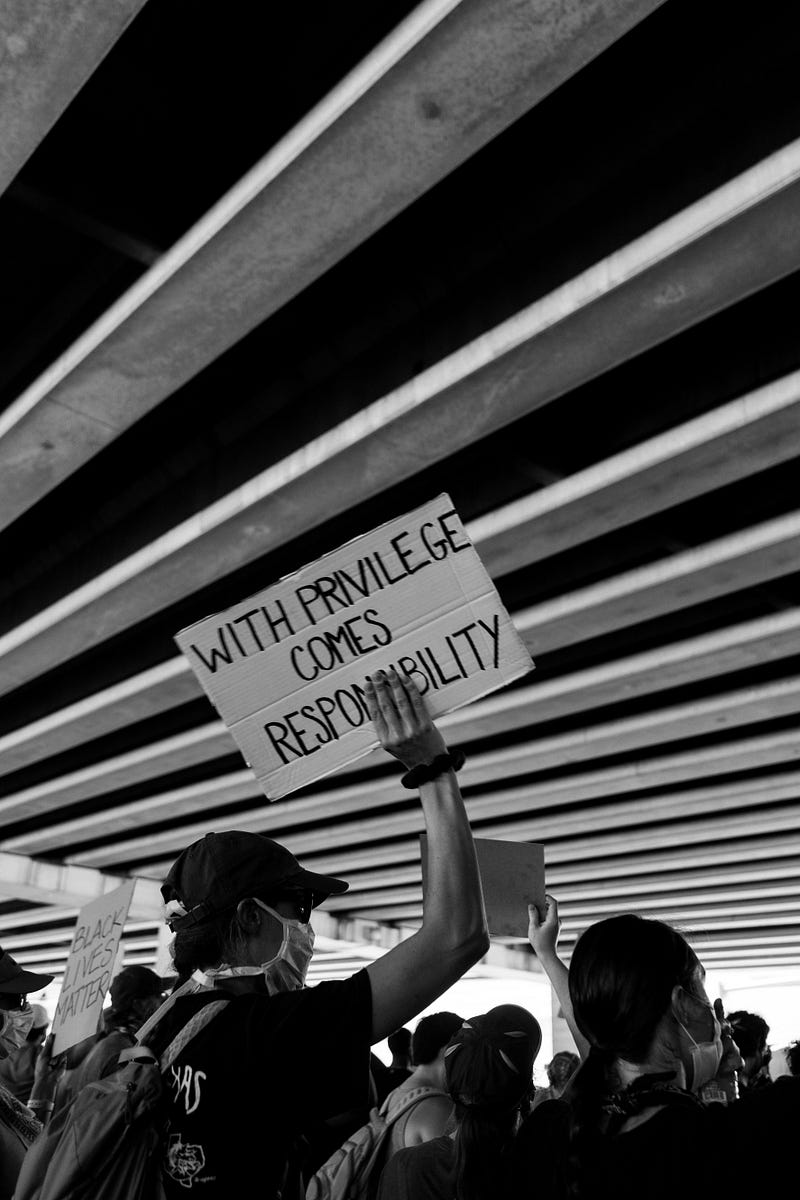
For the “this page isn’t for politics!” folks, this is NOT a political issue, but rather one of human decency and civil rights. According to NPR, since 2015, police officers have fatally shot at least 135 unarmed Black men and women nationwide. NPR reviewed police, court and other records to examine the details of the cases. At least 75% of the police officers were white.
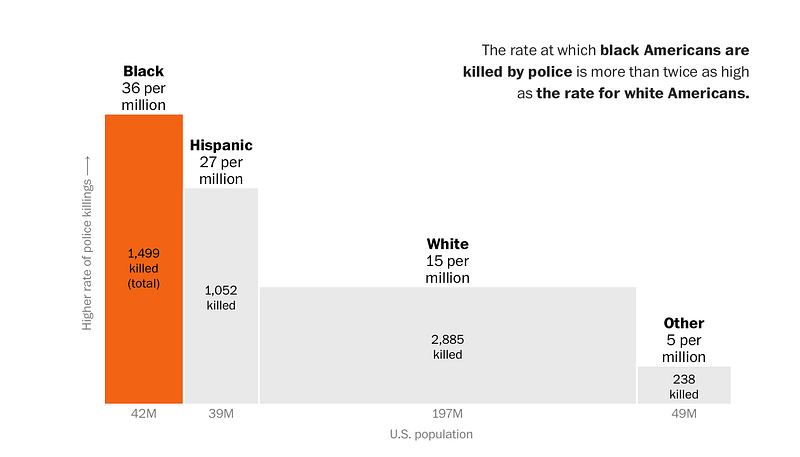
As the photo below notes, the rate at which Black Americans are killed by police is more than twice as high as the rate for white Americans.
According to a Peloton executive interviewed in an article for the New York Times, “We’re always considering it as part of our content strategy to create conversations.” It is true that instructors are generally expected to avoid politics while teaching, but the Black Lives Matter movement is different, she said. She went further:
“We see this as a human rights issue. Those are not the same for us, politics and civil rights.”
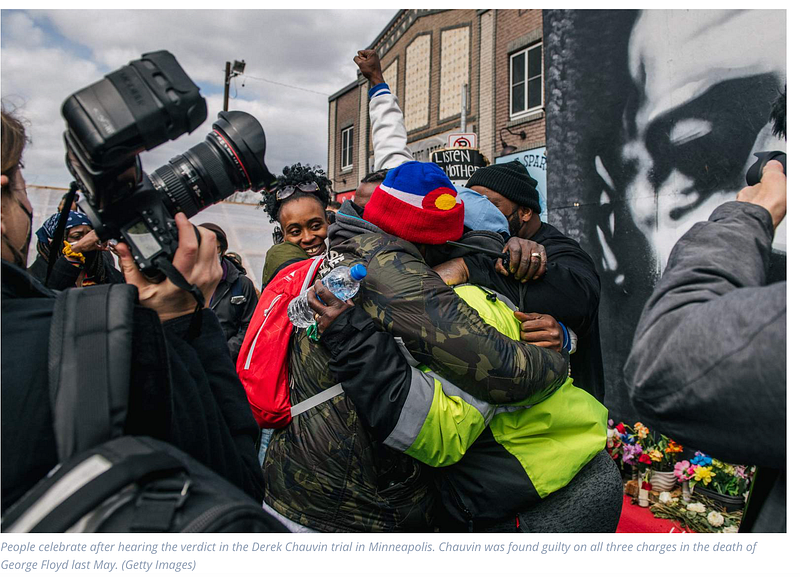
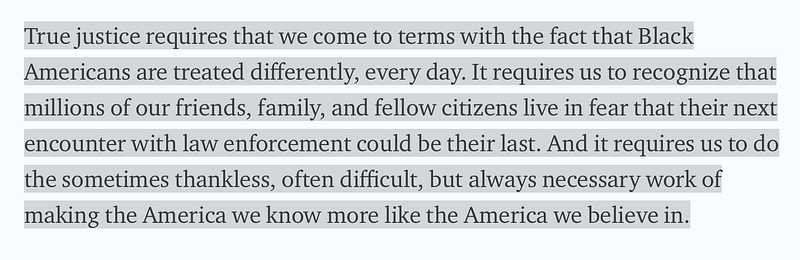
Former President Barack Obama recently posted an article on Medium, Today, A Jury Did the Right Thing. But True Justice Requires Much More.
If you are truly offended by a picture on the Peloton FB comment section of George Floyd with one word underneath— “Justice” — on the day Derek Chauvin is convicted of murder, maybe you should send your bike back. You are certainly not in alignment with the company’s values. You’re also welcome to scroll past.
Sure, you don’t want your ride interrupted. Peloton is a space for you to feel free and get your miles in and your exercise on. Maybe you should consider yourself fortunate for the choice to exercise your freedom whenever you want. Maybe you should feel blessed not to be racially profiled. Maybe you should be grateful that you don’t get it because you’ve never been through it. Nor will your children.
Maybe you should listen.


