
Dealing With Brain Fog as a Symptom of COVID-19
Have you been feeling unable to think clearly after testing positive for COVID-19?
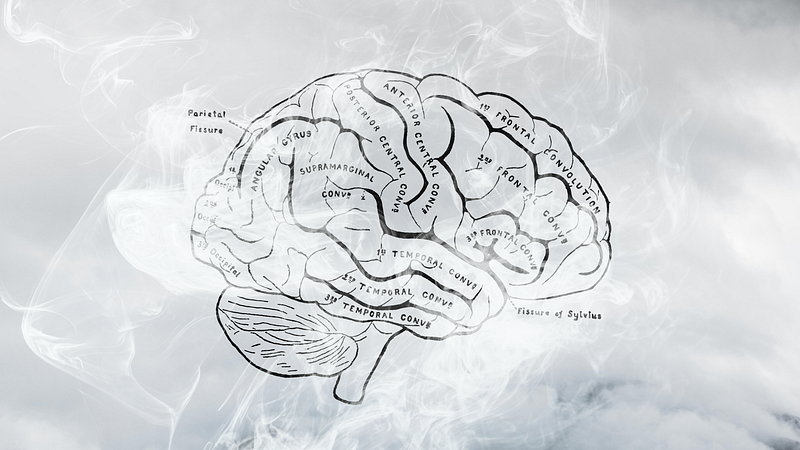
I tested positive for COVID-19 this week and have been sick ever since. While I have been able to do a lot of writing because of it, I’ve also had to deal with some strange and unpleasant symptoms — and brain fog is one of them.
Brain fog is defined as the inability to think clearly. Your thinking can be sluggish, unorganized, and hazy. You can experience short-term memory loss and the inability to concentrate, which can leave you confused, mentally exhausted, and anxious.
Brain fog isn’t a stranger to me, as I’ve dealt with it a lot as a symptom of anxiety. However, I’ve done some research, and it turns out brain fog is actually a very common symptom of COVID — and it can last as an effect too.
In fact, 104 of 156 patients in a post-COVID recovery clinic in New York still had brain fog as a symptom of the virus, but research shows that about one-third of people with COVID can experience brain fog and other neurological side effects as well.
COVID affects your ability to think in different ways:
- COVID-19 is neuro-invasive, it infects the nervous system (thus, your brain)
- COVID can cause an inflammatory response in the brain
- COVID can reduce the blood flow to brain tissue
- COVID leads to tiredness, which in turn affects your thinking
- Brain fog and other symptoms of COVID can lead to anxiety, and anxiety itself can also cause brain fog
What to do when brain fog strikes
Brain fog is strange. It can come and go fast, but also linger around for a long time. However, I’ve noticed that it never lasts all day. Here are some things that help me manage brain fog:
- Napping. Brain fog usually strikes me somewhere in the afternoon. Taking a power nap helps me clear up most of it, and when I can’t sleep I close my eyes for about 20 minutes or try to meditate.
- Light exercise. Going on a short walk will already increase blood flow, and usually leaves me in a better, calm, mood afterward.
- Taking a break from screens. Since my ability of information-processing is affected and the internet and social media provide me with tons of information at the same time, I often try to take a break. I also make sure I can’t be disturbed by notifications.
- Changing the environment. I don’t mean this in the sense of ‘go somewhere else. It’s probably better to stay where you are to avoid having to adapt to a new environment again. What I usually do is that I calm down my direct environment: I put on noise-canceling headphones, close curtains, put on sunglasses, close my eyes, and so on. It’s, again, a way of reducing the number of things your brain has to process.
- Familiar distraction. When I can’t seem to sleep, meditate, or alter anything else to reduce brain fog, I distract myself with something that’s familiar and comforting to me. I watch my favorite movie, show, or play my favorite game. I pick something that I know will catch most of my attention and is enjoyable enough to keep me from worrying or thinking about my brain fog.
If you struggle with brain fog a lot I highly recommend reading Tim Denning’s article on overcoming brain fog. He writes about having had brain fog for a long time and offers some really valuable personal insights.
If you think your brain fog is largely being caused by anxiety, I have written some articles that might help:
I hope you enjoyed reading my post. If you don’t have a Medium subscription yet, consider signing up through my referral link. This way, you’ll directly support me and unlock access to all my stories (and those of others)! If you’re looking for another way to support me, you can buy me a Ko-Fi: https://ko-fi.com/juliaspsychologyplatform. Thanks!