
Dead Time Doesn’t Mean You’re Dead

My deeply personal story might shock you:
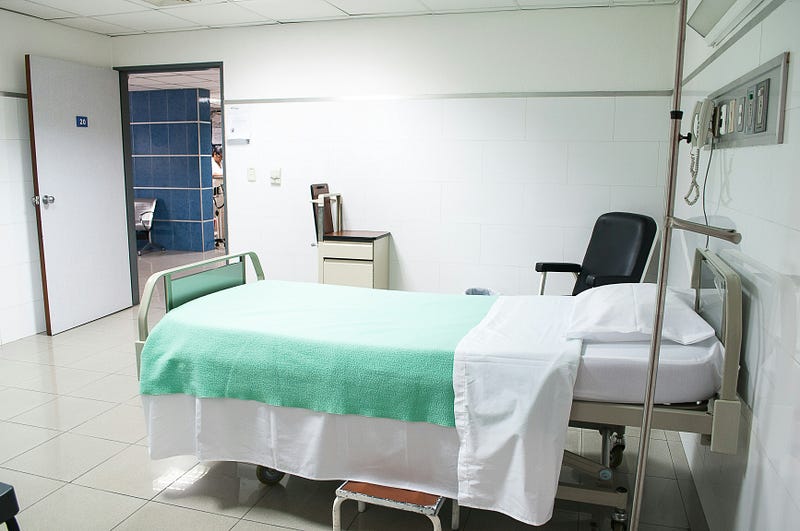
I broke my hip and was in my hospital bed.
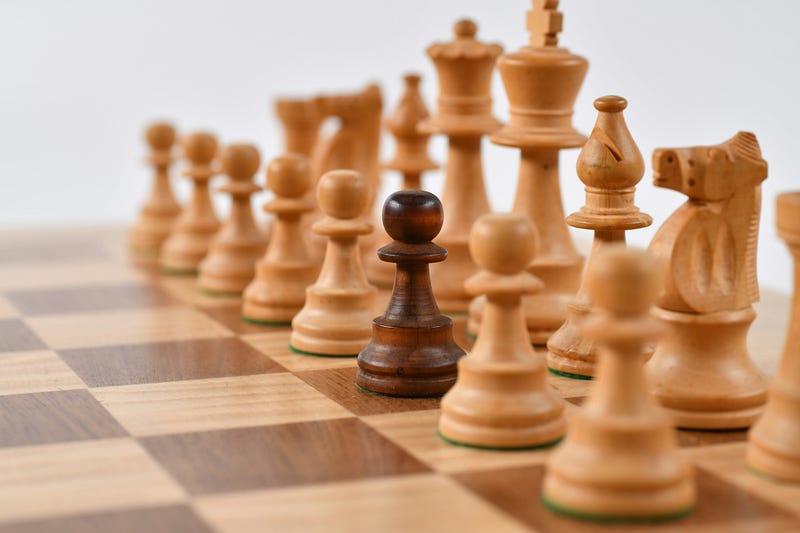
Everything I lived for yesterday was dead. “Don’t talk about chess!”, I said.
For the past few months, I have been preparing for the European championship. But, now I knew I wasn’t going there.
After investing hundreds of hours in preparation, I lost all my motivation.
My focus wasn’t on chess anymore. I focused on pain.
On the overwhelming sensations of regret, feeling all the injustice.
The “dead time” came.
My fellas participated in the tournament and trained hard. But I didn’t.
Although, I planned to return to chess after the injury. I didn’t train.
I focused on short-term regret. Not in the long term.
I could train countless hours daily, planning to become an even stronger, better chess player.
But I didn’t.
I was in the moment. Living the dead time as a dead person.
Before the injury, I was:
- Pushing myself hard
- Feeling guilt when skipping a training session
- Obsessing myself over my play
I was too harsh.
The injury was a reminder.
That I should take a gentler road, but I didn’t listen.
- I went from one extreme to the other.
- From obsessing, to not caring
- From being scared of bad results to regretting the lost opportunity
I made a mistake.
8 years after that, I discovered the “dead time” theory in The Obstacle Is the Way by Ryan Holiday.
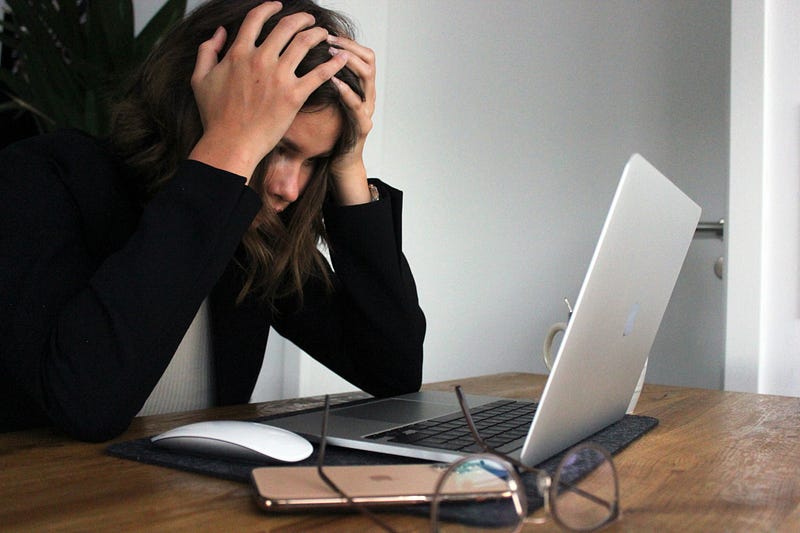
Dead time is a time period, when you feel stuck.
- Circumstances are against you
- Poor health /mental health
- Lack of motivation
So you just give up and wait for better times.
I realized that I should not give up. I needed to train hard. So I could emerge back as a winner.
In those 4 months of recovery, I should have:
- Studied countless chess books
- Improved my openings
- Enhanced my strategic thinking
- Played countless online games
That’s how I would become a way better chess player.
That was my lesson:
- That I should always try to get the most out of the situation.
- That I should never blame circumstances.
- That I should always give my best
And that doesn’t apply only to chess. It’s almost universal.

There’re countless examples where people just wait for something to happen:
- Finishing a task-> just waiting to start tomorrow
- Anticipating a date so much that you just wait for it
- Not listening in school because you plan to go to the cinema
While not making anything out of their time.
Maybe that’s you too.
If you find yourself in that description, please make sure to use your time.

“The biggest mistake is you think you have time.”
Buddha
Your time on Earth is limited. One day you’ll die. So make sure to use your time wisely.
- To enjoy
- To learn
- To spend every day of your life on something meaningful
- Give your best
- Listen attentively
So when you feel like everything is going against you. Stand tall, and try to squeeze everything you can out of the situation.
Never wait for better times… Create them!
Share in the comments:
Do you blame external circumstances? Or do you give your best no matter what?
How can you leverage “dead time” when it arises?
Always give your best and take the responsibility for your life in your own hands!


