
Day Tripping: April 26
Enormous Ecological Explosion
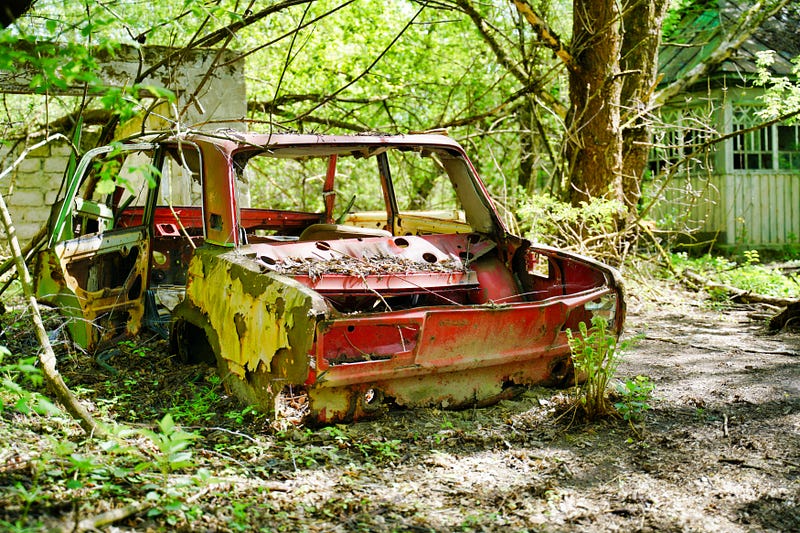
Massive Over Reaction
When the number #4 reactor of the Chernobyl nuclear plant blew up in 1986, the explosion caused the worst world nuclear disaster in history. Radiation escaped across Europe from the plant in Ukraine, reaching Sweden while Soviet authorities did not confirm the incident’s occurrence for two days.
Two plant workers died almost instantly from the radiation exposure and more would succumb in the following days. 31 people died as a result of the reactor meltdown. Fifty thousand citizens of the nearby town of Pripyat were ordered to evacuate with whatever they could carry, but that did not occur until the following day.
The reactor had been shut down the day before for routine checks. Against safety regulations, the operators also shut down control systems which were crucial to preventing unstable power levels. At 1:30 on the morning of April 26, 1986, the reactor exploded from uncooled pipes and an excessive build-up of steam, sending massive flames into the early morning sky.
While fire spread to the adjoining structures, toxic dust fumes were carried across Northern Europe on the wind. There were no outer core buildings erected to prevent escaping radiation. Among the dead are many of the firefighters who worked to contain the blaze which spread throughout the complex.
The far-reaching effects of radiation exposure have yet to be substantially determined, and the site itself and surroundings have been designated a Zone of Exclusion to everyone except science personnel. The plant’s remaining three reactors resumed operation for several years, the last being shut down in 2000. Reactor #4 has been encased in a massive concrete sarcophagus.
Since then, the region has become overgrown with natural growth and is inhabited by a wealth of wildlife. Though Chernobyl and Pripyat are still not considered back to normal, citizens have returned to resettle and tourists visit the area regularly.
Sir David Attenborough's recent documentary, A Life Lived On Our Planet opens with the filmmaker and naturalist visiting Chernobyl. This film, more than any of his others sends a poignant message about how humans interact with the planet, and Chernobyl is the centerpiece of his argument. Well worth viewing.
Musical Milestones
Undoubtedly the greatest farewell performance of all time in music, film director Martin Scorsese’s epic documentary, The Last Waltz opens in theatres in 1978. Using three of the most acclaimed cinematographers in film history to shoot the concert, Michael Chapman, Vilmos Zsigmond, and László Kovács capture an incredible array of music’s greatest performing live with The Band in their last gig.
Narratives
Rod Stewart was standing on Sunset Boulevard in LA with his 3-year-old daughter when a gunman came up and demanded the keys to the singer’s $50.000 Porsche Carrera.
Rod complied, and after handing the keys over, he had to help the thief start the car. It wouldn’t be the last time he was carjacked either. Stewart’s Dodge Viper was ripped off in 2004.
Remembrance
The matriarch of television comedy and pioneer for women in show business, Lucille Ball passed away in 1989.
How could anyone not Love Lucy?
Notable Births
1933 — Carol Burnett is another pioneer comedienne and compatriot of Lucy
1943 — The Dream Weaver, Gary Wright also wrote Love Is Alive and was an early member of a great band called Spooky Tooth.
1970 — Melania Trump. Should we care? We know she probably doesn’t.
K. Barrett Katie Wallace Maria Rattray Maryam Merchant Dr Mehmet Yildiz Tree Langdon Myriam Ben Salem Phil Truman Chelsea Mandler MAT Terry Mansfield Hollie Petit, PhD. Terry Trueman Dr Preeti Singh John Gruber Bill Abbate James G Brennan ScienceDuuude Marcus Liam Ireland Claire Kelly Noorain Hassan, BMS Amy Pierovich David Acaster Nora
The Story Of Day Tripping Through History What’s Past Is Often Present
A comprehensive directory for Day Tripping