
Data Mart vs Database vs Data Warehouse vs Data Lake Explained
Learn All About their Differences, Benefits, Use Cases, & Types

Data Mart, Database, Data Warehouse, and Data Lake are all types of data storage systems that are used to store and manage data. While they all serve similar purposes, they have some key differences that make them more suitable for different use cases. Let’s unfold their individual properties one by one, starting with,
TLDR; Don’t have time to read? Here’s a video to help you understand the difference between data mart vs database vs data warehouse vs data lake in detail.
What is a Database
A database is a collection of structured data that is stored and accessed using a specific software application. Databases are used to store and manage data in a structured way, and are typically used to support specific business processes or applications.
There are several different types of databases, each with its own unique features and characteristics. Some common types of databases include:
- Relational databases: These are the most common type of database, and are based on a structured system of tables, rows, and columns. Relational databases are used to store and manage data in a structured way, and are typically used to support business applications such as customer relationship management (CRM) systems and inventory management systems.
- NoSQL databases: These databases are designed to store and manage large amounts of unstructured data, such as social media posts, web logs, and sensor data. NoSQL databases are often used to support big data analytics and machine learning.
- Object-oriented databases: These databases are based on the concept of objects, and are used to store and manage data in an object-oriented programming language. Object-oriented databases are often used to store and manage large amounts of data in a flexible and scalable way.
Databases are an essential part of many business systems and processes, as they allow organizations to store and manage large amounts of data in a structured and organized way. They provide fast access to data, and allow users to easily search, sort, and retrieve specific pieces of information.
Overall, a database is a collection of structured data that is stored and accessed using a specific software application. It is used to store and manage data in a structured way, and is essential for supporting many business processes and applications.
What is a Data Warehouse
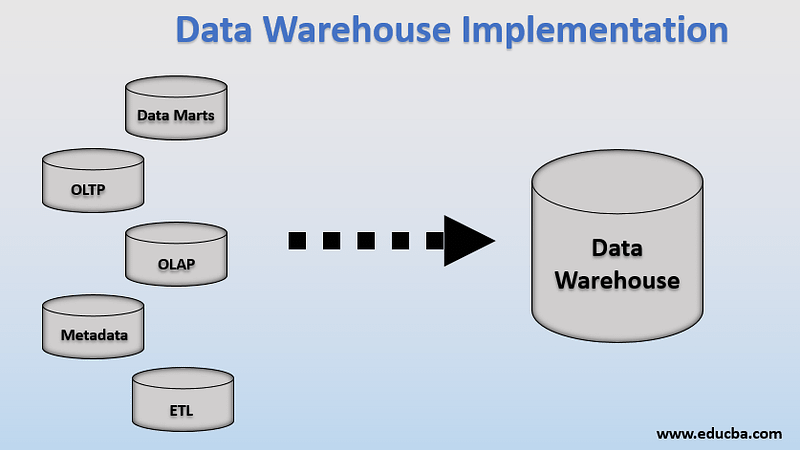
A data warehouse is a central repository of data that is used to support the analysis and reporting needs of an organization. Data warehouses store data from multiple sources, and are designed to allow users to quickly and easily access and analyze the data. Data warehouses are typically used to support business intelligence and decision-making, and are generally larger and more complex than smaller data storage systems such as data marts.
One of the main benefits of a data warehouse is its ability to store and manage large amounts of data from multiple sources. Data warehouses are designed to handle the volume, variety, and velocity of data that is generated by modern organizations, and can store and manage data from a wide range of sources, including transactional systems, social media, web logs, and sensors.
Data warehouses are also designed to allow users to easily access and analyze the data they contain. Data warehouses typically include tools and features that allow users to perform complex queries and analysis, and to generate reports and dashboards that provide insights into the organization’s data.
Another key benefit of a data warehouse is its ability to support real-time analysis. Data warehouses can be designed to allow users to access and analyze data in real-time, rather than having to wait for the data to be transferred from other systems or processed in batch. This makes them well-suited for supporting decision-making and real-time business operations.
Overall, a data warehouse is a central repository of data that is used to support the analysis and reporting needs of an organization. It is designed to store and manage large amounts of data from multiple sources, and to allow users to easily access and analyze the data. Data warehouses are essential for supporting business intelligence and decision-making, and are a key component of many modern organizations.
What is a Data Mart
A data mart is a smaller version of a data warehouse that is designed to support the specific needs of a single business unit or department. Data marts are typically used to store and analyze data from a specific source, such as a sales department or a marketing department. They are generally simpler and easier to set up and maintain than a full data warehouse, but are less flexible and do not provide as much overall visibility into the organization’s data.
One of the main benefits of a data mart is its ability to support the specific needs of a single business unit or department. Data marts are designed to store and manage data that is relevant to a specific group of users, and can be tailored to meet the specific needs and requirements of that group. This makes them a good option for organizations that have distinct business units or departments with unique data needs.

Data marts are also generally easier and quicker to set up and maintain than full data warehouses. They are typically smaller in scale and complexity, and do not require as much data integration or maintenance. This makes them a good option for organizations that need to quickly set up a data storage and analysis solution for a specific business unit or department.
However, data marts do have some limitations. They are generally less flexible than full data warehouses, and do not provide as much overall visibility into the organization’s data.
What is a Data Lake
A data lake is a central repository of raw data that is stored in its original format. Data lakes are designed to store and manage large amounts of unstructured data, such as social media posts, web logs, and sensor data. Data lakes are generally used to support big data analytics and machine learning and are highly scalable and flexible.
One of the main benefits of a data lake is its ability to store and manage large amounts of unstructured data. Data lakes are designed to handle the volume, variety, and velocity of data that is generated by modern organizations, and can store and manage data from a wide range of sources, including transactional systems, social media, web logs, and sensors.

Data lakes are also highly scalable and flexible, as they can store an almost unlimited amount of data and can support a wide range of data types and formats. This makes them a good option for organizations that generate large amounts of data, or that have unpredictable or variable data needs.
Another key benefit of a data lake is its ability to support real-time analysis. Data lakes can be designed to allow users to access and analyze data in real time, rather than having to wait for the data to be transferred from other systems or processed in batch. This makes them well-suited for supporting real-time big data analytics and machine learning.
Conclusion
In conclusion, I’d like to say that Data Marts, Databases, Data Warehouses, and Data Lakes are all types of data storage systems that are used to store and manage data. While they all serve similar purposes, they have some key differences that make them more suitable for different use cases.
Data Marts are smaller and simpler than Data Warehouses and are designed to support the specific needs of a single business unit or department.
Databases are used to store and manage structured data in support of specific business processes or applications. Data Warehouses are central repositories of data that are used to support the analysis and reporting needs of an organization.
And lastly, Data Lakes are central repositories of raw data that are used to support big data analytics and machine learning.
You may also like,


