
NOVEL
Dare to Say These Little Words
The Love We Had, Chapter 32
A writing challenge
Write and publish a book review of the novel The Love We Had, based on freely chosen chapters published on medium.com.
The book review can be a comment of 100 to 200 words, or a longer article, and should be published on medium.com.
Everyone who publishes a book review will receive a link with free access to the e-book when the e-book is published on KDP. Please tag me Øivind H. Solheim at the end of the review to get free access to the e-book.
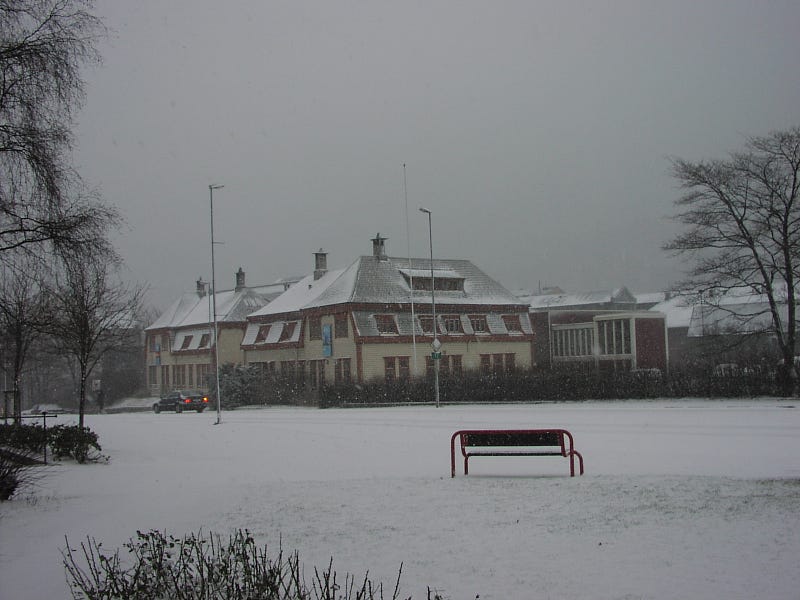
32
I have been with my husband for almost two decades, and I have been through the usual stages that in most cases are part of a long-term relationship: falling in love, sex and love, engagement and wedding, more love and sex, pregnancy, birth and puerperium. And I have experienced waves and hills, I have experienced great joys and great sorrows. Together we have experienced the best of the good and the worst of losses.
We have experienced a lot that has connected us, but still we have lost each other. It has happened gradually, it has happened almost in invisible ways, it has happened without me wanting it, and probably also without him wanting it.
I’m not sure when I last said «Love you,» to him, and when he last said those words to me. I think it is a long time since last that happened.
I am actually a little uncertain if I’ve said those words after the second birth, fifteen years ago. Unsure if I all this time with my husband have said those words as many times as the number of fingers I have on my hands. Unsure about if so it should be like this from now on, with me and my husband.
I have made up my mind. I will continue to meet Aslak, and I think that I am in my right to be with him. I cannot see why I should not feel free to say to him that I love him. I cannot see why I should not allow myself to say that I love him, and to hear these little words that fill me with such warm colours. And I think that I am in my right to this, to open me for something different, something stronger than what I’ve experienced in my former life.
I think that many relationships after a few years come to a point where you stop floating in the intoxication of love, where you are inevitably forced to come back down to everyday life, where you have to face the everyday challenges again.
Everyone meets the demands of everyday life sooner or later, and it is important that this meeting takes place in a good way. Not too hard, and not like a bad stomach squirt or a too hard landing on frozen ground. Most people are so lucky to experience infatuation and love, and these are very important parts of being human.
Most people are more or less aware that living in that state rarely lasts forever. There was a poet who lived in this country who wrote this famous phrase: ”It is possible to live in everyday life as well.”
The person who wrote this was not a young man. He was probably well into the years when he discovered this wisdom which says that it is important to see the good and the positive in the near things. Seeing the good and the positive is in itself both wise and useful, and gives you what I think can be a key to a good life. I think this is a bit inspired by the Stoics.
If I am to think about how it could be with me and Lars, if we should be able to find our way back to each other, then I think that it is exactly such things that become important, that we are able to hear what others say and that we show that we care, that we long.
Dare to show that one longs is an important way to show love, just as it is to be kind and decent. The same goes for showing love and consideration, and doing things for people unsolicited, i.e. doing things so that you do not have to ask about it. Getting things done without asking is important.
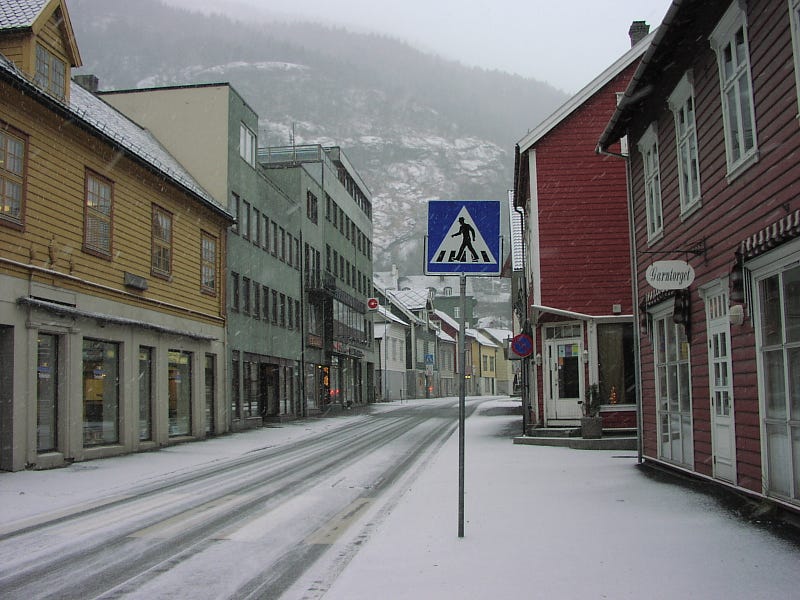
The story that the novel tells takes place in a small industrial town at the end of a fjord in western Norway. The story being told and the characters are fictional.
The photos included in the chapters are taken on location in Odda and in the Odda Smelter (Odda Smelteverk, 1906–2003), the carbide factory that is part of the story.
The Love We Had
Part 1 The Longest Night -chapters 1–3, told by Lars. Part 2 The Light Inside -chapters 4–17, told by Aslak. Part 3 Save Our Secret Love -chapters 18 — XX, told by Eira.
For quick access to all chapters, go here.
Previous chapter: 31 Our Love Will Last for Ever
Next: Chapter 33 The Distance Between Us
Øivind H. Solheim writes fiction, essays and articles aiming to help others understanding life, other humans and themselves. He has published five novels, two non-fiction books and a poetry book.
Visit Øivind H. Solheim’s profile
Become a Medium member, read thousands of writers and support my writing.


