
Dancing Around Danger, Beauty and Succulents
Three poems in response to this week’s KTHT prompts about reclaiming power, stereotypes and finding your roots.
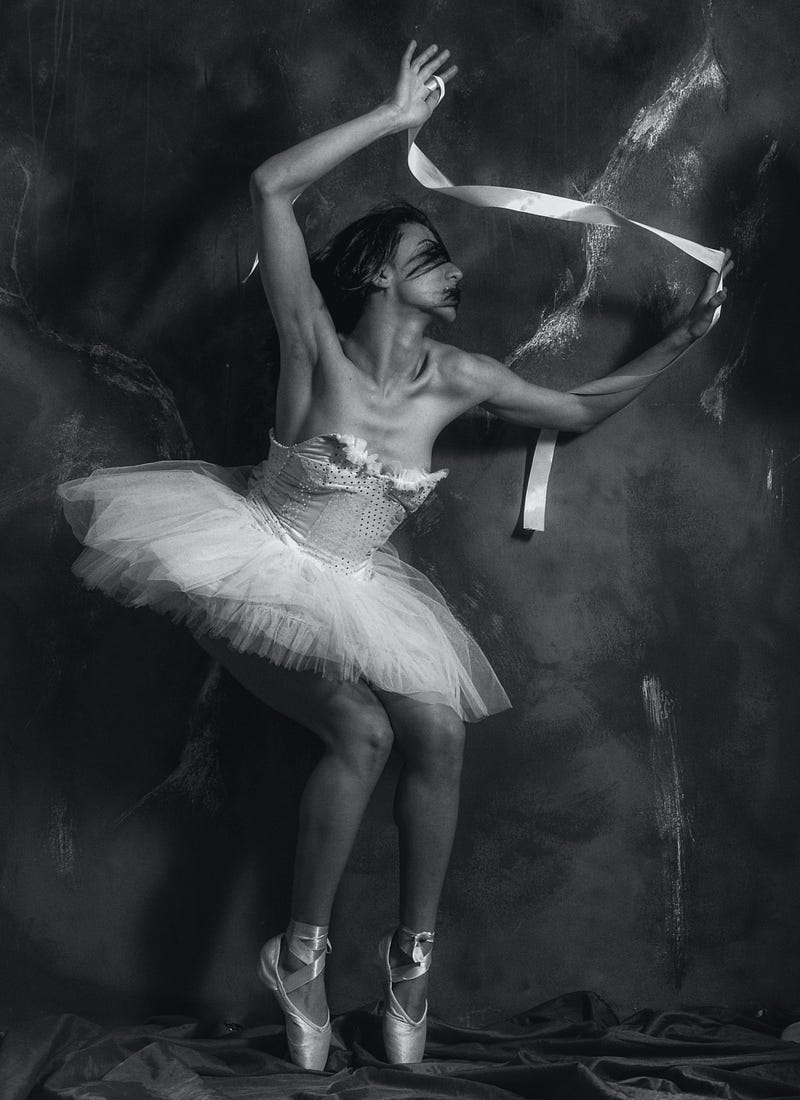
In what situations have you let your power slip away? How can you reclaim that power?
[ Monday ]
they talk about the fight, the flight, the freeze — how animals and us alike defend ourselves from predators
but I most frequently relinquish safety, have power taken away from me when I fawn in dangerous situations;
instead of fighting, arguing, advocating for help, I learn the intricacies of a predators’ anger, making it my responsibility to dance around their teeth, their jaws, to serve up parts of myself so they may smile more often than they bite.
This is false power, false control over actions beyond my own.
Today I reclaim my power by pinning responsibility rightfully back on those who perpetuate harm — it is your duty to change your nasty ways, not mine to dance on eggshells so that you may exist as if nothing is wrong.
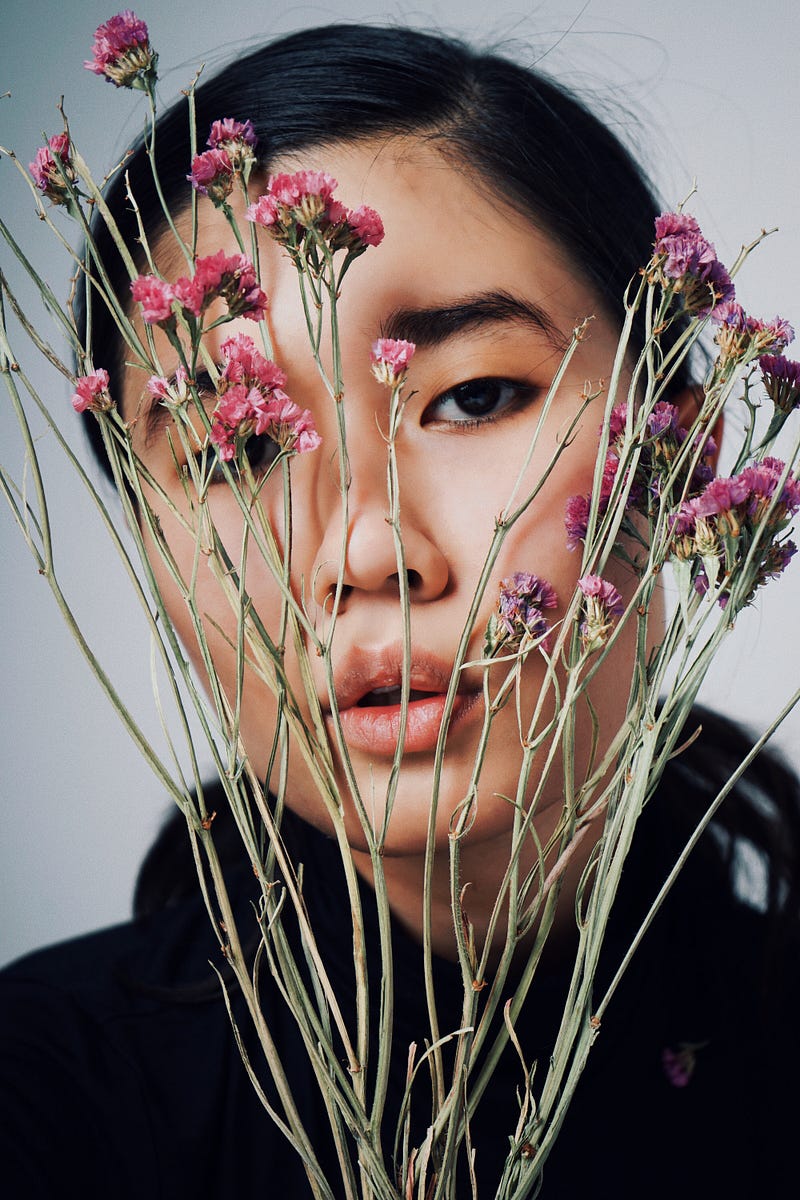
What stereotype do you unwillingly fit?
[Wednesday]
I hated pink, for fear that pink would not mean strength and independence;
today I reclaim this colour to represent my femininity, tenacity and autonomy which can just as likely intersect.
I hated my small eyes, told that without that double eyelid fold there was no beauty, but worse, there was no worth;
today I reclaim my beauty, my vision, my appreciation against eurocentric definitions of art.
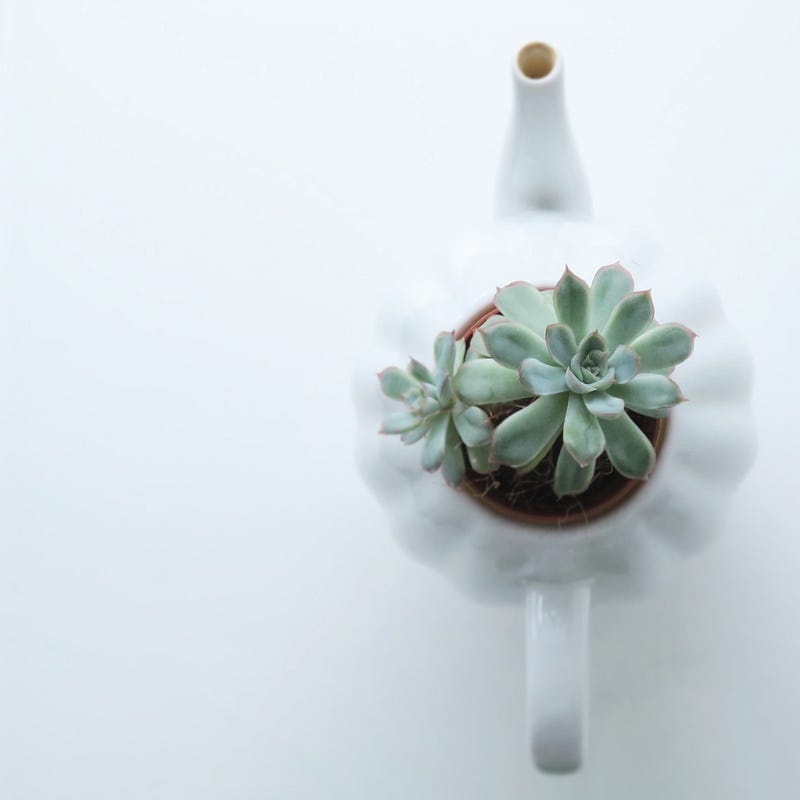
How deep do your roots reach?
[ Friday ]
tiny succulent reaching high, turns out you’re under duress.
rather than nurturing daily with moisture, nutrients you were drowned shallowly, too frequently so that your roots grew shallowly uncertain of the future.
This is a true concrete story of $3 tiny succulent I bought, but as I told the story of its life, I recognized myself. I recognized a rapid growth that was meant solely to reach safety and evade scarcity, yet was praised for “doing so well” for which I only had one option. I was watered shallowly by strangers, who stopped and praised my parents for how well they taught me, how well I behaved, not knowing the strict and drowning measures they used to keep things that way. To this day, when I see a child as young as I was then sit perfectly still, decline play, decline laughter so as not to interrupt adult conversation, I begin worrying rather than praising. For a child to overcome such a natural tendency to play and create and laugh comes is an alarm bell.
Lucy Dan 蛋小姐 (she/her/她) wants to thank 𝘋𝘪𝘢𝘯𝘢 𝘊. for her amazing weekly prompts! Some of my best poems come out of these weekly prompts, possibly because she taps right into the deepest of emotions.


