
Cutting Back on Drinking
4 Tips on Making It Happen

It’s hard to believe that it’s still January 2021. It feels like a lifetime passed since News Years Day. Since we’re still in the first month, perhaps you are maintaining your earlier resolutions, like wanting to cut back on the alcohol.
I mean, it’s okay to drink once in a while, but it’s also okay to want to drink less, especially if it's interfering with our ability to make decisions and is impacting our professional and interpersonal relationships.
Either way, it’s good that you want to take steps to drink less frequently. Just as you gradually increased drinking until it became unbearable, you likely have it within you to gradually scale it back in the other direction.
I mean, it is possible, with the right amount of awareness, time and effort.
Scaling Back Is Not Easy
It’s not going to be easy to cut back. However, you can start breaking down your goal into smaller chunks. It might be best to create this “scaling down” plan while seeking a professional, like your physician.
You genuinely want to be better, and I’m proud of you for that. The medical experts call this harm reduction. You can read more about the concept of harm reduction here.
You can start off small with the number of drinks that you consume. For example, instead of drinking 5 glasses a day, maybe you will spend the following weeks trying to drink 4 glasses per day.
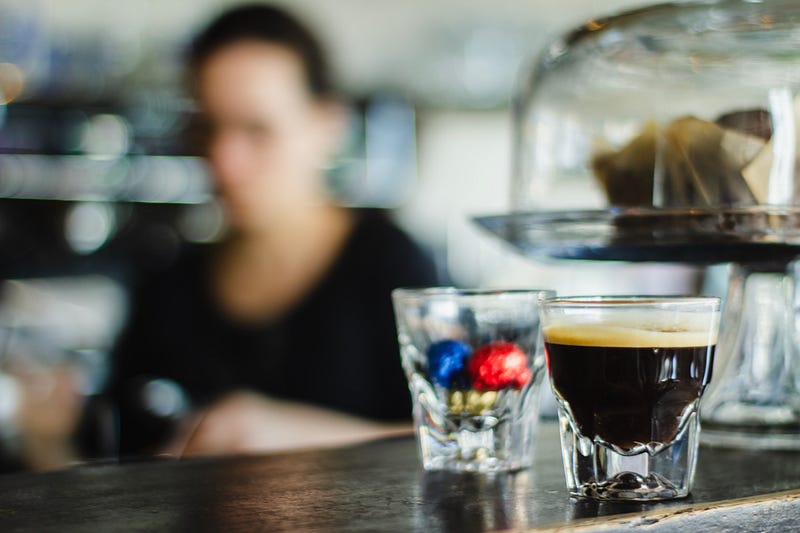
Sure, it’s not perfect, but it’s still progress and it’s better than nothing. As you spend time with the 4 glasses, you can slowly turn the situation into 3 glasses, then 2, then 1. Plus, the rollout is intended to be gradual.
To avoid overwhelming yourself, it might be best to write this all down — the dates you drank something, the number of glasses or bottles consumed, how you felt, and the events that occurred prior to and after the situation.
Eventually, it becomes easier to manage, especially if you’re seeing patterns surrounding your episodes. From there, you can plan time away from those stressors, whether it is a recurring fight with a loved one or something along those lines.
1. Be Realistic
While we often have plans to drink less, it can be hard to actually fall through with them, whether it is our mental state or some third party variable that blows everything out of the water.
Perhaps, like mentioned earlier, you can write out your goal of wanting to drink less, and use one of those fancy apps to send you notifications on your phone. Reminders are always good, especially if we’re fighting massive mental fatigue.
Otherwise, these tidbits swirl inside our minds and can be easily forgotten.
If you need to, create a proper log. This log will help you find patterns in your drinking. To fight the enemy, you have to study the enemy’s strategy. You can write down the dates and times for when you catch yourself drinking.
You might notice some sort of pattern that you somehow failed to realize initially. We often go through so many problems, that these basic patterns are not always obvious — until we map them out.
Maybe you drink every day, but you always drink more than usual at around 6:00 PM. 6:00 PM could be the time you watch the news on TV, stressed about the state of the world. Maybe your spouse comes home from work and yells at you for not cleaning the house.
Maybe the news and fighting are your drinking triggers. From this point onward, you can plan your potential counter-attack on the following dates. Instead of watching the news at 6:00 PM, perhaps you decide to:
- Not watch the news for once
- Run into the homemade basement gym
- Walk away from any potential fighting
- Distract yourself with chores
- Teach yourself yoga and try to fall asleep in your bed
While it’s not easy, you have a rough idea of when your drinking is at its worst. Even if you do fall into the trap and still drink a bit, at least your self-awareness will hold off some of the urges.
Remember: just scale-down gradually and rely on a medical professional.
2. Have Support Systems in Place
I know that a lot of us are alone at the moment, given the state of our world. However, we need to build up our reserves from the monster that is called addiction.
It’s often hard to fight against it solo. Instead, we need some people in our lives to help us — in the therapy world, these are our protective factors, the people who can tag-team with you every now and then.

These people can be your spouse, your online gaming buddies, that comedic dude on Reddit who shares memes with you, your pet dog, your social worker, or even your parents.
Either way, set up a time to talk to them about the serious decision that you’re making. Tell them that you need their support while you make the decision to slowly stop drinking. You’re scaling back and you need them to be your extra ears and eyes. Let them know that you talked to a professional about this — good people support those who genuinely need it.
3. Pace Yourself and Create New Routines
It’s great that you want some change in your life, especially if you want to stop drinking as much. However, it’s good to take it real easy and slow. Going cold turkey is pretty dangerous, and here’s a link to a research study if you don’t believe me.
For now, just tread carefully. When you are scaling down on the drinking, especially with the help of a medical expert, consider the following tips:
- Sip your drink slowly across a longer period of time
- Drink plenty of water in between your drinks
- Space out your drinks to reduce the number of glasses per day
- Eat more of your favourite and healthy foods to compensate
- Psychologically trick yourself with smaller glasses or cups
- Use phone reminders to recall your original goal
- Takes breaks in between triggering periods
4. Identify Your Triggers
I’m aware that the term “trigger” is overused on the internet. However, “trigger” is still a word used in clinical contexts. When you find yourself falling into the trap of drinking, there’s often a triggering event that took place that brought you into that state of drinking.
This means that you need to prevent yourself from entering situations that trigger that initial round of drinking in the first place. These may include specific people, smells, places, and activities.
For example, consider:
- Mementos and trinkets that trigger the loss of a loved one
- Songs and movies that trigger a social drinking atmosphere
- People who peer pressure you and seem to be doing fine somehow
Again, as mentioned earlier, journal logs might make it easier to mentally process what this common trigger could be. It might not always be obvious, given the number of problems we might have on a single day.
Plus, we have one life to live. We can’t just do things just because everyone else is doing it. We do things because we want to be better people. We have to make our life count.
Maybe work extra shifts if you need to. Develop a side hustle. Read lots of books and research more on how to reduce drinking. Join a support forum if you can. You will likely find supportive allies who know how exactly you feel. If they’re anonymous, that’s even better.
Whatever you do, keep your mind busy — it might hold off some of the urges.

5. Be Assertive
Sometimes it’s not always our fault that we always drink. Sometimes our buddies and partners are part of the problem. However, if you’re being pressured into drinking, respectfully decline. Say it firm and quick so that you don’t change your mind later.
Sometimes, we have to say things in such a way that the other person is a little thrown off and intimated to ask you ever again. People don’t question assertiveness, especially it exudes out of confident people.
If you need you, can rehearse what you might say to someone.
“Darling? I’m not going to drink right now because we have the kids to take care of. Did you forget?”
“Hey dude, I can’t drink right now. I’m scaling back due to my New Year’s resolution. Please respect that.”
“Look, I appreciate the offer, but I’m going to kindly decline. Please respect my decision.”
While it’s not easy to be battling our addictions, it can be managed, especially with a lot of time and effort. Sure, it’s exhausting, but a decent plan was broken down here, and you always have the expertise of a doctor or therapist to fall back on, if things get worse.
If you’re unable to find the right kind of support right now and you’re in the United States, you can also call the Substance Abuse and Mental Health Services (SAMHSA) National Helpline at 1–800–662–HELP (4357).
They will likely give you much more substantial information and could likely help you find a local treatment facility or support network in your area. You can read more about the helpline here.
You can also use Crisis Text Line, especially if you’re nervous about calling someone about your problems and just wanted some emotional validation. They provide short-term crisis counselling support. You can text “CONNECT” to 741741.
In Canada, this number will be 686868. In the UK, it will be 85285. Ireland has 50808. You may need to research the numbers used in your country. Either way, whatever you end up doing, I’m sure that you have a lot to look forward to.
Help is there — it just takes time to find it.


