Cures for HIV & Ebola on the horizon
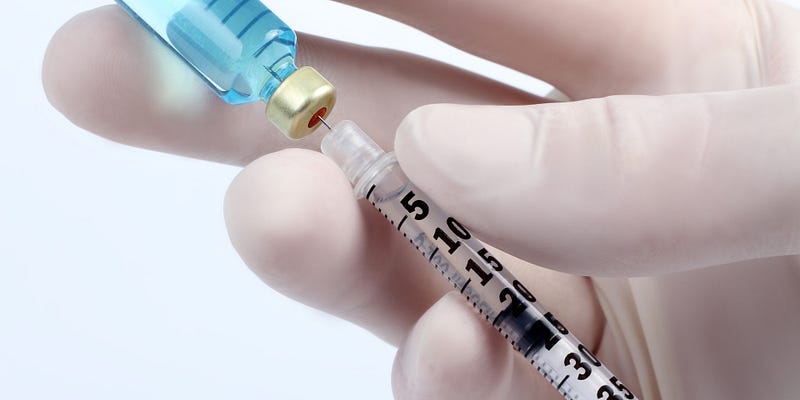
We may soon have vaccinations for the two Pandemics
Both these pandemics have been around for about 40 years and healthcare professionals around the world have had a hard time decoding these viruses. While the first known cases of Ebola were reported in 1976 near the Ebola River in what is now the Democratic Republic of Congo, HIV/AIDS first came to limelight in 1981.
Ebola has been periodically infecting people in several African countries, the HIV/AIDS pandemic, however, has been a much more deadly one causing 65 million infections and 25 million deaths according to the Center of Disease Control (CDC) in the US. There is the hope of curing these diseases with the survival rate of the recent breakthrough vaccinations.
Monoclonal Antibody (Ebola)
ZMapp, used in the most recent Ebola outbreak in Sierra Leone, Liberia and Guinea & Remdesivir has been dropped in favor of the two new monoclonal antibodies, which block the virus much more effectively. All future Ebola treatments will be using these two monoclonal antibody drugs extensively. Two versions of these drugs have been produced — one by Regeneron & the other one by Ridgeback Biotherapeutics.
Anthony Fauci, the director of the US NIAID reported the following mortality rates in the trials administered in the four centers treating Ebola patients:
ZMapp — 49%, Remdesivir — 53%, Regeneron antibody — 29% and Ridgeback antibody — 34%
These results were even better for people who sought treatment right after they became sick:
ZMapp — 24%, Remdesivir — 33%, Regeneron antibody — 6% and Ridgeback antibody — 11%
Clearly, the antibody treatments are showing promising results. The biggest hindrance, however, in the treatment of the Ebola-affected patients is their unwillingness to seek help. Although the new vaccinations have increased the chances of cure significantly, it is imperative that people seek treatment as soon as possible. Now with better vaccinations at hand, people should have more faith in walking in one of these treatment centers.
Mosaico (HIV)
The success rate of developing a vaccine for HIV/AIDS has been pretty thin over the past 40 years, with over 100 different vaccines experimented. None has shown the promise like the current one in a trial, which has shown to boost resistance to multiple HIV strains even two years after administration, as reported by Nature News.
There have been other promising vaccines developed before so how is Mosaico different? The last experimental vaccine trialed in Thailand in 2009 showed that the participants receiving the experimental vaccine were 60% less likely to develop HIV soon after getting it. The success ratio couldn’t hold up by the end of the 3.5-year-old study, as vaccinated individuals immunity dropped to 31%.
With Mosaico, participants in trials still showed a strong immune response even after two years of vaccine administration. Starting in Septemeber, an expanded trial will be conducted on 3,800 people in 8 countries, including Argentina, Italy, Mexico, Poland and the United States. Half of the participants will receive four injections in a year while the other half will receive placebos.
The Mosaico team hopes to achieve a 65% success rate with the new vaccine, but the results won’t be available until 2023. Although some researchers are skeptical about the success of the vaccines considering the highly mutated nature of HIV viruses, it is nonetheless, an important step towards curing the deadly pandemic which has claimed millions of lives.
Email 📭| Twitter📜 | LinkedIn 📑| StockTwits 📉 | Telegram 🔗