Feature
Curate Don’t Cancel
A compromise to avoid the unspeakable alternative of censorship… and why art should be separated from the artist.

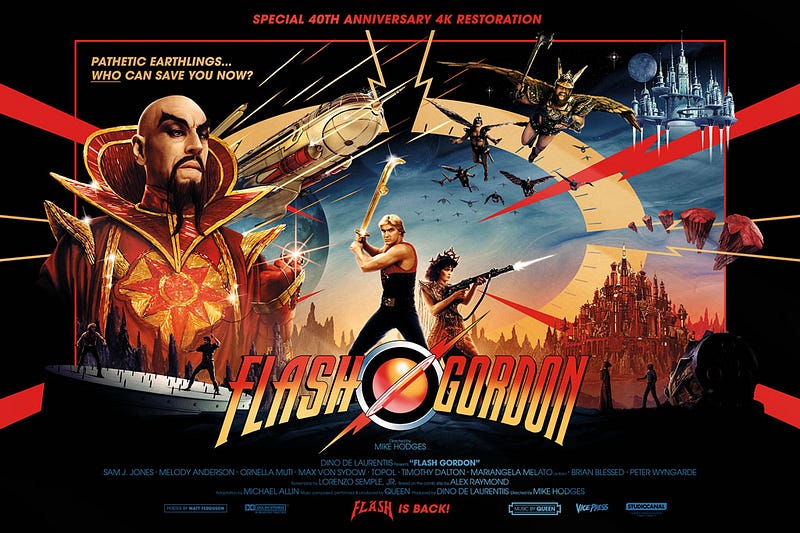
Last year, during a cinema re-release of Flash Gordon (1980), a full-frame caption appeared before the main feature, alerting viewers to “outdated cultural depictions”. I was bemused. Outdated cultural depictions of the planet Mongo? I’d set my brain to neutral to enjoy the camp, colourful spectacle of Mike Hodge’s cult sci-fi gem, so it took a few seconds to consider the Asian-coded caricature of Ming the Merciless, derived from the source material, and played by caucasian actor Max Von Sydow. I rolled my apathetic eyes. Why the nannying warning? Could anyone really get offended by Flash Gordon?
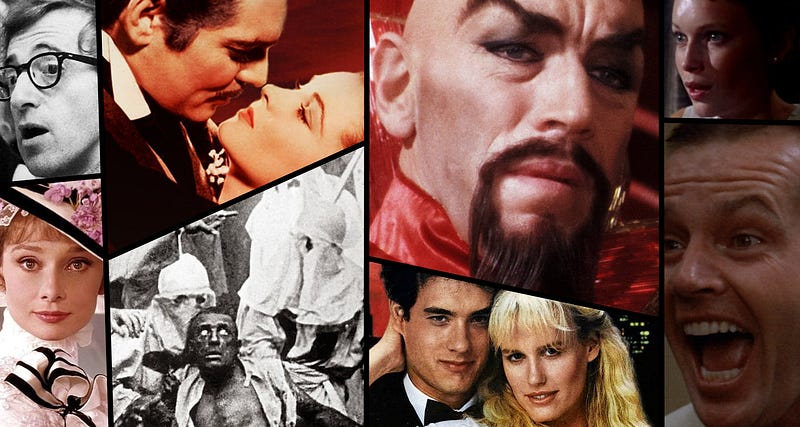
The truth is, people can and do get upset by all kinds of things — including Flash Gordon. Today, offence is amplified in the kangaroo court of social media and decades-old films are subjected to an ever-evolving posthumous outrage. Is this scrutiny unreasonable? More extreme elements call for censorship or even a ban. Are such demands justified? What happens when it isn’t the films themselves that offend, but the behaviour of their creators? Cancel culture gangs pounce with an alarming frequency, demanding the suppression of films by the likes of Roman Polanski or Woody Allen. Should we never again watch Chinatown (1974) or Annie Hall (1977)?
Cultural Shift
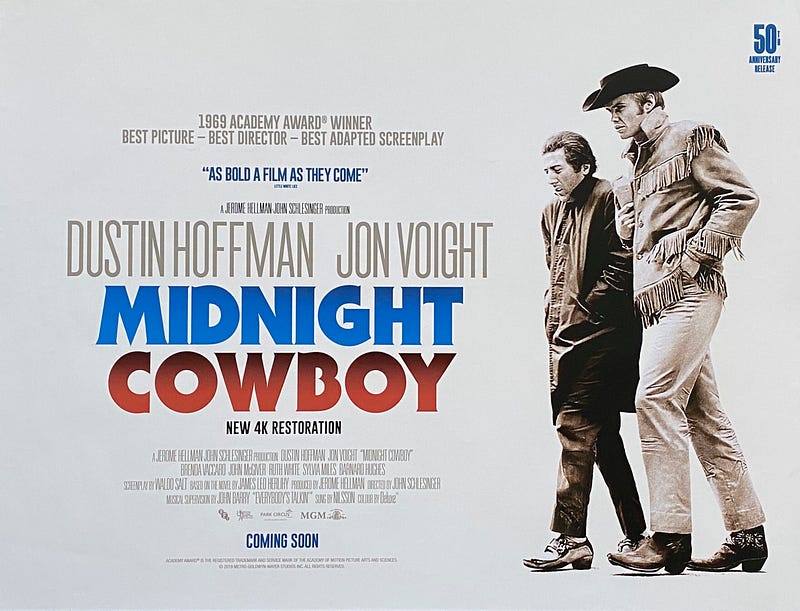
The phenomenon of posthumous offence and “cancel” culture represents a curious shift away from traditional censorship concerns. In the past, outrages over film concerned sexuality, violence, bad language, drug use, negative depictions of religion, and so forth. As far back as the 1930s, there were furores over such films as Safe in Hell (1931), The Public Enemy (1931), Scarface (1932), Freaks (1932), Three on a Match (1932), The Story of Temple Drake (1933), Baby Face (1933), and many more. This led to the creation of the Hays Code, which governed Hollywood over what could and couldn’t be depicted on film, until the gradual collapse of the Code during the counter-culture movements of the 1960s. The difference between what could and couldn’t be shown in the two Best Picture winners bookending that decade is astonishing: The Apartment (1960), and Midnight Cowboy (1969).
This led to fresh outrage, particularly in the early 1970s, with films such as Soldier Blue (1970), Straw Dogs (1971), A Clockwork Orange (1971), The Devils (1971), Last Tango in Paris (1972), The Exorcist (1973), Death Wish (1974), and In the Realm of the Senses (1976). Such outrages were a regular occurrence in the final decades of the 20th-century, with the early-1980s “video nasty” scandal in the UK, which included notorious titles such as I Spit on Your Grave (1978), Zombie Flesh Eaters (1979), Cannibal Holocaust (1980), and The Evil Dead (1981) getting banned, and the film controversies of the 1990s. The latter included Cape Fear (1991), Basic Instinct (1992), Reservoir Dogs (1992), Man Bites Dog (1992), Natural Born Killers (1994), Kids (1995), and Crash (1996).
In the 2000s, things seemed to calm down a bit. Despite occasional minor flare-ups from titles such as Irreversible (2002), The Neon Demon (2016), and most recently Cuties (2020), in the UK at least, there’s widespread acceptance that adults should be allowed to choose their own entertainment, within the law. However, audience outrage now looks backwards, often to films made during that Hays Code period. What was once considered wholesome and clean is now condemned as racist, sexist, homophobic, transphobic, or culturally insensitive in a variety of ways, whether via “cultural appropriation” or “whitewashing”.
TCM Curation
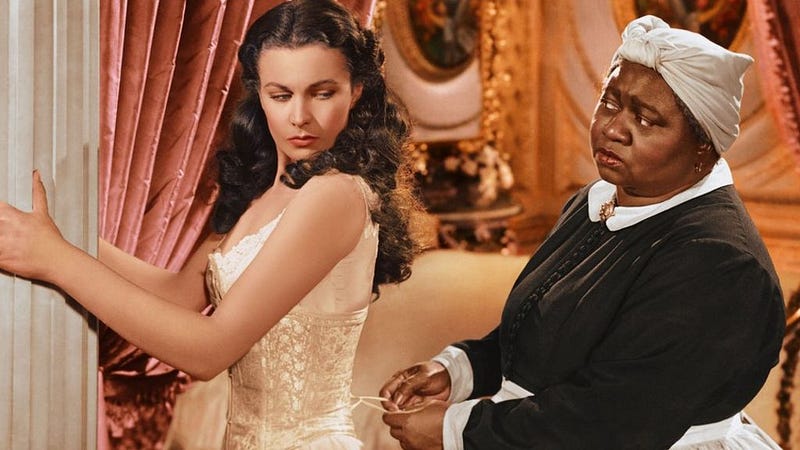
The big question is, how should such material be approached? Turner Classic Movies has announced a new series, aimed at providing historic context and curation in conjunction with some of the films in their back catalogue considered problematic to the sensibilities of modern audiences. Is this a good thing? Why should audiences be made to feel guilty for enjoying Gone with the Wind (1939)?
The truth is, they won’t. According to presenter Ben Mankiewicz:
“Nobody’s cancelling these movies. Our job is not to get up and say, ‘Here’s a movie that you should feel guilty about for liking.’ But to pretend that the racism in it is not painful and acute? No. I do not want to shy away from that. This was inevitable. And welcomed. And overdue.”
Of course, nobody’s being forced to watch these curation pieces, but I’d encourage anyone with a serious interest in cinema to engage in conversations of this kind. It is entirely possible to acknowledge the shortcomings of Gone with the Wind regarding attitudes to race, slavery, sympathetic views of the Confederacy, and so forth, and still enjoy it as an epic, soapy, emotional wallow. It’s entirely possible to acknowledge that Gone with the Wind can offend some people, and still find excitement and exhilaration in its cinematic prowess. (Apart from anything else, the film features my all-time favourite crane shot.)
Jacqueline Stewart, who also hosts the TCM series, had this to say about her first viewing of Gone with the Wind:
“The adults in my family knew all of the famous scenes by heart and rolled their eyes when Butterfly McQueen or Hattie McDaniel would deliver lines that were particularly demeaning. It was an early lesson for me about how black audiences have always juggled the pleasures and problems of mainstream media. I was learning that you can enjoy a film even as you are critiquing it.”
Sexism, Racism, and Classic Westerns
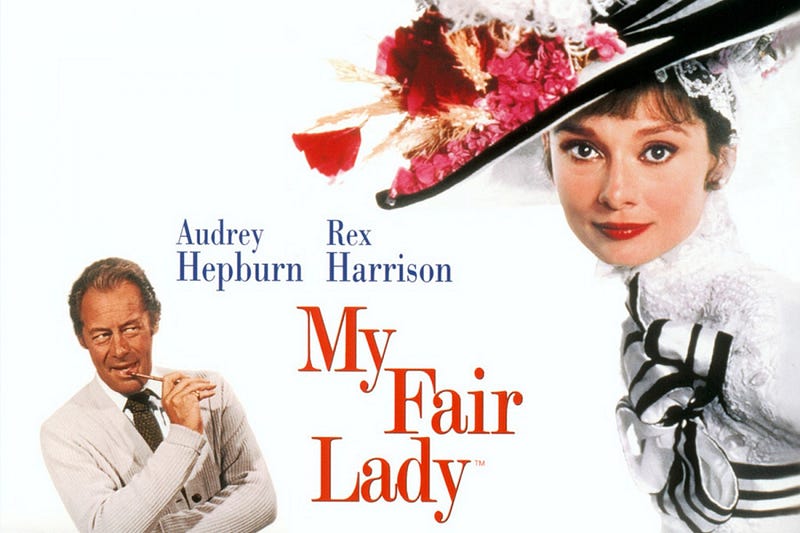
Other films that come under the microscope in the TCM series include My Fair Lady (1964), which is considered sexist and misogynistic by some, and Psycho (1960), regarding the association of cross-dressing with psychopathic murder. Again, it’s easy for seasoned cineastes to baulk, especially regarding the latter, which I’ve always read as essentially a black comedy, with Hitchcock poking fun at Freudian cliches, as well as conservative values and traditions of American life at that time. But again, these discussions aren’t intended to condescendingly tell viewers what they should and shouldn’t enjoy, for their own good. They serve to raise awareness and start valuable conversations. Given the academics involved, I believe that will prove to be the case.
Breakfast at Tiffany’s (1961) is another film to be examined in this series. Again, I believe it’s entirely possible to enjoy this as a romantic comedy while also acknowledging Mickey Rooney’s ethnic caricature performance was an error of judgement. To paraphrase the warnings seen on platforms like Disney+, such depictions were wrong then and they’re wrong now. Yes, I know that statement sounds finger-wagging, but history must be examined and critiqued, if one’s to learn from it.
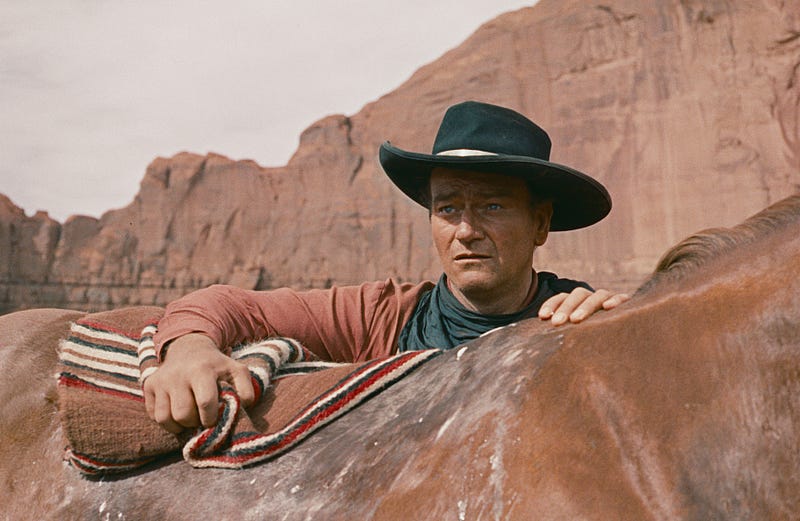
The westerns of John Ford are a bit more complicated. Ford’s often been called a racist, but I think that’s an oversimplification. The Searchers (1956) may depict Native Americans as savages, and at first glance seem to be a tale of goodies vs. baddies, but that really isn’t the case. John Wayne’s character Ethan Edwards isn’t heroic but deeply damaged. His pathological hatred of the Commanches is so extreme that he’d rather murder his own niece rather than rescue her, in the assumption that she’s been raped by her captors. Ethan’s companion, Martin Pawley (Jeffrey Hunter), acts as a moral counterpoint, standing against him when it looks like he really will kill her. At the film’s resolution, cleverly framed in the iconic final shot, Ethan departs, isolated from the civilised world by what he has become.
Nonetheless, Martin’s behaviour towards Native American characters isn’t always above criticism. A sequence in which he accidentally buys a Commanche wife, and his subsequent treatment of her, muddies the waters. Yet I still don’t entirely buy the John Ford is a racist argument. In Ford’s earlier film Stagecoach (1939), in which Wayne plays a much less troubled character, despite the brutal actions of the Apache, it features moments that run counter to the racist narrative. For instance, this lovely little exchange between Donald Meeks’ uptight stagecoach passenger Samuel Peacock, and Chris-Pin Martin’s Mexican character Chris:
Peacock: Savages!
Chris: That’s my wife, Yakima... my squaw.
Peacock: Yes, but she’s... she’s... savage!
Chris: Si senor, she’s little bit savage, I think.
Chris clearly finds the racist attitude of Samuel Peacock absurd, and by extension, one can argue, so did Ford. I don’t believe Ford was consciously racist, but that didn’t mean he wasn’t a product of the culture and attitudes of his time. At any rate, both Stagecoach and The Searchers feature in the new TCM series.
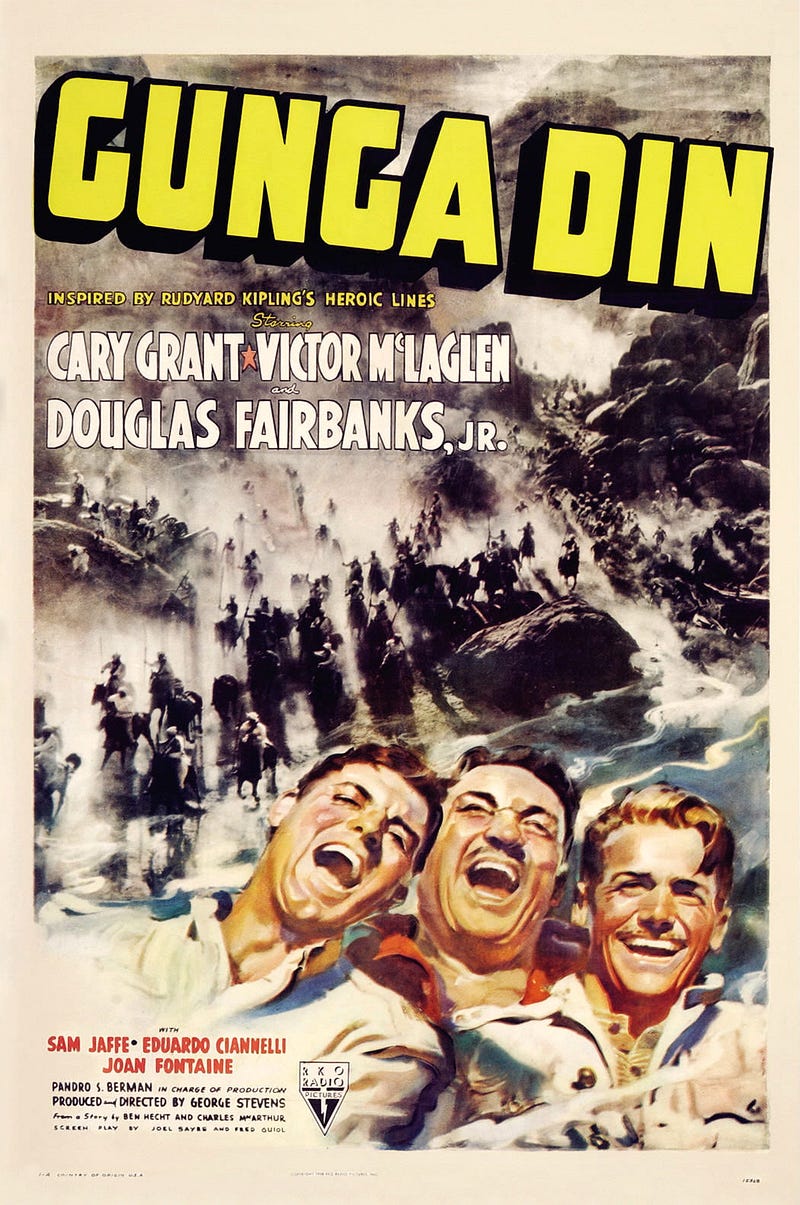
Gunga Din (1939) is another classic to come under the scrutiny of Stewart, Mankiewicz, and other presenters. I confess I have a great love for this ripping adventure yarn, but it is unquestionably a product of its time and has problematic racism issues of its own, as well as those inherited from Rudyard Kipling’s source material. Conversely, many of the set pieces — from Thuggee cult rituals to rope bridges — inspired Indiana Jones and the Temple of Doom (1984); a film which has also offended some, on account of it being overly violent, sexist, and arguably racist in its depiction of Indian peasants in need of a white messiah. Guilty as charged? Pretty much. Do I still love it? Absolutely!
Openly Racist Films
Moving away from the TCM list, what about films I don’t love? What about films that are openly insidious? In my view, cinema history should not be airbrushed. It is entirely possible for film scholars to watch something like DW Griffith’s The Birth of a Nation (1915), learn how it laid down the grammar of narrative cinema, and also identify it as the most hideously racist of all great films. Griffith’s techniques were revolutionary. He devised close-ups, panning, flashbacks, night-time photography, split-screens, parallel editing, and more. Yet he also created a narrative that featured African Americans (played by white actors in blackface) as a collective villain; a violent, lustful force that ravages innocent white virgins, and a force that can only be kept at bay via the Ku Klux Klan, who incredibly emerge from the picture as a heroic group of people.
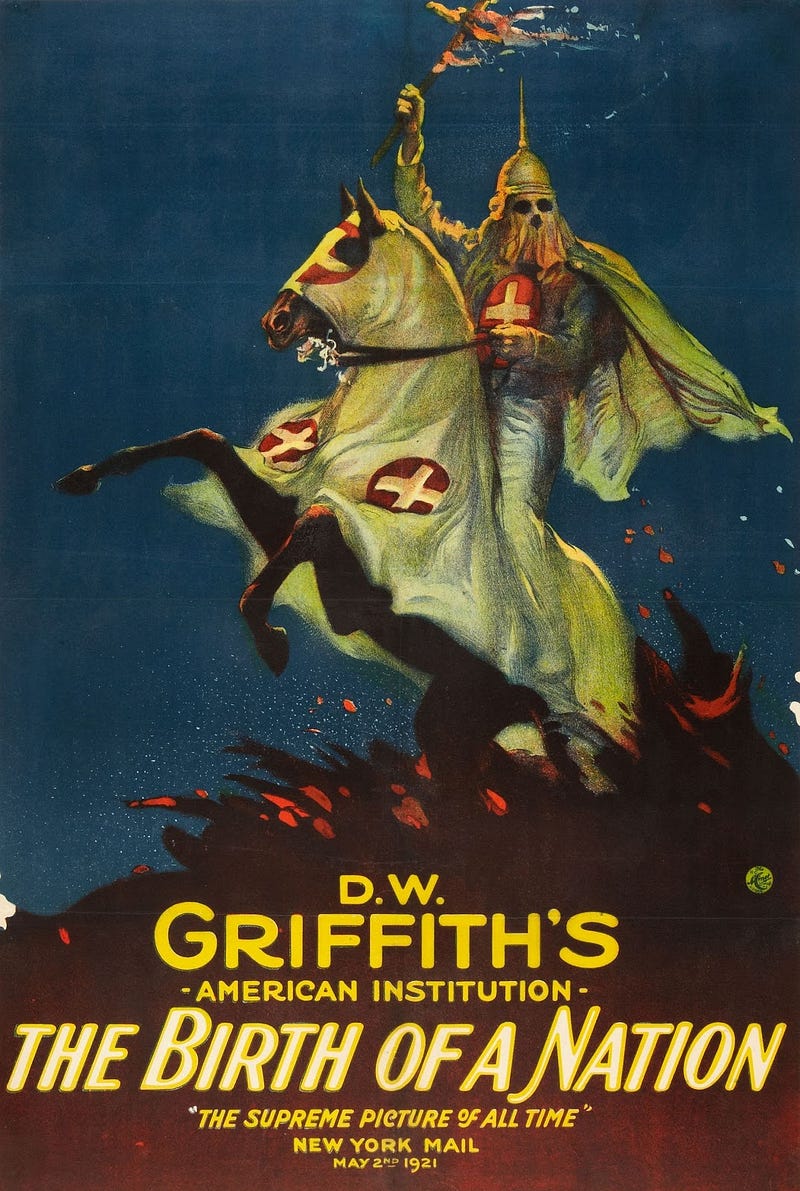
Controversy around The Birth of a Nation is nothing new. There were protests against it from the moment it was first shown. Gone with the Wind is a civil rights sermon in comparison. Yet banning it is not the answer. Such an action doesn’t guarantee against future racist films. It is a great pity that such an important pioneer of cinema was a bigot, but curation is what is required, not censorship. I first saw The Birth of a Nation on a Channel 4 screening, prefaced by a short introduction that explained its historic context, both in terms of ground-breaking cinema, and the legacy of racism. That’s the way these films ought to be presented.
How about Leni Riefenstahl’s Triumph of the Will (1935)? This extraordinary documentary is one of the most important works in the genre, but it is also propaganda of the Nazi Congress in Nuremberg, circa 1934. The opening depicts Hitler landing by plane, emerging through the clouds almost like a godlike saviour. Viewed now it is highly unsettling, and yet by burying the past, we cannot learn from it. These films are important documents. Should they really be locked up and never shown again?
Anyone with a serious interest in cinema needs to see films like Triumph of the Will and The Birth of a Nation, but again with appropriate curation. I would argue the same about films like Song of the South (1946), which Disney hasn’t made available in decades. Since it has included other films that are a product of their time on the Disney+ platform, with appropriate curation warnings — such as Dumbo (1941) and Peter Pan (1953) — I think they should be brave and include everything from their vault. Again, Song of the South is an important document and needs to be viewed and discussed by future generations of cineastes.
Will Someone, Please, Think of the Children?
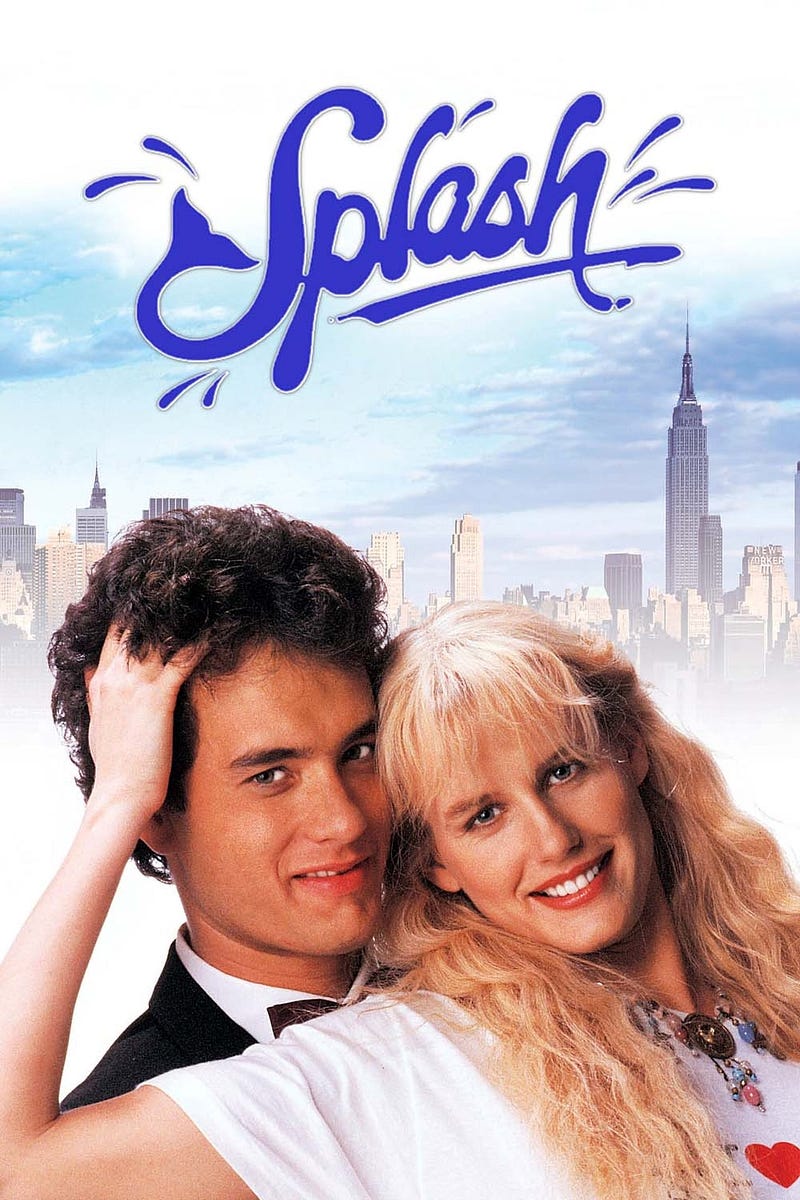
Speaking of Disney, I’m also concerned about posthumous, underhand censorship on the Disney+ platform. Whether it’s the relatively trivial but prudish censorship of nudity in Splash (1984) or the removal of an episode of The Simpsons featuring Michael Jackson’s guest vocal (“cancel” culture again), I do believe in letting history be history. Also, what is wrong with a little dark (and revealing) humour? Was that “casting couch” gag by Stinky Pete on the end credit bloopers of Toy Story 2 (1999) really so offensive it had to be removed?
I accept there are some additional considerations in the above arguments. For example, the influence on children. But these issues require good parenting, not censorship. When I recently showed my youngest Goldfinger (1964) he enjoyed it, but during the infamous barn scene with Sean Connery and Honor Blackman, he piped up and declared “that’s sexual assault!” Times and attitudes have changed, but it’s entirely possible for today’s children to enjoy escapist entertainment like James Bond and have a healthy understanding of why his actions aren’t to be emulated, without the need for nanny censorship. Thankfully, no-one is airbrushing James Bond at present, but I just make the comment to illustrate a point.
Separating Art from the Artist
To expand the remit of this article further, one additional area worth examining is that of what happens when it isn’t the films that are considered offensive, but the actions of the director. Personally, I find the Orwellian implications of “cancelling” anyone deeply disturbing. In many cases, the people “cancelled” haven’t actually committed a crime. In some cases, they might have done, but it can’t be proved. In other cases, even when a crime has been committed, I’m an old-fashioned believer in separating art from the artist.
I do accept that not everyone has that ability and that I am quite an extremist on that front. Most people exist elsewhere on the sliding scale between being able and unable to separate art from the artist. If someone falls into the latter category, I have no problem with that. They’re free to do as they please. However, what I object to is when they tell me that I, for my own good, must also do as their conscience dictates. On such a point, I draw a line in the sand. To make doctrines out of these kinds of personal convictions, and then inflict them on the population at large, goes against one of my most fundamental beliefs in freedom of choice.
Roman’s Holiday
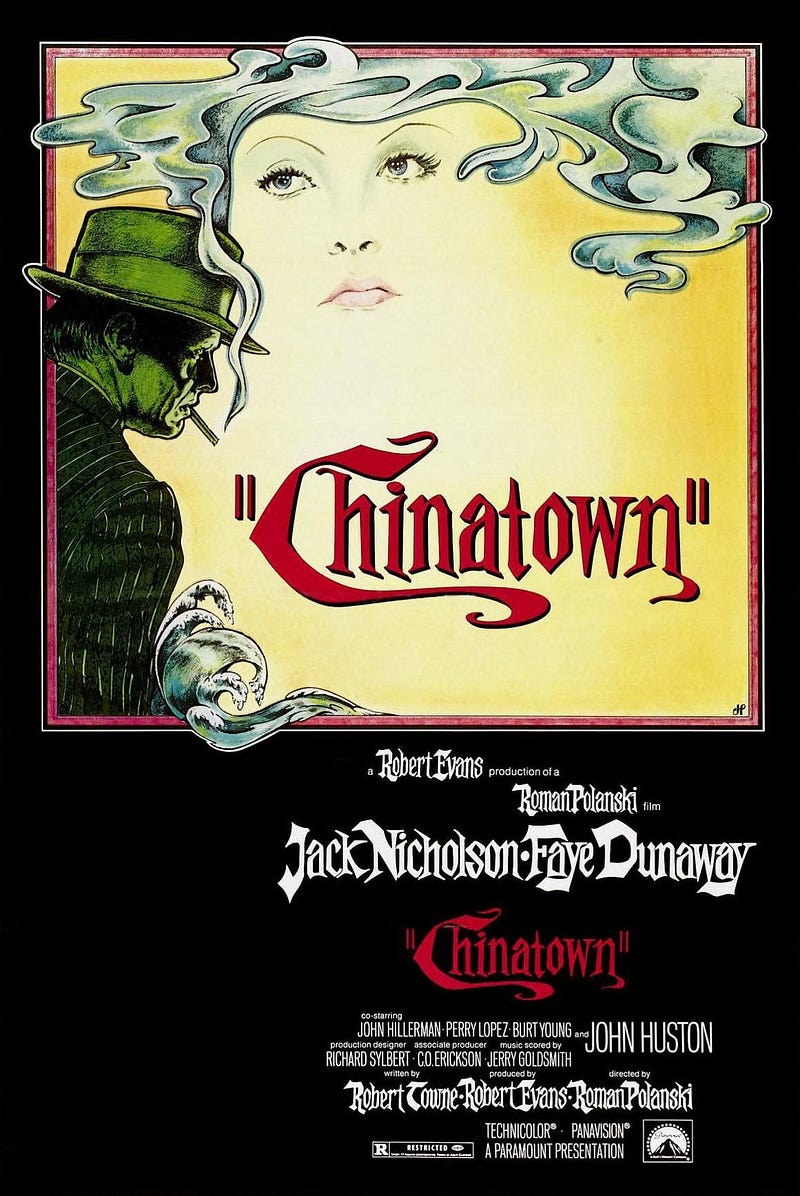
To take a well-known example, Roman Polanski pleaded guilty to statutory rape. However, after he became concerned the judge would renege on a plea-bargain deal, he fled to France, where he couldn’t be extradited. His actions caused considerable controversy, the ripple effect of which has been felt throughout the decades. However, I believe it is entirely possible to praise and enjoy the considerable artistic merits of a film like Knife in the Water (1962), Repulsion (1965), Rosemary’s Baby (1968), Frantic (1988), Death and the Maiden (1994), The Pianist (2002), and, most emphatically Chinatown, whilst not condoning the actions of Polanski in his personal life.
Besides, attributing sole authorship of Chinatown to Polanksi is itself absurd, as it overlooks the acting talents of Jack Nicholson, Faye Dunaway, and John Huston, not to mention the stunning screenplay by Robert Towne; one of the greatest ever written. What about Jerry Goldsmith’s music score? What about the contributions of the rest of the cast and crew? As far as I’m concerned, they should be proud of their involvement in the creation of a genuine classic.
Woody’s Round-Up
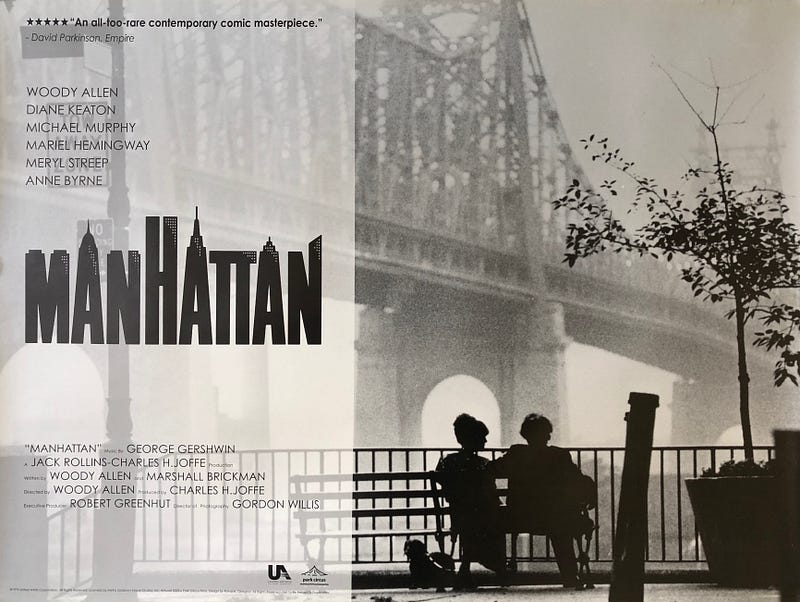
Woody Allen is another example of a director who finds himself on the wrong end of angry internet mobs calling for his “cancellation”. He’s also being defended by others who are convinced of his innocence. To my mind, the only sensible response to the Woody Allen/Mia Farrow saga is to say we don’t know the truth, as it can’t be proved either way. However, guilty or otherwise, all of this is beside the point when it comes to Allen’s impressive back catalogue. Losing a cinematic legacy as rich as his, a legacy that contains the likes of Sleeper (1973), Love and Death (1975), Annie Hall (1977), Manhattan (1979), The Purple Rose of Cairo (1984), Hannah and Her Sisters (1986), Crimes and Misdemeanors (1989), Husbands and Wives (1992), Manhattan Murder Mystery (1993), Bullets over Broadway (1994), Everyone Says I Love You (1996), Match Point (2005), Vicky Cristina Barcelona (2008), Blue Jasmine (2013), and Midnight in Paris (2011), would be a staggering act of cultural vandalism.
Finding it difficult to be dispassionate about separating art from the artist can come from a place of good intentions. But the road to hell is paved with good intentions. Here’s a question I would put to those who advocate art shouldn’t be separated from artists: How far do you take this argument? Should we not view any film with Harvey Weinstein’s name on the credits? Should we duly throw out and burn our copies of The English Patient (1996), Shakespeare in Love (1998), The Artist (2011), Paddington (2014), Good Will Hunting (1998), much of Quentin Tarantino’s back catalogue, and so on? What if someone else involved in the film is revealed to have committed similar appalling acts? How high up in the credits would they need to be for it to be a problem? Director? Producer? Cinematographer? Music composer? Editor? Key grip? Production Assistant?
Countless directors (not to mention novelists, poets, playwrights, composers, musicians, painters, sculptors, and so on), past and present, would fall foul under such a vehement “cancel” culture. I do accept that in some cases when fallen-from-grace artists are still living, some people want to vote with their wallet and make sure their money doesn’t go to supporting their work. But even then, it fails to take into consideration innocent parties who may also benefit financially from the work. Such a stand has complicated, complex implications.
Conclusion
To draw this to a close, great artists sometimes do horrible things. However, in my view, enjoying their art doesn’t equate to condoning their actions. Furthermore, I believe curation’s a necessary compromise that side-steps the horrifying alternative of censorship and “cancellation”. Yes, cynical, seasoned cineastes like myself may eye-roll when warning captions appear before Flash Gordon, but it’s also possible such captions may trigger important conversations between parents and children. On top of that, I believe controversial, contentious films must remain available, with appropriate curation, lest we end up in a world where George Orwell is proved right.
Author’s note: I hope you enjoyed this article. For more about me and my writing, please click here.