Cultures that just don’t die
The most stubborn cultures in History
Admittedly, all cultures are resilient in their own shape and form, but with my previous two articles being so research-heavy and long, I’m going to write about a few interesting stories from history about cultures that just didn’t die! Besides, history isn’t just a bunch of uptight and boring collections of facts, but also an entire genre of cool events that are like a wild fiction novel. Without further or do, these stories highlight some of the most resilient cultures in history.
Mani Peninsula: The Last Pagans
The Spartans; feared for their military strength, and respected for their battle harden society, actually survived for more than a thousand years in their descendants, the Maniots. Living in the Mani Peninsula south of Sparta, the Maniots managed to keep their autonomy throughout the rule of several major empires. First Rome, then their successors in the form of Constantinople, and finally the Ottomans, the Mani Penisula survived through negotiations and good old Spartan valour.
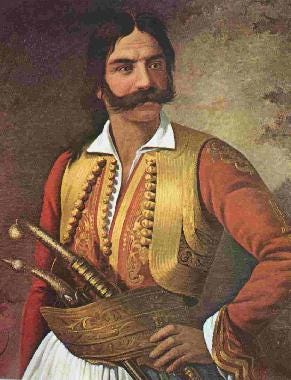
Famously, they were the last Greek Pagans who worshipped the Greek Gods to be converted to Christianity during the reign of Basil I, more than five centuries after the rest of Europe was indoctrinated into Chrisitan Theology. When thinking of it, this feat is massively underrated, as throughout the Christian Persecutions, the conversion of Constantine the Great, and the Islamic/Bulgar Invasions, the Maniots remained untouched thanks to its isolated geography and battle harden armies, and even afterwards, they still retained their independent identity!
Afghanistan: The Bane of Empires
In a desperate attempt to avoid the messy modern history of this fascinating country, this section will be dedicated to its rich ancient past. Afghanistan, formerly known as Bactria had been the bane, yet stronghold of several mighty empires. Always the last and hardest territory to conquer, once Bactria inevitability became a part of the great powers of the age, it merged local traditions with the foreign culture and flourished in an urbanized society.
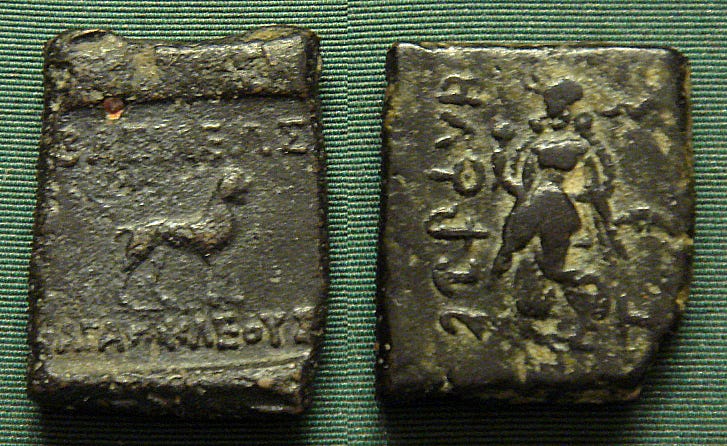
From Persians to Greeks, and warrior tribes from the East, Bactria passed through numerous different cultures but kept its stubborn reputation as the ultimate safe haven of resistance. Only the lands of Afghanistan can hold widely different quotes attributed to it, from “That great empire with a thousand cities” to “The graveyard of empires”.
Check out The Greeks in Afghanistan:
Rome/Hellenic: The Empire that Adapts
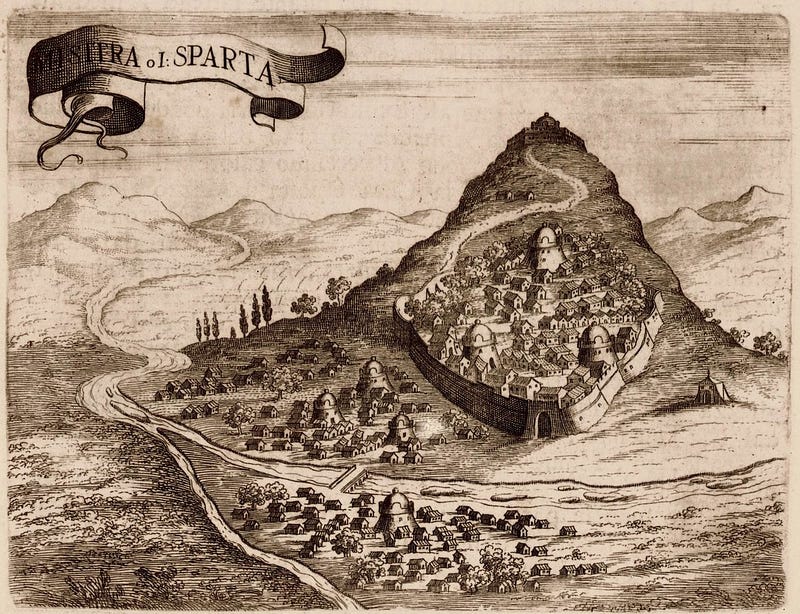
Although it may seem unfair to put two staples of Greco-Roman Cultures on the list... it’s the truth! Hellenistic persistence is known for its stubborn little outposts that carried on when the main centres of the culture fall. A prominent example is Mystra, a city next to the ruins of ancient Sparta. When the Hellenic Eastern Roman Empire began crumbling after the Fourth Crusade, several fortresses of Greco-Roman defiance rose to preserve what remained of the culture.
In this harsh setting arose little Mystras. As the main holdings of the Empire kept being chipped away at, Mystras was left autonomous, and through the lack of Imperial Interference did the city begin to conquer the rest of Peloponnese, which eventually formed into the Despotate of Morea. This paradox is almost laughable, as when the empire fell into terminal decline, a small outpost of its corpse became a bastion of Hellenic learning and scholars. The legacy of Mystras was the preservation of Roman identity up until the 19th Century, a full 2000 years after Caesar and Augustus.
Sources:
Runciman, Steven. (2009). Lost Capital of Byzantium: The History of Mistra and the Peloponnese. London, Thames and Hudson Ltd.