avatarAvi Kotzer

Free AI web copilot to create summaries, insights and extended knowledge, download it at here

2914

Abstract

des all of the roach families, but also termites), while the terms in Italian and French for cockroach are <b>blatta</b> and <b>blatte</b>.</p><p id="266c">Circling back to the word roach… as I mentioned before, it’s one of today’s valid answers in the Spelling Bee. And as you saw, Merriam-Webster includes a definition for <i>cucaracha</i> with a lowercase “c” as a Mexican dance. Which means that, had <i>cucaracha</i> not been rejected, we could have had the same word in English and Spanish on the list of answers.</p><p id="02aa">I don’t know if any of my readers who also play the Spelling Bee have ever run into something like this before, where a word appeared in two languages. If you did, please let us all know in the comments section.</p><h2 id="d6a9">Ballroom be damned!</h2><p id="b334">Well, I couldn’t find a lot about the ballroom dance called <i>cucaracha</i>. So instead I’ll talk a bit about the song called <b>La cucaracha</b>. And even though spelling rules for song titles in English require <i>cucaracha</i> to begin with a capital C, the original song is in Spanish, whose spelling rules for titles differ from English.</p><p id="8656">Perhaps many of you have either heard the song or the tune… or even the car horn (it’s popular in Mexico). It’s origins go back to 15th-century Spain during the time of the <a href="https://en.wikipedia.org/wiki/Reconquista">Reconquista</a>, when a Christian crusade of sorts took back the Iberian peninsula from the Moors.</p><p id="6213">The song gained its popularity, however, in the early part of the 20th century, during the <a href="https://en.wikipedia.org/wiki/Mexican_Revolution">Mexican Revolution</a>. After that, it became ingrained as a Mexican folksong.</p><p id="2460">The lyrics most people know are the following, or a slight variation:</p><figure id="08bd"><img src="https://cdn-images-1.readmedium.com/v2/resize:fit:800/1*6PN-6pHATmXGvuxYeSNz-w.png"><figcaption>Screenshotted by Iva Reztok</figcaption></figure><p id="4188">(Note: The translation uses “she” to identify the cockroach because Spanish assigns genders to nouns; the cockroach as an animal is female.)</p><p id="e065">The words I learned growing up in Venezuela were the same except for the last line, which I knew as “la patita principal”, or “because she lacks the main leg”. That brought about a lot of confusion in my young mind: cockroaches have <b>six</b> legs! Which one could be the “main leg”? It was an existential/philosophical question that haunted me for decades.</p><p id="a28f">Another popular version (the one we secretly sang in the school halls as teenagers) was this one:</p><figure id="2017"><img src="https://cdn-images-1.readmedium.com/v2/resize:fit:800/1*6wWoDlWhoBJqspSbiZQ-lg.png"><figcaption>Screenshotted by Iva Reztok</figcaption></figure><p id="885b">The lyrics can be adapted as you choose, and have been done so historically. One example i

Options

s the Mexican Revolution I mentioned earlier, when the song was used for political purposes.</p><p id="9402">If you’re a music buff, here is the sheet music to La cucaracha:</p><figure id="e5ab"><img src="https://cdn-images-1.readmedium.com/v2/resize:fit:800/1*XiF7VY-AzyzkXxOCZc0IMg.png"><figcaption>Screenshotted by Iva Reztok</figcaption></figure><p id="9dbd">And here is a video in which you can hear the tune while watching the tabs sheet music for guitar scroll down:</p> <figure id="9ecf"> <div> <div> <img class="ratio" src="http://placehold.it/16x9"> <iframe class="" src="https://cdn.embedly.com/widgets/media.html?src=https%3A%2F%2Fwww.youtube.com%2Fembed%2FBDWfqgeI4Z8%3Ffeature%3Doembed&amp;display_name=YouTube&amp;url=https%3A%2F%2Fwww.youtube.com%2Fwatch%3Fv%3DBDWfqgeI4Z8&amp;image=https%3A%2F%2Fi.ytimg.com%2Fvi%2FBDWfqgeI4Z8%2Fhqdefault.jpg&amp;key=a19fcc184b9711e1b4764040d3dc5c07&amp;type=text%2Fhtml&amp;schema=youtube" allowfullscreen="" frameborder="0" height="480" width="854"> </div> </div> </figure></iframe></div></div></figure><p id="f094">You’ll notice the second half of the music varies slightly from the better-known tune used at the beginning. The latter is the one everyone sings the lyrics to.</p><p id="273b">Despite the popularity of <b>La cucaracha</b> song and the the fact that the word also means “ballroom dance”… the editors of the Spelling Bee decided that the word <i>cucaracha</i> is a dord*.</p><p id="0f05">You can check out my previous entry on another <b>dord* </b>here:</p><div id="c2b6" class="link-block"> <a href="https://readmedium.com/vielle-b4538570cf6f"> <div> <div> <h2>Vielle</h2> <div><h3>Third time’s a charm when it comes to rejecting this word</h3></div> <div><p>medium.com</p></div> </div> <div> <div style="background-image: url(https://miro.readmedium.com/v2/resize:fit:320/0*xdz0q7IDh1dGPqjt.jpg)"></div> </div> </div> </a> </div><p id="ecc1">*What the heck is a <b>dord, </b>you ask? Here’s the answer:</p><div id="b3cf" class="link-block"> <a href="https://www.merriam-webster.com/words-at-play/dord-a-ghost-word"> <div> <div> <h2>'Dord': A Ghost Word</h2> <div><h3>One of the questions people like to ask lexicographers is this: Can you sneak something into the dictionary? Can you…</h3></div> <div><p>www.merriam-webster.com</p></div> </div> <div> <div style="background-image: url(https://miro.readmedium.com/v2/resize:fit:320/0*FIB09bHbqCPb9G-0)"></div> </div> </div> </a> </div></article></body>

Cucaracha

The Spelling Bee rejects a rare opportunity to go bilingual
Today’s New York Times Spelling Bee letters:
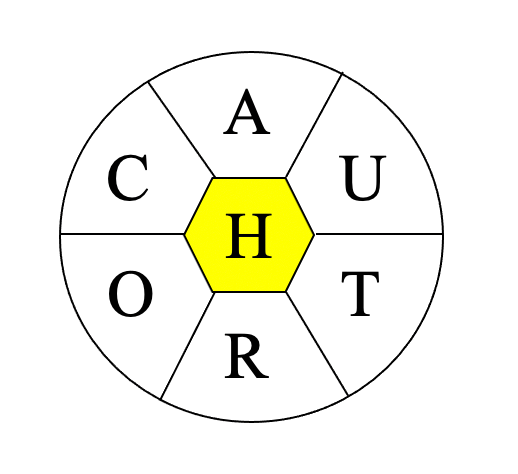
Art: Iva Reztok

A, C, O, R, T, U, and center H (all words must include H)

Merriam-Webster says…
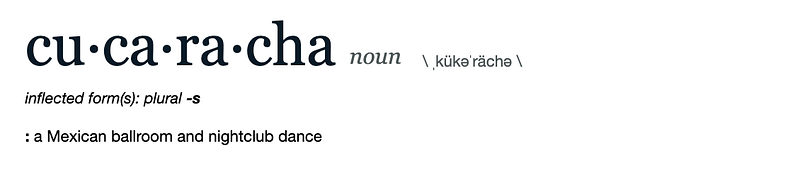
Credit: merriam-webster.com

Silly little dictionary! Don’t you know cucaracha can’t possibly be a word if the New York Times says it ain’t?

For further fascinating facts, check out the Spelling Bee Master.

What’s your favorite dord* from today’s puzzle?

My Two Cents

I’ve been playing the Spelling Bee game online for at least five or six years. (I found the classic print version in the New York Times Magazine too daunting.) I think this is the first time I’ve noticed that the same word could be spelled out in two languages.

This would have been an awesome feat to achieve today! Alas, it was not to be.

Bilingual be damned!

Without spoiling too much for those of you still working on today’s puzzle, the word roach is accepted as an answer. Now, I was aware of two completely unrelated meanings for that word: cockroach and marijuana joint. Turns out there’s a few others, including a verb!
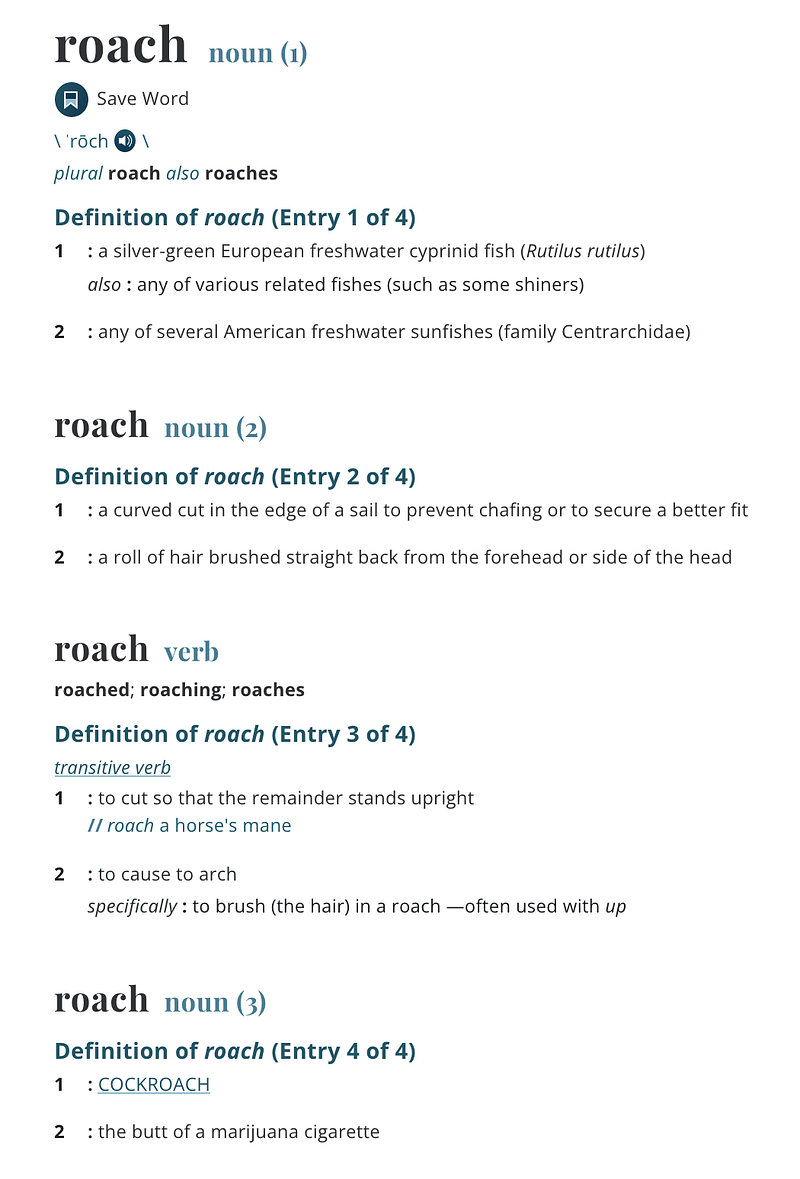
Now, since this column is about perfectly good words the Spelling Bee has rejected, I’m not going to get into the definitions of roach. But I will note that the origin of its cockroach meaning is a shortened form of that word. Which seems pretty obvious and logical.

The word cockroach’s origin is interesting as, according to the dictionary, it comes “by folk etymology from Spanish cucaracha cockroach, scolopendra, irregular from cuca caterpillar, moth”. It’s first recorded usage in the English language is in 1623.

The Spanish dictionary tells us that the word comes from cuca, meaning “caterpillar worm”, and gives no further explanation. Hmm…

Interestingly, the cockroach belongs to the order Blattodea (which includes all of the roach families, but also termites), while the terms in Italian and French for cockroach are blatta and blatte.

Circling back to the word roach… as I mentioned before, it’s one of today’s valid answers in the Spelling Bee. And as you saw, Merriam-Webster includes a definition for cucaracha with a lowercase “c” as a Mexican dance. Which means that, had cucaracha not been rejected, we could have had the same word in English and Spanish on the list of answers.

I don’t know if any of my readers who also play the Spelling Bee have ever run into something like this before, where a word appeared in two languages. If you did, please let us all know in the comments section.

Ballroom be damned!

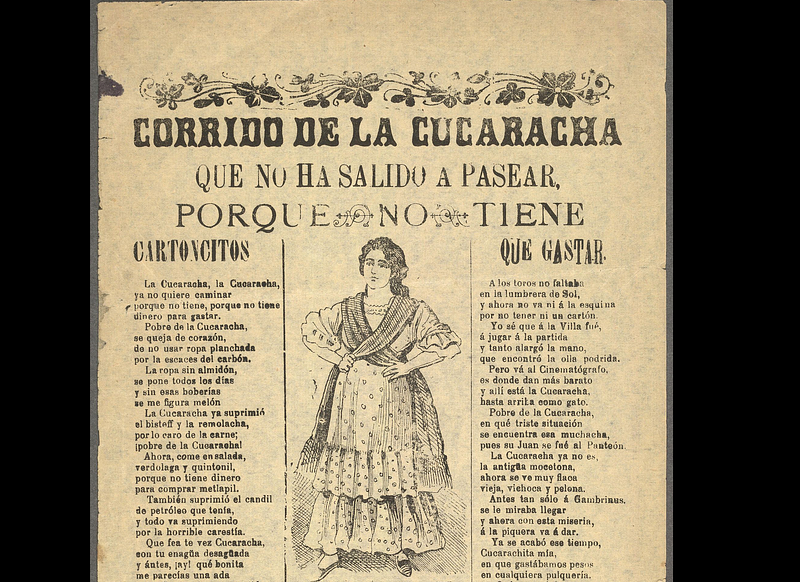
Well, I couldn’t find a lot about the ballroom dance called cucaracha. So instead I’ll talk a bit about the song called La cucaracha. And even though spelling rules for song titles in English require cucaracha to begin with a capital C, the original song is in Spanish, whose spelling rules for titles differ from English.

Perhaps many of you have either heard the song or the tune… or even the car horn (it’s popular in Mexico). It’s origins go back to 15th-century Spain during the time of the Reconquista, when a Christian crusade of sorts took back the Iberian peninsula from the Moors.

The song gained its popularity, however, in the early part of the 20th century, during the Mexican Revolution. After that, it became ingrained as a Mexican folksong.

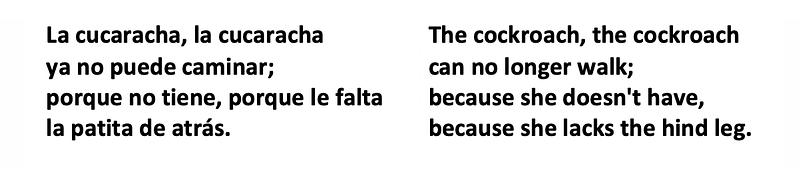
The lyrics most people know are the following, or a slight variation:
Screenshotted by Iva Reztok

(Note: The translation uses “she” to identify the cockroach because Spanish assigns genders to nouns; the cockroach as an animal is female.)

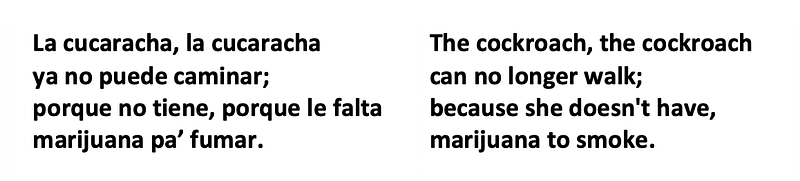
The words I learned growing up in Venezuela were the same except for the last line, which I knew as “la patita principal”, or “because she lacks the main leg”. That brought about a lot of confusion in my young mind: cockroaches have six legs! Which one could be the “main leg”? It was an existential/philosophical question that haunted me for decades.

Another popular version (the one we secretly sang in the school halls as teenagers) was this one:
Screenshotted by Iva Reztok

The lyrics can be adapted as you choose, and have been done so historically. One example is the Mexican Revolution I mentioned earlier, when the song was used for political purposes.

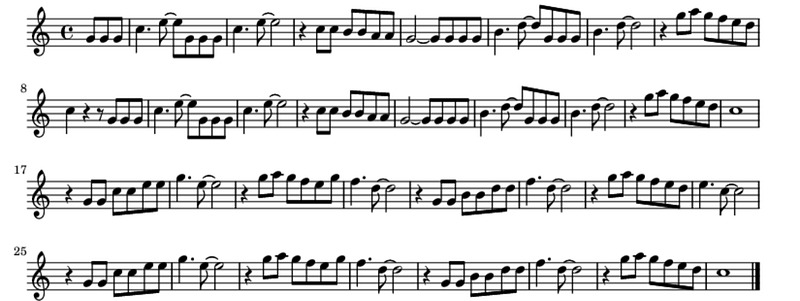
If you’re a music buff, here is the sheet music to La cucaracha:
Screenshotted by Iva Reztok

And here is a video in which you can hear the tune while watching the tabs sheet music for guitar scroll down:

You’ll notice the second half of the music varies slightly from the better-known tune used at the beginning. The latter is the one everyone sings the lyrics to.

Despite the popularity of La cucaracha song and the the fact that the word also means “ballroom dance”… the editors of the Spelling Bee decided that the word cucaracha is a dord*.

You can check out my previous entry on another dord* here:

*What the heck is a dord, you ask? Here’s the answer:

Spelling Bee
Language
History
Music
Mexico
Recommended from ReadMedium