CS/R — ESG 16 China’s “Common Prosperity”, Corporate Sustainability, and Political Stability Initiatives - part 2
The Broad Group’ and Starbucks-China’s efforts and tradeoffs
In this series of articles on the alphabet soup of corporate citizenship, I’ve pondered the changes in how we make impact; laid out some history & definitions of some concepts; shared a few examples of small and large companies leading the way; and delved into how individuals, companies and governments are influencing others and taking action to make companies more efficient and positively impactful. I want you to see how the pieces fit together, and examples to follow, and be inspired to take action.
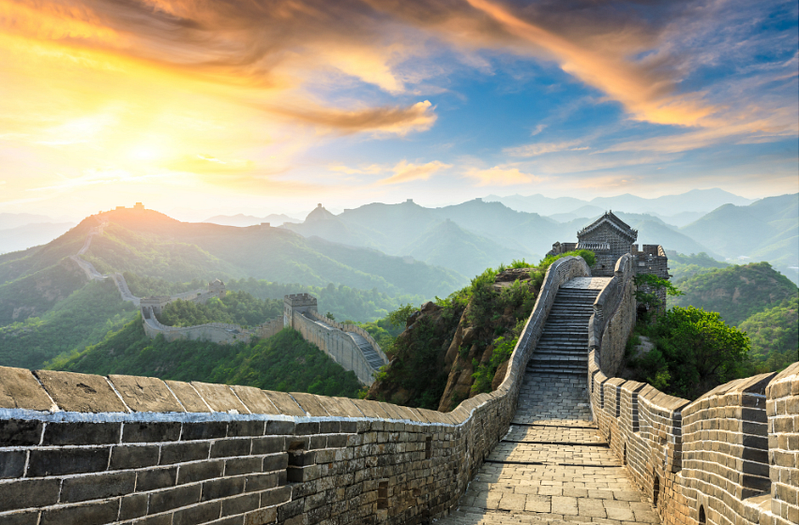
In this article, I address the push for sustainability in a country known for its social engineering and authoritarian government. This is part two of the article (part one briefly described the context, then shared a profile on ecommerce giant Alibaba’s social responsibility efforts). This article briefly describes the impacts and initiatives of the Broad Group, and of Starbucks-China. And I leave you to reflect on the complexity of judging the motivations and actions of companies in a complex market, which has committed human rights abuses, demanded party loyal behavior, jailed journalists & dissidents, and lifted 770 million people out of poverty,… and how some leaders seem to stand above, through a strength of convictions.
The Broad Group China is a privately-held company which makes a range of products focused on energy conservation, alternative energy generation, and sustainable building. Their products are creatively pragmatic, and their corporate culture has a strong ethos of minimizing waste and negative impacts. You might enjoy this Broad Group designed series of cartoons educating citizens how and why to save energy.
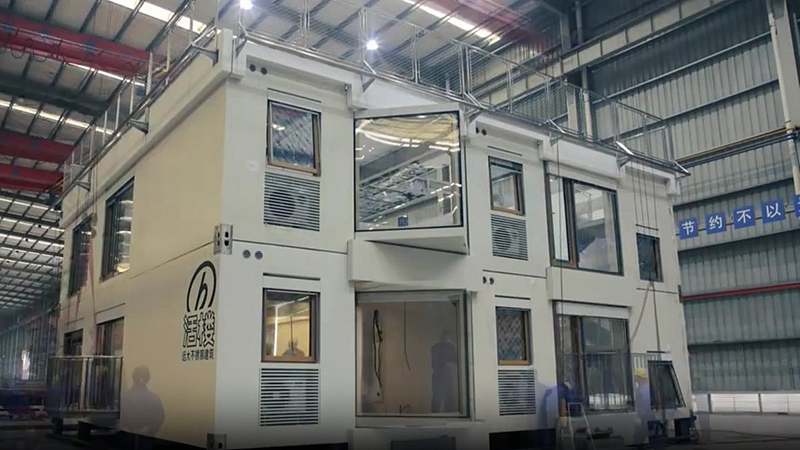
The company was founded in 1988 and grew from its founder’s patented industrial boiler design (which had the benefit of not exploding, like the lower-quality alternatives on the market at that time). Over the next 20 years, the company evolved from manufacturing to sustainable construction, and has infused sustainability into all of its product designs. This is most visible in BROAD town, its headquarters campus which includes 10 dormitory buildings for employees.
The company is well known for its (waste heat powered) HVAC systems and Broad Sustainable Building (BSB), technologies which achieve high energy efficiency through thermal insulation; quick construction times, ie days not years, since its parts are pre-fabricated and assembled onsite (for ships, planes, vehicles, and 57-story buildings); and has been tested to resist high magnitude earthquakes. These buildings consume 1/5 the energy of comparable architectural projects. And when the tower block nears the end of its useful life, its steel skeleton will be able to be dismantled and reused — unlike many buildings in the past that were demolished and carted off to a landfill graveyard.
The company has repeatedly won recognition as one of the most admired companies in China. Chairman and Founder, Zhang Yue is a B team leader (I’ve referred to the BTeam in other articles, eg big companies doing CS/R-ESG well , business and the SDGs). He serves on the B Team’s Climate Working Group and states, “Sustainable development is critical in an era where social transformation and accelerating urbanization is occurring in many countries. As a B Team Leader I have the opportunity to advance rapid, low-carbon revolution in the global architecture and transportation.”
His efforts as
· a B Team Leader,
· a member of The Climate Group (a non-profit organization that works with businesses and government leaders around the world to address climate change), and
· of the United Nations Global Compact (a non-binding United Nations pact to get businesses and firms worldwide to adopt sustainable and socially responsible policies, and to report on their implementation)
are helping to ensure businesses and cities scale in a sustainable and minimally impactful way.
Starbucks found a way to enter the Chinese market in 1999, creating a joint venture with a government-run group, and has become hugely successful (Starbucks bought out their partners in 2017). It is estimated that a new café opens in China, every nine hours. This article delves into the many twists and turns — it’s quite a story of entrepreneurship, (selective) social responsibility, and international intrigue. Regardless of your feelings about the taste and price of its coffee, Starbucks has long been a company practicing support of its communities’ causes, however imperfect those initiatives might sometimes be.
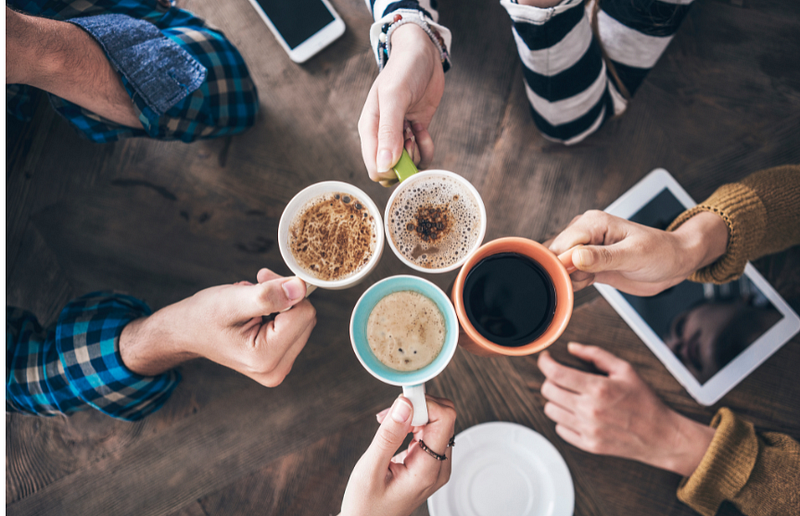
In September 2022, Howard Schultz in his third time as the company’s CEO, told investors on an earnings call, that Starbucks would return to being a growth company, and that China would overtake the USA as its largest market, by 2025. To accomplish this decennial growth in a famously capricious market, the company has cultivated close relationships with government officials (which has helped it secure café leases), it has trained 30,000 coffee farmers and developed its own domestic supply chain “from bean to cup” (to help the PRC “put Yunnan coffee on the map”, which hasn’t yet happened outside of East Asia), and invested in the rural infrastructure and quality-of-life improvements in the Yunnan province. These initiatives exceed requirements of the 2008 law requiring all companies to “bear social responsibilities,” and align well with President Xi’s “common prosperity” initiatives formally announced in 2021 (requiring all Chinese companies to have corporate social responsibility practices to share their wealth, and help the government lift rural populations out of poverty).
These PRC policy initiatives have resulted in flashy displays of generosity by both local and foreign companies. In addition to it’s work in Yunnan, the Beijing Starbucks Foundation has also donated to many women empowerment and youth education NGOs (most owned by the government, aka GONGOs) and its website includes many standard causes of western NGOS (and the locally, quasi-mandated cause of “party building”, since removed). Starbucks — which in 2017 famously announced plans to hire, globally, 10,000 refugees displaced by persecution, war, and discrimination — has, however, never explicitly condemned the Uighur forced-labor and “reeducation” abuses (unlike Apple, H&M, Nike and others).
That said, Starbucks-China has earned fierce employee loyalty in the last 10+ years, because it offers wages above market, stock options, housing stipends, access to the Starbucks Learning Center, and extends health insurance coverage to employees (and their families, including parents under 75 years old).

Again, as you see, it’s complicated — the business issues, the political and power-struggle ones, the data privacy, the human rights issues, the environmental and poverty issues; the intentions, strength-of-will, and naivete of different parties, etc. How do you make impact and stay below the power-play radar? Does one make more positive change by speaking out and risking being shut down, or by staying and making things better how they can, while being forced to support some questionable practices (or at a minimum turn a blind eye)?
Check out part one of this article, which includes more context on China’s economic development context and a brief overview of Alibaba’s expansive corporate social responsibility initiatives.
#ESG #China #sustainability #CSR #longtermstrategy #criticalthinking #greenwashing #PropagandaAndOrAuthenticImpact #mandated
***
I hope you found the article (and others in the series) helpful. If you’d like to discuss leadership in a fast changing world, resilience and related “alphabet soup” corporate citizenship issues please leave a comment or reach out.
Rachel E Patterson helps innovative SMB and their leaders navigate change and grow ethically, so that they manage their minds, their impact, and their long term bottom line.
***